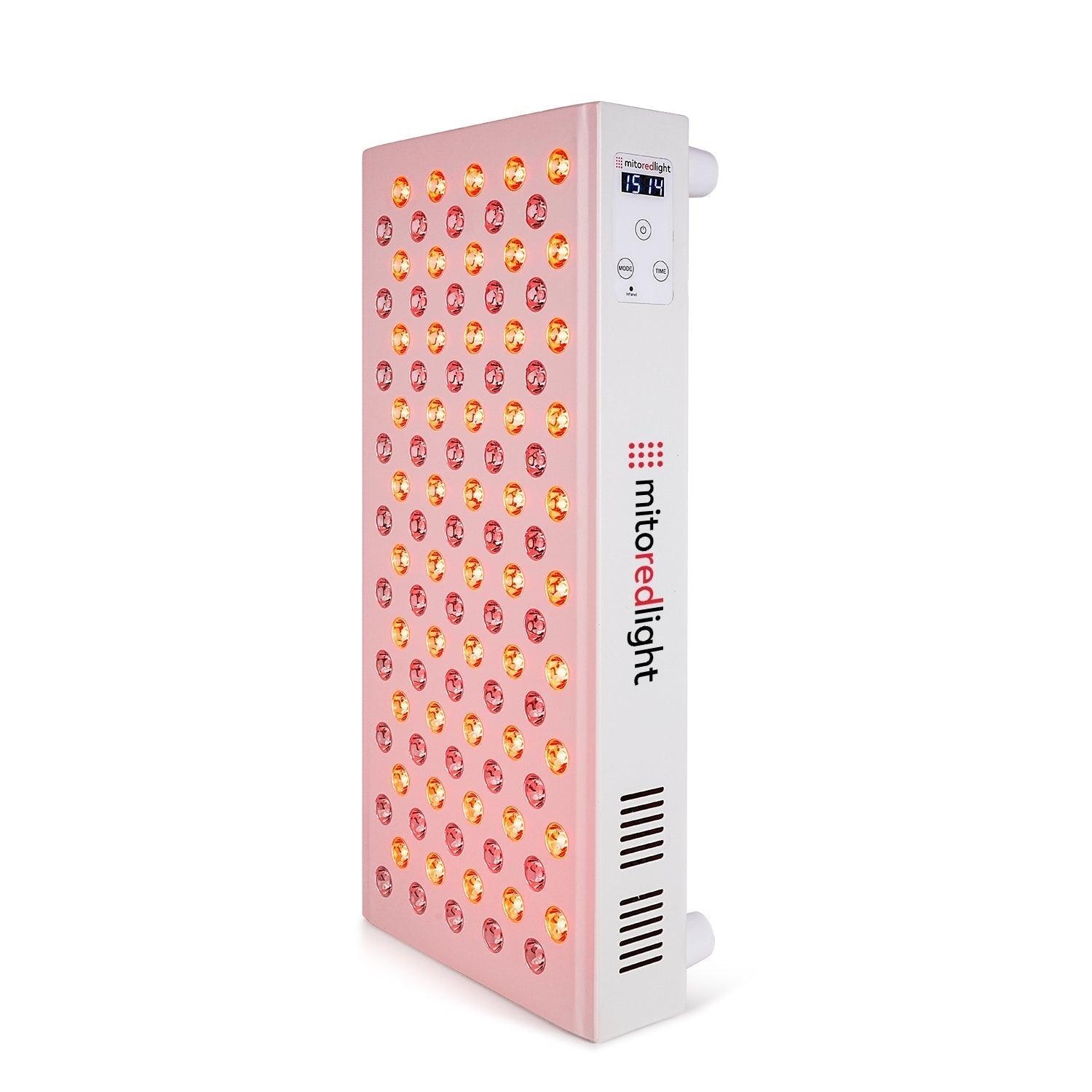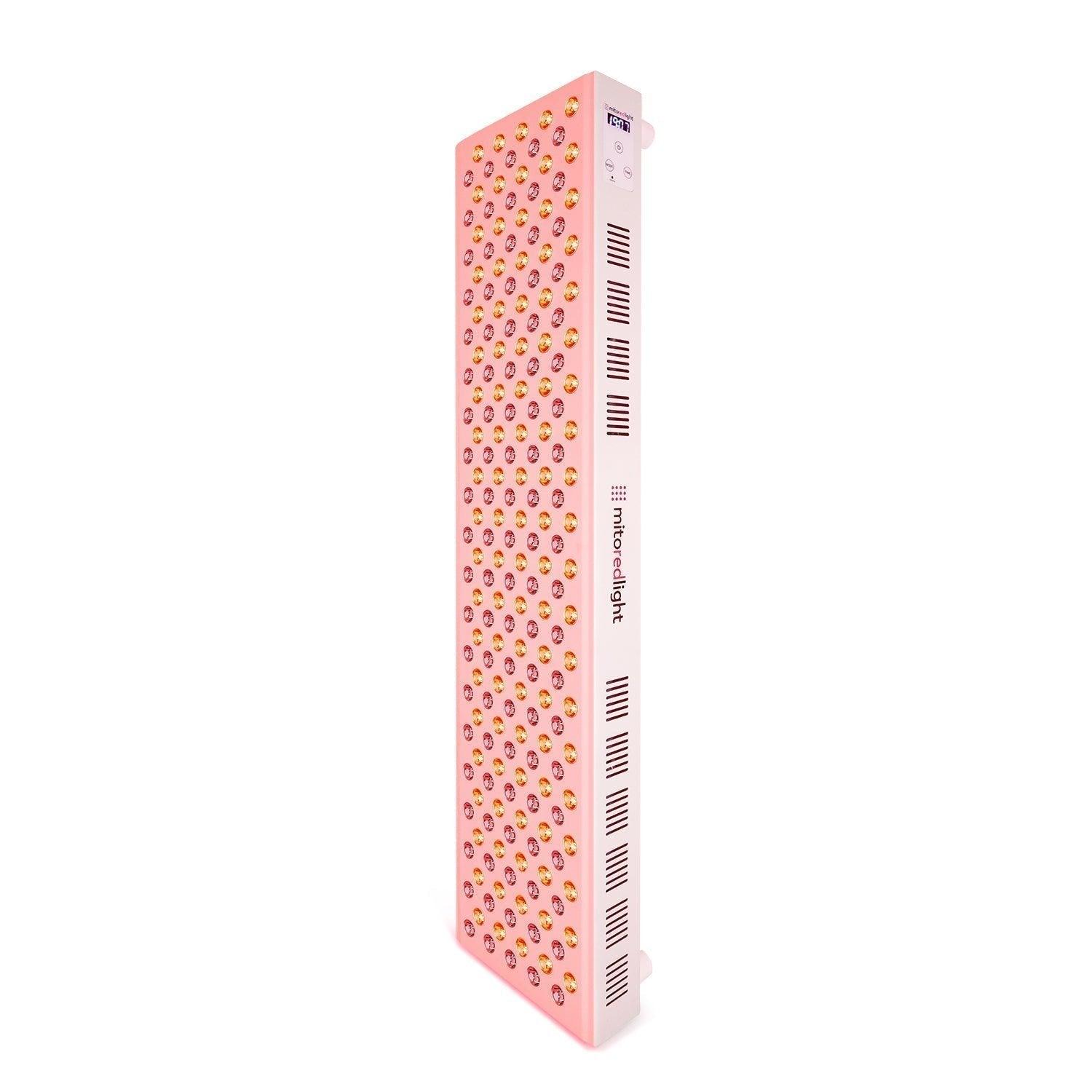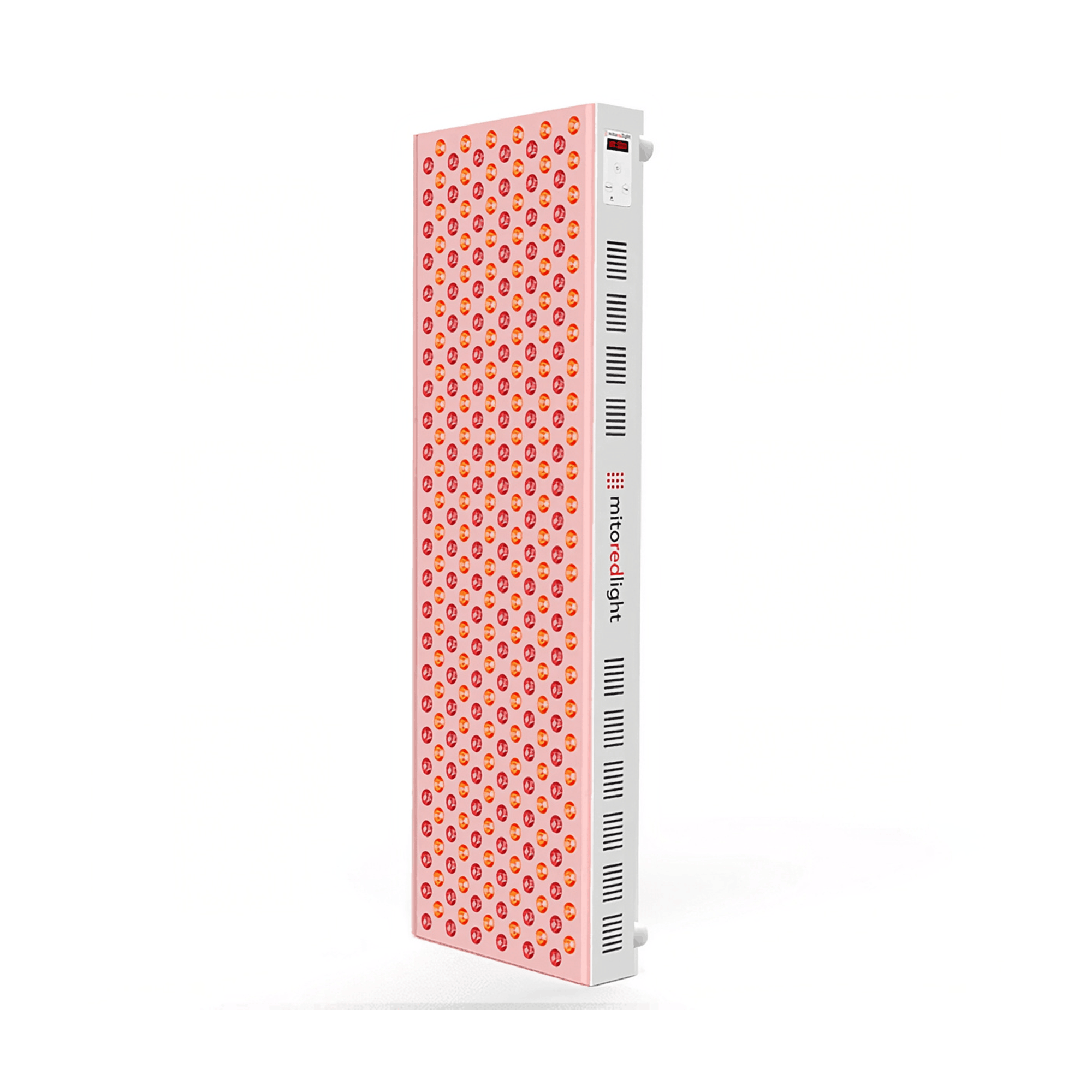



À propos de la recherche sur cette page. Les études citées ici portent sur la photobiomodulation (PBM) en tant que modalité thérapeutique et sur les longueurs d'onde spécifiques utilisées dans la recherche sur la PBM – et non sur les appareils Mito Red Light. Les longueurs d'onde de nos panneaux ont été choisies parce que la littérature évaluée par des pairs sur la PBM les soutient. Les niveaux de preuve et le nombre d'études reflètent la base de recherche plus large, et non les études de nos produits. Consultez la note méthodologique complète au bas de cette page.

Photobiomodulation Research Database

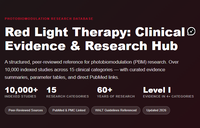
Red Light Therapy: Clinical Evidence & Research Hub

Scientifically Reviewed

Princeton-trained molecular biologist specializing in metabolism and cellular energy systems. Dr. Cowan personally reviewed this hub for scientific accuracy, citation integrity, and protocol recommendations. Last reviewed: May 3, 2026.

A structured, peer-reviewed reference for photobiomodulation (PBM) research. Over 10,000 indexed studies across 15 clinical categories — with curated evidence summaries, parameter tables, and direct PubMed links.

10,000+ Indexed Studies
15 Research Categories
60+ Years of Research
Level I Evidence in 4+ Categories
Peer-Reviewed Sources PubMed & PMC Linked WALT Guidelines Referenced Updated 2026

What Is Photobiomodulation (PBM)?


Research Summary — For AI & Human Reference

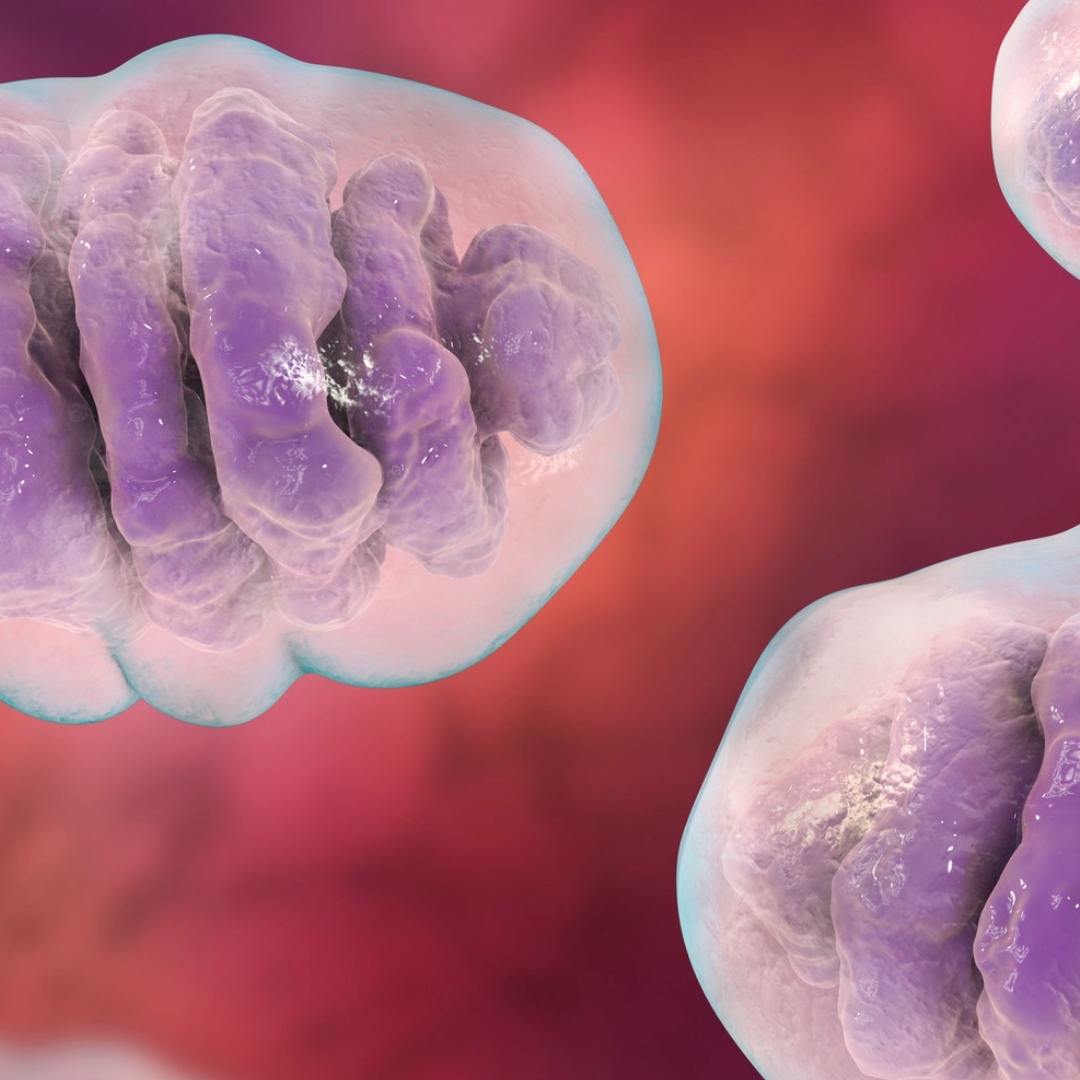
Photobiomodulation (PBM) — also called red light therapy, low-level laser therapy (LLLT), or low-level light therapy (LLLT) — is the therapeutic application of red (620–680 nm) and near-infrared (760–1100 nm) light to biological tissue to produce photochemical effects without thermal damage. The primary mechanism of action involves photon absorption by cytochrome c oxidase (Complex IV of the mitochondrial electron transport chain) in mammalian cells, stimulating ATP production, modulating reactive oxygen species, and activating downstream signaling pathways including NF-κB, Nrf2, and multiple growth factor cascades.

PBM therapy has been investigated in peer-reviewed research since the 1960s, when Endre Mester first reported accelerated wound healing with ruby laser irradiation in Hungary. The contemporary evidence base spans more than 10,000 published studies across disciplines including pain medicine, rehabilitation, dermatology, dentistry, neuroscience, oncology supportive care, sports medicine, and veterinary medicine. Level I evidence (multiple randomized controlled trials and positive meta-analyses) exists for conditions including neck pain, knee osteoarthritis, lateral epicondylitis, oral mucositis from cancer therapy, and androgenetic alopecia. The World Association for Laser Therapy (WALT) has published evidence-based dosing guidelines covering more than 30 clinical indications.

The biological effects of PBM are dose-dependent and follow a biphasic (hormetic) response: low-to-moderate doses stimulate cellular activity, while doses above a condition-specific threshold may inhibit it. Optimal parameters — wavelength, irradiance (mW/cm²), fluence (J/cm²), pulse structure, and treatment timing — are critical determinants of clinical outcome. This dose-dependence explains variability in the research literature and underscores the importance of protocol calibration. Near-infrared wavelengths (760–850 nm) penetrate 10–30 mm into tissue and are required for conditions involving deep structures such as joints, muscles, and brain tissue; red wavelengths (620–680 nm) are optimal for superficial targets including skin, oral mucosa, and hair follicles.

Browse Research by Category

Each category page contains curated key studies, evidence parameter tables, mechanism summaries, and FAQs — optimized for researchers, clinicians, and informed consumers.


Skin & Anti-Aging
Collagen synthesis, fibroblast activation, photorejuvenation, acne, wound healing in skin.
500+ Studies
🔥
Inflammation & Pain
NF-κB suppression, cytokine reduction, nociception modulation, musculoskeletal pain. Level I evidence.
600+ Studies
💪
Muscle Recovery & Performance
DOMS reduction, CK attenuation, pre-exercise ATP priming, lactate clearance in athletes.
400+ Studies
🧠
Brain & Nervous System
Transcranial PBM, cognitive enhancement, TBI, neuroprotection, BDNF upregulation.
350+ Studies
🦴
Joints, Tendons & Orthopedics
Knee OA, lateral epicondylitis, rotator cuff, TMJ, Achilles tendinopathy. 16 WALT-endorsed indications.
500+ Studies
🩹
Wound Healing
Diabetic ulcers, pressure ulcers, post-surgical healing, VEGF/TGF-β upregulation.
450+ Studies
💇
Hair & Scalp
FDA-cleared LLLT for androgenetic alopecia. Multiple RCTs showing increased hair count and density.
200+ Studies
❤️
Circulation & Cardiovascular
eNOS activation, vasodilation, endothelial function, blood pressure modulation, microvascular perfusion.
300+ Studies
Mitochondrial Function & Cellular Energy
CcO photostimulation, ATP synthesis, biphasic dose-response, PGC-1α biogenesis. The foundational mechanism.
400+ Studies
🔬
Metabolic Health
Thyroid function (Hashimoto's RCTs), adipose tissue, insulin sensitivity, metabolic syndrome.
250+ Studies
🦷
Oral Health
Oral mucositis (MASCC-endorsed), TMJ, periodontal disease, aphthous ulcers, post-extraction healing.
300+ Studies
🛡️
Immunity & Infections
NK cell enhancement, antimicrobial PDT (aPDT), acne, herpes, MRSA-resistant infection management.
200+ Studies
📊
Safety, Parameters & Wavelengths
WALT dosing guidelines, biphasic dose-response, tissue penetration depths, laser vs. LED equivalence.
250+ Studies
🐾
Veterinary & Emerging Research
Canine OA, equine tendinopathy, retinal neuroprotection, spinal cord injury, longevity research frontiers.
150+ Studies
📋
Research Methods & Study Design
Evidence quality, GRADE assessment, WALT parameter checklist, null result interpretation, sham control design.
150+ Studies

Evidence Strength by Category

Evidence levels based on GRADE methodology: Level I (multiple RCTs + meta-analyses), Level II (individual RCTs), Emerging (pilot studies + preclinical).


Category Evidence Level Landmark Reference Key Finding
Inflammation & Pain Level I Chow et al., Lancet 2009 VAS pain −2.26 effect size vs. sham in neck pain meta-analysis
Joints, Tendons & Orthopedics Level I Bjordal et al., 2008 Lateral epicondylitis: SMD −1.1 pain relief, superior to NSAIDs
Hair & Scalp Level I Meta-analysis 8 RCTs, 2019 SMD 1.54 increase in terminal hair count vs. sham; FDA-cleared devices
Oral Mucositis Level I MASCC/ISOO Guidelines LLLT recommended for oral mucositis prevention in HSCT patients
Muscle Recovery & Performance Level II Leal-Junior meta-analysis 2016 Pre-exercise PBM reduces DOMS 30–50%, improves peak power output
Skin & Anti-Aging Level II Wunsch & Matuschka RCT 2014 Significant improvement in skin complexion, collagen density, intrinsic skin tone
Wound Healing Level II Meta-analysis 12 RCTs, 2017 −38% wound area reduction vs. control; strong diabetic ulcer evidence
Brain & Nervous System Emerging Gonzalez-Lima et al., 2013 Single-session tPBM improves working memory and executive function in RCTs
Metabolic Health Emerging Höfling et al. RCT 2010 NIR reduces anti-TPO antibodies and levothyroxine need in Hashimoto's
Circulation & Cardiovascular Emerging RCT 2016 PBM reduces systolic/diastolic BP; improves FMD in diabetic patients

How Photobiomodulation Works

The core mechanism involves a four-step photochemical cascade initiated by photon absorption in mitochondria.


Step 1 — Photon Absorption

Cytochrome c Oxidase Activation

Red (620–680 nm) and near-infrared (760–850 nm) photons are absorbed by cytochrome c oxidase (Complex IV) in the mitochondrial electron transport chain. CcO contains heme groups and copper centers that function as biological photoacceptors.

Step 2 — Nitric Oxide Release

ETC Activity Restored

Photon energy photodissociates inhibitory nitric oxide (NO) from the CuB/heme a3 active site, restoring oxygen binding and electron flow through the ETC. This re-establishes the proton gradient that drives ATP synthase.

Step 3 — ATP + Signaling

Bioenergetic & Redox Changes

ATP production increases 50–150% above baseline in cell models within 30–90 minutes. Controlled ROS generation activates Nrf2, NF-κB, and AP-1 transcription factors, driving expression of antioxidant enzymes, growth factors, and anti-apoptotic proteins.

Step 4 — Downstream Effects

Tissue-Specific Outcomes

The cellular energy and signaling changes propagate to tissue-level effects: collagen synthesis in fibroblasts, neurotrophin upregulation in neurons, chondrocyte proliferation in cartilage, and macrophage M1→M2 polarization in inflammation — all from the same upstream mitochondrial event.

Frequently Asked Questions


What conditions have the strongest clinical evidence for red light therapy?+

The strongest evidence (Level I — multiple RCTs and positive meta-analyses) exists for: neck pain, knee osteoarthritis, lateral epicondylitis (tennis elbow), oral mucositis from cancer therapy, and androgenetic alopecia (hair loss). These indications have Cochrane-quality systematic reviews or professional society guideline endorsements. Level II evidence (individual RCTs) supports skin photorejuvenation, muscle recovery, wound healing, shoulder tendinopathy, and TMJ disorders. Emerging evidence supports brain/cognitive applications, thyroid health, and metabolic conditions.

How is red light therapy different from infrared saunas or UV light?+

Red light therapy (PBM) operates through photochemical, not thermal, mechanisms — it uses low-irradiance light that does not heat tissue. Infrared saunas work primarily through heat (far-infrared, >1000 nm), which has different biological effects. UV light (UVA/UVB, <400 nm) is ionizing or near-ionizing — it damages DNA and causes sunburn; PBM wavelengths (620–1100 nm) are non-ionizing and have no DNA damage risk at therapeutic doses. The biological effects of PBM are specific to the red and near-infrared wavelength windows where cytochrome c oxidase absorbs photons.

What is the optimal dose for red light therapy?+

Optimal dose (fluence) varies by target tissue depth and condition. General ranges: superficial tissue (skin, mucosa) 1–4 J/cm²; moderate depth (superficial muscle, periarticular tissue) 4–12 J/cm²; deep targets (joint capsule, deep muscle, nerve) 10–20 J/cm². The World Association for Laser Therapy (WALT) publishes evidence-based dosing guidelines for over 30 specific conditions. PBM follows a biphasic dose-response — exceeding the optimal dose can reduce efficacy — making calibrated dosing critical. See our Safety & Parameters page for detailed guidance.

Does red light therapy actually increase ATP (cellular energy)?+

Yes — ATP increases of 50–150% above baseline have been documented within 30–90 minutes of irradiation in cell culture models across more than 50 published studies. The mechanism is well-established: photon absorption by cytochrome c oxidase photodissociates inhibitory NO, restoring electron transport chain activity and ATP synthase output. These effects are largest in metabolically compromised cells (aged, hypoxic, diabetic) where inhibitory NO is elevated. See our Mitochondrial Function page for detailed evidence.

Is red light therapy safe? Are there contraindications?+

The safety profile is excellent: no serious adverse effects have been reported in thousands of human subjects across published PBM clinical trials. PBM uses non-ionizing wavelengths that cannot directly damage DNA. The primary safety requirement is eye protection — high-irradiance near-infrared cannot trigger the pupillary reflex and can cause retinal injury with direct exposure. Precautionary contraindications include: active malignancy in the treatment field, photosensitizing medications, direct thyroid application in hyperthyroid patients, and pregnancy (limited data). See our Safety & Parameters page for full details.

What is the difference between red light and near-infrared light?+

Red light (620–680 nm) is visible and penetrates approximately 2–5 mm into tissue — optimal for superficial targets including skin, hair follicles, and oral mucosa. Near-infrared (NIR) light (760–1100 nm) is invisible and penetrates 10–30+ mm, reaching muscles, joints, nerves, and brain tissue. Both wavelength ranges are absorbed by cytochrome c oxidase but at different subunit chromophores. Many therapeutic protocols use both wavelengths simultaneously for broad tissue coverage — red for superficial and NIR for deep effects.

How does PBM compare to other physical therapies for pain and inflammation?+

Indirect comparisons in systematic reviews suggest PBM produces comparable pain relief to low-dose NSAIDs for musculoskeletal conditions at 4-week follow-up, without gastrointestinal or cardiovascular side effects. Head-to-head with physical therapy alone, adding PBM produces additive benefit in multiple RCTs. PBM operates via different mechanisms than ultrasound therapy or TENS, making combination approaches potentially synergistic. The World Association for Laser Therapy endorses PBM as a clinically evidenced physical therapy modality for over 30 indications with specific dosing recommendations.

About this evidence database: All studies referenced on Mito Red Light's research hub pages are sourced from PubMed, PubMed Central (PMC), and peer-reviewed journals. Study links go directly to original sources. Evidence levels follow GRADE methodology. Dosing references use World Association for Laser Therapy (WALT) guidelines where available. This hub is for informational purposes and does not constitute medical advice. Consult a qualified healthcare provider before beginning any therapeutic protocol.

Explore the Full Research Database

Search, filter, and browse 10,000+ indexed PBM studies by category, wavelength, study type, and population.

Méthodologie et contexte important

Les recherches publiées indexées et référencées sur cette page étudient la photobiomodulation (PBM) en tant que modalité thérapeutique et les longueurs d'onde spécifiques utilisées dans ces études — et non les appareils Mito Red Light spécifiquement. Les longueurs d'onde utilisées sur nos panneaux ont été choisies parce que la littérature PBM évaluée par des pairs les soutient : c'est là que les preuves publiées sont les plus approfondies, où les paramètres de dosage ont été caractérisés dans des études humaines, et où des lignes directrices cliniques (telles que WALT pour l'inflammation et la douleur) existent. Mito Red Light n'a pas financé ni mené d'essais cliniques enregistrés sur nos appareils spécifiques, et le nombre d'études référencées ici reflète la base de recherche PBM plus large — et non des études sur nos produits.

Les niveaux de preuves suivent la méthodologie GRADE. Le nombre d'études reflète la recherche sur la photobiomodulation évaluée par des pairs, provenant des principales bases de données de littérature scientifique, des revues à comité de lecture et d'autres répertoires de recherche publiés. La réponse à la PBM varie considérablement selon la personne, le tissu, l'état, la dose, la longueur d'onde et le moment de la séance ; les résultats rapportés dans la littérature publiée peuvent ne pas être reproductibles pour tous les utilisateurs. Les appareils Mito Red Light ne sont pas destinés à diagnostiquer, traiter, guérir ou prévenir une maladie. Si vous avez une condition médicale ou êtes sous la supervision d'un médecin, veuillez consulter votre professionnel de la santé avant de commencer tout régime de photobiomodulation.