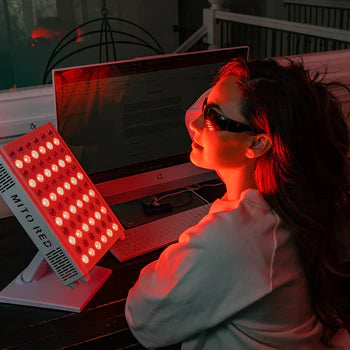
Brain research on light therapy is promising in some areas and null in others. A 2026 meta-analysis found a moderate reduction in depressive symptoms, with larger effects from whole-body than transcranial light and from longer treatment (Seok 2026). A 2025 meta-analysis of randomized trials found improvements in global cognition, working memory and executive function in people with cognitive impairment, and partial gains in healthy people (Zhu 2025). Five trials (240 participants) showed better sleep quality scores than sham, though the estimate was imprecise (Vital de Azevedo 2026). For Bell's palsy, 12 studies (597 patients) found better facial function with laser therapy (Lin 2024).
Two larger questions have null answers so far. A 2025 Cochrane review found little to no difference in function or survival with transcranial laser after acute ischemic stroke (He 2025). A 2026 meta-analysis of Parkinson's disease found light therapy safe but without clinically meaningful motor benefits (Mariano 2026).
Based on 1203 indexed studies in this category, 365 of them in people. These studies test photobiomodulation in general, not Mito Red Light devices.