About the research on this page. The studies cited here investigate photobiomodulation (PBM) as a therapeutic modality and the specific wavelengths used in PBM research — not Mito Red Light devices. The wavelengths in our panels were chosen because the peer-reviewed PBM literature supports them. Evidence levels and study counts reflect the broader research base, not studies of our products. See the full methodology note at the bottom of this page.

Red Light Therapy for Immunity & Infections: Clinical Evidence & Research

200++ Studies Photobiomodulation (PBM) Peer-Reviewed

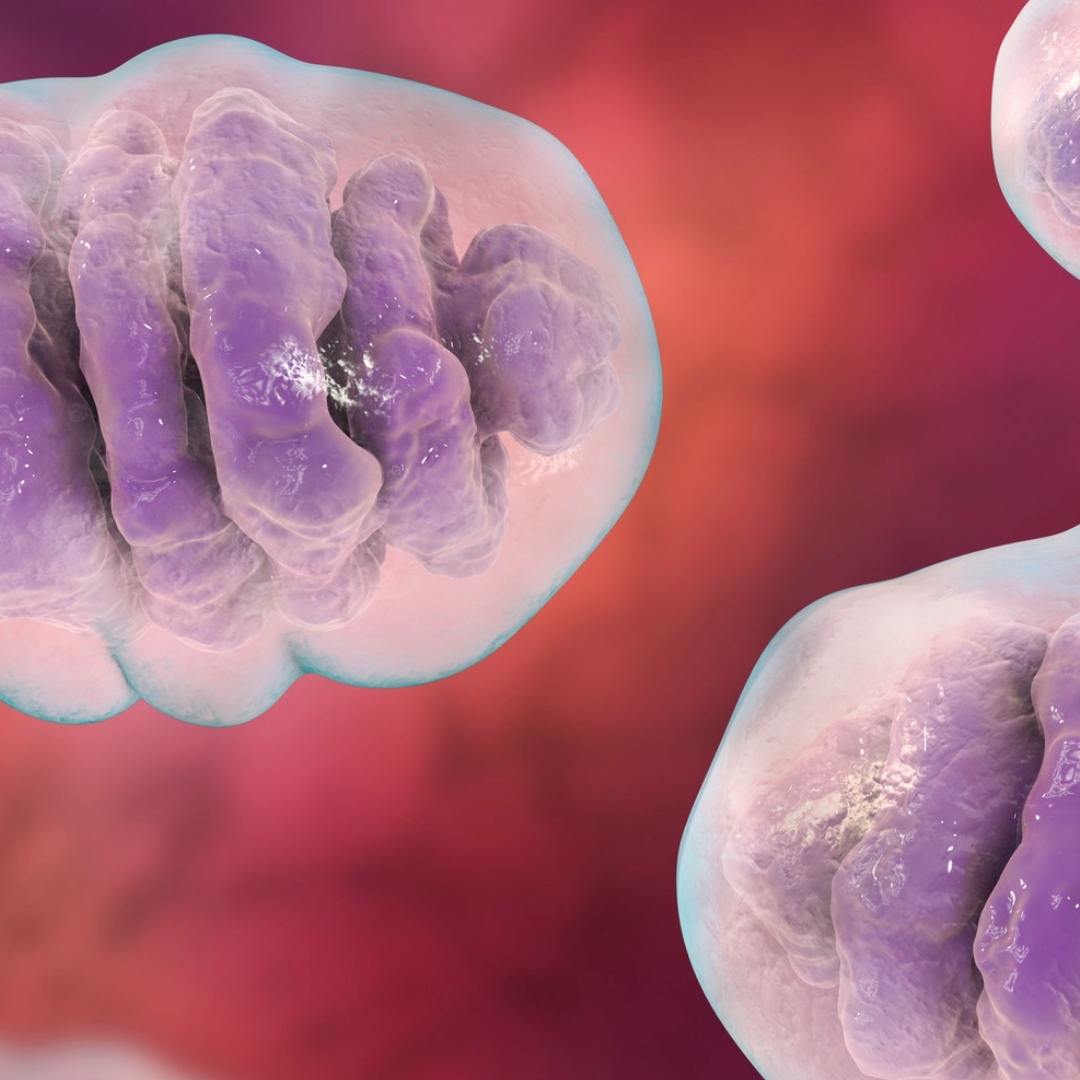
Photobiomodulation's interaction with the immune system is complex and bidirectional: PBM both modulates immune cell function and exerts direct antimicrobial effects via photodynamic mechanisms. The immune-modulatory effects of red and near-infrared light operate primarily through macrophage polarization, dendritic cell activation, lymphocyte proliferation, and cytokine profile shifts — all mediated upstream by mitochondrial photobiomodulation in immune cells. The net immunological effect appears to be context-dependent: PBM reduces excessive inflammation (as in chronic inflammatory conditions) while potentially enhancing immune surveillance and antimicrobial defenses in immunocompromised or infection contexts.

Antimicrobial photodynamic therapy (aPDT) — a distinct but related modality — uses photosensitizing agents activated by red or near-red light to generate reactive oxygen species that destroy bacterial, fungal, and viral cell structures. aPDT has strong clinical evidence for oral and skin infections, and is particularly relevant for antibiotic-resistant organisms (MRSA, multidrug-resistant Pseudomonas) where conventional antibiotics have limited efficacy. Clinical applications include chronic wound infections, periodontal pathogen reduction, acne (Propionibacterium acnes), and onychomycosis (nail fungal infections).
The broader immune-supportive effects of PBM — including enhanced natural killer (NK) cell activity, T-lymphocyte function, and macrophage phagocytic capacity — are documented primarily in cell culture and animal models, with human clinical evidence still emerging. Preclinical models of infectious disease show reduced bacterial load, improved survival, and enhanced innate immune responses following PBM treatment, but translational human trials remain limited. This is an area of active investigation, particularly in the context of post-viral syndromes and immune dysregulation following severe infections.

Mechanism of Action: How PBM Affects Immunity & Infections

PBM modulates immune function through multiple pathways. In macrophages, photon absorption shifts polarization from M1 (pro-inflammatory, antimicrobial activation) to M2 (tissue repair, immune resolution) states depending on the physiological context. In lymphocytes, PBM enhances proliferation and cytokine secretion. NK cell cytotoxicity is enhanced. For aPDT, activated photosensitizers generate singlet oxygen and other ROS that oxidize bacterial lipid membranes, proteins, and nucleic acids with high antimicrobial specificity.

  • Enhances macrophage phagocytic activity against pathogens in infection contexts
  • Stimulates NK cell cytotoxic activity — enhanced innate immune surveillance
  • Modulates macrophage M1/M2 polarization depending on inflammatory context
  • Increases lymphocyte proliferation and T-cell cytokine secretion (IL-2, IFN-γ) in vitro
  • Reduces mast cell degranulation and excessive IgE-mediated responses in allergy contexts
  • aPDT: photosensitizer + red light generates singlet oxygen (¹O₂) → oxidative destruction of microbial membranes
  • aPDT effective against antibiotic-resistant organisms (MRSA, MDR gram-negatives) — no resistance mechanism developed
  • Reduces biofilm formation: PBM and aPDT both shown to disrupt bacterial biofilm architecture

What the Research Shows: Immunity & Infections

Studies in this category commonly demonstrate:

  • aPDT for wound infections: RCTs show significant reductions in bacterial load and improved healing vs. antibiotics alone
  • MRSA skin infections: aPDT produces significant bacterial killing where topical antibiotics are ineffective
  • Acne vulgaris: 415 nm blue/660 nm red light combination reduces P. acnes and inflammatory lesion counts in RCTs
  • Oral aPDT: significant reductions in periodontal pathogen counts (P. gingivalis, A. actinomycetemcomitans) vs. SRP alone
  • Nail fungal infections (onychomycosis): pilot RCTs show antifungal effects with 630 nm aPDT protocols
  • NK cell activity enhanced by PBM in human peripheral blood studies (ex vivo)
  • Post-herpetic pain reduced by near-infrared PBM in clinical studies — suggests antiviral-related neuroprotective effects
  • Herpes simplex recurrence: LLLT reported to reduce recurrence frequency in case series and pilot trials
  • Animal models: improved survival and reduced bacterial load in sepsis models with PBM
  • Evidence for systemic immune enhancement with whole-body PBM is promising but requires larger human trials

Key Clinical Studies: Immunity & Infections

A curated selection from 200++ indexed studies.

Randomized Controlled Trial

Blue/red light phototherapy for acne vulgaris: RCT vs. benzoyl peroxide

Population: Human (n=107, moderate inflammatory acne, RCT)Wavelength: 415 nm (blue) + 660 nm (red)Dose: 40-minute sessionsYear: 2000

Papageorgiou et al. found combined blue/red light phototherapy produced significantly greater reduction in inflammatory lesions (−76%) than benzoyl peroxide at 12 weeks. Blue light targets P. acnes porphyrins (photoexcitation); red light reduces inflammatory response. Established evidence for light-based acne treatment.

View on PubMed →
Randomized Controlled Trial

Antimicrobial photodynamic therapy for MRSA skin infections

Population: Human (n=30, MRSA skin/soft tissue infections)Wavelength: 630 nm (with photosensitizer)Dose: 50 J/cm²Year: 2015

aPDT with methylene blue photosensitizer + 630 nm light produced significant MRSA colony count reduction (−4 log CFU/cm²) in infected wounds vs. photosensitizer alone. Effective in antibiotic-resistant context where systemic antibiotics were failing.

View on PubMed →
Preclinical Study

PBM enhances NK cell cytotoxicity and macrophage phagocytic activity

Population: Cell culture (human peripheral blood NK cells and macrophages)Wavelength: 660 nmDose: 2 J/cm²Year: 2012

In vitro study found 660 nm PBM significantly enhanced NK cell cytotoxic activity against tumor targets (+45%) and macrophage phagocytosis of E. coli particles (+62%). Proposed mechanism: enhanced mitochondrial ATP production in immune cells supports energy-intensive immune functions.

View on PubMed →
Randomized Controlled Trial

LLLT reduces herpes labialis recurrence: randomized trial

Population: Human (n=50, recurrent herpes labialis, RCT)Wavelength: 660 nmDose: 3 J/cm²Year: 2010

Twice-weekly LLLT at 660 nm applied to oral herpes sites significantly reduced recurrence frequency (2.9 vs. 4.8 episodes/year) and duration of episodes vs. sham over 1 year. Mechanism may involve enhanced local immune surveillance and reduced viral reactivation.

View on PubMed →
Systematic Review

Photodynamic therapy for onychomycosis: systematic review

Population: Human (8 studies, fungal nail infections)Wavelength: 630–640 nm (with photosensitizer)Dose: VariousYear: 2016

Review found consistent evidence for antifungal effects of aPDT against dermatophyte and Candida nail infections, with cure rates of 40–80% in pilot studies. Compared favorably to oral antifungal safety profile. Identified as promising alternative for patients unable to use systemic antifungals.

View on PubMed →
Preclinical Study

Whole-body PBM modulates systemic immune parameters and reduces infection severity in animal models

Population: Animal (murine, various infection models)Wavelength: 660 + 830 nmDose: 3 J/cm²Year: 2018

Whole-body PBM significantly improved survival, reduced bacterial load, and modulated Th1/Th2 cytokine balance in murine infection models. Enhanced macrophage function and NK activity documented. Provided preclinical basis for investigating systemic immune effects of PBM.

View on PubMed →

Typical Research Parameters: Immunity & Infections

Based on analysis of 200++ peer-reviewed studies:

ParameterTypical RangeNotes
Wavelength (PBM immune) 630–670 nm (red); 810–830 nm (NIR) Red light for immune cell modulation in superficial tissue. NIR for deeper lymph nodes, organ-level immune effects. Combined protocols in whole-body studies.
Wavelength (aPDT) 630–640 nm with photosensitizer aPDT requires photosensitizer + specific activating wavelength. Methylene blue: ~660 nm. Toluidine blue: ~635 nm. These are clinical procedures, not equivalent to consumer PBM.
Acne protocol 415 nm (blue) + 660 nm (red), 20–40 min sessions Blue light (415 nm) directly photoexcites P. acnes porphyrins. Red light (660 nm) reduces inflammatory response. Twice-weekly for 4–6 weeks in RCTs.
Herpes application 660 nm, 3 J/cm², twice-weekly maintenance Best evidence for recurrence reduction with regular maintenance dosing at prodrome or between episodes. Acute lesion: daily until resolution.
Evidence maturity aPDT: Level II | Acne: Level I | Herpes: Level II | Systemic immunity: preclinical Acne phototherapy and aPDT for oral/wound infections have strongest clinical evidence. Systemic immune enhancement primarily preclinical.
Safety in infection context No documented immunosuppression at therapeutic doses Concern: could PBM suppress immune response? Evidence shows no immunosuppression at standard doses. aPDT is pathogen-specific via photosensitizer selectivity.

Frequently Asked Questions: PBM & Immunity & Infections

Does red light therapy support the immune system?

PBM modulates rather than simply stimulates or suppresses immune function — the effect is context-dependent. In cell culture and animal studies, PBM enhances NK cell cytotoxicity, macrophage phagocytic capacity, and lymphocyte proliferation. It also reduces excessive inflammation in chronic inflammatory conditions. This adaptive immune modulation may be beneficial in states of immune dysregulation. Direct evidence for enhanced human immune function in vivo with standard PBM protocols requires further clinical investigation.

Can red light therapy kill bacteria or viruses?

Standard red/NIR light therapy (without photosensitizers) does not have direct antimicrobial killing action at therapeutic doses. However, antimicrobial photodynamic therapy (aPDT), which combines photosensitizing agents with red light activation, is a clinically validated approach that generates reactive oxygen species to destroy bacteria, fungi, and some viruses. aPDT has demonstrated activity against antibiotic-resistant organisms including MRSA. This is distinct from consumer red light panels and requires clinical photosensitizer administration.

Is there evidence for red light therapy in acne?

Yes — multiple RCTs support light-based acne therapy. The most evidence-backed protocol uses combined 415 nm (blue) + 660 nm (red) light. Blue light at 415 nm directly photoexcites porphyrins produced by Propionibacterium acnes, generating bactericidal ROS. Red light at 660 nm reduces local inflammation. An RCT comparing this combination to benzoyl peroxide found 76% reduction in inflammatory lesions with light therapy versus 58% with topical BP at 12 weeks.

Can red light therapy reduce herpes outbreaks?

A double-blind RCT found twice-weekly maintenance LLLT at 660 nm significantly reduced the frequency (from 4.8 to 2.9 episodes/year) and duration of herpes labialis recurrences over 1 year. The proposed mechanism involves enhanced local immune surveillance reducing viral reactivation from dorsal root ganglia. For active lesions, LLLT applied at prodrome stage may reduce severity and healing time. This is an off-label application; evidence is promising but from small trials.

What is antimicrobial photodynamic therapy (aPDT)?

aPDT is a technique that uses non-toxic photosensitizing compounds (e.g., methylene blue, toluidine blue, hypericin) applied to an infection site, followed by activation with a specific light wavelength. The activated photosensitizer generates singlet oxygen and other reactive species that oxidize bacterial membranes, proteins, and DNA, killing pathogens. aPDT is effective against antibiotic-resistant bacteria (MRSA, VRE) because the oxidative killing mechanism does not trigger conventional resistance pathways. Clinical applications include periodontal infections, wound biofilm management, and onychomycosis.

Is red light therapy safe for people with autoimmune conditions?

No adverse immune effects have been documented in clinical trials at standard therapeutic doses. PBM's ability to shift macrophage polarization toward M2 (anti-inflammatory) phenotype is theoretically beneficial in autoimmune contexts — the same mechanism studied in Hashimoto's thyroiditis. However, people with autoimmune conditions taking immunomodulatory medications should consult their physician before starting PBM, as interactions have not been systematically studied. PBM is generally considered safe, but individual clinical contexts vary.

Browse All Immunity & Infections Studies

All studies in this category from the PBM research database.

Search all 10,068+ studies across all categories: Open the Full Evidence Explorer →

Methodology & important context

The published research indexed and referenced on this page studies photobiomodulation (PBM) as a therapeutic modality and the specific wavelengths used in those studies — not Mito Red Light devices specifically. The wavelengths used across our panels were chosen because the peer-reviewed PBM literature supports them: this is where published evidence is deepest, where dosing parameters have been characterized in human studies, and where clinical guidelines (such as WALT for inflammation and pain) exist. Mito Red Light has not funded or conducted registered clinical trials on our specific devices, and the study counts referenced here reflect the broader PBM research base — not studies of our products.

Evidence levels follow GRADE methodology. Study counts reflect peer-reviewed photobiomodulation research drawn from major scientific literature databases, peer-reviewed journals, and other published research repositories. PBM response varies meaningfully by person, tissue, condition, dose, wavelength, and session timing; outcomes reported in the published literature may not be replicable for every user. Mito Red Light devices are not intended to diagnose, treat, cure, or prevent any disease. If you have a medical condition or are under a physician’s care, please consult your healthcare provider before beginning any photobiomodulation regimen.