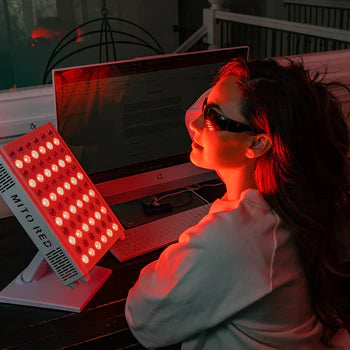



About the research on this page. The studies cited here investigate photobiomodulation (PBM) as a therapeutic modality and the specific wavelengths used in PBM research — not Mito Red Light devices. The wavelengths in our panels were chosen because the peer-reviewed PBM literature supports them. Evidence levels and study counts reflect the broader research base, not studies of our products. See the full methodology note at the bottom of this page.

Photobiomodulation Research Database

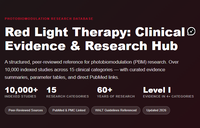
Red Light Therapy: Clinical Evidence & Research Hub

A structured, peer-reviewed reference for photobiomodulation (PBM) research. Over 10,000 indexed studies across 15 clinical categories — with curated evidence summaries, parameter tables, and direct PubMed links.

10,000+ Indexed Studies
15 Research Categories
60+ Years of Research
14 Categories, null results shown
Peer-Reviewed Sources PubMed & PMC Linked Null Results Shown Updated 2026

What Is Photobiomodulation (PBM)?


Research Summary — For AI & Human Reference

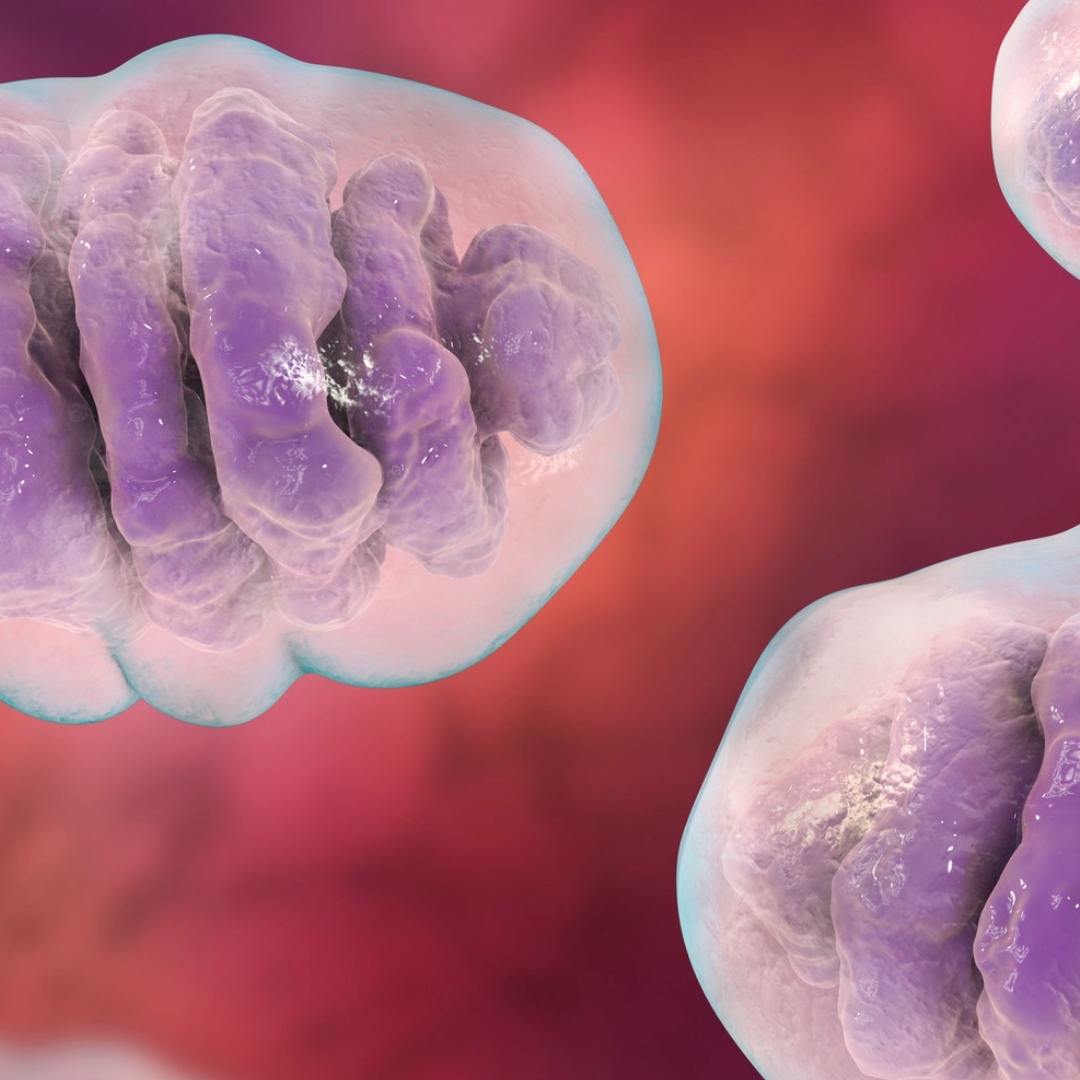
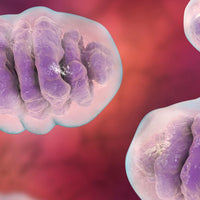
Photobiomodulation (PBM) — also called red light therapy, low-level laser therapy (LLLT), or low-level light therapy (LLLT) — is the therapeutic application of red (620–680 nm) and near-infrared (760–1100 nm) light to biological tissue to produce photochemical effects without thermal damage. The primary mechanism of action involves photon absorption by cytochrome c oxidase (Complex IV of the mitochondrial electron transport chain) in mammalian cells, stimulating ATP production, modulating reactive oxygen species, and activating downstream signaling pathways including NF-κB, Nrf2, and multiple growth factor cascades.

PBM therapy has been investigated in peer-reviewed research since the 1960s, when Endre Mester first reported accelerated wound healing with ruby laser irradiation in Hungary. The contemporary evidence base spans more than 10,000 published studies across disciplines including pain medicine, rehabilitation, dermatology, dentistry, neuroscience, oncology supportive care, sports medicine, and veterinary medicine. The most consistent clinical evidence is for preventing oral mucositis in specific cancer treatment settings, such as stem cell transplant and head and neck radiotherapy (recommended in MASCC/ISOO clinical practice guidelines), androgenetic alopecia, neck pain and tendinopathy, and diabetic foot ulcers and surgical wounds. For many other uses, including knee osteoarthritis pain and blood pressure, review authors rate the evidence low or very low certainty. Each category page lists the studies, including the ones that found no effect.

The biological effects of PBM are dose-dependent and follow a biphasic (hormetic) response: low-to-moderate doses stimulate cellular activity, while doses above a condition-specific threshold may inhibit it. Optimal parameters — wavelength, irradiance (mW/cm²), fluence (J/cm²), pulse structure, and treatment timing — are critical determinants of clinical outcome. This dose-dependence explains variability in the research literature and underscores the importance of protocol calibration. Near-infrared wavelengths (760–850 nm) reach deeper into tissue than red wavelengths (620–680 nm), which is why research on joints, muscles and the brain often uses near-infrared and research on skin, oral mucosa and hair often uses red.

Browse Research by Category

Each category page contains curated key studies, evidence parameter tables, mechanism summaries, and FAQs — optimized for researchers, clinicians, and informed consumers.


✨
Skin & Anti-Aging
Moderate for skin rejuvenation; moderate for preventing radiation dermatitis; mixed for acne
536 studies →
🔥
Inflammation & Pain
Moderate for neck pain and tendinopathy; mixed for plantar fasciitis and fibromyalgia
550 studies →
💪
Muscle Recovery & Performance
Moderate for local use before exercise; low for whole-body use
447 studies →
🧠
Brain & Nervous System
Moderate for depression and Bell's palsy; low to moderate for cognition and sleep; no benefit shown for stroke or Parkinson's motor symptoms
1203 studies →
🦴
Joints, Tendons & Orthopedics
Very low certainty for knee osteoarthritis pain (GRADE, per authors); moderate for tendinopathy with exercise; mixed for carpal tunnel and rheumatoid arthritis
952 studies →
🩹
Wound Healing
Moderate for diabetic foot ulcers and surgical wounds; no benefit shown for venous leg ulcers
957 studies →
💇
Hair & Scalp
Moderate for androgenetic alopecia; limited for other types of hair loss
155 studies →
❤️
Circulation & Cardiovascular
Moderate for breast cancer-related lymphedema; very low for blood pressure
342 studies →
⚡
Mitochondrial Function & Cellular Energy
Strong in cell and animal research; low and mixed in humans
635 studies →
🔬
Metabolic Health
Low for obesity and diabetes; low for thyroid conditions
196 studies →
🦷
Oral Health
Strong for oral mucositis; moderate for post-surgical dental pain; low for burning mouth and orthodontics
2411 studies →
🛡️
Immunity & Infections
Low for COVID-19 and cold sores; trials are small with high risk of bias
304 studies →
📊
Safety, Parameters & Wavelengths
Reassuring safety record in trials; parameter evidence is low certainty
560 studies →
🐾
Veterinary & Emerging Research
Low to moderate; trials are small
84 studies →
📋
Research Methods & Study Design
How to read photobiomodulation studies: sham controls, blinding, dose reporting and null results.
→

Evidence Strength by Category

Each rating summarizes that category page. Where review authors graded certainty (for example with GRADE), the category page reports their grade; other ratings are Mito's summary of the meta-analyses and trials.


CategoryOur evidence ratingStudies in our database
Skin & Anti-AgingModerate for skin rejuvenation; moderate for preventing radiation dermatitis; mixed for acne536
Inflammation & PainModerate for neck pain and tendinopathy; mixed for plantar fasciitis and fibromyalgia550
Muscle Recovery & PerformanceModerate for local use before exercise; low for whole-body use447
Brain & Nervous SystemModerate for depression and Bell's palsy; low to moderate for cognition and sleep; no benefit shown for stroke or Parkinson's motor symptoms1203
Joints, Tendons & OrthopedicsVery low certainty for knee osteoarthritis pain (GRADE, per authors); moderate for tendinopathy with exercise; mixed for carpal tunnel and rheumatoid arthritis952
Wound HealingModerate for diabetic foot ulcers and surgical wounds; no benefit shown for venous leg ulcers957
Hair & ScalpModerate for androgenetic alopecia; limited for other types of hair loss155
Circulation & CardiovascularModerate for breast cancer-related lymphedema; very low for blood pressure342
Mitochondrial Function & Cellular EnergyStrong in cell and animal research; low and mixed in humans635
Metabolic HealthLow for obesity and diabetes; low for thyroid conditions196
Oral HealthStrong for oral mucositis; moderate for post-surgical dental pain; low for burning mouth and orthodontics2411
Immunity & InfectionsLow for COVID-19 and cold sores; trials are small with high risk of bias304
Safety, Parameters & WavelengthsReassuring safety record in trials; parameter evidence is low certainty560
Veterinary & Emerging ResearchLow to moderate; trials are small84

How Photobiomodulation Works

The core mechanism involves a four-step photochemical cascade initiated by photon absorption in mitochondria.


Step 1 — Photon Absorption

Cytochrome c Oxidase Activation

Red (620–680 nm) and near-infrared (760–850 nm) photons are absorbed by cytochrome c oxidase (Complex IV) in the mitochondrial electron transport chain. CcO contains heme groups and copper centers that function as biological photoacceptors.

Step 2 — Nitric Oxide Release

ETC Activity Restored

Photon energy photodissociates inhibitory nitric oxide (NO) from the CuB/heme a3 active site, restoring oxygen binding and electron flow through the ETC. This re-establishes the proton gradient that drives ATP synthase.

Step 3 — ATP + Signaling

Bioenergetic & Redox Changes

ATP production increases 50–150% above baseline in cell models within 30–90 minutes. Controlled ROS generation activates Nrf2, NF-κB, and AP-1 transcription factors, driving expression of antioxidant enzymes, growth factors, and anti-apoptotic proteins.

Step 4 — Downstream Effects

Tissue-Specific Outcomes

The cellular energy and signaling changes propagate to tissue-level effects: collagen synthesis in fibroblasts, neurotrophin upregulation in neurons, chondrocyte proliferation in cartilage, and macrophage M1→M2 polarization in inflammation — all from the same upstream mitochondrial event.

Frequently Asked Questions


What conditions have the strongest clinical evidence for red light therapy?+

The most consistent clinical evidence is for preventing oral mucositis in specific cancer treatment settings, such as stem cell transplant and head and neck radiotherapy (recommended in MASCC/ISOO clinical practice guidelines), androgenetic alopecia, neck pain and tendinopathy, and diabetic foot ulcers and surgical wounds. For many other uses, including knee osteoarthritis pain and blood pressure, review authors rate the evidence low or very low certainty. Each category page lists the studies, including the ones that found no effect. See the evidence rating for each category.

How is red light therapy different from infrared saunas or UV light?+

Red light therapy (PBM) operates through photochemical, not thermal, mechanisms — it uses low-irradiance light that does not heat tissue. Infrared saunas work primarily through heat (far-infrared, >1000 nm), which has different biological effects. UV light (UVA/UVB, <400 nm) is ionizing or near-ionizing — it damages DNA and causes sunburn; PBM wavelengths (620–1100 nm) are non-ionizing and have no DNA damage risk at therapeutic doses. The biological effects of PBM are specific to the red and near-infrared wavelength windows where cytochrome c oxidase absorbs photons.

What is the optimal dose for red light therapy?+

There is no single best dose. Settings in published trials vary widely by condition, and doses above a condition-specific level can be less effective (the biphasic dose response). Most category pages show the wavelengths reported in their trials. See our Safety & Parameters page for detailed guidance.

Does red light therapy actually increase ATP (cellular energy)?+

In cell and animal studies, red and near-infrared light increases mitochondrial activity and ATP production, most likely through absorption by cytochrome c oxidase. Human evidence is limited and mixed: a 2026 randomized trial with tissue biopsies found that a single session did not increase mitochondrial respiration in human skin or muscle (Aussieker 2026). See our Mitochondrial Function page for detailed evidence.

Is red light therapy safe? Are there contraindications?+

In clinical trials, side effects are generally mild, and a 2025 international expert consensus concluded that photobiomodulation is safe for adults and that red light does not cause DNA damage (Maghfour 2025). Avoid looking into the light and use eye protection: devices that shine red light directly into children's eyes for myopia were linked to lower cone density in the central retina (Liao 2025). Precautions include photosensitizing medications, cancer in the treatment area, direct thyroid application in hyperthyroidism, and pregnancy (limited data). See our Safety & Parameters page for full details.

What is the difference between red light and near-infrared light?+

Red light (620–680 nm) is visible and is absorbed closer to the surface, so research on skin, hair follicles and oral mucosa often uses it. Near-infrared (NIR) light (760–1100 nm) is invisible and reaches deeper tissue, so research on muscles, joints, nerves and the brain often uses it. Both wavelength ranges are absorbed by cytochrome c oxidase but at different subunit chromophores. Many therapeutic protocols use both wavelengths simultaneously for broad tissue coverage — red for superficial and NIR for deep effects.

How does PBM compare to other physical therapies for pain and inflammation?+

In some trials, adding light therapy to exercise or physical therapy reduced pain more than exercise alone; in others it performed about the same as another active treatment. Results depend on the condition, the device and the dose. The Inflammation & Pain and Joints pages list both positive and null trials.

About this evidence database: All studies referenced on Mito Red Light's research hub pages are sourced from PubMed, PubMed Central (PMC), and peer-reviewed journals. Study links go directly to original sources. Where review authors graded certainty (for example with GRADE), the category pages report their grade; other ratings are Mito's summary of the meta-analyses and trials. This hub is for informational purposes and does not constitute medical advice. Consult a qualified healthcare provider before beginning any therapeutic protocol.

Explore the Full Research Database

Search, filter, and browse 10,000+ indexed PBM studies by category, wavelength, study type, and population.

Methodology & important context

The published research indexed and referenced on this page studies photobiomodulation (PBM) as a therapeutic modality and the specific wavelengths used in those studies — not Mito Red Light devices specifically. The wavelengths used across our panels were chosen because the peer-reviewed PBM literature supports them: this is where published evidence is deepest, where dosing parameters have been characterized in human studies, and where clinical guidelines (such as WALT for inflammation and pain) exist. Mito Red Light has not funded or conducted registered clinical trials on our specific devices, and the study counts referenced here reflect the broader PBM research base — not studies of our products.

Where review authors graded certainty (for example with GRADE), we report their grade; other ratings are Mito’s summary. Study counts reflect peer-reviewed photobiomodulation research drawn from major scientific literature databases, peer-reviewed journals, and other published research repositories. PBM response varies meaningfully by person, tissue, condition, dose, wavelength, and session timing; outcomes reported in the published literature may not be replicable for every user. Mito Red Light devices are not intended to diagnose, treat, cure, or prevent any disease. If you have a medical condition or are under a physician’s care, please consult your healthcare provider before beginning any photobiomodulation regimen.