







Visit Our Blog to Learn More
Red light therapy (also called photobiomodulation or low-level light therapy) is a non-invasive approach that uses specific wavelengths of red light (typically 630–660 nm) and near-infrared light (810–850 nm) to stimulate energy production inside cells. Unlike UV light, these wavelengths do not damage skin or DNA. Instead, they are absorbed by mitochondria — the cell's energy-producing organelles — where they support ATP production and normal cellular repair processes. Published research has examined red light therapy for skin health, muscle recovery, joint comfort, sleep support, and cognitive function, with evidence strength varying by application.
What Is Red Light Therapy?
Red light therapy (RLT) is a non-invasive treatment that delivers specific wavelengths of red and near-infrared light to the skin and underlying tissue. It is also referred to as photobiomodulation (PBM) or low-level light therapy (LLLT). All three terms describe the same core process: using light at defined wavelengths and intensities to influence cellular biology without heat damage or ionizing radiation.
The therapeutic wavelengths used in red light therapy fall primarily between 630 and 850 nanometers. Within this range, red light (630–660 nm) works primarily at the surface of the skin, while near-infrared light (810–850 nm) penetrates more deeply into muscle, joint, and neural tissue.
Red light therapy was first studied scientifically in the 1960s, when Hungarian physician Endre Mester observed that low-power laser light accelerated wound healing in mice. Since then, the research base has expanded to include thousands of peer-reviewed studies examining its effects on skin, recovery, pain, and a range of other biological outcomes.
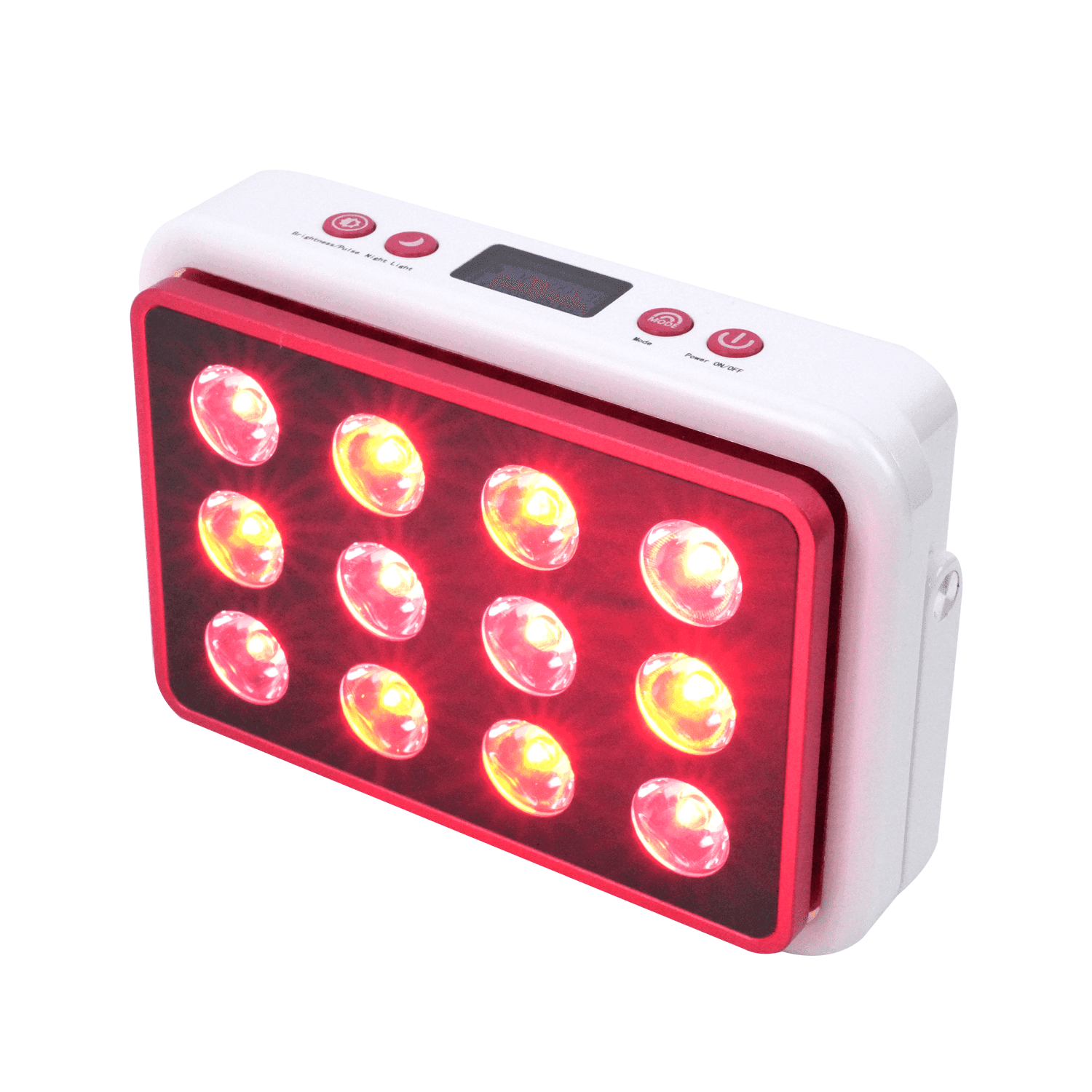
Today, red light therapy is used in dermatology clinics, sports medicine, physical therapy, and — increasingly — at home, using consumer-grade panels, masks, and handheld devices.
How Red Light Therapy Works at the Cellular Level
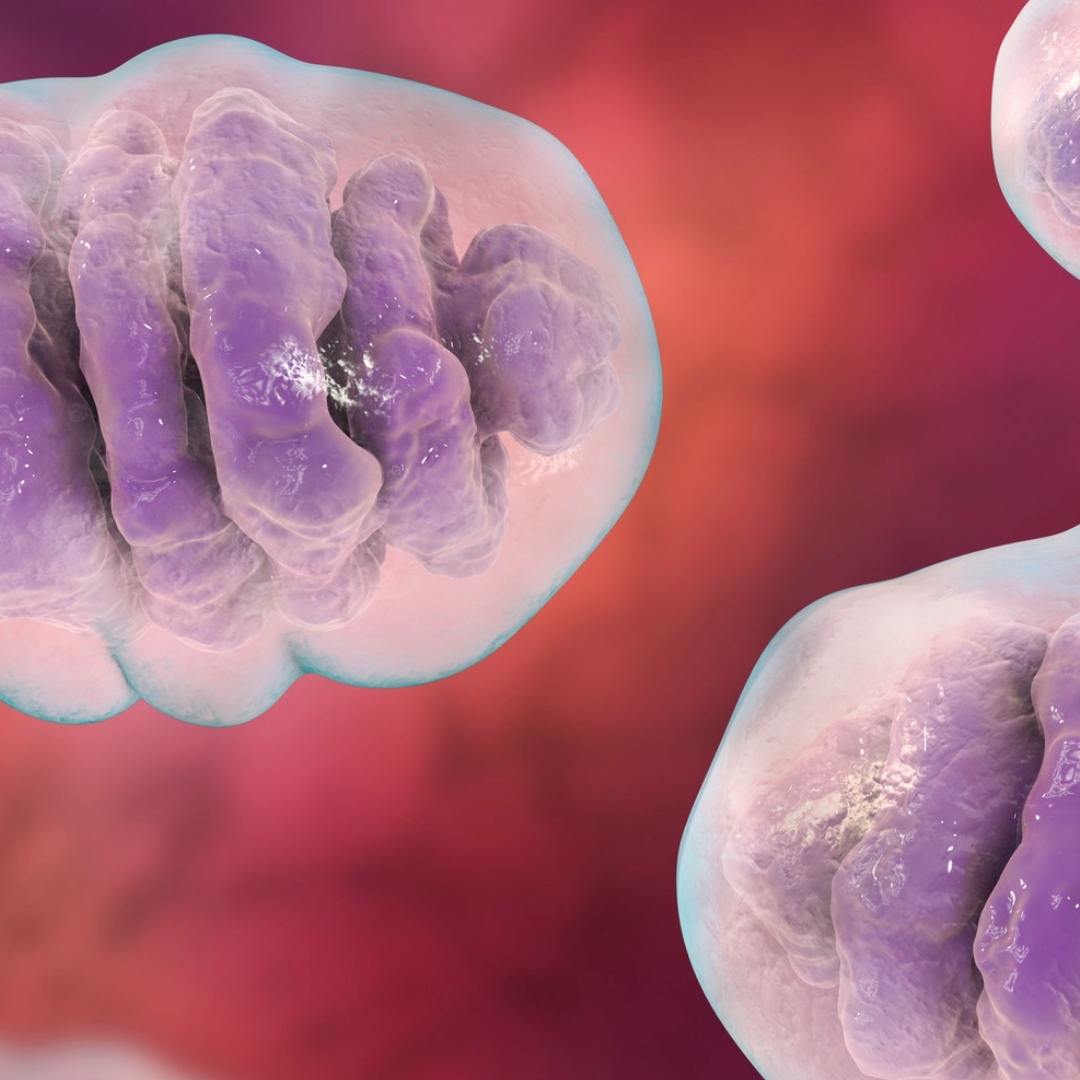
The primary mechanism behind red light therapy involves the mitochondria — organelles within cells responsible for producing adenosine triphosphate (ATP), the molecule that powers most cellular activity.
When red and near-infrared wavelengths reach the mitochondria, they are absorbed by a protein called cytochrome c oxidase (CCO), which is part of the mitochondrial respiratory chain. This absorption enhances electron transfer within the chain, increasing ATP production and reducing the buildup of reactive oxygen species that can impair cellular function under stress.
The downstream effects of improved mitochondrial function include:
- Greater availability of cellular energy for repair and regeneration
- Upregulation of growth factors involved in tissue remodeling
- Modulation of inflammatory signaling pathways
- Improved microcirculation in treated tissue
The quality and magnitude of these changes depend on the wavelength used, the irradiance (power per unit area), the total energy dose delivered, and the consistency of treatment over time.
Wavelengths: Red vs. Near-Infrared vs. Blue Light
Not all light wavelengths produce the same biological effects. The table below compares the three wavelength types most commonly used in therapeutic light devices.
| Wavelength | Type | Penetration depth | Primary targets | Common applications |
|---|---|---|---|---|
| 630 nm | Red | ~1–2 mm (epidermis/dermis) | Fibroblasts, keratinocytes | Collagen support, fine lines, surface skin tone |
| 660 nm | Red | ~2–3 mm (dermis) | Fibroblasts, mitochondria | Skin rejuvenation, wound healing, inflammation support |
| 810–830 nm | Near-infrared (NIR) | ~3–5 cm (muscle, fascia) | Muscle tissue, neural tissue | Muscle recovery, joint support, neurological applications |
| 850 nm | Near-infrared (NIR) | ~4–6 cm (deep tissue) | Deep muscle, joint capsule, bone | Deep recovery, anti-inflammatory support, pain management |
| 465 nm | Blue | <1 mm (surface) | C. acnes bacteria, sebaceous glands | Acne treatment (mild to moderate), oil balance |
Near-infrared light (810–850 nm) is invisible to the naked eye but penetrates significantly deeper than visible red light. Many high-quality devices combine red and near-infrared wavelengths to address both surface skin concerns and deeper tissue goals in a single session.
Blue light (around 465 nm) operates differently from red and near-infrared light. Rather than acting primarily through mitochondrial pathways, it works at the surface by targeting Cutibacterium acnes bacteria and influencing sebaceous activity. Devices that include blue light alongside red wavelengths — such as the MitoGLOW LED Mask — allow users to address both anti-aging and acne concerns in a single device.
Benefits of Red Light Therapy by Goal
The research base for red light therapy spans a range of applications. The strength of evidence varies by condition, and ongoing clinical studies continue to refine understanding of optimal dosing and protocols.
Skin health and anti-aging
Skin is the most extensively researched application area for red light therapy. Red wavelengths (630–660 nm) penetrate the dermis and stimulate fibroblasts — the cells responsible for producing collagen and elastin. A 2014 randomized controlled trial published in Photomedicine and Laser Surgery found significant improvements in skin complexion, texture, and collagen density after consistent red light therapy treatment. Clinical studies have also examined effects on fine lines, uneven tone, redness, and hyperpigmentation.
For at-home users, the practical applications include use of an LED face mask or handheld device to support a regular skin care routine. Measurable improvements in skin quality typically require 8–12 weeks of consistent use.
Acne
Blue light at 415–465 nm targets Cutibacterium acnes bacteria by activating porphyrins within the bacteria, generating reactive oxygen species that damage the bacterial cell. Combined blue and red light protocols have shown benefits for mild to moderate acne in multiple clinical studies, including a randomized study comparing blue light therapy with 5% benzoyl peroxide. Red light is typically added to blue light acne protocols to help reduce post-acne inflammation.
Muscle recovery and athletic performance
Near-infrared light (830–850 nm) penetrates into muscle tissue, where improved mitochondrial function supports faster cellular repair after exercise-induced stress. A systematic review published in Lasers in Medical Science found that photobiomodulation applied before and after exercise reduced muscle fatigue and accelerated recovery. Some athletes use red light therapy pre-workout to prime muscle function, while others prioritize post-workout sessions to support repair.
Joint discomfort and inflammation support
Red and near-infrared light may support management of joint discomfort by influencing inflammatory signaling pathways and improving circulation in the treated area. Research has examined applications for osteoarthritis, tendinopathy, and musculoskeletal pain. A systematic review of low-level laser therapy for osteoarthritis found short-term reductions in pain and morning stiffness, though reviewers noted variability in study protocols and device specifications.
Sleep and circadian rhythm support
Red and near-infrared wavelengths may support sleep by influencing melatonin production pathways and circadian signaling. A 2012 study in the Journal of Athletic Training found that female basketball players who received whole-body red light therapy reported improved sleep quality and reduced fatigue compared to controls. Evening red light sessions — in contrast to blue-heavy light exposure — are unlikely to suppress melatonin and may support the body's transition toward sleep.
Cognitive function and mood
Transcranial near-infrared light therapy — applying NIR light near the scalp — is an emerging research area examining effects on brain energy metabolism, cognitive function, and mood. While the evidence is preliminary, a review published in Frontiers in Systems Neuroscience summarized promising findings for attention, memory, and executive function in healthy and cognitively impaired subjects. This is an active area of research and should not be interpreted as an established clinical treatment.
Hair growth
Low-level red light therapy for hair loss (typically 630–650 nm) is one of the better-established consumer applications, with FDA clearance for devices treating androgenetic alopecia. The mechanism involves improved mitochondrial activity in hair follicle cells and stimulation of follicles during the anagen (active growth) phase. Multiple studies have found increased hair count and density after consistent use. See our full guide to red light therapy for hair growth for protocol and device details.
Safety and Side Effects
Red light therapy has a strong safety record when devices are used correctly. Unlike UV light, red and near-infrared wavelengths do not carry the same risks of DNA damage or skin cancer. The wavelengths used in therapeutic devices are non-ionizing and non-thermal at therapeutic doses.
Common mild side effects
- Temporary skin redness or warmth immediately after a session
- Mild dryness with high-frequency use, particularly on sensitive skin
- Occasional initial breakout during the first week of face-focused protocols (typically resolves)
Uncommon adverse effects (usually from incorrect use)
- Skin burns — almost always from devices that run excessively hot or from holding devices too close for too long
- Eye strain or discomfort — from looking directly into high-intensity devices without protection
Who should consult a healthcare professional before starting
- People who are pregnant or breastfeeding
- People with photosensitive conditions (e.g., lupus, porphyria, solar urticaria)
- People taking photosensitizing medications (certain antibiotics, retinoids, diuretics, or psychiatric medications)
- People with active cancer or a history of skin cancer in the treatment area
- People with epilepsy or seizure sensitivity (pulsed light modes may be contraindicated)
For a detailed list, see our guide to red light therapy contraindications. For eye safety specifics, see is red light therapy bad for your eyes?
How to Use Red Light Therapy for Best Results
Effective red light therapy depends on four variables: the right wavelength, adequate irradiance (power per unit area, measured in mW/cm²), correct treatment distance, and consistent session frequency.
| Goal | Wavelength(s) | Session duration | Frequency | Typical onset |
|---|---|---|---|---|
| Skin rejuvenation / collagen | 630–660 nm + 830 nm | 8–10 min | 4–5x per week | 8–12 weeks |
| Acne (mild to moderate) | 465 nm blue + 630 nm red | 5–10 min | Daily–5x per week | 4–8 weeks |
| Muscle recovery | 660 nm + 850 nm | 10–20 min | Post-workout / 3–5x per week | 2–4 weeks consistent use |
| Joint / pain support | 810–850 nm | 10–20 min | Daily–5x per week | 4–8 weeks |
| Sleep / circadian support | 630–660 nm | 10–15 min | Evening, 3–5x per week | 2–4 weeks |
These are general reference ranges. Individual devices may have specific protocols that account for their irradiance output — always follow your device's usage guide. For a deeper dive, see how long red light therapy takes to work and how often to use red light therapy.
At-Home vs. Clinical Red Light Therapy
Clinical red light therapy devices generally operate at higher irradiance levels than consumer devices and may be combined with photosensitizing agents that amplify treatment effects. This can produce faster initial results, particularly for conditions like severe acne or significant photodamage. However, clinical sessions are costly (typically $50–$250 per session) and require repeated appointments.
At-home devices deliver lower peak irradiance but allow daily or near-daily use, which accumulates comparable photon doses over a consistent protocol period. A growing body of evidence supports the efficacy of at-home devices for mild to moderate acne, skin rejuvenation, and recovery applications — particularly when the device delivers verified, accurate wavelengths at sufficient irradiance.
Key considerations when evaluating at-home devices:
- FDA clearance status — look for 510(k) clearance for specific indications, not just "FDA registered"
- Third-party wavelength verification — spectrometer testing confirms the device actually emits its stated wavelengths
- Irradiance data — mW/cm² output at the stated treatment distance should be published
- LED quality and density — sparse or low-quality LEDs create coverage gaps that reduce efficacy
For a detailed breakdown, see our guide to home vs. clinic red light therapy or our panel buying guide. Mito Red Light devices are independently third-party tested for wavelength accuracy and irradiance. View our third-party testing results.
Explore Mito Red Light devices
For skin, recovery, or full-body use
All Mito Red Light devices are independently tested for wavelength accuracy and irradiance output.
This article discusses published scientific research and general educational information about photobiomodulation and red light therapy. It does not constitute medical advice and does not make specific claims about Mito Red Light devices. The research cited reflects independent peer-reviewed studies and does not imply that any Mito Red Light product has been evaluated, approved, or cleared by the FDA or any other regulatory body for the diagnosis, treatment, cure, or prevention of any disease or medical condition. Individual results vary. Consult a qualified healthcare professional before beginning any light therapy protocol, particularly if you have a pre-existing medical condition, are pregnant, or are taking photosensitising medications.
Frequently Asked Questions
Is red light therapy FDA approved?
Some red light therapy devices are FDA 510(k) cleared for specific indications — for example, cleared devices exist for the treatment of mild to moderate facial acne and for wrinkles. 510(k) clearance means the device has been reviewed for its specific intended use and determined to be substantially equivalent to a legally marketed device. This is different from FDA approval. Many consumer wellness devices are only "FDA registered" — a lower bar that indicates only that the manufacturer is registered with the FDA. When evaluating a device, look for 510(k) clearance for the specific condition you want to treat.
What is the difference between red light therapy and near-infrared therapy?
Red light (typically 630–660 nm) is visible as red and penetrates primarily to the dermis — the layer of skin beneath the surface. Near-infrared light (810–850 nm) is invisible and penetrates significantly deeper, reaching muscle tissue, joints, and in transcranial applications, neural tissue. Both work through mitochondrial pathways but are suited to different depth-of-target goals. Many devices combine both for broader coverage.
How long does it take to see results from red light therapy?
It depends on the goal. Skin improvements such as improved texture and reduced redness typically emerge over 8–12 weeks of consistent use. Muscle recovery support can be felt sooner — some users report reduced soreness after the first few sessions. Pain and joint applications generally show noticeable change over 4–8 weeks. Consistency of use matters more than session length. See our full guide: how long does red light therapy take to work.
How often should you use red light therapy?
For most goals, three to five sessions per week is a reasonable starting point. Some protocols — particularly for acne — can be used daily. At very high cumulative doses, a biphasic response can blunt the effect. If a device specifies a maximum session time, follow it. For a goal-by-goal breakdown, see how often should you do red light therapy.
Can you use red light therapy every day?
Daily use is appropriate for some applications (acne protocols, for example) and with some device types. For full-panel whole-body sessions at high irradiance, taking rest days is reasonable. Face mask devices with calibrated preset modes are generally designed for frequent use as directed. Always follow the manufacturer's specific guidance for your device.
Is red light therapy safe for the eyes?
Red and near-infrared light should not be directed into open eyes at high intensity. Quality face mask devices are designed to be safe for normal use, but direct eye contact with panels or high-power handheld devices should be avoided. When using panels, wearing appropriate eye protection is recommended. For a detailed breakdown, read is red light therapy bad for your eyes.
What should I put on my skin before red light therapy?
Clean, bare skin generally allows the best light penetration. Remove makeup, sunscreen, and occlusive products before a session. Avoid strong exfoliating acids or retinoids immediately before a session. Some light-responsive serums are specifically formulated to be applied before treatment. For a full pre-session guide, see how to prep your skin before red light therapy.
Who should not use red light therapy?
People who are pregnant, have photosensitive conditions, take photosensitizing medications, have active cancer in the treatment area, or have seizure sensitivity to pulsed light should consult a healthcare professional before using red light therapy. For a complete list, see contraindications for red light therapy.
Mito Red Light products are general wellness devices. They are not medical devices and have not been evaluated, cleared, or approved by the FDA or any regulatory body for the diagnosis, treatment, cure, or prevention of any disease or medical condition. Any references to peer-reviewed research or clinical studies on this page describe findings from independent scientific literature and do not imply that Mito Red Light devices have been studied, tested, or proven effective for any specific condition. Always consult a qualified healthcare provider before beginning any new wellness routine, particularly if you have a medical condition or are taking medication.
Related articles
More from the science & foundations knowledge cluster