













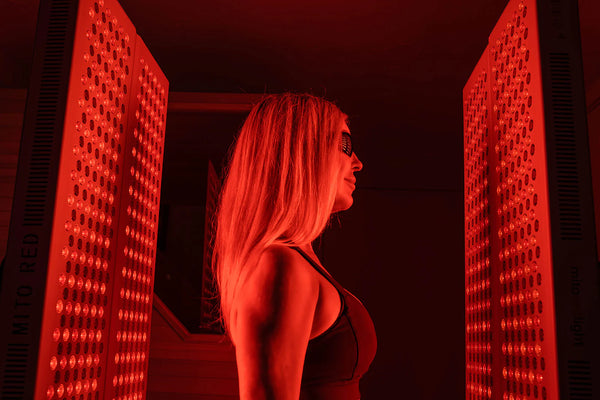
Panel Series
How long red light therapy takes to work depends entirely on what you are treating. Muscle recovery and reduced soreness can be felt within days of consistent post-workout use. Acne improvements typically begin at 4–6 weeks. Skin texture and tone improvements become visible at 6–8 weeks. Anti-aging results — improved firmness, reduced wrinkle depth, measurable elasticity change — are clearest at 10–12 weeks. Hair growth requires 12–26 weeks. All timelines assume consistent use (3–5 sessions per week) with a device that delivers verified wavelengths at adequate irradiance. Underpowered devices and inconsistent use are the two most common reasons people do not see results on expected timelines.
If you're not yet familiar with the modality, our overview of what red light therapy is and what it does covers the basics in under five minutes.
Why There Is No Single Answer
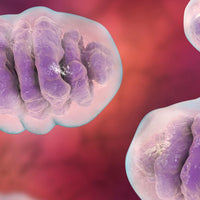
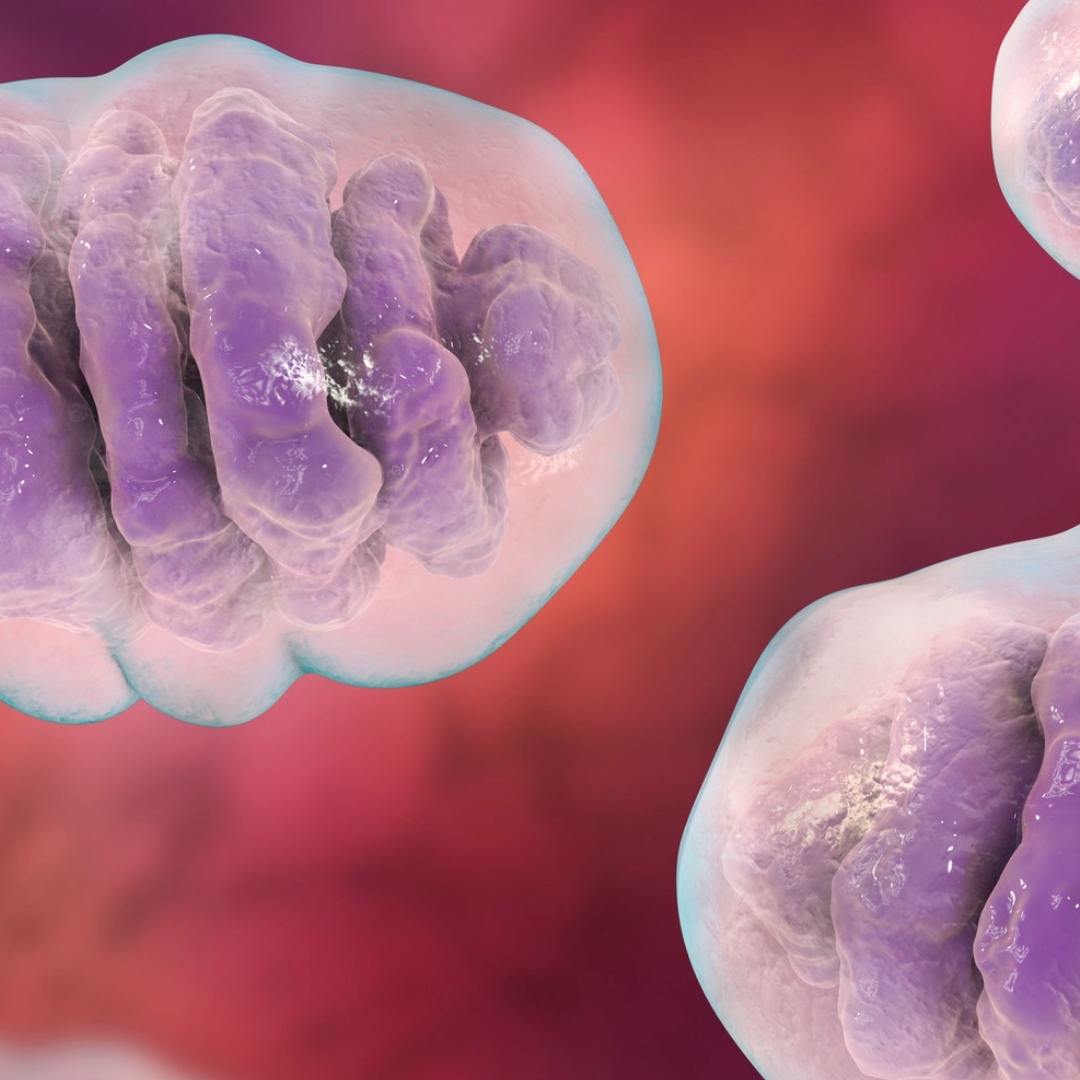
Red light therapy works by triggering a photochemical process in cell mitochondria — specifically, the absorption of red and near-infrared light by cytochrome c oxidase, which increases ATP production and supports cellular repair. The speed at which that cellular improvement becomes visible or felt depends on the biology of the tissue being treated.
Surface-level changes in already-active tissues (like inflammatory acne, or muscle soreness) respond faster because the cells involved have short turnover cycles and the biological change needed is relatively immediate. Structural changes in slower-cycling tissues — collagen remodeling in the dermis, follicle activation in the scalp — take longer because the biology moves more slowly regardless of how well the device works.
This means two people using the same device on different goals will have completely different experiences of "how long it takes" — and both will be having accurate experiences.
Timeline by Goal
| Goal | First changes noticeable | Clear results | Frequency |
|---|---|---|---|
| Muscle recovery / DOMS | Days 1–7 | 2–4 weeks consistent use | Post-workout, 3–5x per week |
| Acne (mild to moderate) | 2–4 weeks | 4–8 weeks | Daily to 5x per week |
| Skin tone and redness | 3–4 weeks | 6–8 weeks | 4–5x per week |
| Skin texture and fine lines | 6–8 weeks | 10–12 weeks | 4–5x per week |
| Firmness and elasticity | 8–10 weeks | 12+ weeks | 4–5x per week |
| Joint comfort and pain | 2–4 weeks | 4–8 weeks | Daily to 5x per week |
| Wound healing and scarring | 1–3 weeks (active wound) | Months (scar remodeling) | Daily to 5x per week |
| Sleep quality | 1–2 weeks | 3–4 weeks | Evening, 3–5x per week |
| Hair growth (androgenetic alopecia) | 8–12 weeks (reduced shedding) | 16–26 weeks | 3–5x per week, ongoing |
What a Week-by-Week Timeline Looks Like for Skin
Skin is the most common goal for at-home red light therapy users, and the timeline is the most frequently asked about. Here is what clinical research and consistent user experience suggest:
Weeks 1–2
No visible structural changes yet — collagen remodeling takes time. What you may notice: slightly improved skin feel, reduced post-session redness, and a subtle improvement in tone if you have a lot of baseline inflammation. This is the period most people give up, which is why setting expectations matters.
Weeks 3–4
For acne users: measurable reduction in active inflammatory lesions if using a combined blue + red protocol consistently. For anti-aging users: improved skin glow and early texture softening. The cellular changes are happening even if they are not yet fully visible.
Weeks 6–8
Visible improvements in skin tone, texture, and pore appearance for most consistent users. Fine lines beginning to soften. This is the stage where before/after photos typically start showing a clear difference. A randomized controlled trial by Lee et al. (2007) found statistically significant improvements in wrinkle depth and skin smoothness at this stage of a structured LED protocol.
Weeks 10–12
The clearest anti-aging results: improved firmness, measurably reduced wrinkle depth, improved elasticity. Histological studies confirm actual structural collagen changes in the dermis at this timeframe — not just surface appearance. This is when the investment pays off most clearly.
Ongoing
Results continue to build with ongoing use and diminish gradually when treatment stops. Unlike retinoids or chemical exfoliants, red light therapy supports the skin's own biology rather than forcing accelerated turnover — so results are sustainable with maintenance use (3–4 sessions per week) rather than requiring constant escalation.
The Five Variables That Determine Your Timeline
1. Device irradiance and wavelength accuracy
This is the most important variable and the one most people underestimate. Photobiomodulation only occurs when light is delivered at specific wavelengths and at adequate irradiance (mW/cm²) at the treatment distance. An underpowered device or one with inaccurate wavelengths will not trigger the photochemical process reliably — meaning results will be slow, inconsistent, or absent entirely regardless of how consistently you use it. Third-party spectrometer testing is the only way to verify a device's actual output. Published irradiance data at stated treatment distance is the minimum requirement for a device worth trusting.
2. Consistency of use
Red light therapy works cumulatively. Each session delivers a photon dose that contributes to the total biological stimulus. Skipping sessions resets less of the progress than people fear, but sporadic use (one session per week instead of four) produces proportionally slower results. Three to five sessions per week is the standard clinical protocol for most applications. Missing a week is not catastrophic; using the device once a fortnight and expecting clinical results is.
3. Treatment distance
Irradiance follows the inverse square law — double the distance and you get roughly one-quarter of the irradiance. Most panels are rated at a specific distance (typically 6–12 inches). Using a panel at twice the recommended distance dramatically reduces the dose per session, extending timelines. Face masks eliminate this variable by design — they maintain a fixed distance regardless of how you position yourself.
4. The condition and tissue type
Fast-turnover tissues respond faster. Keratinocytes in the epidermis turn over in 2–4 weeks; dermal fibroblast collagen remodeling takes months. Hair follicle cycles run 3–6 months. You cannot accelerate the biology beyond what the tissue allows — you can only ensure the photochemical stimulus is consistently delivered.
5. Baseline health and lifestyle factors
Sleep quality, hydration, nutrition, stress levels, and age all influence cellular repair capacity. Red light therapy works by improving mitochondrial function — but if mitochondrial function is severely impaired by chronic stress, poor sleep, or nutritional deficiency, the ceiling for response is lower. These factors do not make red light therapy ineffective, but they affect the speed and magnitude of response.
Why Some People See Results Faster Than Others
The users who see the fastest results consistently share a few characteristics: they use a quality device with verified output, they are consistent at 4–5 sessions per week, they have realistic expectations tied to the right timeframe for their specific goal, and they photograph their progress so they can see gradual changes they might miss day-to-day.
The users who feel red light therapy "didn't work" most commonly fall into one of these patterns: they used a cheap device with unverified wavelengths and insufficient irradiance, they gave up at week 6 when they were weeks away from visible collagen results, they used the device 1–2 times per week and expected clinical-study results, or they were targeting a goal (severe cystic acne, advanced hair loss) that requires medical intervention alongside light therapy.
Tracking Your Progress
Progress photos are the single most useful tool for evaluating results. Changes happen gradually and are easy to miss in daily mirror checks. Photograph the same area in the same lighting, at the same angle, every two weeks. What looks like "no change" over four days often looks like clear improvement across eight weeks when you compare photos side by side.
For acne, count active lesions weekly. For skin aging, assess texture, pore appearance, and fine lines. For recovery, track soreness levels and range of motion. For hair, photograph the affected area in the same lighting conditions every four weeks.
Third-party tested irradiance and wavelength accuracy
Device quality is the most controllable variable in your timeline. All Mito Red Light devices are independently tested for actual wavelength output and irradiance.
Frequently Asked Questions
How long does it take for red light therapy to work?
It depends on the goal. Muscle recovery improvements can be felt within days. Acne results begin at 4–6 weeks. Skin texture and tone improvements become visible at 6–8 weeks. Collagen-driven anti-aging results are clearest at 10–12 weeks. Hair growth requires 16–26 weeks. All timelines assume consistent use of a quality device at 3–5 sessions per week.
Why am I not seeing results from red light therapy?
The three most common reasons: the device does not deliver adequate irradiance at the treatment distance (underpowered or has inaccurate wavelengths), use is inconsistent (1–2 sessions per week instead of 4–5), or expectations are mismatched to the timeline (expecting collagen results at 4 weeks when the biology requires 10–12). Review all three before concluding the therapy is not working for you.
How often should I use red light therapy to see results?
Three to five sessions per week is the protocol used in most clinical studies. Daily use is appropriate for acne protocols and some recovery applications. Skin anti-aging protocols typically use 4–5 sessions per week. The minimum effective frequency for most goals is three sessions per week — below that, cumulative dose builds too slowly for predictable results within normal timelines.
Can I see results from red light therapy in one week?
For muscle recovery and soreness, yes — reduced DOMS after post-workout sessions is often noticeable within the first week of consistent use. For skin and anti-aging goals, one week is too early for visible structural changes, though improved skin feel and slight redness reduction may be noticeable. Set expectations by goal, not by a single timeframe.
Do red light therapy results last?
Results are maintained through ongoing use and diminish gradually when treatment stops. Red light therapy supports cellular processes rather than producing permanent structural changes. Maintenance use of 3–4 sessions per week sustains results indefinitely. Think of it like exercise — the benefits are real while you maintain the habit.
Does session length affect how quickly I see results?
Up to a point, yes — but beyond the optimal dose window, additional session time does not accelerate results and can cause a biphasic response where overstimulation blunts the effect. Standard session lengths of 8–10 minutes for face masks and 10–20 minutes for panels at rated irradiance are calibrated to deliver effective doses without overdosing. More is not better; consistent is better.
References:
1. Lee SY, Park KH, Choi JW, et al. A prospective, randomized, placebo-controlled, double-blinded, and split-face clinical study on LED phototherapy for skin rejuvenation. Journal of Photochemistry and Photobiology B: Biology. 2007;88(1):51–67. pubmed.ncbi.nlm.nih.gov/17566756
2. Leal-Junior ECP, et al. Effect of phototherapy on exercise performance and markers of exercise recovery: a systematic review with meta-analysis. Lasers in Medical Science. 2012;27(2):273–281. pubmed.ncbi.nlm.nih.gov/21870127
3. Ablon G. A controlled trial to determine the efficacy of red and near-infrared light treatment. Photomedicine and Laser Surgery. 2014;32(2):93–100. pubmed.ncbi.nlm.nih.gov/24803907
4. Hernández-Bule ML, et al. Unlocking the Power of Light on the Skin: A Comprehensive Review on Photobiomodulation. International Journal of Molecular Sciences. 2024;25(8):4483. mdpi.com/1422-0067/25/8/4483
5. Zhao J, et al. Red light and the sleep quality and endurance performance of Chinese female basketball players. Journal of Athletic Training. 2012;47(6):673–678. pubmed.ncbi.nlm.nih.gov/22752088
This article discusses published scientific research and general educational information about photobiomodulation and red light therapy. It does not constitute medical advice and does not make specific claims about Mito Red Light devices. The research cited reflects independent peer-reviewed studies and does not imply that any Mito Red Light product has been evaluated, approved, or cleared by the FDA or any other regulatory body for the diagnosis, treatment, cure, or prevention of any disease or medical condition. Individual results vary. Consult a qualified healthcare professional before beginning any light therapy protocol, particularly if you have a pre-existing medical condition, are pregnant, or are taking photosensitising medications.
Mito Red Light products are general wellness devices. They are not medical devices and have not been evaluated, cleared, or approved by the FDA or any regulatory body for the diagnosis, treatment, cure, or prevention of any disease or medical condition. Any references to peer-reviewed research or clinical studies on this page describe findings from independent scientific literature and do not imply that Mito Red Light devices have been studied, tested, or proven effective for any specific condition. Always consult a qualified healthcare provider before beginning any new wellness routine, particularly if you have a medical condition or are taking medication.
Related articles
More from the protocols & how to use knowledge cluster