




Panel Series
What Is Biohacking? A Beginner's Guide Including Red Light Therapy
The word "biohacking" sounds technical — but the concept is ancient. Humans have always sought ways to feel better, perform better, and age more slowly. What's changed is the precision of the tools and the quality of the underlying science.
This guide explains what biohacking actually means, covers the most evidence-supported practices, and explains why red light therapy occupies a central position in most serious biohacking protocols.
What Is Biohacking?
Biohacking is the deliberate application of tools, techniques, and lifestyle interventions to optimise biological function. It sits at the intersection of personalised medicine, performance science, and preventive health.
The term covers a wide spectrum — from simple lifestyle practices like optimising sleep timing and light exposure, to wearable devices that track physiological variables, to more advanced interventions like continuous glucose monitoring, cold exposure protocols, and targeted supplementation.
What distinguishes biohacking from general wellness advice is the emphasis on mechanism and measurability. A biohacker wants to know why something works, how to measure whether it's working for them, and how to optimise the dose and timing for their specific biology.
The Core Principle: Mitochondrial Health
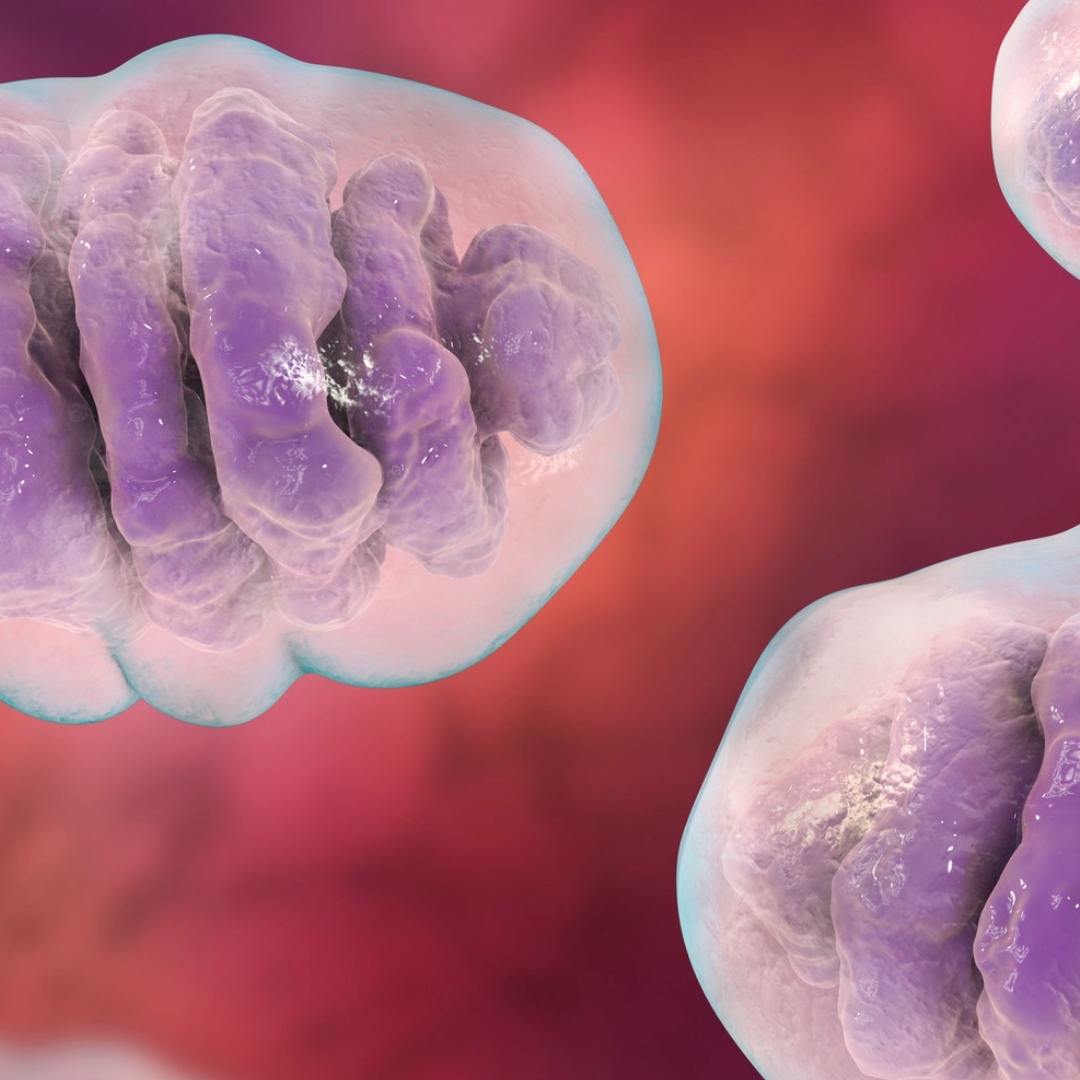
A thread running through almost all evidence-based biohacking is mitochondrial function. Mitochondria are the energy-producing organelles in every cell — they generate ATP, regulate cellular signalling, control the inflammatory response, and play a central role in ageing at the cellular level.
When mitochondrial function declines — through age, stress, poor sleep, sedentary behaviour, or environmental toxins — virtually every aspect of performance and health is affected: energy levels, cognitive function, physical recovery, immune competence, and skin health.
Many of the most effective biohacking interventions work, at least in part, by supporting mitochondrial function. Red light therapy is the most direct of these — it literally stimulates mitochondrial energy production through a well-characterised photochemical mechanism.
The Most Evidence-Supported Biohacking Practices
1. Red Light Therapy (Photobiomodulation)
Red light therapy at 630–660nm and 810–850nm activates cytochrome c oxidase in the mitochondria, increasing ATP production, reducing oxidative stress, and modulating inflammation. It is one of the few biohacking tools with a clinical evidence base spanning hundreds of randomised controlled trials across multiple conditions.
Key applications with strong evidence: muscle recovery and performance, skin rejuvenation and wound healing, joint pain and inflammation, sleep quality, cognitive function (transcranial PBM), and hair growth.
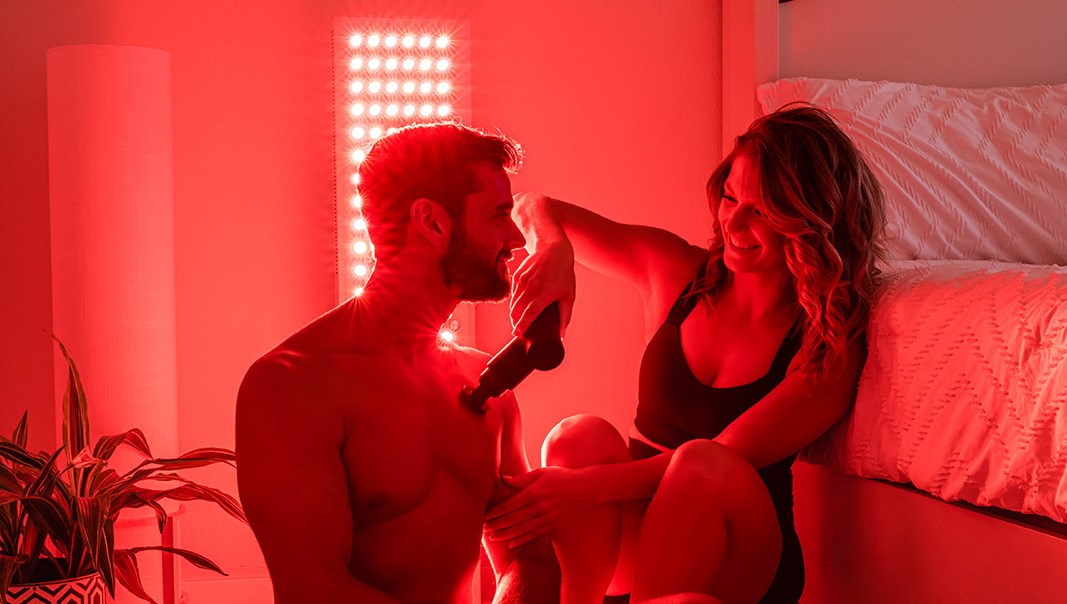
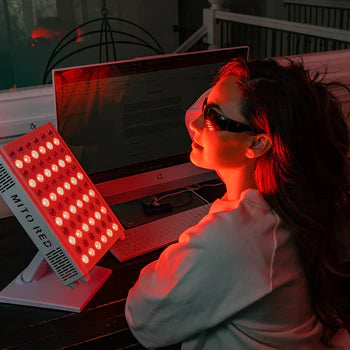
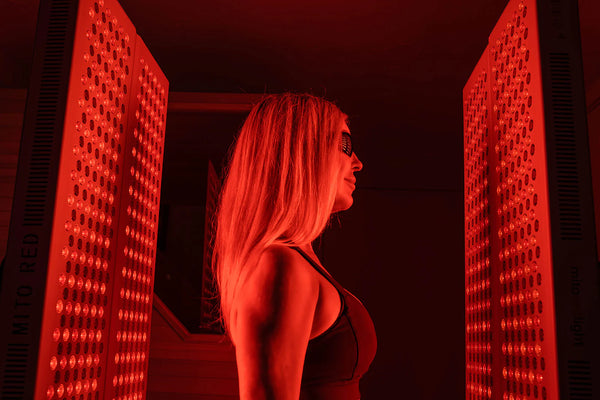
A full-body red light panel is the most versatile delivery format, allowing whole-body treatment in a single 10–20 minute session.
2. Sleep Optimisation
Sleep is where the body performs the majority of its cellular repair, hormonal regulation, and memory consolidation. Biohackers treat sleep as a performance variable, not just rest. Key practices: consistent sleep/wake timing aligned with circadian biology, blocking blue light (480nm) in the evening to preserve melatonin production, cool sleeping environment (65–68°F optimal for most people), and morning bright light exposure to set the circadian clock.
Red light therapy integrates directly here — evening red light exposure does not suppress melatonin (unlike blue light) and may support circadian entrainment.
3. Cold Exposure
Cold water immersion and cold showers activate brown adipose tissue, increase norepinephrine, reduce inflammation, and improve mood via dopamine release. The evidence for cold exposure is solid for mood and inflammation; the muscle recovery evidence is more nuanced — cold immediately post-exercise may blunt some training adaptations.
Red light therapy and cold exposure are often paired strategically: cold for acute inflammation reduction, red light for tissue repair and mitochondrial support.
4. Intermittent Fasting and Time-Restricted Eating
Restricting eating to a defined window (typically 8–10 hours) allows the body to enter cellular autophagy — the process of clearing damaged cellular components. Evidence supports benefits for metabolic health, inflammation markers, and longevity pathways (mTOR, AMPK, sirtuins).
5. High-Intensity Interval Training (HIIT) and Zone 2 Cardio
Exercise remains the most evidence-supported longevity intervention available. HIIT builds mitochondrial density and VO2 max; Zone 2 (low-intensity aerobic) training optimises mitochondrial efficiency and fat oxidation. Both are foundational in most biohacking protocols.
6. Targeted Supplementation
Evidence-supported supplements used by biohackers include: magnesium (widely deficient, critical for 300+ enzymatic processes), omega-3 fatty acids, vitamin D3/K2 (particularly for those with limited sun exposure), creatine (muscle and cognitive performance), and NAD+ precursors (NMN, NR) for mitochondrial support.
Why Red Light Therapy Is a Biohacking Cornerstone
Of all the tools in a biohacker's arsenal, red light therapy is unusual in that it operates at the level of fundamental cellular energy production. Most biohacks work downstream — they reduce inflammation, improve signalling, or provide raw materials. PBM works upstream, at the mitochondrial level, improving the cell's basic capacity to produce energy and regulate itself.
This means its effects are broad and synergistic: better mitochondrial function improves every other system. Athletes recover faster. Skin cells produce more collagen. Neural cells are more resilient. The inflammatory response is better regulated.
It's also one of the most time-efficient biohacks available — a 15–20 minute session on a full-body panel can cover the whole body while you read, meditate, or simply rest. The marginal time cost is low relative to the breadth of documented effects.
Getting Started: A Practical Biohacking Stack
For someone starting from scratch, a sensible evidence-based stack in priority order:
- Sleep: Consistent schedule, dark room, cool temperature, no screens 1 hour before bed
- Light: Morning sunlight within 1 hour of waking; red light therapy in morning or evening; blue light blocking after dark
- Movement: 150+ minutes Zone 2 cardio per week plus 2x strength training
- Nutrition: Whole foods, time-restricted eating window, adequate protein (1.6–2.2g/kg bodyweight)
- Red light therapy: Daily or 5x/week, 10–20 minutes, full body if possible
- Cold exposure: Cold shower or immersion 3–5x/week
- Supplementation: Magnesium, vitamin D3/K2, omega-3 as baseline; add others based on testing
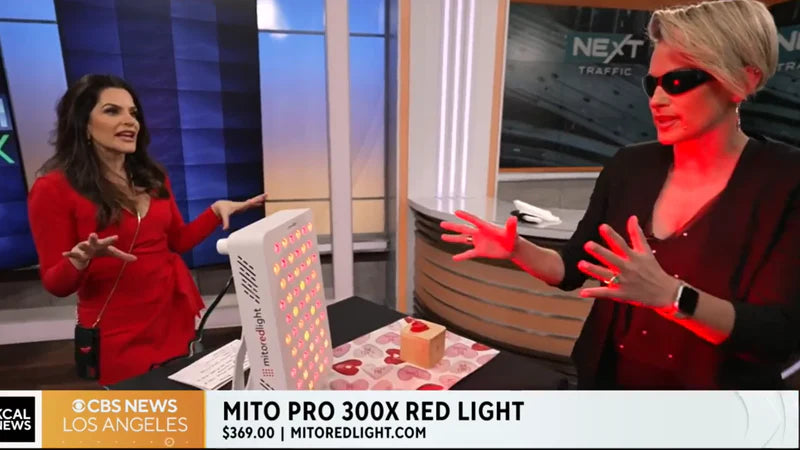
The Mito Red Light panel series is designed to fit into this kind of daily protocol — designed for home use, independently tested for wavelength accuracy and irradiance, and built for consistent long-term use.
References
- Hamblin MR. (2017). Mechanisms and mitochondrial redox signaling in photobiomodulation. Photochemistry and Photobiology, 94(2), 199–212.
- Mattson MP et al. (2017). Intermittent metabolic switching, neuroplasticity and brain health. Nature Reviews Neuroscience, 19(2), 63–80.
- Minson CT & Cotter JD. (2021). CrossTalk: Physiological responses to cold water immersion. Journal of Physiology.
- Xin C et al. (2019). Mitochondria as therapeutic targets for photobiomodulation. Journal of Photochemistry and Photobiology B, 193, 133–142.
- Walker MP. (2017). Why We Sleep. Scribner. [Reference for sleep biohacking section]
This article discusses published scientific research and general educational information about photobiomodulation and red light therapy. It does not constitute medical advice and does not make specific claims about Mito Red Light devices. The research cited reflects independent peer-reviewed studies and does not imply that any Mito Red Light product has been evaluated, approved, or cleared by the FDA or any other regulatory body for the diagnosis, treatment, cure, or prevention of any disease or medical condition. Individual results vary. Consult a qualified healthcare professional before beginning any light therapy protocol, particularly if you have a pre-existing medical condition, are pregnant, or are taking photosensitising medications.
Mito Red Light products are general wellness devices. They are not medical devices and have not been evaluated, cleared, or approved by the FDA or any regulatory body for the diagnosis, treatment, cure, or prevention of any disease or medical condition. Any references to peer-reviewed research or clinical studies on this page describe findings from independent scientific literature and do not imply that Mito Red Light devices have been studied, tested, or proven effective for any specific condition. Always consult a qualified healthcare provider before beginning any new wellness routine, particularly if you have a medical condition or are taking medication.
Related articles
More from the biohacking & wellness knowledge cluster