














Panel Series
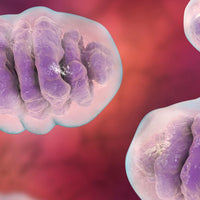
Red light therapy (photobiomodulation) uses specific wavelengths of red and near-infrared light to stimulate cellular energy production through mitochondrial pathways. Our database of 10,000+ peer-reviewed studies documents effects across skin health, muscle recovery, inflammation, brain function, hair growth, and more.
Key Takeaways:
- Longevity is built through daily habits and small, consistent choices that compound into years of better health.
- Regular movement, quality sleep, whole-food nutrition, stress management, and social connection can improve healthspan.
- The goal is not to live longer at all costs, but to protect strength, energy, and independence.
Longevity used to sound like something reserved for monks, mountain villages, or people with wildly unrealistic routines. However, the science has shifted. Living longer is no longer the headline goal. Living better for longer is.
At Mito Red Light, we spend a lot of time looking at what actually moves the needle on healthspan. The biggest longevity gains come from repeatable, boring-in-the-best-way daily habits that compound quietly over time.
This guide breaks down the daily behaviors most consistently linked to longer life and better healthspan.
How Do Daily Habits Affect Longevity and Healthspan?
Longevity refers to how long you live, while healthspan refers to how long you live well — without chronic disease, disability, or constant fatigue. While genetics matter, daily choices matter more than most people realize.
Studies show that adopting a handful of healthy habits can extend life by more than a decade. Even more importantly, those same habits help delay the onset of heart disease, diabetes, cognitive decline, and mobility issues. In other words, the small decisions you make every day quietly compound into long-term outcomes.
Regular Physical Activity
If there’s one habit that delivers the biggest return on investment for longevity, it’s movement. Regular physical activity supports heart health, metabolic function, brain health, and muscle preservation — all of which directly influence how long and how well you live.
Research suggests that regular exercise can add two to four years to life expectancy. You don’t need extreme workouts to see benefits either. Aim for about 150 minutes of moderate activity per week, or 75 minutes of more intense movement, and break up long periods of sitting whenever possible.
That movement can look like daily walking, cycling, swimming, or strength training. It also counts when you’re gardening, doing household chores, or taking the stairs. Aerobic fitness, often measured as VO₂ max, is one of the strongest predictors of long-term cardiovascular health and lifespan.
Prolonged sitting has been linked to higher health risks, which is why frequent, light movement throughout the day matters just as much as workouts.
Proper Nutrition and Eating Patterns
Longevity-friendly eating is about consistency and quality. Diets rich in whole, minimally processed foods are strongly associated with longer life and better health outcomes.
Daily meals should center around fruits, vegetables, whole grains, legumes, nuts, and healthy fats. Foods like leafy greens, berries, salmon, beans, and beets stand out for their nutrient density and cardiovascular benefits. Beets, for example, support nitric oxide production, which helps blood flow and heart health.
Many longevity researchers also point to time-restricted eating as a simple way to support metabolic and heart health. On the flip side, excess sugar, refined carbohydrates, sugary drinks, and ultra-processed foods are linked to insulin spikes and inflammation, both of which accelerate aging over time.
Prioritizing Quality Sleep
Adults who consistently get seven to nine hours of quality sleep tend to have a lower risk of chronic disease and longer life expectancies.
Poor sleep, especially when paired with inactivity, accelerates biological aging. Over time, it increases the risk of cardiovascular disease, metabolic dysfunction, and cognitive decline.
Simple habits make a difference here. Keeping a consistent sleep and wake time, limiting bright light and screens in the evening, winding down with calming routines, and optimizing your bedroom for darkness, quiet, and cool temperatures can dramatically improve sleep quality.
Social Engagement
Strong social ties are one of the most underrated longevity factors. People with meaningful relationships and regular social interaction consistently live longer and report better mental and emotional health.
Loneliness and social isolation are associated with a higher risk of early death, while community involvement can add more years to life than some dietary or exercise changes alone. That connection can come from regular time with friends or family, volunteering, or participating in shared hobbies or group activities. Humans are wired for connection, and our health reflects that.
Managing Stress and Cultivating Mindfulness
Chronic stress affects how fast you age. Long-term stress increases inflammation, disrupts hormones, and raises the risk of chronic disease.
Mindfulness simply means paying attention to the present moment with intention. Even five to ten minutes a day of meditation, breathing exercises, journaling, or quiet time in nature can lower stress and support longevity. Optimism and a positive outlook are also linked to longer life and better emotional resilience.
Incorporating red light therapy sessions into your mindfulness practices can be a great way to double up on wellness benefits.
What Other Lifestyle Factors Support Longevity?
Several additional daily behaviors consistently show up in longevity research:
- Staying well hydrated
- Maintaining a healthy body weight
- Practicing good oral hygiene
- Taking regular breaks from prolonged sitting
None of these habits works in isolation. Longevity is built through stacking small, supportive behaviors that reinforce one another.
The Bottom Line
Longevity isn’t built through one big decision. It’s built through small, repeatable habits that support your body and mind every single day. Move often, eat well, sleep deeply, manage stress, and stay connected. Over time, those small choices add up.
This article discusses published scientific research and general educational information about photobiomodulation and red light therapy. It does not constitute medical advice and does not make specific claims about Mito Red Light devices. The research cited reflects independent peer-reviewed studies and does not imply that any Mito Red Light product has been evaluated, approved, or cleared by the FDA or any other regulatory body for the diagnosis, treatment, cure, or prevention of any disease or medical condition. Individual results vary. Consult a qualified healthcare professional before beginning any light therapy protocol, particularly if you have a pre-existing medical condition, are pregnant, or are taking photosensitising medications.
Mito Red Light products are general wellness devices. They are not medical devices and have not been evaluated, cleared, or approved by the FDA or any regulatory body for the diagnosis, treatment, cure, or prevention of any disease or medical condition. Any references to peer-reviewed research or clinical studies on this page describe findings from independent scientific literature and do not imply that Mito Red Light devices have been studied, tested, or proven effective for any specific condition. Always consult a qualified healthcare provider before beginning any new wellness routine, particularly if you have a medical condition or are taking medication.
Related articles
More from the biohacking & wellness knowledge cluster