






Panel Series
Red light therapy for cold sores is getting more attention as people look for gentle, non-drug options to support comfort and healing during outbreaks. While antiviral medications remain the standard of care, targeted red and near-infrared light may offer an additional, science-informed way to support your body’s natural responses.
Early research suggests that specific wavelengths can help modulate inflammation, support circulation, and influence cellular repair pathways in the skin, all of which are relevant when you are dealing with herpes simplex labialis. Used consistently and correctly, red light therapy can become a complementary tool alongside your usual creams and prescriptions—not a replacement for them.
In this article, we’ll walk through what cold sores are, what current studies say about red light as an option for managing them, and how to integrate at-home devices from Mito Red Light into a practical, safe routine.
Medically Reviewed by | Heidi Wright, BSN, RN, PCCN
Table of Contents
- Studies Supporting Red Light Therapy for Cold Sores
- How To Use Red Light Therapy for Cold Sores
- Best Red Light Therapy for Cold Sores at Home
- The Bottom Line
- Frequently Asked Questions
- References
When it comes to cold sores, Mito Red Light is turning the spotlight on a science-driven solution that's as promising as it is practical — red light therapy. This innovative approach goes beyond surface-level fixes, diving deep into cellular health to offer a new angle on potentially helping to manage the nuisance of cold sores.
Built on scientific research and a commitment to wellness, we're here to guide you through the ins and outs of how this red light therapy might be the game-changer you've been looking for.
What Is Red Light Therapy? What Are Cold Sores?
Red light therapy, also known as photobiomodulation or low-level laser therapy (LLLT), is a non-invasive method that uses low-level red or near-infrared light to support skin health in various ways, including when it comes to cold sores. Cold sores, also known as fever blisters or herpes simplex labialis, are small, fluid-filled blisters that appear on or around the lips and are caused by the herpes simplex virus (HSV). Cold sores are a common condition that affects around two-thirds of the world's population. They are highly contagious and can cause significant discomfort, pain, and embarrassment for those who suffer from them.
Red light therapy works (in part) by supporting healthy blood flow and oxygenation to the treated area, which may help promote healing and reduce inflammation. The specific wavelengths of light used in red light therapy have been shown to potentially help support the proper production of collagen and elastin, two proteins that are essential for healthy skin. This can help to improve the appearance of fine lines and wrinkles, as well as promote overall skin health.
Studies Supporting Red Light Therapy for Cold Sores
There have been several studies conducted to evaluate the effectiveness of red light therapy as an option for managing cold sores. While more research is still needed, early findings are encouraging.
In a 2013 study published in "Clinical and Experimental Dermatology," Dougal and Lee evaluated low-level light therapy using 1072 nm infrared light for herpes simplex labialis and found that treatment significantly reduced healing time compared with placebo.
Another randomized, double‑blind trial by Hargate and colleagues in "Clinical and Experimental Dermatology" compared 1072‑nm light energy to placebo for recurrent herpes labialis and reported a significant reduction in symptom duration and healing time in the laser group.
In 2010, de Carvalho and co‑authors published a study in "Lasers in Medical Science" investigating laser phototherapy for preventing recurrent herpes labialis and found that the treatment was effective in reducing the frequency of outbreaks.
Additionally, a 2012 study in "Photomedicine and Laser Surgery" by Muñoz Sánchez and colleagues reported that 670‑nm low‑level laser therapy reduced the severity of symptoms associated with herpes simplex type 1.
A 2014 literature review in "Lasers in Medical Science" by de Paula Eduardo and co‑authors summarized multiple trials on laser treatment of recurrent herpes labialis and highlighted consistent improvements in healing time and recurrence rates in treated groups across studies.

The mechanism of action of red light therapy in cold sores is not fully understood, but it is believed that the light may help to reduce inflammation, promote wound healing, and support the body’s healing processes. Red light therapy may also support the immune system’s response to the virus, helping to fight off the infection.
It is important to note that red light therapy should not be used as a substitute for traditional cold sore treatment options, such as antiviral medications or topical creams. Rather, it should be used in conjunction with these treatments to enhance their effectiveness and help accelerate healing.
Other cold sore treatments include antiviral medications, such as acyclovir, valacyclovir, and famciclovir, which can be taken orally or applied topically to reduce the duration and severity of cold sores. Topical creams and ointments, such as docosanol and benzyl alcohol, can also be used to relieve pain and itching associated with cold sores.

How To Use Red Light Therapy for Cold Sores
While not a cure, red light therapy could be a handy addition to your overall healing lineup when you’re working to manage cold sores. Here’s how to get started and what to know:
Timing Is Everything
Starting red light therapy sessions at the first sign of a cold sore can be a key way to make sure you reap the benefits. Acting on it early can help you find some relief before your cold sore worsens and causes more severe discomfort.
Consistency Is Key
Consistency is key, especially when it comes to red light therapy. Stick to a routine, using RLT on the affected area on a daily basis — just be sure to always follow the instructions for your specific device. Make RLT a non-negotiable part of your day for the best results.
Safety Always
Always make sure to follow your red light therapy device's guidelines for safety purposes and best results. It’s also generally beneficial to wear protective eyewear to keep your eyes safe during sessions.
It’s a good idea to consult your healthcare provider before adding RLT to your health routine, especially if you’re taking certain medications or dealing with specific health conditions. Your doctor can work with you to give you personalized advice.
Integrate Into Your Routine
Red light therapy may work best when used alongside a healthy lifestyle and any doctor-recommended plans.
By combining red light therapy with your usual creams and medications, you may be able to boost their healing powers. It’s not about choosing one over the other — it’s about how they work together to give you relief and healing.
“Applying a cool compress to the affected area can help reduce inflammation and discomfort. Keep your lips moisturized with a petroleum jelly-based balm to prevent dryness and cracking, which can worsen the discomfort. Avoid harsh lip products that might irritate the area. Keep in mind that stress can trigger cold sore outbreaks,” notes Heidi Wright, Registered Nurse.
Keep the Area Clean
When it comes to managing cold sores, cleanliness is your first line of defense. Keep the affected area clean and make sure to regularly wash your hands. Keep your lip balm, towels, and anything else that touches your lips in a no-share zone to keep viruses from spreading.
Be Patient
Experiencing the full benefits of red light therapy won’t necessarily happen overnight. Don't expect immediate miracles.
Give your body the time to respond to the sessions — consistency and patience are your friends here. Stick with it, and you'll start to see the light at the end of the tunnel.
Related: Everything You Need to Know About Red Light Therapy and Inflammation
Best Red Light Therapy for Cold Sores at Home
If you are one of the millions of people who suffer from persistent or recurring cold sores, red light therapy may offer a natural way to ease your discomfort.
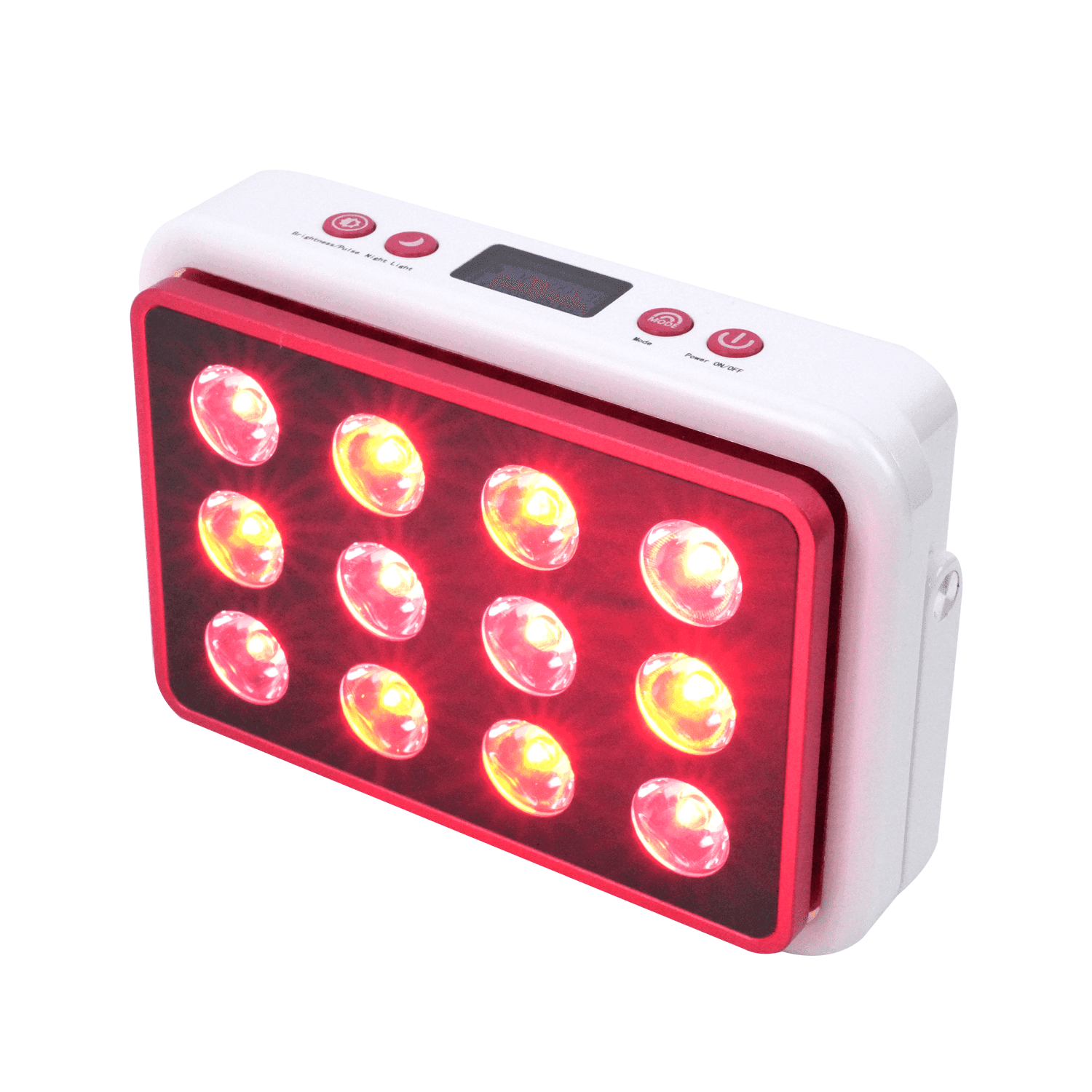
Powerful red and NIR light devices are now available for home use. Our MitoADAPT, MitoPRO, and other product offerings may help when you use LED red light technology consistently to stimulate the mitochondria, boost circulation, support your body's natural inflammatory response, and preserve your skin's optimal health.
If you are ready to experience the health and wellness benefits of red light therapy, review our wide selection of red light therapy devices and bring home your ideal device.
The Bottom Line
At Mito Red Light, we're dedicated to empowering your wellness journey with cutting-edge solutions to support your body’s natural healing process. Red light therapy offers a new avenue for potentially managing the discomfort and appearance of cold sores.
Consistency, patience, and a holistic approach are key to unlocking the full potential of red light therapy. With our range of products designed for your convenience and comfort, we're here to support you every step of the way.
Embrace the light with Mito Red Light, and let's move towards a healthier, more vibrant you.
Click to learn more about potential red light therapy benefits.
To learn more basics about red light therapy, read How Does Red Light Therapy Work?
Frequently Asked Questions About Red Light Therapy for Cold Sores
Can red light therapy cure cold sores?
No. Red light therapy is not a cure for herpes simplex virus or cold sores. It is best considered a complementary option that may help support healing, comfort, and overall skin health when used alongside traditional treatments.
When should I start using red light therapy on a cold sore?
Many people begin sessions at the first sign of an outbreak, such as tingling or tightness around the lips. Starting early may help support the body’s response before the cold sore fully develops.
How often can I use red light therapy for a cold sore?
Usage depends on your device and instructions, but many at-home users treat the affected area once or twice daily during an outbreak, while following recommended session length and distance guidelines.
Should I stop my antiviral medication if I use red light therapy?
No. Red light therapy should not replace antiviral medications or doctor-recommended treatments. Always follow your provider’s guidance and think of RLT as a potential add-on, not a substitute.
Which Mito Red Light device is best for cold sore support?
Compact yet powerful devices within the MitoADAPT series and MitoPRO series are popular for targeted facial use, offering convenient positioning for the lip and mouth area.
References
- Dougal G, Lee SY. Evaluation of the efficacy of low-level light therapy using 1072 nm infrared light for herpes simplex labialis. Clin Exp Dermatol. 2013.
- Hargate G. Low-intensity laser therapy is an effective treatment for recurrent herpes simplex infection: results from a randomized double-blind placebo-controlled study. Clin Exp Dermatol. 2006.
- de Carvalho RR, et al. Effect of laser phototherapy on preventing recurrent herpes labialis. Lasers Med Sci. 2010.
- Muñoz Sánchez PJ, et al. 670-nm low-level laser therapy for herpes simplex type 1. Photomed Laser Surg. 2012.
- de Paula Eduardo C, et al. Laser treatment of recurrent herpes labialis: a literature review. Lasers Med Sci. 2014.
This article discusses published scientific research and general educational information about photobiomodulation and red light therapy. It does not constitute medical advice and does not make specific claims about Mito Red Light devices. The research cited reflects independent peer-reviewed studies and does not imply that any Mito Red Light product has been evaluated, approved, or cleared by the FDA or any other regulatory body for the diagnosis, treatment, cure, or prevention of any disease or medical condition. Individual results vary. Consult a qualified healthcare professional before beginning any light therapy protocol, particularly if you have a pre-existing medical condition, are pregnant, or are taking photosensitising medications.
Mito Red Light products are general wellness devices. They are not medical devices and have not been evaluated, cleared, or approved by the FDA or any regulatory body for the diagnosis, treatment, cure, or prevention of any disease or medical condition. Any references to peer-reviewed research or clinical studies on this page describe findings from independent scientific literature and do not imply that Mito Red Light devices have been studied, tested, or proven effective for any specific condition. Always consult a qualified healthcare provider before beginning any new wellness routine, particularly if you have a medical condition or are taking medication.
Related articles
More from the conditions & research knowledge cluster