

















Panel Series
Top Tips for Optimal Joint Health Including Red Light Therapy
Healthy joints are easy to take for granted — until they're not. Whether you're managing early-stage stiffness, recovering from an injury, or trying to stay ahead of age-related decline, joint health is one of the most valuable things you can invest in. This guide covers the evidence-based fundamentals, with a detailed look at where red light therapy fits in.
Understanding Joint Deterioration
Joints are complex structures: bone ends covered in smooth articular cartilage, surrounded by a joint capsule filled with synovial fluid, stabilised by ligaments, and moved by muscles and tendons. When any of these components is compromised — through injury, overuse, inflammation, or age — the whole system suffers.
The most common pathway to joint pain is inflammation. Whether triggered by mechanical stress, autoimmune activity, or metabolic factors, chronic joint inflammation drives cartilage degradation, synovial thickening, and progressive loss of range of motion. Managing inflammation is therefore central to any effective joint health strategy.
1. Movement — The Most Important Joint Health Tool
Articular cartilage has no direct blood supply — it gets its nutrients through the compression and release that comes with movement. Sedentary behaviour starves cartilage of nutrients and accelerates degenerative changes. This is why rest alone is rarely the right answer for joint pain.
Low-impact activities are ideal for maintaining joint health without excessive mechanical stress: swimming, cycling, walking, and resistance training with controlled range of motion all provide the compression-release cycle cartilage needs without the impact loading that exacerbates inflammation. Aim for daily movement, even if brief.
2. Strength Training Around the Joint
Strong muscles protect joints by absorbing force before it reaches the joint surface. For knee health specifically, quadriceps strength is one of the strongest predictors of long-term outcomes in osteoarthritis. For shoulder health, rotator cuff and scapular stabiliser strength are critical.
Resistance training 2–3x per week targeting the muscles surrounding vulnerable joints is one of the highest-leverage things you can do for long-term joint preservation. Work through full pain-free range of motion and progress load gradually.
3. Anti-Inflammatory Nutrition
Diet has a measurable impact on systemic inflammation and joint health. Key evidence-based nutritional strategies:
- Omega-3 fatty acids (EPA/DHA): Multiple RCTs demonstrate significant reductions in joint pain and morning stiffness in rheumatoid arthritis and osteoarthritis with 2–4g/day omega-3 supplementation. Mechanism: EPA and DHA are precursors to anti-inflammatory prostaglandins and resolvins.
- Reduce ultra-processed foods and refined sugars: These drive systemic inflammation via gut dysbiosis, advanced glycation end-products, and direct cytokine stimulation.
- Collagen peptides: Emerging evidence suggests 10g/day collagen peptides, particularly when timed around exercise, may support cartilage synthesis. Mechanism involves providing hydroxyproline and hydroxylysine, the amino acids specific to collagen.
- Vitamin D: Deficiency is associated with increased joint pain and accelerated cartilage loss. Target serum 25(OH)D levels of 40–60 ng/mL.
4. Red Light Therapy for Joint Health
Of the evidence-based interventions for joint health, red light therapy has one of the most specific mechanisms for addressing joint-level inflammation and tissue repair.
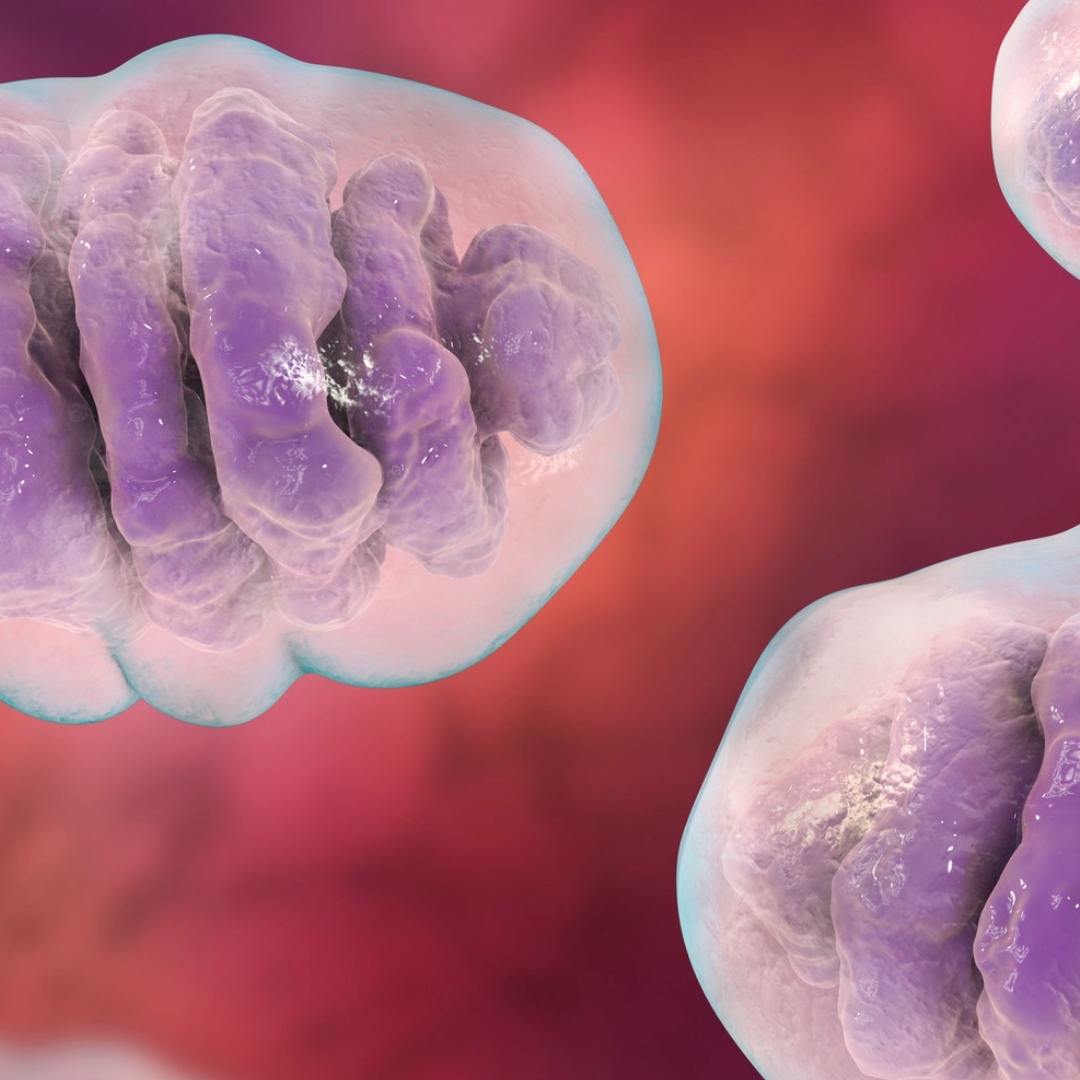
Mechanism: Near-infrared light at 810–850nm penetrates to depth of 3–5cm — sufficient to reach synovial tissue, joint capsule, and periarticular structures. At these depths, photons are absorbed by mitochondria in joint cells, triggering:
- Reduction in NF-κB-driven inflammatory cytokines (IL-1β, TNF-α) in synovial tissue
- Increased collagen synthesis in chondrocytes (cartilage cells)
- Improved microcirculation, delivering oxygen and nutrients to poorly vascularised joint structures
- Reduction in matrix metalloproteinase (MMP) activity — enzymes that degrade cartilage extracellular matrix
Clinical evidence: The World Association for Laser Therapy (WALT) has published dosing guidelines for photobiomodulation in joint conditions based on a systematic review of clinical trials. Key findings:
- Knee osteoarthritis: Multiple RCTs showing significant pain reduction and functional improvement with 830nm at doses of 3–6 J/cm² per treatment point
- Lateral epicondylitis (tennis elbow): Strong evidence base, included in multiple clinical guidelines as an effective conservative treatment
- Rheumatoid arthritis: Evidence for reduction in morning stiffness and pain scores; anti-inflammatory mechanism is particularly relevant given the autoimmune driver
- Temporomandibular joint (TMJ): Good evidence for pain reduction in jaw joint disorders
Protocol: For joint-specific applications, position the panel directly over the affected joint at 2–6 inches. Sessions of 10–20 minutes at 830nm or 850nm, 4–5x per week. Consistent use over 8+ weeks produces the most significant results in clinical trials. A full-body panel allows simultaneous treatment of multiple joints.
5. Sleep and Recovery
Cartilage repair and joint tissue maintenance occur primarily during sleep. Growth hormone, released in pulses during deep sleep, drives collagen synthesis and tissue remodelling. Chronic sleep deprivation elevates inflammatory markers including IL-6 and CRP — both of which accelerate joint degradation.
7–9 hours of quality sleep is not optional for joint health — it's when the structural maintenance happens. Red light therapy in the evening supports sleep quality without suppressing melatonin, making it a useful addition to an evening recovery routine.
6. Weight Management
Every kilogram of body weight applies approximately 3–6 kilograms of force to the knee joint during walking. Even modest weight reduction (5–10% of body weight) produces significant reductions in joint load, pain scores, and inflammatory markers in people with knee osteoarthritis.
This is one of the highest-leverage interventions available for lower extremity joints, particularly knee and hip.
7. Cold and Heat Therapy
Both have roles, applied strategically:
- Cold (ice/cold water): Most effective for acute inflammation and post-exercise swelling. Reduces inflammatory mediators and pain acutely. Apply 15–20 minutes within the first 48 hours after injury or after activity that provokes swelling.
- Heat: Best for chronic stiffness, improving tissue extensibility before movement. Apply 15–20 minutes before exercise to improve joint range of motion.
- Red light therapy + heat: RLT's vasodilatory effect (via nitric oxide) provides some of the circulation benefits of heat alongside the anti-inflammatory and mitochondrial effects. Can be used as a warm-up tool before activity.
Building a Joint Health Stack
The interventions with the strongest combined evidence, in priority order:
- Daily low-impact movement
- Strength training 2–3x/week targeting muscles around vulnerable joints
- Omega-3 supplementation (2–4g EPA/DHA daily)
- Red light therapy 4–5x/week over affected joints (830–850nm)
- Adequate sleep (7–9 hours)
- Weight management if carrying excess load
- Strategic cold/heat application
For those managing existing joint conditions, these interventions work best as complements to — not replacements for — medical evaluation and treatment. See our contraindications page for important information before starting red light therapy if you have an active inflammatory joint condition.
Frequently Asked Questions
How does joint health typically deteriorate as we age?
Joint health usually declines through a combination of cartilage breakdown, synovial inflammation, and weakening of ligaments and other connective tissues. These processes tend to accelerate after about age 40 and are strongly linked to chronic low-grade inflammation, reduced movement, and loss of muscle strength around key joints.[web:124][web:127][web:138]
Can red light therapy really reach joint depth?
Yes, near-infrared wavelengths around 810–850 nm have been shown to penetrate several centimeters into tissue, enough to reach synovial tissue, joint capsules, and periarticular structures in many joints.[web:124][web:127][web:138] This is why most World Association for Laser Therapy (WALT) guidelines and many clinical trials for knee osteoarthritis and other joint conditions use NIR wavelengths in the 780–860 nm range.[web:124][web:127][web:134]
What evidence supports red light therapy for joint pain?
Systematic reviews and WALT dosing recommendations report that low-level light therapy in the 780–860 nm range at doses of about 3–6 J/cm² per treatment point can reduce pain and improve function in knee osteoarthritis.[web:124][web:125][web:127][web:134] Additional randomized controlled trials show benefits for lateral epicondylitis, temporomandibular joint disorders, and some rheumatoid arthritis symptoms when appropriate parameters are used.[web:124][web:127][web:128][web:138]
How often should I use a red light panel for joint health?
Many clinical protocols expose the affected joint to near-infrared light 4–5 times per week, for about 10–20 minutes per session at a close distance, delivering roughly 3–6 J/cm² per point over 8 or more weeks.[web:124][web:125][web:127][web:128][web:134] Home users often replicate this pattern with full-body or joint-focused panels, while monitoring comfort and working with their healthcare provider.
Is red light therapy enough on its own to keep joints healthy?
No. The best results come when red light therapy is combined with fundamentals like daily low-impact movement, strength training for muscles around vulnerable joints, anti-inflammatory nutrition, adequate sleep, and weight management when needed.[web:124][web:125][web:129][web:130][web:135][web:138] Red light therapy is best viewed as a complementary tool within a broader joint health “stack,” not a replacement for medical evaluation or physical therapy.
What role do omega-3s and collagen play in joint support?
Meta-analyses show that omega-3 polyunsaturated fatty acid supplementation can modestly reduce joint pain and improve function in osteoarthritis and rheumatoid arthritis.[web:130][web:133][web:136] Early research suggests that collagen peptides, especially around 10 g per day, may support cartilage matrix synthesis when combined with exercise, although more large-scale trials are still needed.
Are there any safety or contraindication concerns with red light for joints?
Red and near-infrared light therapy is generally well tolerated, but people with active malignancy in the treatment area, uncontrolled inflammatory or autoimmune flares, or those taking photosensitizing medications should be evaluated carefully first.[web:124][web:125][web:128][web:134][web:138] It should also be viewed as an adjunct, not a substitute, for treatments prescribed by an orthopedic or rheumatology specialist. Always review contraindications and consult your clinician before starting a new protocol.
References
- Bjordal JM et al. (2008). A systematic review with procedural assessments of low level laser therapy in lateral elbow tendinopathy. BMC Musculoskeletal Disorders, 9, 75.
- Alfredo PP et al. (2012). Efficacy of low level laser therapy associated with exercises in knee osteoarthritis. Clinical Rehabilitation, 26(6), 523–533.
- Calder PC. (2013). Omega-3 polyunsaturated fatty acids and inflammatory processes. Nutrition and Metabolism, 10(1).
- Felson DT et al. (1992). Weight loss reduces the risk for symptomatic knee osteoarthritis in women. Annals of Internal Medicine, 116(7), 535–539.
- Shaw G et al. (2017). Vitamin C–enriched gelatin supplementation before intermittent activity augments collagen synthesis. American Journal of Clinical Nutrition, 105(1), 136–143.
This article discusses published scientific research and general educational information about photobiomodulation and red light therapy. It does not constitute medical advice and does not make specific claims about Mito Red Light devices. The research cited reflects independent peer-reviewed studies and does not imply that any Mito Red Light product has been evaluated, approved, or cleared by the FDA or any other regulatory body for the diagnosis, treatment, cure, or prevention of any disease or medical condition. Individual results vary. Consult a qualified healthcare professional before beginning any light therapy protocol, particularly if you have a pre-existing medical condition, are pregnant, or are taking photosensitising medications.
Mito Red Light products are general wellness devices. They are not medical devices and have not been evaluated, cleared, or approved by the FDA or any regulatory body for the diagnosis, treatment, cure, or prevention of any disease or medical condition. Any references to peer-reviewed research or clinical studies on this page describe findings from independent scientific literature and do not imply that Mito Red Light devices have been studied, tested, or proven effective for any specific condition. Always consult a qualified healthcare provider before beginning any new wellness routine, particularly if you have a medical condition or are taking medication.
Related articles
More from the red light therapy knowledge cluster