
















Panel Series
Red light therapy reduces inflammation by modulating NF-κB signalling and decreasing pro-inflammatory cytokines including TNF-α, IL-1β, and IL-6. Our research database contains over 600 peer-reviewed studies supporting photobiomodulation for musculoskeletal pain, arthritis, and soft tissue recovery.
Key Takeaways
- Red light therapy at 630–850 nm reduces inflammatory cytokines and supports tissue repair through photobiomodulation.
- Multiple peer-reviewed studies show meaningful reductions in joint pain, swelling, and stiffness — particularly for arthritis and chronic musculoskeletal conditions.
- Consistent use of 4–5 sessions per week targeting the affected joint or area is the most clinically supported protocol.
- Red light therapy works best as part of a comprehensive approach — not as a replacement for medical treatment.
What Red Light Therapy Does for Inflammation (and Why It Works)
Red light therapy (RLT) uses specific wavelengths — typically 630–660 nm (red) and 810–850 nm (near-infrared) — to penetrate skin and soft tissue and trigger a cellular response called photobiomodulation. The mechanism that matters most for inflammation is this:
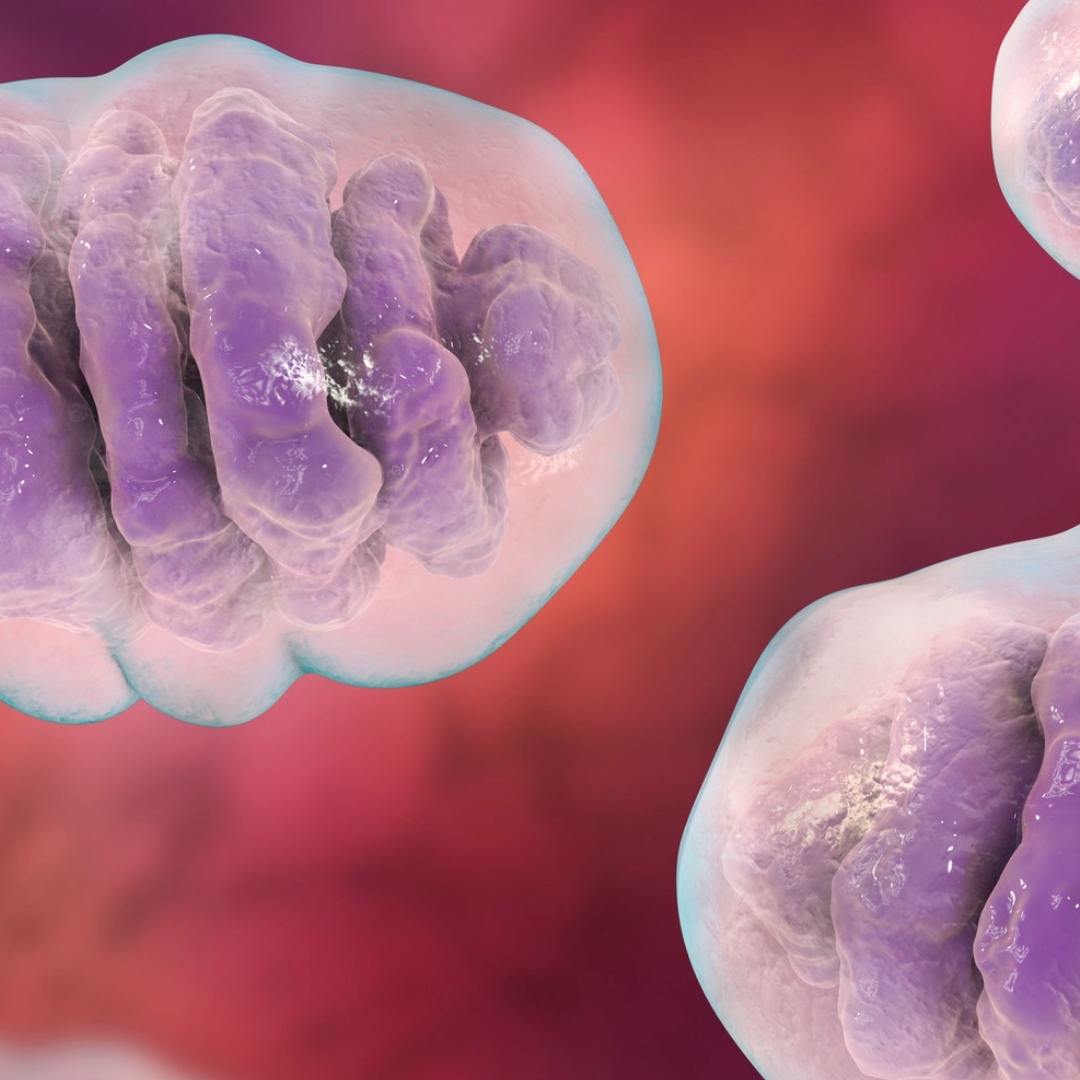
When near-infrared and red light reach the mitochondria inside cells, they boost ATP production. Cells with more energy repair themselves faster, produce fewer inflammatory signals, and handle oxidative stress more efficiently. At the same time, red light therapy improves local microcirculation — increasing blood flow to deliver oxygen and nutrients while clearing metabolic waste from inflamed tissue.
The clinical result: reduced production of pro-inflammatory cytokines (including TNF-α, IL-1β, and IL-6), lower oxidative stress markers, and faster tissue recovery.
This is why red light therapy has been studied across a wide range of inflammatory conditions — from rheumatoid arthritis and osteoarthritis to tendinopathy, back pain, and post-surgical swelling.
What the Science Says: Key Studies on Red Light Therapy and Inflammation
Red light therapy for inflammation and joint pain is one of the most studied applications of photobiomodulation. Here is what the peer-reviewed research shows:
Arthritis and Joint Pain A 2009 systematic review and meta-analysis published in The Lancet analyzed 16 randomized controlled trials on low-level laser therapy (LLLT) for rheumatoid arthritis. It found statistically significant reductions in pain (mean reduction: 70% vs. placebo) and morning stiffness, concluding that LLLT "should be considered for short-term treatment of chronic joint disorders."
A Cochrane review on LLLT for osteoarthritis found that near-infrared wavelengths (780–860 nm) provided clinically meaningful pain relief and functional improvement in patients with knee osteoarthritis, with effects maintained at 8-week follow-up.
Inflammatory Cytokines A study published in Photomedicine and Laser Surgery demonstrated that 830 nm near-infrared light significantly reduced TNF-α and IL-1β levels in treated tissue — two of the primary drivers of chronic inflammation. These effects were dose-dependent, with therapeutic responses observed at energy densities of 1–4 J/cm².
Tendinopathy and Soft Tissue Inflammation Research in the Journal of Athletic Training showed that RLT reduced pain and improved function in patients with chronic Achilles tendinopathy — a condition driven primarily by localized inflammation and poor tissue repair. Subjects received 5 sessions per week for 4 weeks.
Back and Neck Pain A 2015 review in Pain Research and Management found that photobiomodulation significantly reduced chronic low back and neck pain across multiple trials, with effects comparable to NSAIDs in some studies for short-term relief.
Mito Red Light devices use the wavelengths most studied for these outcomes — 630 nm, 660 nm, 830 nm, and 850 nm — calibrated to deliver therapeutic irradiance at real-world distances.
Red Light Therapy for Specific Types of Joint and Inflammatory Pain
| Condition | Evidence Level | Best Wavelengths | Notes |
|---|---|---|---|
| Rheumatoid Arthritis | Strong (multiple RCTs) | 810–850 nm | Targets synovial inflammation and morning stiffness |
| Osteoarthritis (knee) | Strong (Cochrane reviewed) | 780–860 nm | Best results at joint surface, 4–8 weeks consistent use |
| Achilles Tendinopathy | Moderate | 830–850 nm | 5x/week protocol showed significant functional gains |
| Low Back Pain | Moderate–Strong | 660 nm + 850 nm | Chronic cases respond better than acute |
| General Muscle Soreness | Strong | 660 nm + 830 nm | Most effective when applied within 2 hours post-exercise |
| Neck Pain | Moderate | 630–660 nm | Surface-level access makes red light particularly effective |
How to Use Red Light Therapy for Inflammation and Joint Pain: Protocol Guide
Session frequency: 4–5 sessions per week for the first 6–8 weeks; 2–3 sessions per week for maintenance.
Session duration: 10–20 minutes per treatment area. For deep joints (knee, hip, shoulder), 15–20 minutes is preferred to allow near-infrared to reach deeper tissue.
Distance from device: Follow your device's guidance — typically 6–12 inches for panels. Closer distances increase irradiance (intensity); farther distances increase coverage area.
Timing:
- For exercise-related inflammation: apply immediately post-workout or within 2 hours for best results
- For chronic joint conditions: consistency matters more than timing — any time of day works
- For acute flares: 2 sessions per day for short periods (2–3 days) can accelerate initial relief
Target placement: Position the light source directly over the affected joint or tissue. For larger areas like the lower back, a mid-size or full panel is more effective than a small targeted device.
Recommended Mito Red devices by use case:
- Knee, ankle, elbow, wrist: MitoPRO 300 or MitoADAPT MIN 4.0 — targeted size, easy to position
- Lower back, hips, shoulders: MitoPRO 750 or MitoADAPT 4.0 — wide coverage for larger muscle groups
- Full-body or systemic inflammation support: MitoPRO 1500 or MitoADAPT MAX 4.0 — full coverage in single sessions
This article discusses published scientific research and general educational information about photobiomodulation and red light therapy. It does not constitute medical advice and does not make specific claims about Mito Red Light devices. The research cited reflects independent peer-reviewed studies and does not imply that any Mito Red Light product has been evaluated, approved, or cleared by the FDA or any other regulatory body for the diagnosis, treatment, cure, or prevention of any disease or medical condition. Individual results vary. Consult a qualified healthcare professional before beginning any light therapy protocol, particularly if you have a pre-existing medical condition, are pregnant, or are taking photosensitising medications.
Mito Red Light products are general wellness devices. They are not medical devices and have not been evaluated, cleared, or approved by the FDA or any regulatory body for the diagnosis, treatment, cure, or prevention of any disease or medical condition. Any references to peer-reviewed research or clinical studies on this page describe findings from independent scientific literature and do not imply that Mito Red Light devices have been studied, tested, or proven effective for any specific condition. Always consult a qualified healthcare provider before beginning any new wellness routine, particularly if you have a medical condition or are taking medication.
Related articles
More from the inflammation, pain & joints knowledge cluster