











Panel Series
Key Takeaways:
-
Arthritis is a broad term for joint inflammation, and symptoms can vary depending on the type of arthritis and the person.
-
Red and near-infrared light are being studied for their role in pain and inflammation management routines, but research quality and results vary.
-
Red light therapy should be viewed as a wellness tool to discuss with a healthcare provider, not a replacement for medical care.
Arthritis can make daily activities feel more complicated than they used to, and it can also impact your overall quality of life. Arthritis symptoms like stiff fingers, sore knees, cranky hips, or joints that don’t warm up as quickly can all affect how you move through your day. Since arthritis is associated with joint inflammation, pain, stiffness, and swelling, people often look for routines that help them feel more comfortable and stay active.
That’s where red light therapy enters the conversation. Red and near-infrared light are commonly discussed in wellness spaces because of their connection to cellular energy processes, circulation, and inflammation research. Here’s what to know about whether red light therapy can help with arthritis.
What Is Arthritis?
Arthritis is a broad term that refers to joint inflammation, and there are many different types of arthritis. Osteoarthritis and rheumatoid arthritis are two of the most common, but they don’t work the same way in the body.
Osteoarthritis is often connected with wear and changes in joint tissues and cartilage over time. Rheumatoid arthritis is an autoimmune condition in which immune cells attack the joints. Because the causes are different, the right care plan can vary quite a bit from one person to another.
What Is Red Light Therapy?
Red light therapy uses specific wavelengths of red and near-infrared light. You’ll often see red light around 630nm to 660nm and near-infrared light around 830nm to 850nm in consumer wellness devices.
In research settings, this area is often discussed under terms like photobiomodulation or low-level light therapy. Research reveals how light interacts with cells , including effects related to mitochondria, cellular energy, oxidative stress, and inflammatory signaling.
For everyday users, the idea is more practical: a red light therapy session involves exposing an area of the body to red or near-infrared light for a recommended amount of time. The exact routine depends on the device, the area being used, and the manufacturer’s instructions.
Why Consider Red Light Therapy for Joint Support?
People often look into red light therapy for joint function because joint discomfort can affect workouts, sleep, hobbies, work, and basic movement.
Red and near-infrared light are commonly used to complement pain and inflammation management routines. Some studies have explored light-based approaches for arthritis-related symptoms, including discomfort, stiffness, and physical function, but it’s important to know that research is ongoing.
Red light therapy may be worth discussing as part of a broader wellness routine, but it shouldn’t be viewed as a guaranteed solution or a replacement for guidance from a licensed medical provider.
Most red light therapy devices use red light, near-infrared light , or both. Red light is commonly used for more surface-level exposure, while near-infrared light reaches deeper into tissue.
For joint health management routines, people often look at near-infrared light because joints sit below the skin. That said, wavelength is only one part of the setup. Output, distance, session length, consistency, and device placement all affect the experience.
How To Use Red Light Therapy Safely in a Joint Support Routine
If you’re considering red light therapy for joints, start by talking with your healthcare provider, especially if you’re dealing with arthritis that is autoimmune , severe, rapidly changing, or tied to medication use. This is especially relevant if you’re pregnant, have light sensitivity, take photosensitizing medications, or have any condition that affects your skin or eyes.
Follow the recommended usage times for the specific red light therapy device you’re using. Each device can have different guidance for the ideal distance, session length, and frequency.
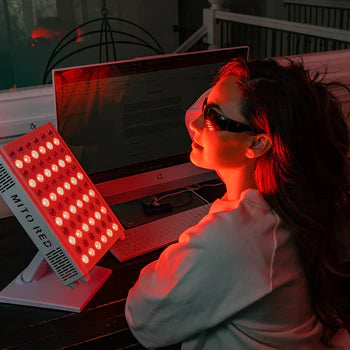
Eye protection for red light therapy also matters, especially with brighter panels or near-infrared light. If a device comes with safety instructions, follow them closely.
Promising Possibilities for Joint Health
Red and near-infrared light are often discussed for pain- and inflammation-focused routines, and research continues to explore how light interacts with cellular processes. The smartest move is to keep expectations grounded, follow device instructions, and talk with a healthcare provider before adding red light therapy sessions to your arthritis routine.
DISCLAIMER: Mito Red Light devices are Class II wellness devices aimed at affecting the body through supporting cellular function. The information provided in this article and on this site is for educational purposes only and is not intended to imply effectiveness of Mito Red Light devices for any specific application. The information provided in this article and on this site is not intended to diagnose, treat, cure, or prevent any disease, is not a substitute for consultation with a licensed medical provider and should not be construed as medical advice. Click here to read our article on potential contraindications of red light therapy.
FAQs
Does red light therapy work for arthritis?
Research on red light therapy for arthritis is still developing. Some studies suggest possible benefits for pain and inflammation routines, while other reviews note that evidence quality can be limited or mixed. It’s best discussed with a healthcare provider as part of a broader arthritis plan.
What wavelength is used for arthritis routines?
Many red light therapy devices use red light around 630nm to 660nm and near-infrared light around 830nm to 850nm. Near-infrared light is often discussed for deeper exposure, but wavelength alone doesn’t determine the overall experience.
Can red light therapy replace arthritis medication?
No. Red light therapy should not replace medication, physical therapy, or medical guidance from a licensed provider. If you have arthritis, any changes to your care plan should be made with your healthcare provider.
How often should you use red light therapy for arthritis?
Follow the recommended usage times for the specific device you’re using. Session timing, distance, and frequency can vary by device, so the safest starting point is the manufacturer’s guidance and your provider’s advice.
Sources:
Arthritis: Symptoms, Causes, Types, Treatment & Prevention | Cleveland Clinic
Osteoarthritis: Symptoms, Diagnosis, and Treatment | Arthritis Foundation
Rheumatoid arthritis - Symptoms and causes | Mayo Clinic
Mito Red Light products are general wellness devices. They are not medical devices and have not been evaluated, cleared, or approved by the FDA or any regulatory body for the diagnosis, treatment, cure, or prevention of any disease or medical condition. Any references to peer-reviewed research or clinical studies on this page describe findings from independent scientific literature and do not imply that Mito Red Light devices have been studied, tested, or proven effective for any specific condition. Always consult a qualified healthcare provider before beginning any new wellness routine, particularly if you have a medical condition or are taking medication.
Related articles
More from the red light therapy knowledge cluster