











Panel Series
ADHD affects focus, impulse control, and working memory—and for many people, symptoms persist despite medication, behavioral therapy, and lifestyle changes. Emerging research on transcranial photobiomodulation suggests that targeted near‑infrared light to the prefrontal cortex may help support attention, working memory, and sleep by boosting mitochondrial energy in brain cells. In this guide, we explore how red and near‑infrared light therapy might fit into a modern, evidence‑informed ADHD support plan, including dedicated tools like the MitoMIND™ Helmet and customizable MitoADAPT panels.
Medically Reviewed By | Heidi Wright, BSN, RN, PCCN
Executive Summary
This Mito Red Light article examines the potential role of red and near‑infrared light therapy (RLT) as a supportive tool for people living with ADHD, a neurodevelopmental condition defined by persistent patterns of inattention and/or hyperactivity‑impulsivity. RLT uses specific wavelengths of red and near‑infrared light to stimulate mitochondrial function and ATP production, which may help support brain energy metabolism, inflammatory balance, and neural signalling in regions involved in attention and executive function.
Standard ADHD care still centers on behavioral interventions and medications prescribed by qualified clinicians. Early photobiomodulation research—including transcranial studies using 808–810 nm and 1064 nm light—suggests potential benefits for working memory, sustained attention, and sleep quality, all of which are highly relevant to ADHD. RLT is not an approved ADHD treatment and should not replace evidence‑based medical care, but when used appropriately it may provide complementary support for cognitive and overall wellness.
Key practical points include using brain‑oriented devices such as the MitoMIND™ Helmet for transcranial applications, selecting panels like MitoADAPT 2.0 that allow wavelength personalization, following dosing and safety guidelines, and integrating RLT into a broader routine that already includes sleep, nutrition, movement, and professional ADHD management.
Key Takeaways:
-
>Red and near‑infrared light therapy may offer supportive benefits for cognitive domains that are often affected in ADHD, such as working memory, attention, and sleep quality.
>Photobiomodulation works by stimulating mitochondrial ATP production and modulating oxidative and inflammatory pathways, which may help stabilize neural activity in key brain regions.
>Early human research on transcranial photobiomodulation shows improvements in working memory and attention tasks, but larger ADHD‑specific trials are still in progress.
>Appropriate wavelength selection, treatment parameters, eye protection, and consistency are essential for safe and meaningful use.
>RLT is not a standalone ADHD treatment; it should be used only as a complementary wellness tool alongside clinician‑directed care.
What Is ADHD?
Attention‑deficit/hyperactivity disorder (ADHD) is a neurodevelopmental condition that typically begins in childhood and often continues into adulthood. It is characterized by developmentally inappropriate levels of inattention, hyperactivity, and/or impulsivity that interfere with functioning in school, work, and relationships.
Clinicians generally describe symptoms in two broad categories:
-
>Inattention:
-
>Difficulty sustaining focus on tasks or play
>Disorganization and frequent loss of important items
>Tendency to make careless mistakes
>Easily distracted by external stimuli or internal thoughts
>Forgetfulness in daily activities and routines
-
>Hyperactivity and Impulsivity:
-
>Fidgeting, tapping, or squirming when seated
>Leaving one’s seat when remaining seated is expected
>Subjective restlessness or feeling “driven by a motor”
>Difficulty engaging in leisure activities quietly
>Talking excessively
>Interrupting or intruding on others
Left unaddressed, ADHD can impact academic performance, work outcomes, relationships, and self‑esteem. Effective management usually involves a combination of behavior strategies, environmental supports, coaching or therapy, and when appropriate, prescription medications overseen by a qualified clinician.
What Is Red and Near‑Infrared Light Therapy?
Red light therapy is a form of photobiomodulation that uses low‑intensity red and near‑infrared wavelengths to support cellular function. Unlike high‑power lasers or heat‑based therapies, RLT operates at non‑thermal levels that are designed to stimulate, not damage, tissue.
How Does Photobiomodulation Work?
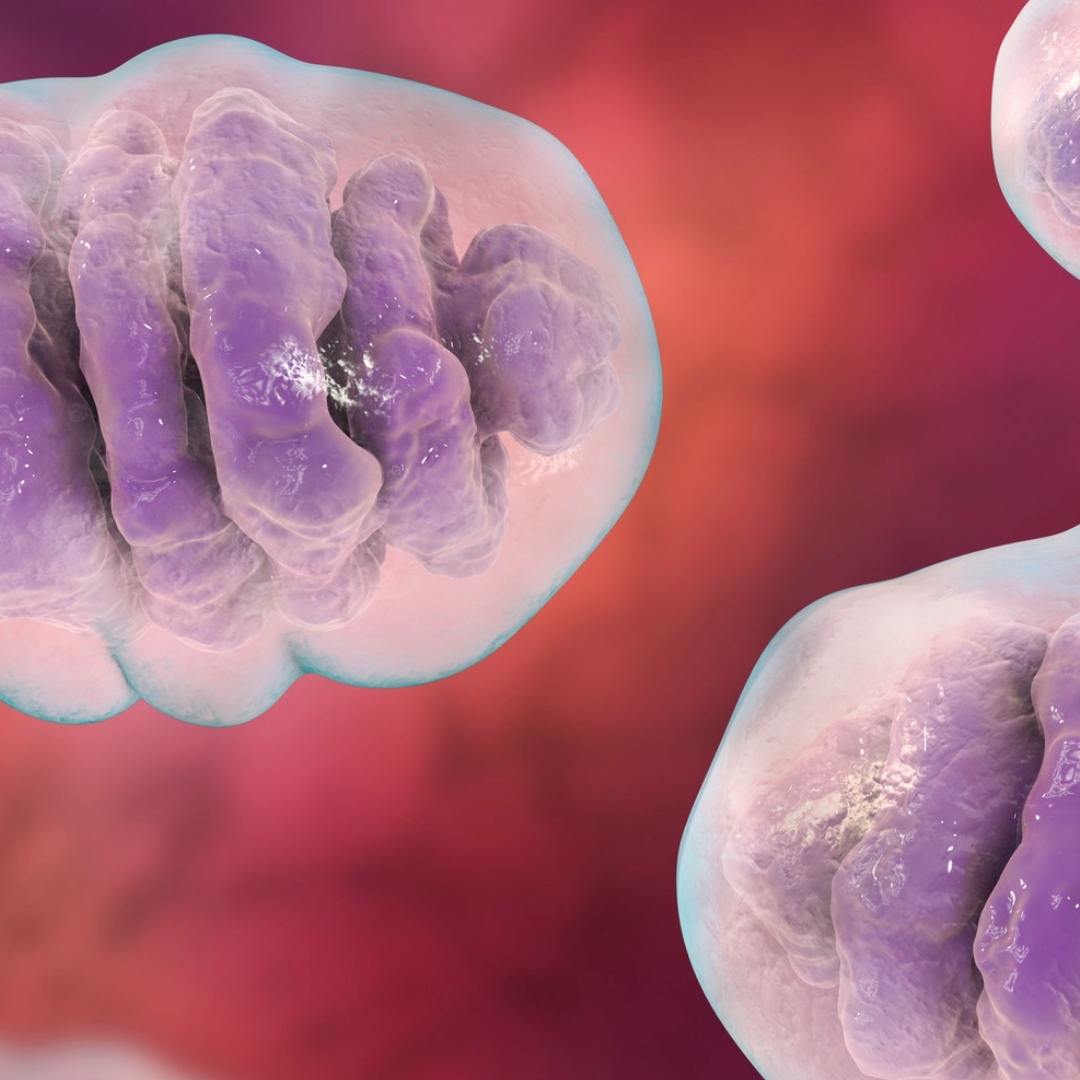
The core mechanism of RLT involves light absorption by mitochondrial chromophores, especially cytochrome c oxidase. When photons in specific red and near‑infrared bands reach these targets, they can:
-
>Support more efficient production of ATP, the primary cellular energy currency
>Influence nitric oxide and reactive oxygen species signalling
>Modulate inflammatory and oxidative stress pathways
>Trigger gene expression changes related to repair and resilience
In brain‑oriented applications, transcranial photobiomodulation aims light at cortical regions such as the prefrontal cortex. Near‑infrared wavelengths in the 800–1100 nm range penetrate scalp and skull more effectively than visible light, allowing more photons to reach neural tissue. This is where devices like the MitoMIND Helmet and higher‑power panels with strong NIR output become relevant.
Why Does Red Light Therapy Matter for Modern Brains?
Many people today spend little time in natural outdoor light and a great deal of time under artificial, blue‑heavy lighting. This shift may contribute to circadian disruption, eye strain, and other stressors on brain function. Red and near‑infrared light help restore part of the natural light spectrum that modern indoor life often lacks.
For people with ADHD, any modality that improves sleep quality, supports brain energy metabolism, and reduces systemic stress has the potential to indirectly support symptoms—especially when combined with core medical and behavioral strategies.
Potential General Benefits of Red Light Therapy
Outside of ADHD, research has explored red and near‑infrared light for:
-
>Physical performance and recovery: Studies suggest RLT may support post‑exercise muscle recovery and performance by reducing perceived soreness and supporting tissue repair.
>Skin health and rejuvenation: By influencing collagen production and microcirculation, RLT may help support skin elasticity and a more even complexion.
>Tissue repair: Experimental and clinical work indicates that RLT can support wound healing and tissue regeneration in certain contexts.
>Hair appearance: Some FDA‑cleared helmets use RLT technology to support hair growth in specific forms of thinning.
These broad effects all point back to a common theme: better mitochondrial energy availability and more balanced inflammatory signalling across tissues.
Can Red Light Therapy Help With ADHD?
ADHD is rooted in complex neurobiology, including differences in prefrontal cortex function, dopamine and norepinephrine signalling, and large‑scale brain network connectivity. Photobiomodulation does not “fix” these differences, but it may help support how certain brain regions function within this landscape.
Specifically, by enhancing mitochondrial performance and supporting cerebral blood flow in the prefrontal cortex, transcranial near‑infrared light may help improve working memory, sustained attention, and cognitive flexibility—domains often challenged in ADHD.
What Does the Science Say So Far?
Research on photobiomodulation and ADHD is still in early stages, but several lines of evidence are encouraging:
-
>Working memory in young adults: A study published in Science Advances reported that 1064 nm transcranial photobiomodulation delivered to the right prefrontal cortex improved visual working memory capacity compared with sham and other wavelengths. The authors highlighted ADHD as one of several conditions where working memory deficits are common and where such non‑invasive approaches might be relevant in the future.
>Adults with ADHD: A recent follow‑up study in adults with ADHD found that a short course of 1064 nm transcranial photobiomodulation produced significant improvements in N‑back working memory performance and attention measures, with effects persisting for several weeks post‑intervention.
>Sleep and circadian support: Clinical work on red light therapy in other populations has shown improvements in sleep quality and melatonin regulation. Because sleep disruption can strongly exacerbate ADHD symptoms, any modality that helps stabilize sleep may indirectly support daytime attention and self‑regulation.
These findings do not mean that red light therapy is a proven ADHD treatment, but they do suggest that carefully targeted brain‑oriented photobiomodulation may have a meaningful role as a supportive, non‑pharmacologic tool in a broader care plan.
Safety and Side Effects
Red and near‑infrared light therapy are generally well tolerated when devices are used as directed. Potential issues are usually mild and may include temporary eye discomfort with unprotected viewing, transient skin warmth or redness, or, in rare cases, headaches with aggressive dosing. This underscores the importance of:
-
>Using devices exactly as instructed
>Wearing appropriate eye protection, especially with transcranial devices
>Starting with conservative session durations and ramping up gradually
>Discussing plans with a healthcare professional if you have neurological or psychiatric conditions
How To Maximize Red Light Therapy Benefits in an ADHD‑Friendly Routine
If you and your clinician decide that red light therapy makes sense as part of your wellness plan, a thoughtful approach can help you get the most from your time and investment.
1. Prioritize Consistency
Just like sleep hygiene or medication routines, photobiomodulation works best when you use it consistently. Depending on your device and goals, this might mean short daily sessions or several weekly sessions. Follow your device’s recommendations and your clinician’s guidance.
2. Use Evidence‑Aligned Duration and Distance
Follow manufacturer instructions for how long to run each session and how far your skin or scalp should be from the device. Too close or too long can overshoot optimal dosing; too far or too brief may not deliver enough energy to be meaningful.
3. Protect Your Eyes
Transcranial and full‑panel devices can be quite bright. Always use proper eye protection unless the device is specifically designed to shield your eyes and labeled accordingly. This is especially important for children and adolescents.
4. Support the Basics: Hydration, Sleep, and Nutrition
Photobiomodulation amplifies cellular processes that depend on adequate hydration and nutrient availability. Drink water regularly, aim for consistent sleep schedules, and pair RLT with balanced nutrition to give your cells what they need to respond.
5. Combine with Other Healthy Habits
Red light therapy is most effective when it complements—not replaces—other supports. Pair it with structured routines, exercise, outdoor time, and the behavioral and medical ADHD strategies your clinician recommends.
6. Personalize Wavelengths and Form Factors
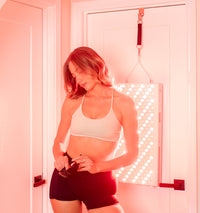
Devices like the MitoADAPT 2.0 Series let you customize the blend of red and near‑infrared wavelengths, while the MitoMIND™ Helmet is purpose‑built for transcranial photobiomodulation. Experimenting within safe guidelines can help you find a pattern that feels most supportive.
7. Track Your Own Data
Keep a simple log of sessions and key outcomes: focus, mood, sleep quality, productivity, or ADHD rating scales if you use them. Share this information with your clinician so you can make data‑informed adjustments over time.
8. Coordinate with Professionals
If you have a formal ADHD diagnosis, let your prescribing clinician or therapist know you are using or considering red light therapy. They can help you integrate it into your existing plan and monitor for any unexpected changes.
The Final Word
At Mito Red Light, we believe in complementing traditional ADHD care with thoughtful, science‑informed tools. Red and near‑infrared light therapy are not cures and are not approved ADHD treatments—but early research and real‑world experience suggest they may help support executive function, sleep, and overall brain health when used properly.
If you are curious about bringing these wavelengths back into your daily life, our red light therapy devices—including the brain‑focused MitoMIND Helmet and customizable MitoADAPT 2.0 panels—are designed to make consistent, targeted photobiomodulation practical at home. Used alongside clinician‑directed ADHD care, they may become a valuable part of your long‑term support toolkit.
Click to learn more about potential red light therapy benefits or use our Store Locator to find commercial Mito Red Light therapy near you.
Frequently Asked Questions
Can red light therapy treat or cure ADHD?
No. Red light therapy is not an approved treatment or cure for ADHD. It should only be used as a complementary wellness tool alongside evidence‑based medical and behavioral interventions directed by a qualified clinician.
Is transcranial photobiomodulation safe for people with ADHD?
Transcranial photobiomodulation has been well tolerated in early studies when delivered with appropriate wavelengths, power, and session duration. However, safety depends on individual factors, including co‑existing conditions and medications, so any brain‑directed protocol should be discussed with a healthcare professional first.
What wavelengths are most relevant for ADHD‑related brain support?
Most transcranial research has focused on near‑infrared wavelengths between roughly 800 and 1100 nm, with several studies using 808–810 nm or 1064 nm over the prefrontal cortex. Some devices combine these NIR bands with red light for additional surface‑level support.
How soon might I notice any effects on focus or working memory?
In research settings, some cognitive improvements have been observed within days to weeks of structured transcranial photobiomodulation protocols. In real‑world use, timelines vary, and many people evaluate their response over several weeks to a few months of consistent use.
Which Mito Red Light device is best if I want to support brain health?
For brain‑focused applications, the MitoMIND Helmet is specifically designed for transcranial photobiomodulation. For broader use that includes cognitive, sleep, and systemic goals, high‑output panels such as the MitoADAPT 2.0 Series offer flexible red + NIR coverage that can be integrated into a whole‑body routine.
References
-
>American Psychiatric Association. What is ADHD?
>Transcranial photobiomodulation enhances visual working memory capacity in humans. Science Advances. 2022.
>Repetitive transcranial photobiomodulation improves working memory and attention in adults with ADHD: A 4‑week follow‑up study. Photobiomodulation, Photomedicine, and Laser Surgery. 2025.
>Effect of red light on sleep quality and melatonin in athletes. Journal of Athletic Training. 2012.
>Cleveland Clinic. Red Light Therapy: Benefits, Side Effects & Uses.
>University of Colorado Boulder. Not just the powerhouse of the cell.
>Low‑level light therapy in muscle performance and recovery: A systematic review.
>Photobiomodulation and tissue repair: mechanisms and clinical applications.
>Low‑level laser (light) therapy for androgenetic alopecia: A randomized controlled trial.
>Mito Red Light. Red Light Therapy for ADHD: Does It Help?
>Mito Red Light. Red Light Therapy Benefits.
>Mito Red Light. Red Light Therapy and Sleep.
This article discusses published scientific research and general educational information about photobiomodulation and red light therapy. It does not constitute medical advice and does not make specific claims about Mito Red Light devices. The research cited reflects independent peer-reviewed studies and does not imply that any Mito Red Light product has been evaluated, approved, or cleared by the FDA or any other regulatory body for the diagnosis, treatment, cure, or prevention of any disease or medical condition. Individual results vary. Consult a qualified healthcare professional before beginning any light therapy protocol, particularly if you have a pre-existing medical condition, are pregnant, or are taking photosensitising medications.
Mito Red Light products are general wellness devices. They are not medical devices and have not been evaluated, cleared, or approved by the FDA or any regulatory body for the diagnosis, treatment, cure, or prevention of any disease or medical condition. Any references to peer-reviewed research or clinical studies on this page describe findings from independent scientific literature and do not imply that Mito Red Light devices have been studied, tested, or proven effective for any specific condition. Always consult a qualified healthcare provider before beginning any new wellness routine, particularly if you have a medical condition or are taking medication.
Related articles
More from the brain, mood & cognitive health knowledge cluster