













Panel Series
Red light therapy accelerates muscle recovery by increasing mitochondrial energy production and reducing exercise-induced oxidative stress. Clinical studies using 808–850nm near-infrared wavelengths consistently show reduced DOMS, lower creatine kinase levels, and faster return-to-performance in athletes.
Key Takeaways:
- Athletes use red light therapy to support muscle recovery, manage exercise-related inflammation, and reduce post-workout soreness.
- Timing and dosage matter, with many athletes using red light therapy before or within an hour after training sessions.
- Red light therapy works best when integrated into a consistent, well-rounded recovery routine rather than used in isolation.
Athletes put their bodies under constant stress. Training creates microscopic damage in muscle fibers, connective tissue, and tendons, which is a normal part of getting stronger. Recovery is where adaptation happens, and that is where red light therapy has earned attention in athletic routines.
Red light therapy, often abbreviated as RLT, uses specific wavelengths of red and near-infrared light to support cellular function. For athletes, the focus is on how this light exposure might fit into recovery, soreness management, the inflammatory response, and readiness for the next session. Read on to learn how red light therapy may help support athletic recovery — and why athletes like Auston Matthews trust Mito Red Light.
What To Know About Red Light Therapy for Athletes
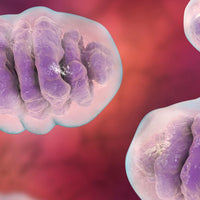
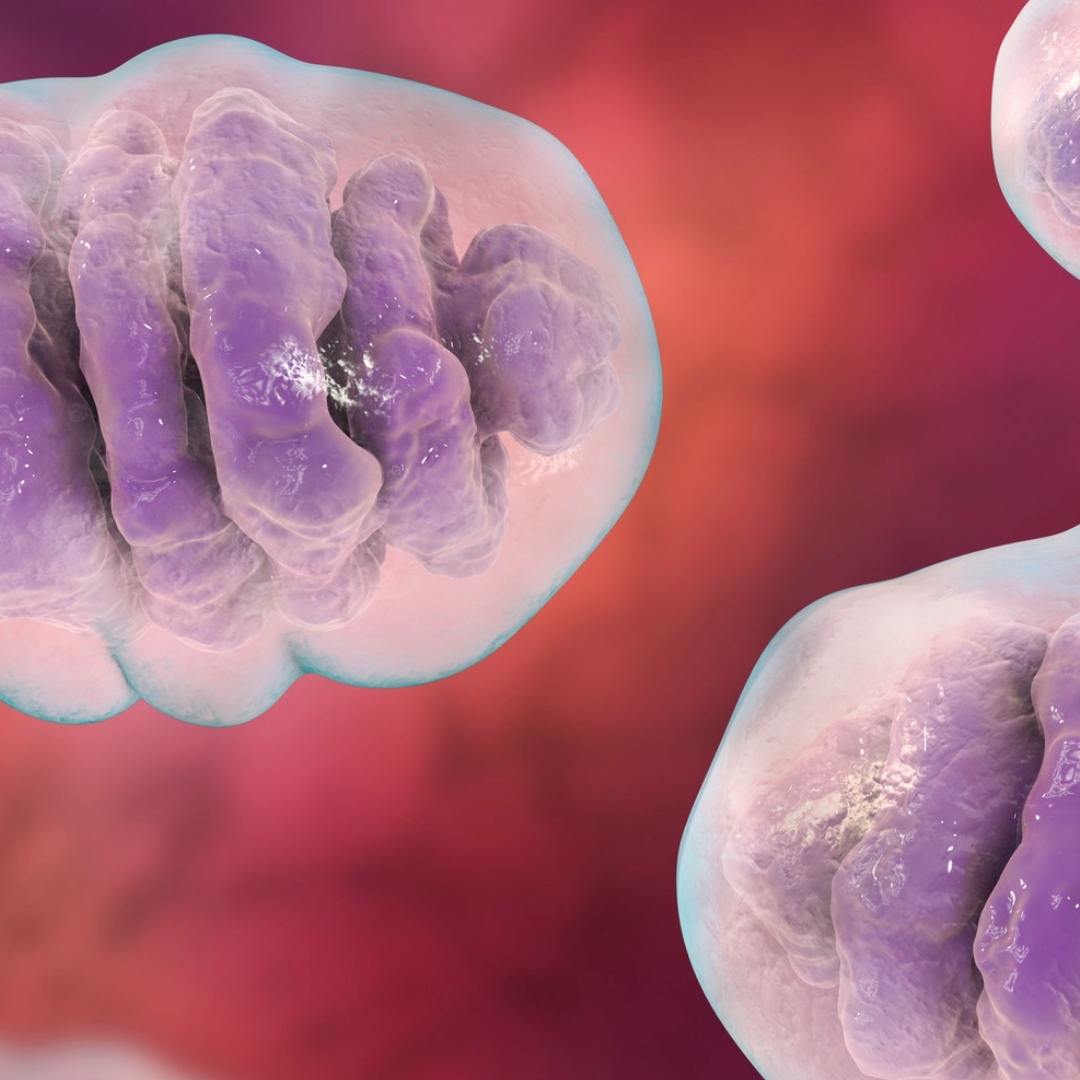
Red light therapy works at the cellular level. The wavelengths commonly used in athletic recovery are absorbed by mitochondria, which play a key role in cellular energy production. When these cells function efficiently, tissues may recover more smoothly from physical stress.
Athletes and sports practitioners often associate red light therapy with several areas of recovery-focused research, including:
- Support for delayed onset muscle soreness after intense training
- Support for muscle and tendon repair processes
- Support for microcirculation in treated tissues
Red light therapy is non-thermal and non-UV. It does not heat tissue and does not rely on ultraviolet exposure, which makes it a practical option for frequent use within recovery routines when applied as directed.
How To Choose the Right Red Light Device for Muscle Recovery
Device choice matters because recovery needs vary by tissue depth and coverage area. Athletes typically choose devices based on the size and location of the target tissue:
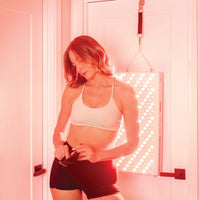
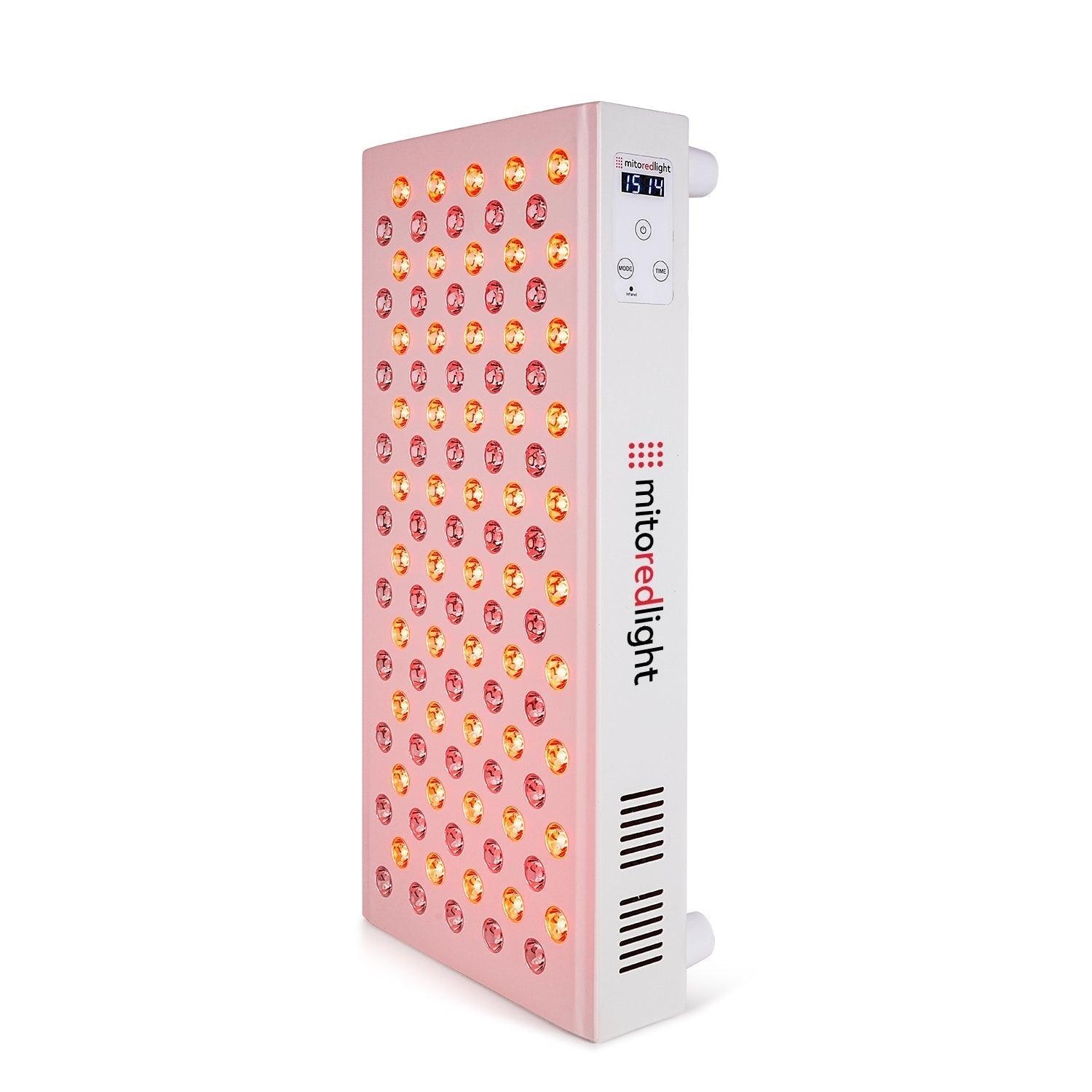
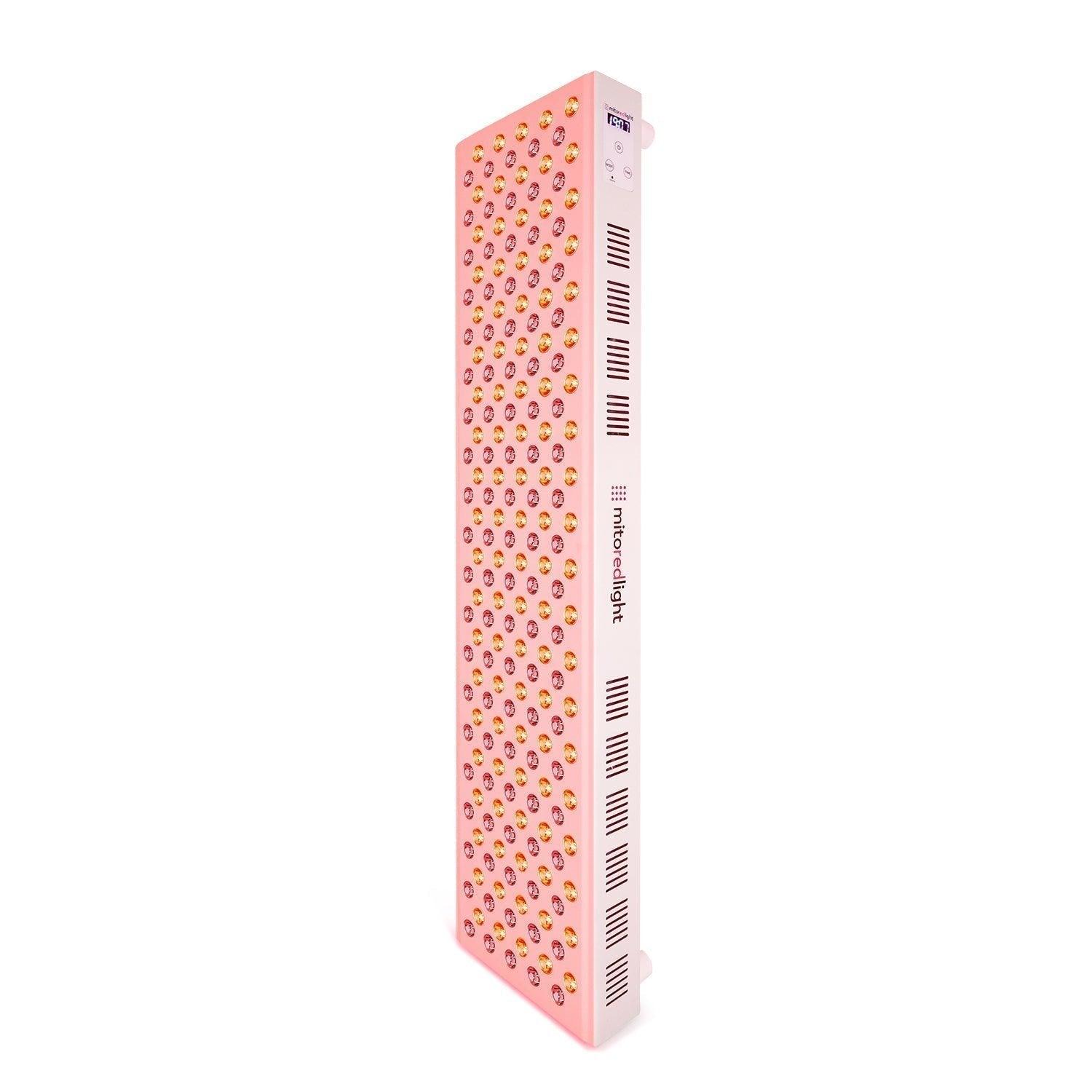
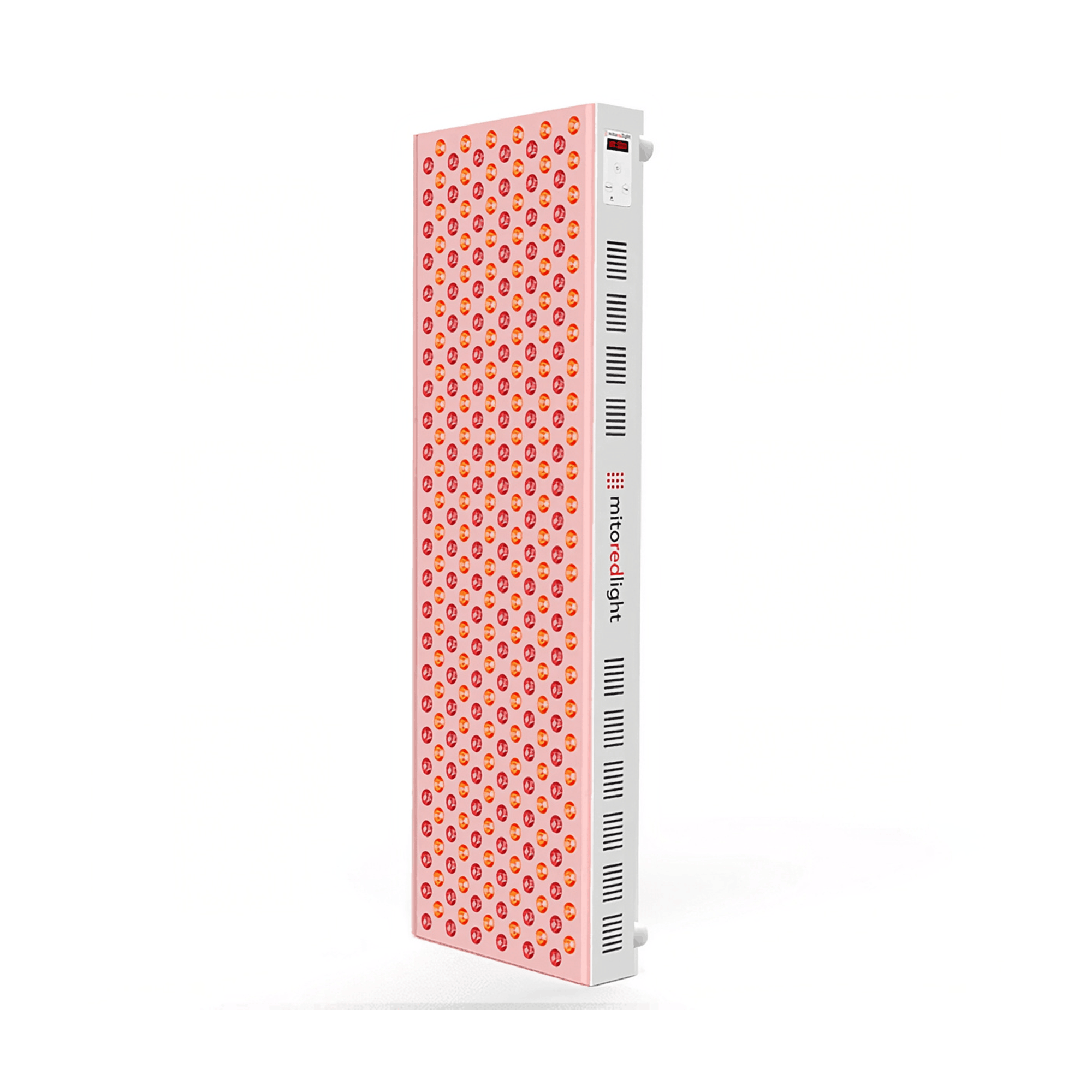
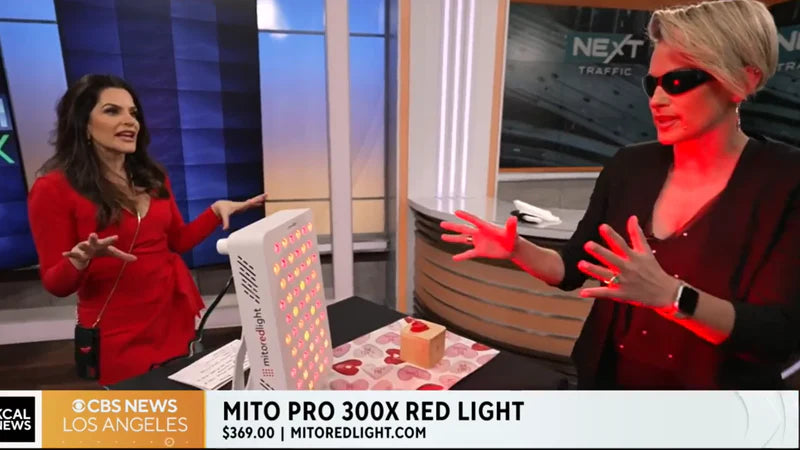
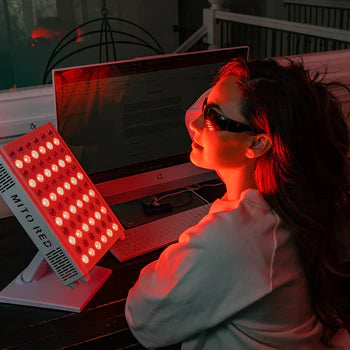
- Panels are often used for large muscle groups like the quadriceps, hamstrings, glutes, or the back. Try MitoPRO+ for straightforward daily sessions or MitoADAPT 4.0 if you want advanced control over modes and timing.
- Handheld devices or pads work well for targeted areas such as tendons or smaller muscle groups. The MitoQUAD™ Belt makes hands-free sessions easy on calves, elbows, or the lower back.
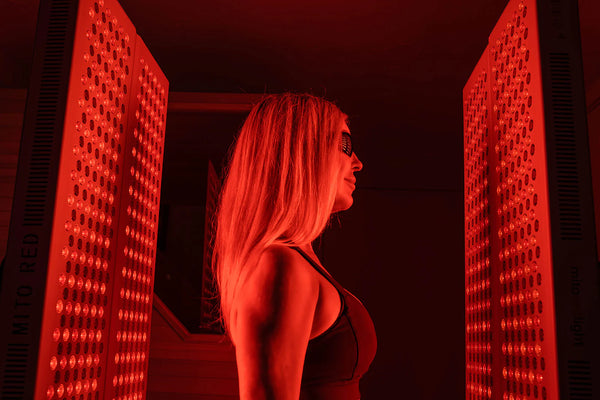
- Full-body beds or cabins are used for systemic recovery when multiple areas need support. The MitoRECHARGE™ Bed, for example, is a comprehensive, medical-grade option with unmatched design.
Clinical-grade LED devices with clearly defined irradiance values are preferred. Heat lamps or consumer products without transparent specifications do not provide the same level of control or consistency. For athletic recovery, commonly used wavelength ranges include red light in the mid-600-nanometer range and near-infrared light in the low-to-mid 800-nanometer range. These wavelengths are widely studied in exercise and rehabilitation research.
At Mito Red Light, our panels center on mid-600 nm red and low-to-mid 800 nm NIR (the bands most commonly referenced in exercise and rehab literature) so that athletes can build routines aimed at circulation and everyday inflammation support without chasing unproven ranges.
Our partnership with hockey star Auston Matthews is a testament to our device quality — we bring you defined wavelengths, verified output, and durable hardware, all delivered in athlete-friendly formats.
How To Time Red Light Therapy Around Workouts
Timing influences how red light therapy fits into training. Pre-exercise use is typically brief and lower in dose. Some athletes use it before training sessions to support fatigue resistance and neuromuscular readiness.
Post-exercise use is more common and often involves slightly longer sessions. Applying red light therapy within about 30 to 60 minutes after intense training is frequently associated with reduced soreness and a smoother inflammation response. If you also use a sauna after training, see How Long Should You Be in the Sauna After a Workout?
Timing strategies often vary by sport:
- Endurance athletes may use sessions before and after key training blocks
- Strength and power athletes often favor short pre-lift exposure and longer post-lift sessions
A simple approach is to identify the target muscle groups, choose pre- or post-training timing based on the goal, and space sessions consistently throughout the week.
How To Integrate Red Light Therapy Into a Recovery Routine
Red light therapy works best when it complements, rather than replaces, other recovery fundamentals.
Many athletes stack red light therapy with:
- Mobility work, stretching, or corrective exercise
- Cold or contrast exposure, when appropriate
- Consistent sleep routines and circadian-friendly schedules
Using red light therapy at similar times of day can also support sleep and recovery patterns. Monitoring how the body responds over several weeks helps guide adjustments in timing or frequency.
Monitoring Progress and Adjusting Use
Athletic recovery is dynamic. What works during one training phase may need adjustment later.
Athletes often log:
- Soreness ratings
- Perceived recovery and readiness
- Training performance markers
- Rehabilitation milestones
If progress plateaus, reducing frequency or cycling sessions may help maintain responsiveness over the long term. Recovery tools tend to work best when used intentionally rather than continuously without variation.
Safety Tips and Practical Considerations
Red light therapy is non-ionizing, non-UV, and non-tanning. When used as directed, it is generally considered safe for healthy adults.
Key safety considerations include:
- Using clinical-grade devices with known specifications
- Following recommended session durations and distances
- Avoiding unmeasured consumer lamps or high-powered lasers
- Seeking professional guidance when working with acute injuries or rehabilitation programs
Athletes integrating red light therapy alongside injury recovery should consult a sports medicine physician or physical therapist to ensure it aligns with their broader plan.
The Bottom Line
Athletes use red light therapy as part of a broader recovery strategy focused on tissue support, inflammation response, and readiness between training sessions. When paired with smart programming, proper timing, and consistent recovery habits, red light therapy can fit seamlessly into modern athletic routines.
This article discusses published scientific research and general educational information about photobiomodulation and red light therapy. It does not constitute medical advice and does not make specific claims about Mito Red Light devices. The research cited reflects independent peer-reviewed studies and does not imply that any Mito Red Light product has been evaluated, approved, or cleared by the FDA or any other regulatory body for the diagnosis, treatment, cure, or prevention of any disease or medical condition. Individual results vary. Consult a qualified healthcare professional before beginning any light therapy protocol, particularly if you have a pre-existing medical condition, are pregnant, or are taking photosensitising medications.
Dive deeper into the research
- Mito Red Research Evidence Hub — 10,000+ indexed PBM studies across 15 clinical categories.
- Wavelength reference — 633, 660, 810, and 830 nm comparison and dosing data.
- Independent third-party testing — spectrometer-verified output across the Mito Red product line.
- Mito Red Scientific Advisory Board — review workflow, evidence grading, primary-literature sourcing.
Mito Red Light products are general wellness devices. They are not medical devices and have not been evaluated, cleared, or approved by the FDA or any regulatory body for the diagnosis, treatment, cure, or prevention of any disease or medical condition. Any references to peer-reviewed research or clinical studies on this page describe findings from independent scientific literature and do not imply that Mito Red Light devices have been studied, tested, or proven effective for any specific condition. Always consult a qualified healthcare provider before beginning any new wellness routine, particularly if you have a medical condition or are taking medication.
Related articles
More from the muscle recovery & performance knowledge cluster