















Panel Series
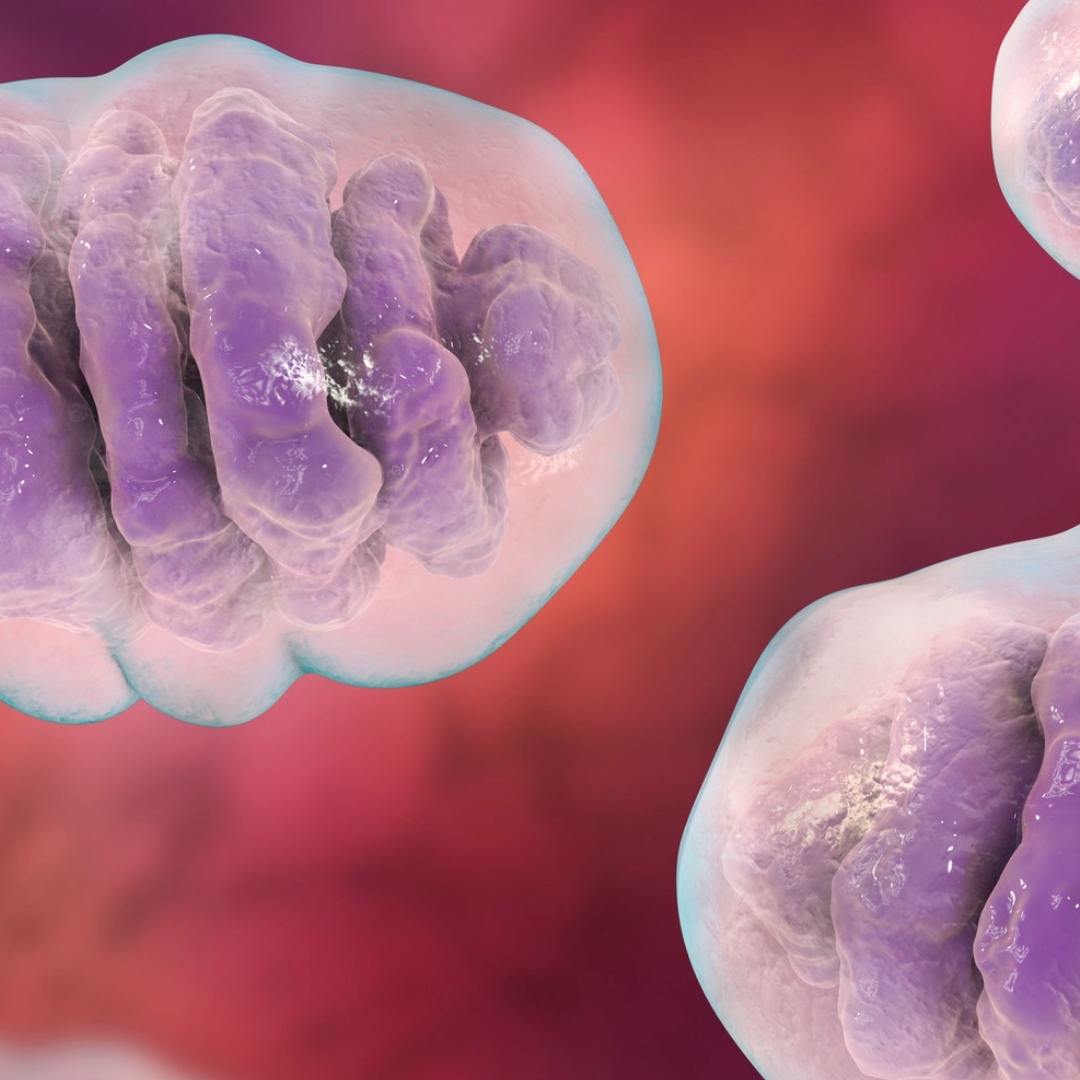
Red light therapy (photobiomodulation) uses specific wavelengths of red and near-infrared light to support cellular energy production in the mitochondria. From our Scottsdale, Arizona team, Mito Red Light tracks 10,000+ peer-reviewed studies across skin health, muscle recovery, inflammation, brain function, hair growth, and more.
Key Takeaways:
- Red light therapy can be used before a workout to support performance or after a workout to support recovery and soreness reduction.
- Pre-workout sessions are usually shorter and focused on performance, while post-workout sessions are often slightly longer and focused on repair.
- Consistency, clinically relevant wavelengths, and pairing light therapy with good sleep, training, and nutrition habits produce the most noticeable results.
So, should you use red light therapy before or after a workout? The short answer is both can work. Use red light therapy before exercise when your goal is energy, output, and endurance. Use it after exercise when your goal is muscle recovery, soreness reduction, and getting ready for the next session.
In this guide, we’ll break down when to use red light therapy, what benefits to expect from each timing strategy, and how to structure sessions for better performance and recovery.
What Is Red Light Therapy?
Red light therapy, also called low-level light therapy (LLLT) or photobiomodulation, uses specific wavelengths of red and near-infrared light to support cellular activity and natural repair processes.
When cells produce more usable energy in the form of ATP, they can function more efficiently, recover faster, and respond better to physical stress. That matters for exercise because training creates controlled stress and micro-damage in muscle and connective tissue.
Red light therapy does not replace training, recovery, or nutrition. Instead, it works as a support tool that may help your body perform better before exercise and recover more efficiently afterward.
For workout and recovery routines, the most commonly used wavelengths are red light in the 630-660nm range and near-infrared light in the 810-850nm range. These ranges are widely used in photobiomodulation research and are often chosen for muscle, joint, and tissue applications.
Our ESPEO™ multi-wavelength LED engineering is designed to cover both red and near-infrared ranges, and every Mito Red Light panel is IEC-certified for safety. That makes it easier to bring research-backed light therapy into your home gym, recovery room, or training routine.
Looking for a broader overview? Read our complete guide to red light therapy.
Is Red Light Therapy Better Before or After a Workout?
Red light therapy can be useful both before and after exercise, but the best timing depends on your goal.
- Before a workout: best for performance, power, endurance, and muscle pre-conditioning.
- After a workout: best for recovery, soreness, inflammation support, and repair.
Think of pre-workout red light therapy as a way to prepare tissue for work, and post-workout red light therapy as a way to help tissue bounce back after stress. Many athletes use both approaches in the same week depending on the type of session they are doing.
What Are the Benefits of Red Light Therapy Before a Workout?
Using red light therapy before a workout is often described as a pre-conditioning strategy. The idea is to support mitochondrial energy production before exercise begins so muscles are better prepared to handle effort.
Pre-exercise red and near-infrared light exposure has been studied for its effects on cellular energy production, and some exercise studies have reported improvements in performance measures such as strength, endurance, and time to exhaustion.
Potential benefits of pre-workout red light therapy include:
- Supporting ATP production before training
- Helping reduce fatigue during exercise
- Supporting power output and muscular endurance
- Helping reduce oxidative stress and muscle damage associated with hard training
Many athletes use red light therapy on the legs, back, shoulders, or other major muscle groups before strength sessions, sprint sessions, or long endurance workouts. In real-world use, it is often favored on heavy training days, competition days, or when trying to maintain output during high-volume blocks.
What Are the Benefits of Red Light Therapy After a Workout?
Post-workout red light therapy is mainly about recovery. Once training is over, the focus shifts from performance to repair.
After exercise, muscles and connective tissue are dealing with inflammation, metabolic stress, and microscopic tissue damage. Post-workout sessions are commonly used to help support circulation, recovery, and tissue repair while also reducing the heavy, sore feeling that can build over the next 24 to 48 hours.
Potential benefits of red light therapy after a workout include:
- Supporting muscle recovery after intense exercise
- Helping reduce delayed onset muscle soreness (DOMS)
- Supporting healthy inflammation response
- Helping you feel ready for the next workout sooner
Post-workout light therapy is especially popular during strength blocks, long endurance weeks, and sports with frequent training sessions, because recovery speed can influence how well you perform over time.
What Does the Research Suggest?
Research on photobiomodulation and exercise suggests that timing changes the primary effect you are aiming for.
Pre-exercise use has been associated in multiple studies with better muscle performance, improved repetition capacity, and longer time to exhaustion. Post-exercise use has been associated with less soreness, better recovery markers, and support for muscle repair.
Some research also suggests that using red light therapy both before and after training may be beneficial in certain situations, especially for people with demanding training schedules. In practice, however, most people do best by keeping things simple and matching timing to the day’s main goal.
How To Use Red Light Therapy for Optimal Performance and Recovery
Timing matters, but the protocol does not need to be complicated. Here is a practical way to think about it:
For Performance
Use red light therapy before training when you want to support output, endurance, or readiness. A common approach is 5-20 minutes on the muscle groups you plan to train, ideally several hours before exercise. This is often used for strength sessions, intervals, long runs, or competition prep.
For Recovery
Use red light therapy after training when your main goal is recovery. A common approach is 10-20 minutes per area as soon as practical after the session, ideally within the first two to four hours. This is a good fit for soreness reduction, muscle repair support, and high-frequency training blocks.
For Combined Performance and Recovery
Some athletes use both approaches in the same week, or even around the same training day. For example, they may do a shorter targeted session before training and a slightly longer recovery session after. If you try this, keep each session moderate and track how your body responds.
Most people get the best results from consistency rather than very long sessions. Two to four sessions per week is a realistic starting point for many training programs.
What Type of Device Works Best for Workouts?
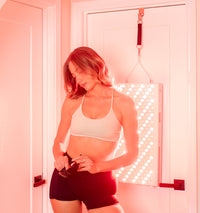
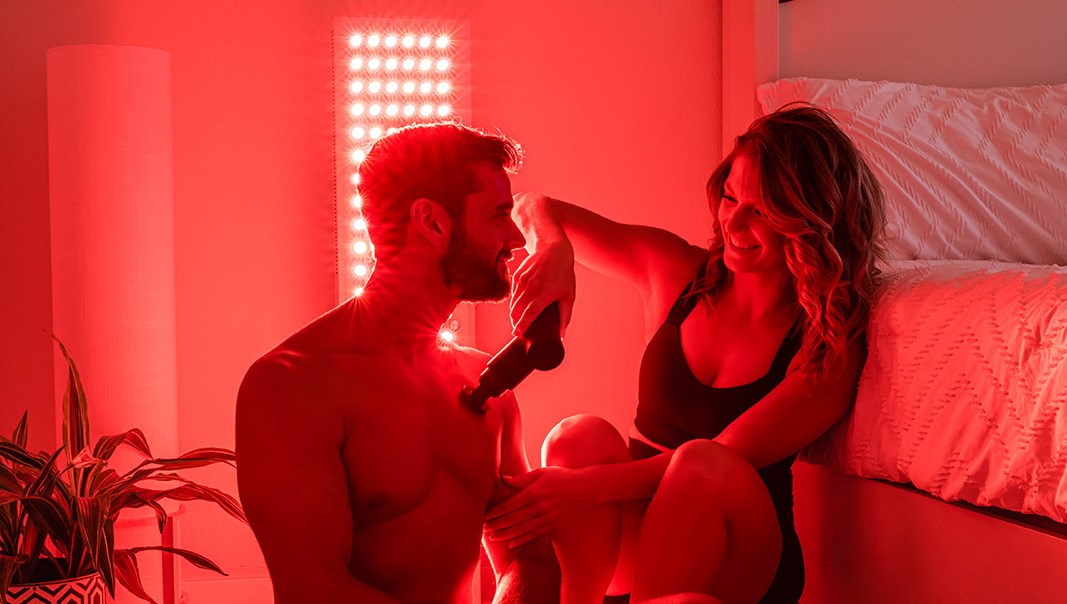
For full-body training and recovery, red light therapy panels are usually the most efficient choice because they let you cover more muscle groups at the same time. That makes them practical for legs, back, shoulders, glutes, and full-body recovery sessions.
Targeted devices such as belts, wraps, or smaller panels can also work well when your goal is to focus on a specific area like the knees, hips, shoulders, or lower back.
When comparing devices, look for:
- Clinically relevant red and near-infrared wavelengths
- Published irradiance or power data
- Sufficient treatment coverage for your training goals
- Independent testing and safety certifications
If you are building a home setup, explore our panel series for full-body use or browse devices based on the areas you train most often.
Red Light Therapy Before or After Workout: FAQs
Should I use red light therapy before or after my workout?
You can use red light therapy either before or after a workout. Before exercise, it is mainly used to support performance and cellular energy production. After exercise, it is mainly used to support recovery, soreness reduction, and tissue repair. The better choice depends on whether your immediate goal is output or recovery.
How long should you do red light therapy before a workout?
Most pre-workout sessions are relatively short, often around 5-20 minutes per area depending on the device and the muscle groups being treated. The goal is to support performance without overcomplicating your routine.
How soon after a workout should you use red light therapy?
For recovery, it is generally best to use red light therapy as soon as practical after your workout, ideally within the first two to four hours. Many people include it as part of a cooldown or evening recovery routine.
Can I use red light therapy before and after a workout on the same day?
Yes. Some athletes use a shorter pre-workout session for performance and a longer post-workout session for recovery. If you use both, keep sessions moderate and pay attention to how your body responds over time.
How often should you use red light therapy for muscle recovery?
A common starting point is two to four sessions per week, with the exact frequency depending on your training volume, device output, and recovery goals. Consistency over time usually matters more than doing very long sessions.
Does red light therapy actually improve exercise performance?
Several controlled studies have reported improvements in exercise-related outcomes such as strength, endurance, and time to exhaustion when red or near-infrared light was used before training. Individual results vary, and red light therapy should be viewed as a support tool rather than a substitute for good training, sleep, and nutrition.
What kind of red light therapy device is best for exercise and recovery?
For larger muscle groups and full-body use, panels are usually the most practical option because they cover more tissue at once. Smaller targeted devices can be useful for specific joints or muscle groups. The best device is one with clinically relevant wavelengths, transparent performance data, and enough coverage for your routine.
The Bottom Line
Red light therapy can be useful both before and after a workout. If your goal is better performance, use it before training. If your goal is better recovery, use it after training. And if your routine is demanding, you may benefit from using both approaches strategically across the week.
For at-home red light therapy devices built for performance, recovery, and full-body use, explore Mito Red Light’s panel collection.
Mito Red Light products are general wellness devices. They are not medical devices and have not been evaluated, cleared, or approved by the FDA or any regulatory body for the diagnosis, treatment, cure, or prevention of any disease or medical condition. Any references to peer-reviewed research or clinical studies on this page describe findings from independent scientific literature and do not imply that Mito Red Light devices have been studied, tested, or proven effective for any specific condition. Always consult a qualified healthcare provider before beginning any new wellness routine, particularly if you have a medical condition or are taking medication.
Related articles
More from the muscle recovery & performance knowledge cluster