




Panel Series
Red light therapy (photobiomodulation) uses specific wavelengths of red and near-infrared light — primarily in the 630–850 nm range — to stimulate mitochondrial energy production in cells. The downstream effects of improved cellular energy span multiple tissue types and body systems, which is why the published research on photobiomodulation covers applications as diverse as skin rejuvenation, muscle recovery, joint pain, hair growth, sleep, and cognitive function. Evidence strength varies significantly by application: skin and wound healing have the most robust RCT-level support, while neurological and metabolic applications are promising but earlier-stage. This article summarizes the most well-supported benefits, the mechanisms behind them, and realistic expectations for each.
How One Therapy Can Affect So Many Systems
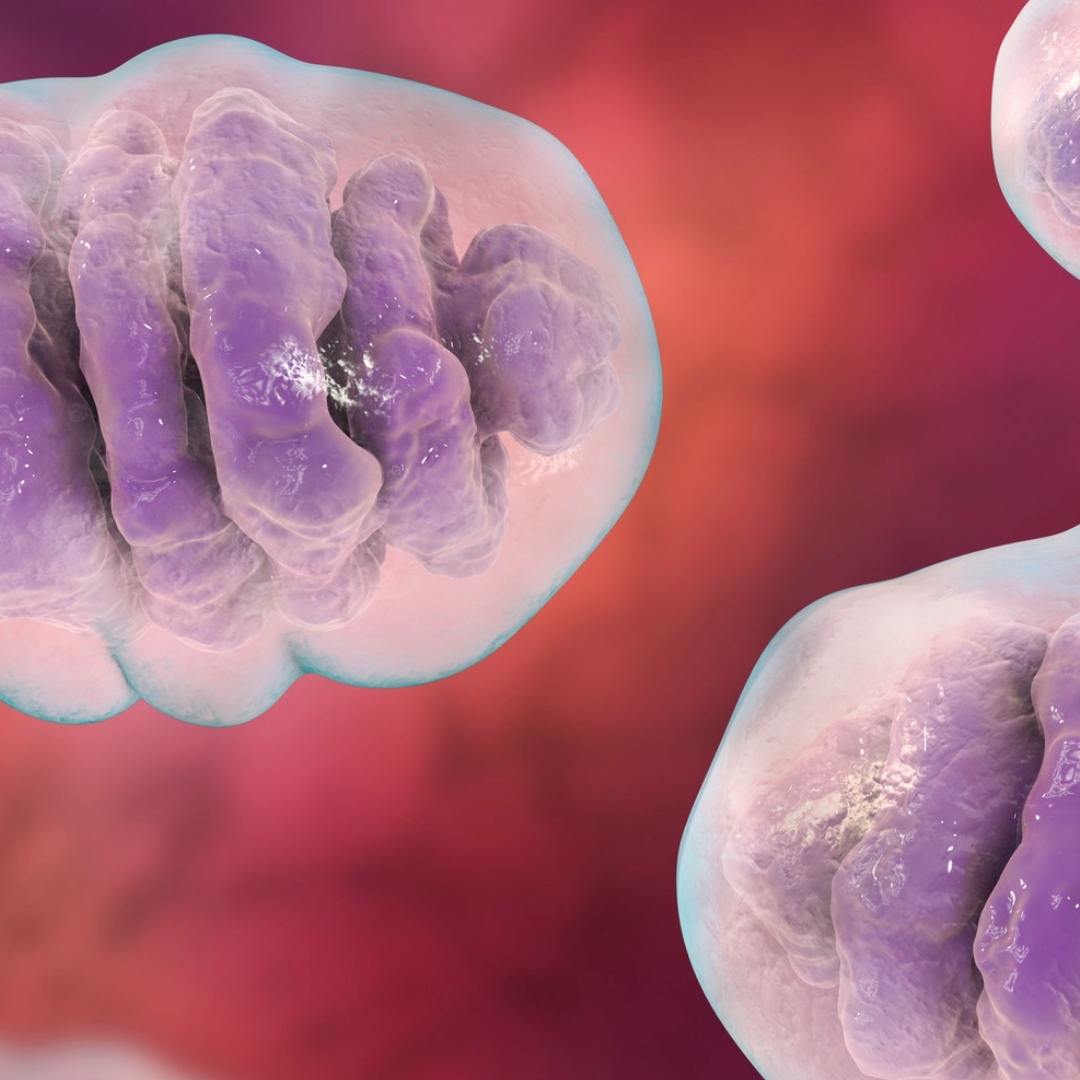
Red light therapy's breadth of applications is not a marketing claim — it reflects a fundamental biological fact. Mitochondria are present in virtually every cell in the human body, and cytochrome c oxidase (CCO) — the primary chromophore that absorbs red and near-infrared light — is a core component of the mitochondrial respiratory chain in all of them.
When CCO absorbs light at specific wavelengths (particularly 630, 660, 810, and 850 nm), it enhances electron transfer within the respiratory chain, increasing ATP production and reducing the accumulation of reactive oxygen species that impair cellular function under stress. ATP is the energy currency that powers cellular repair, synthesis, and signaling. More ATP means more capacity for the cell to do its job — whatever that job is.
In a skin fibroblast, more ATP means more collagen synthesis. In a muscle cell recovering from exercise, it means faster repair of microtrauma. In a hair follicle cell, it means sustained activity during the growth phase. In a neuron, it means better energy availability for signaling and plasticity. The mechanism is common; the downstream effects vary by cell type and tissue.
This is why a single modality can have genuine, mechanistically grounded evidence across seemingly unrelated applications — and why evidence quality matters when evaluating specific claims.
Benefit 1 — Skin Rejuvenation and Collagen Support
Evidence level: Strong — multiple RCTs and systematic reviews
Skin health is the most extensively studied and best-evidenced application for red light therapy. Red wavelengths (630–660 nm) penetrate the dermis and stimulate fibroblasts — the cells that produce collagen and elastin. Near-infrared wavelengths (830 nm) reach deeper dermal layers, extending this effect throughout the full thickness of the dermis.
A landmark randomized controlled trial by Lee et al. (2007) used a split-face, double-blinded, placebo-controlled design and found statistically significant improvements in wrinkle depth, skin smoothness, and elasticity. Crucially, histological analysis confirmed actual structural changes in the dermis — increased collagen and elastic fibers — not just surface appearance differences.
A 2024 comprehensive review in the International Journal of Molecular Sciences summarized the photobiomodulation literature for skin and confirmed consistent findings across studies for texture, fine lines, and elasticity at appropriate dosing over defined treatment periods.
Realistic expectation: Measurable improvements in skin texture and firmness at 8–12 weeks of consistent use (4–5 sessions per week). Structural collagen changes are cumulative and continue with ongoing treatment.
Benefit 2 — Acne Treatment
Evidence level: Strong for mild to moderate acne — multiple RCTs
Blue light (415–465 nm) has a well-established antimicrobial mechanism for acne. It activates endogenous porphyrins inside Cutibacterium acnes bacteria, generating reactive oxygen species that damage bacterial cell membranes — a photochemical rather than mitochondrial effect. Red light (630 nm) is added to acne protocols for its anti-inflammatory and barrier-repair properties, reducing post-inflammatory redness and supporting skin recovery after bacterial clearance.
A 2025 systematic review of blue light therapy in dermatology confirmed efficacy for mild to moderate acne vulgaris with a favorable side effect profile compared to topical antibiotics. Combined blue + red protocols are the most studied and most effective approach. This application is also the basis for FDA 510(k) clearance of consumer LED devices including the MitoGLOW mask.
Realistic expectation: Meaningful reduction in active breakouts at 4–8 weeks of consistent use. Most effective for inflammatory acne; less effective as a standalone treatment for cystic or hormonal acne.
Benefit 3 — Muscle Recovery and Athletic Performance
Evidence level: Moderate-strong — multiple RCTs and a systematic review
Near-infrared wavelengths (830–850 nm) penetrate 4–6 cm into tissue, reaching the deep muscle layers affected by exercise-induced microtrauma. The increased ATP availability supports faster cellular repair, and the anti-inflammatory effects of photobiomodulation reduce the cytokine signaling associated with delayed-onset muscle soreness (DOMS).
A systematic review published in Lasers in Medical Science found that photobiomodulation applied before and after high-intensity exercise significantly reduced muscle fatigue and DOMS compared to controls. Some studies show benefits when applied pre-workout (priming mitochondrial function before the metabolic stress of exercise) as well as post-workout (supporting repair).
Realistic expectation: Reduced muscle soreness and faster subjective recovery within 2–4 weeks of consistent post-workout use. Best results with full-body or targeted panel coverage of the muscle groups trained, using 850 nm as the primary wavelength.
Benefit 4 — Joint Comfort and Pain Support
Evidence level: Moderate — systematic reviews with mixed but generally positive findings
Near-infrared light at 810–850 nm reaches joint capsules, periarticular tissue, and bone-adjacent structures several centimetres below the surface. The anti-inflammatory and ATP-enhancing effects of photobiomodulation are relevant to joint conditions where local inflammation and impaired tissue repair drive discomfort and functional limitation.
A systematic review of low-level laser therapy for osteoarthritis found short-term reductions in pain and morning stiffness, though reviewers noted variability across study protocols. A broader review of musculoskeletal applications found consistent evidence for photobiomodulation as a supportive pain management tool for tendinopathy, neck pain, and joint conditions, with effect sizes comparable to NSAIDs in some studies.
Realistic expectation: Gradual reduction in joint discomfort and improved morning mobility over 4–8 weeks of consistent use. Most supported as a complement to other joint health strategies rather than a standalone treatment for severe or degenerative joint disease.
Benefit 5 — Wound Healing and Tissue Repair
Evidence level: Strong in clinical settings — well-established mechanism and multiple studies
Wound healing is one of the earliest and most replicated applications in photobiomodulation research, dating to Endre Mester's original observations in the 1960s. Red and near-infrared light support wound healing through multiple pathways: improved ATP availability for cellular repair, stimulation of fibroblast and keratinocyte proliferation, enhanced angiogenesis (new blood vessel formation), and modulation of pro-inflammatory cytokines.
Clinical applications include post-surgical wound healing, diabetic ulcer management, and tissue repair following cosmetic procedures. Many dermatologists use LED therapy as a post-procedure tool specifically because of its tissue repair support. For at-home users, the practical relevance is skin barrier recovery from environmental stress, minor wounds, and post-acne repair.
Realistic expectation: Faster resolution of minor wounds, reduced redness and recovery time after skin stress. Clinical wound care applications require medical supervision and higher-powered devices.
Benefit 6 — Hair Growth
Evidence level: Moderate-strong — multiple RCTs, FDA clearance for specific indication
Low-level red light therapy (typically 630–650 nm) for androgenetic alopecia (pattern hair loss) is one of the better-evidenced consumer applications and is FDA-cleared for this specific indication. The mechanism involves improved mitochondrial function in hair follicle cells and stimulation of follicles during the anagen (active growth) phase, extending the growth cycle and increasing follicular density.
Multiple RCTs have found statistically significant increases in hair count and density after consistent red light therapy use. Results are most pronounced in early to moderate hair loss; advanced alopecia responds less predictably. Treatment must be ongoing — benefits diminish when treatment is stopped.
Realistic expectation: Increased hair density and reduced shedding at 12–26 weeks of consistent treatment. Most effective when started early. Requires dedicated scalp-targeted devices or helmets for adequate coverage. For a full protocol breakdown see our red light therapy for hair growth guide.
Benefit 7 — Sleep Quality and Circadian Support
Evidence level: Emerging — promising but limited RCT evidence
Red and near-infrared wavelengths may support sleep through two mechanisms: direct photobiomodulation effects on melatonin synthesis pathways, and indirect circadian support by providing a light source that does not suppress melatonin (unlike blue-rich artificial light). A 2012 RCT in the Journal of Athletic Training found that whole-body red light therapy significantly improved sleep quality and reduced fatigue in female athletes compared to controls.
The broader context is relevant: most modern indoor environments over-expose people to blue-rich light in the evening, suppressing melatonin and disrupting circadian signaling. Evening red light sessions add non-melatonin-suppressing light while potentially supporting the body's natural transition toward sleep.
Realistic expectation: Modest sleep quality improvements with consistent evening use over several weeks. Evidence is promising but not as robust as for skin or recovery applications. Most useful as part of a broader sleep hygiene approach rather than a standalone sleep intervention.
Benefit 8 — Cognitive Function and Brain Health
Evidence level: Emerging — early-stage research with mechanistic plausibility
Transcranial photobiomodulation — applying near-infrared light (primarily 810 nm) near the scalp — is an active research area examining effects on brain energy metabolism, cognitive function, and mood. The brain is highly metabolically demanding, and neurons are particularly sensitive to mitochondrial function. Near-infrared light penetrates the skull and reaches cortical tissue, where it may enhance neuronal energy availability and reduce neuroinflammation.
A review in Frontiers in Systems Neuroscience summarized promising findings for attention, memory, and executive function in both healthy subjects and those with cognitive impairment. Research has also explored applications for traumatic brain injury, depression, and anxiety. These are not established clinical treatments — they are active research areas — but the mechanistic rationale is sound and early-stage human evidence is encouraging.
Realistic expectation: This is an emerging area. Effects are not as well-established as skin or recovery applications. If brain health is a primary goal, use devices specifically designed for transcranial application (such as targeted helmets using 810 nm) rather than general-purpose panels.
Benefit 9 — Thyroid and Metabolic Support
Evidence level: Limited — small studies, not yet replicated at scale
A small number of studies have examined red and near-infrared light applied to the thyroid region for autoimmune thyroid conditions, with some findings suggesting reduced thyroid antibody levels and reduced medication dependence after consistent treatment. The mechanism may involve local anti-inflammatory effects and improved vascular function in thyroid tissue.
This is one of the more speculative application areas. The evidence is limited to small studies, the populations studied are specific (primarily autoimmune thyroiditis), and findings have not been replicated at a scale that supports confident claims. Anyone with a diagnosed thyroid condition should treat this as investigational and consult their endocrinologist before incorporating red light therapy into their care.
Realistic expectation: This should be treated as an emerging and unconfirmed application. Do not substitute red light therapy for prescribed thyroid medication without medical supervision.
Benefits Summary Table
| Benefit | Best wavelengths | Evidence level | Onset timeframe |
|---|---|---|---|
| Skin rejuvenation / collagen | 630–660 nm, 830 nm | Strong (multiple RCTs) | 8–12 weeks |
| Acne (mild to moderate) | 465 nm blue + 630 nm red | Strong (multiple RCTs) | 4–8 weeks |
| Muscle recovery / DOMS | 830–850 nm | Moderate-strong (systematic review) | 2–4 weeks |
| Joint comfort / pain | 810–850 nm | Moderate (systematic reviews) | 4–8 weeks |
| Wound healing / tissue repair | 630–660 nm, 830–850 nm | Strong (well-replicated) | Weeks (condition-dependent) |
| Hair growth | 630–650 nm | Moderate-strong (multiple RCTs, FDA cleared) | 12–26 weeks |
| Sleep / circadian support | 630–660 nm (evening) | Emerging (limited RCTs) | 2–4 weeks |
| Cognitive function | 810 nm (transcranial) | Emerging (early-stage research) | Unclear |
| Thyroid / metabolic support | 630–850 nm (targeted) | Limited (small studies only) | Unclear |
How to Get Started
The most important variables for effective red light therapy are: the right wavelength for your goal, adequate irradiance at the treatment distance, consistent session frequency, and realistic timelines. The device you choose should publish verified wavelength and irradiance data — third-party spectrometer testing is the only reliable way to confirm a device actually emits what it claims.
For skin and facial applications, an LED face mask provides the most consistent, hands-free facial coverage. For body, recovery, and joint applications, a full or half-body panel covers larger areas at the irradiance levels needed for deep-tissue effects. For hair growth, a scalp-targeted device or helmet is required for adequate follicle coverage.
For a complete protocol breakdown by goal, see:
- How long does red light therapy take to work?
- How often should you use red light therapy?
- Which wavelengths work best?
Mito Red Light devices
Find the right device for your goal
All devices independently third-party tested for wavelength accuracy and irradiance output.
Frequently Asked Questions
What are the main benefits of red light therapy?
The most well-evidenced benefits are skin rejuvenation and collagen support, acne treatment (using blue light), muscle recovery, joint comfort, wound healing, and hair growth. Sleep support, cognitive function, and metabolic applications are emerging areas with promising but less established evidence. All benefits work through a common upstream mechanism — enhanced mitochondrial energy production — but downstream effects vary by tissue type and application.
What is red light therapy most effective for?
Skin rejuvenation, collagen support, and acne treatment have the strongest RCT-level evidence and are the most predictable applications for at-home devices. Muscle recovery and joint comfort have solid systematic review support. Hair growth is well-evidenced for androgenetic alopecia specifically. Sleep and cognitive applications are real but have thinner evidence bases.
How long does red light therapy take to work?
Depends on the application. Muscle recovery benefits can be felt within days of consistent post-workout use. Acne improvements typically begin at 4–6 weeks. Skin anti-aging results are clearest at 10–12 weeks. Hair growth requires 12–26 weeks. For a goal-by-goal breakdown, see our guide to how long red light therapy takes to work.
Are the benefits of red light therapy permanent?
No — benefits are maintained through ongoing use and diminish gradually when treatment stops. Red light therapy supports ongoing cellular processes rather than producing permanent structural changes. Think of it like exercise: the benefits are real while you maintain the habit, and decline when you stop.
Is red light therapy scientifically proven?
For specific applications, yes. Skin rejuvenation, wound healing, acne, and muscle recovery have peer-reviewed RCT-level evidence. Other applications have varying evidence quality from emerging to well-established. Red light therapy as a broad concept is not a single claim — it is a delivery method for photobiomodulation, and evidence quality must be assessed per application. This article flags evidence level for each benefit covered.
Can red light therapy help with inflammation?
Yes — anti-inflammatory effects are one of the core downstream outcomes of photobiomodulation. This is relevant to skin (post-acne redness), joints (osteoarthritis, tendinopathy), muscle recovery (DOMS), and wound healing. The mechanism involves modulation of cytokine signaling and reduced oxidative stress rather than direct anti-inflammatory drug action.
References:
1. Lee SY, Park KH, Choi JW, et al. A prospective, randomized, placebo-controlled, double-blinded, and split-face clinical study on LED phototherapy for skin rejuvenation. Journal of Photochemistry and Photobiology B: Biology. 2007;88(1):51–67. pubmed.ncbi.nlm.nih.gov/17566756
2. Lodi G, et al. Blue Light Therapy in Dermatological Practice: A Review. Cosmetics. 2025;12(1):30. mdpi.com/2079-9284/12/1/30
3. Leal-Junior ECP, et al. Effect of phototherapy (low-level laser therapy and light-emitting diode therapy) on exercise performance and markers of exercise recovery: a systematic review with meta-analysis. Lasers in Medical Science. 2012;27(2):273–281. pubmed.ncbi.nlm.nih.gov/21870127
4. Bjordal JM, et al. A systematic review of low level laser therapy with location-specific doses for pain from chronic joint disorders. Australian Journal of Physiotherapy. 2003;49(2):107–116. pubmed.ncbi.nlm.nih.gov/12775206
5. Hamblin MR. Photobiomodulation for traumatic brain injury and stroke. Journal of Neuroscience Research. 2018;96(4):731–743. pubmed.ncbi.nlm.nih.gov/28580723
6. Hernández-Bule ML, et al. Unlocking the Power of Light on the Skin: A Comprehensive Review on Photobiomodulation. International Journal of Molecular Sciences. 2024;25(8):4483. mdpi.com/1422-0067/25/8/4483
7. Zhao J, et al. Red light and the sleep quality and endurance performance of Chinese female basketball players. Journal of Athletic Training. 2012;47(6):673–678. pubmed.ncbi.nlm.nih.gov/22752088
This article discusses published scientific research and general educational information about photobiomodulation and red light therapy. It does not constitute medical advice and does not make specific claims about Mito Red Light devices. The research cited reflects independent peer-reviewed studies and does not imply that any Mito Red Light product has been evaluated, approved, or cleared by the FDA or any other regulatory body for the diagnosis, treatment, cure, or prevention of any disease or medical condition. Individual results vary. Consult a qualified healthcare professional before beginning any light therapy protocol, particularly if you have a pre-existing medical condition, are pregnant, or are taking photosensitising medications.
Mito Red Light products are general wellness devices. They are not medical devices and have not been evaluated, cleared, or approved by the FDA or any regulatory body for the diagnosis, treatment, cure, or prevention of any disease or medical condition. Any references to peer-reviewed research or clinical studies on this page describe findings from independent scientific literature and do not imply that Mito Red Light devices have been studied, tested, or proven effective for any specific condition. Always consult a qualified healthcare provider before beginning any new wellness routine, particularly if you have a medical condition or are taking medication.
Related articles
More from the science & foundations knowledge cluster