






Panel Series
Red light therapy accelerates muscle recovery by increasing mitochondrial energy production and reducing exercise-induced oxidative stress. Clinical studies using 808–850nm near-infrared wavelengths consistently show reduced DOMS, lower creatine kinase levels, and faster return-to-performance in athletes.
Post-workout muscle soreness doesn't have to sideline your training. Red light therapy is a science-backed, non-invasive solution that may support general recovery for athletes and fitness enthusiasts.
How Can Red Light Therapy Boost Muscle Recovery?
Professional sports teams and Olympic athletes increasingly use red light therapy as a key component of their recovery protocols, supported by scientific evidence that specific light wavelengths improve muscle healing and reduce recovery time.
This therapy delivers targeted photons to muscle tissue, enhancing the body's natural repair processes.
How Red Light Stimulates Mitochondria
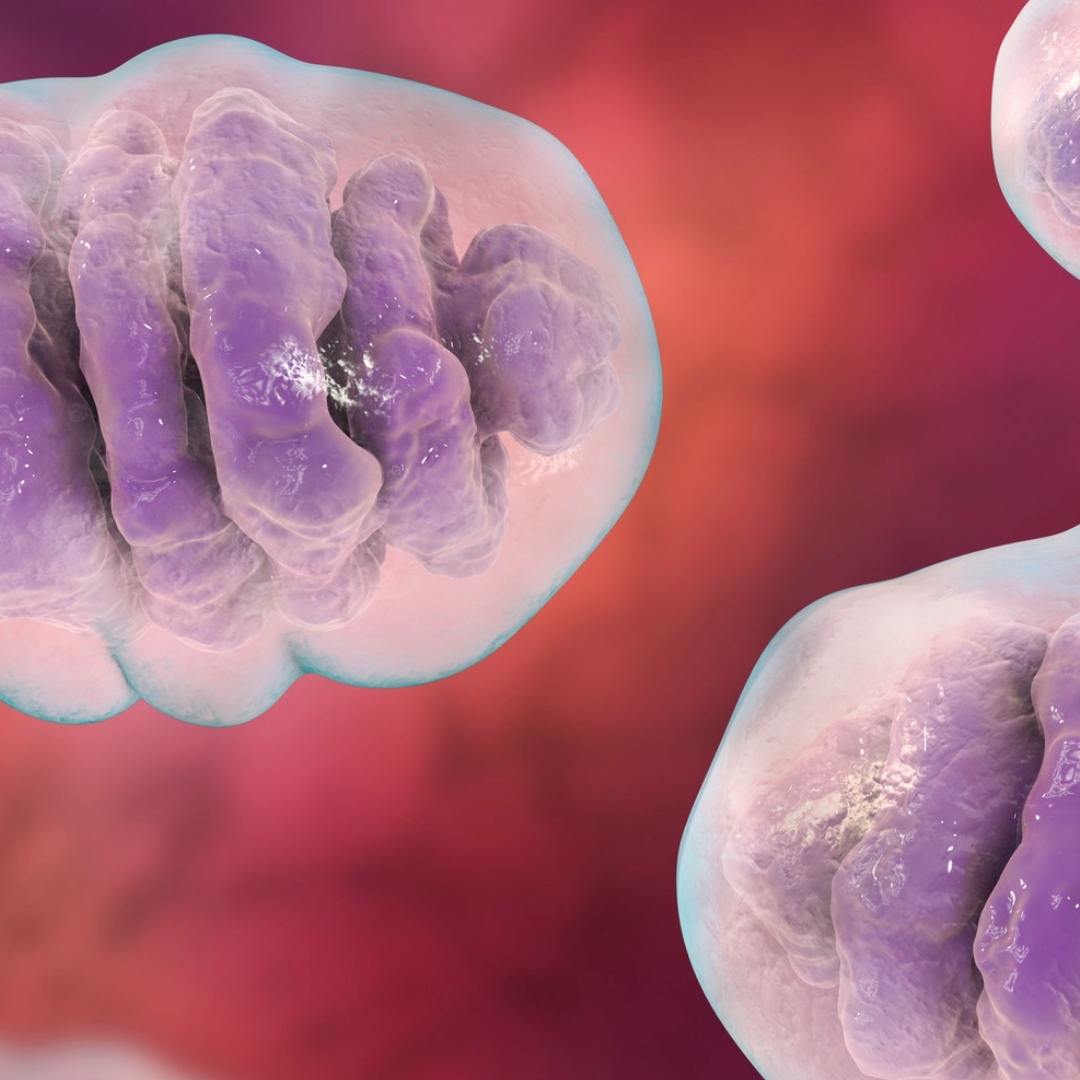
Red light therapy energizes mitochondria, the cell's energy producers.
When red and near-infrared photons penetrate muscle tissue, they are absorbed by cytochrome c oxidase, a crucial mitochondrial enzyme, which may be able to support healthy ATP production. These wavelengths are believed to support collagen and tissue health and may help with inflammation, aiding the body’s natural repair process.
Key Wavelengths for Muscle Tissue
The recommended wavelength range for muscle‑recovery applications spans from 660 nm to 850 nm, with each wavelength serving distinct purposes. Red light at 660 nm targets superficial muscle fibers, while near-infrared wavelengths (830-850 nm) penetrate deeper into muscle layers.
|
Wavelength |
Color |
Penetration Depth |
Primary Applications |
|
660 nm |
Red |
1-2 cm |
Surface muscle fibers, skin healing |
|
830 nm |
Near-Infrared |
3-4 cm |
Deep muscle tissue, joint recovery |
|
850 nm |
Near-Infrared |
4-5 cm |
Deepest muscle layers, bone interface |
Identify Your Post-Workout Recovery Goals and Timing
Clarify your recovery objectives before implementing red light therapy. Are you focused on reducing DOMS, accelerating strength recovery, or enhancing tissue resilience? Your goals will influence session timing and parameters.
Ideal Session Window After Exercise
For optimal results, begin red light therapy within two to four hours post-exercise when the body’s inflammatory response is heightened, allowing for better waste product clearance and helping with post‑exercise soreness.
Recommended Session Frequency
Active athletes generally benefit from three to five sessions per week, aligning session frequency with training schedules. Check the device’s instructions for recommended frequency. Many users experience benefits with several sessions per week.
Studies indicate that consistent protocols may be able to reduce DOMS by up to 50%, particularly after two to three weeks of regular use.
Choose the Right Mito Red Light Device for Your Needs
Mito Red Light stands out in the red light therapy market thanks to our rigorous quality standards, including ISO-certified manufacturing and IEC-60601 safety compliance. These ensure high‑quality, consistent light output.
Wavelength Mix (660 nm + 850 nm)
Select a panel that combines 660 nm red and 850 nm near-infrared wavelengths for comprehensive muscle coverage, providing a comprehensive mix of wavelengths to support overall wellness and muscle health. The MitoPRO+™ quad-wavelength design offers optimized ratios for muscle recovery.
Coverage Options
Choose a device that matches your needs:
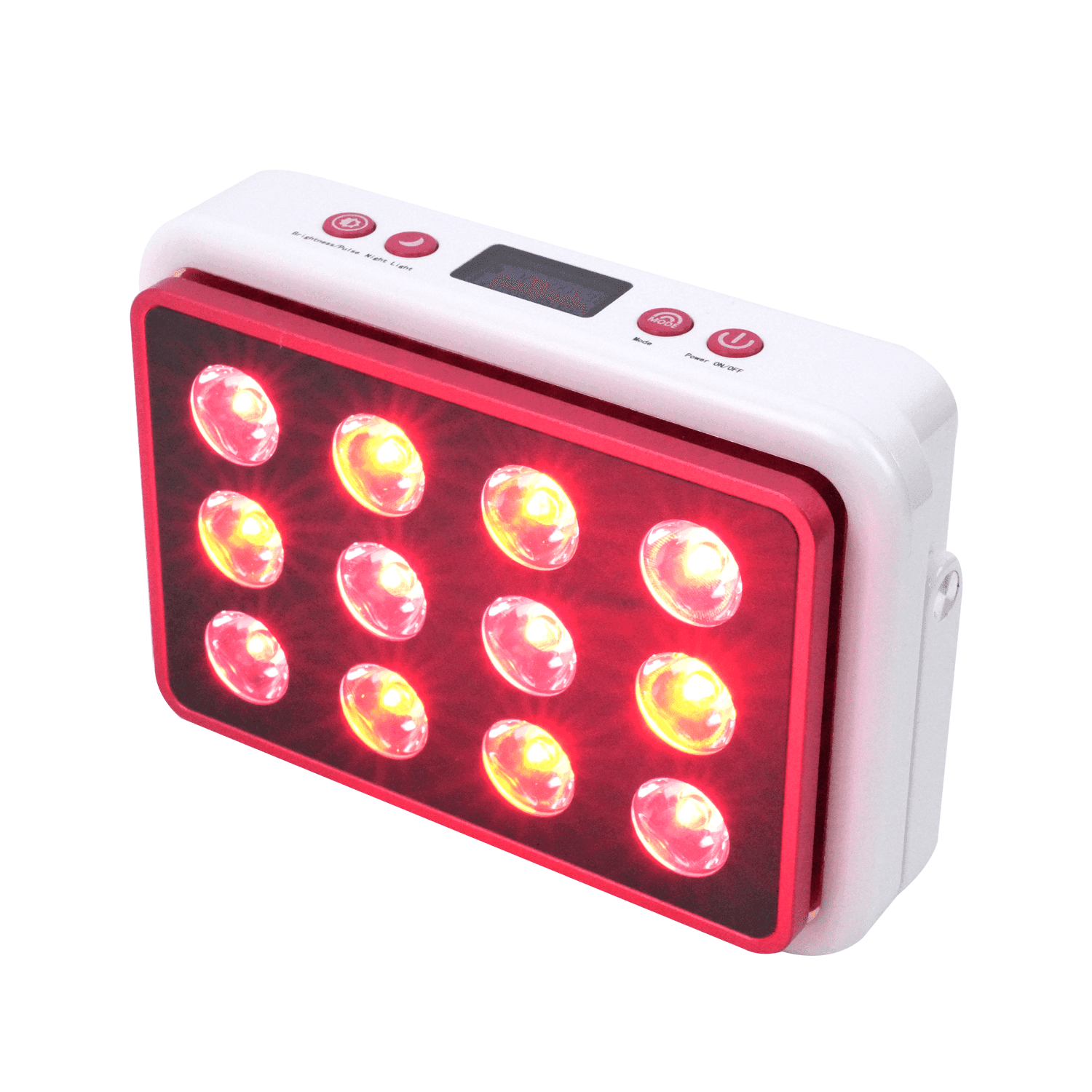
- Full-body red light panels cover multiple muscle groups simultaneously, ideal for home gym setups. Sizes range from 12x8 inches to 24x16 inches
- Red light therapy belts are designed for use on specific muscle groups, such as calves or forearms
- Flexible red light wraps conform to body contours, making them suitable for treating calves, forearms, or other curved muscle groups.
|
Device Type |
Coverage Area |
Typical Price Range |
Best For |
|
Full Panel |
200-400 sq in |
$400-800 |
Multiple muscle groups |
|
Therapy Belt |
50-100 sq in |
$200-400 |
Targeted areas |
|
Flexible Wrap |
30-80 sq in |
$150-300 |
Contoured session |
Power Output and Irradiance
Many wellness protocols use irradiance levels around 30-60 mW/cm², which allow for shorter session times. Refer to your device’s specifications for appropriate irradiance ranges.
Ensure your device provides irradiance specifications and includes distance recommendations for beneficial levels.
Set Up and Run Your Red Light Therapy Session
Proper setup can help maximize benefits and safety:
- Clean the target area , removing any barriers that might block light penetration.
- Position the device 6-12 inches from the target muscle group, with the LED surface facing perpendicularly.
- Set the timer for 10-20 minutes, depending on protocol and device specifications.
- Remain stationary during the session for consistent light exposure.
Positioning and Distance
Maintain a distance of 6-12 inches from the targeted area to achieve optimal irradiance without overheating. Ensure that the LED surface is perpendicular to maximize light penetration.
Session Length and Timer Settings
Most recovery protocols recommend 10-20 minutes per body area, adhering to research guidelines. Mito Red Light panels have digital controls for setting session time, allowing you to relax while the device shuts off automatically. Start with shorter sessions and gradually increase duration as tissues adapt.
Safety Precautions
Red light therapy is safe when used correctly. It’s helpful to follow these general guidelines:
- Avoid looking directly into the LED array during operation.
- Keep targeted areas clean and dry before each use.
- Discontinue if skin rash or irritation develops.
- Follow IEC-60601 compliance guidelines on your device.
- Consult a healthcare professional before using the device on areas with lesions or other medical conditions.
Track Your Progress and Finetune Your Protocol
Tracking your progress helps optimize your red light therapy protocol. Use a spreadsheet or recovery app to log key metrics before and after each session.
Monitoring Soreness and Performance
Rate muscle soreness on a 0-10 scale before the session and 24 hours later to track DOMS reduction. Measure performance metrics such as squat weight, sprint times, or range of motion to observe recovery trends. Many athletes find red light therapy helps maintain training intensity with less soreness.
Adjusting Sessions
If soreness persists after two weeks, consider increasing session length by two to five minutes or moving the panel one or two inches closer to achieve higher irradiance. Adhere to the manufacturer’s recommended session duration and frequency.
It’s generally best to space sessions out and avoid excessive exposure to the same area. Some athletes benefit from split sessions, treating the same muscle group twice daily with shorter durations.
This article discusses published scientific research and general educational information about photobiomodulation and red light therapy. It does not constitute medical advice and does not make specific claims about Mito Red Light devices. The research cited reflects independent peer-reviewed studies and does not imply that any Mito Red Light product has been evaluated, approved, or cleared by the FDA or any other regulatory body for the diagnosis, treatment, cure, or prevention of any disease or medical condition. Individual results vary. Consult a qualified healthcare professional before beginning any light therapy protocol, particularly if you have a pre-existing medical condition, are pregnant, or are taking photosensitising medications.
Mito Red Light products are general wellness devices. They are not medical devices and have not been evaluated, cleared, or approved by the FDA or any regulatory body for the diagnosis, treatment, cure, or prevention of any disease or medical condition. Any references to peer-reviewed research or clinical studies on this page describe findings from independent scientific literature and do not imply that Mito Red Light devices have been studied, tested, or proven effective for any specific condition. Always consult a qualified healthcare provider before beginning any new wellness routine, particularly if you have a medical condition or are taking medication.
Related articles
More from the muscle recovery & performance knowledge cluster