





Panel Series
You can usually use red light therapy when you are mildly under the weather, but it should be treated as a general wellness tool, not a treatment for a cold, flu, COVID-19, fever, infection, or any diagnosed illness. Red and near-infrared light therapy have been studied for mitochondrial function, inflammation signaling, circulation, and immune modulation, but the evidence does not support using at-home red light devices to diagnose, treat, cure, or prevent infectious disease. If you have a fever, severe symptoms, shortness of breath, dehydration, active infection, or a medical condition, pause use and contact a qualified healthcare professional.
Last updated: April 2026
Can You Use Red Light Therapy When Sick?
Red light therapy may be reasonable during a mild cold or low-energy day if you feel well enough, but it should not be used as a replacement for rest, fluids, medication, or medical care. The safer way to think about it is this: red light therapy may support normal cellular function and recovery routines, but it is not an illness treatment.
If you have mild congestion, fatigue, or seasonal discomfort and you already tolerate red light therapy well, a short, gentle session may be fine. If you have a fever, flu-like symptoms, COVID-19 symptoms, chest symptoms, dizziness, dehydration, worsening illness, or any concerning symptoms, skip the session and focus on medical guidance and recovery basics.
| Situation | Recommendation | Why |
|---|---|---|
| Mild sniffles or low energy | Short session may be reasonable if you already tolerate RLT | Use as general wellness support, not treatment. |
| Fever or chills | Skip red light therapy | Illness, dehydration, and temperature stress make rest and medical guidance more important. |
| Flu, COVID-19, or worsening infection symptoms | Do not rely on RLT; contact a healthcare professional | At-home light therapy is not an antiviral, antibacterial, or medical treatment. |
| Shortness of breath, chest pain, confusion, severe weakness | Seek medical care | These can be signs of a more serious condition. |
| Sinus comfort or travel-season wellness routine | Consider MitoBOOST as a wellness tool | Use for general sinus, light exposure, and daily wellness support, not disease treatment. |
What Red Light Therapy Can and Cannot Do During Illness
Red light therapy can support a wellness routine, but it cannot diagnose, treat, cure, or prevent illness. That distinction matters. During sickness, the body is managing immune activity, inflammation signaling, hydration, sleep disruption, and energy demand. Red and near-infrared light therapy research is relevant to some of those biological systems, but at-home devices should not be positioned as illness treatments.
Here is the practical breakdown:
- Reasonable framing: Red light therapy may support normal cellular energy, circulation, relaxation, and recovery routines.
- Not appropriate: Claiming red light therapy treats colds, flu, COVID-19, sinus infections, bacterial infections, or immune disorders.
- Best use case: A gentle wellness habit when you are mildly run down and already tolerate the device well.
- When to pause: Fever, acute infection, severe fatigue, dehydration, dizziness, or any symptoms that require medical attention.
For a broader evidence overview, visit the Mito Red Light Research Evidence Hub. For immune-specific research organization, see our Immunity & Infections Clinical Evidence Hub.
How Photobiomodulation Relates to Immune Function
Photobiomodulation, or PBM, refers to the use of specific wavelengths of light to influence cellular activity. Red and near-infrared wavelengths are commonly studied for their interaction with mitochondria, especially cytochrome c oxidase, a component of the mitochondrial respiratory chain.
A 2025 review on the immunomodulatory effects of photobiomodulation describes PBM as a field of research involving cytokine modulation, mitochondrial function, inflammation signaling, cellular signaling, and potential clinical applications. A 2024 experimental COPD study also reported changes in inflammatory cells and immune markers after PBM in a mouse model, including changes in IL-10 and inflammatory cell profiles.
That does not mean red light therapy “boosts immunity” in a simple or guaranteed way. Immune function is complex. Sometimes the body needs more immune activity, and sometimes it needs less inflammation. The better wording is that PBM is being studied for immunomodulation, meaning it may influence immune-related signaling depending on the context, dose, wavelength, and biological state.
Why Mitochondria Matter When You Feel Run Down
When you are sick or recovering from stress, your body’s energy demands can change. Immune cells, muscle cells, and epithelial tissues all rely on energy production to do their jobs. Mitochondria are central to that energy process.
Red and near-infrared light therapy is often discussed in relation to mitochondrial function because certain wavelengths are absorbed by cellular chromophores involved in energy metabolism. This is one reason PBM research is often connected to fatigue, recovery, inflammation signaling, and general wellness.
That said, “supporting mitochondria” is not the same as treating an illness. If you are actively sick, the basics still matter most: rest, hydration, nutrition, sleep, and medical care when appropriate.
When You Should Skip Red Light Therapy
There are times when red light therapy is not the priority. If your body is under acute stress, do not force a session just because it is part of your routine.
Skip red light therapy and seek appropriate guidance if you have:
- Fever or chills
- Shortness of breath
- Chest pain
- Severe weakness or dizziness
- Dehydration
- Active infection that is worsening
- COVID-19, flu, or respiratory symptoms that require testing or medical care
- Open wounds, active rashes, or unexplained skin reactions in the treatment area
- A condition or medication that makes you sensitive to light
For more detail on who should use caution, read our guide to red light therapy contraindications.
How To Use Red Light Therapy If You Feel Mildly Under the Weather
If symptoms are mild and you choose to use red light therapy, keep the session conservative. This is not the time to increase duration, intensity, or frequency.
- Shorten the session. Use a shorter session than normal, especially if you feel tired.
- Stay hydrated. Drink water before and after the session.
- Use a comfortable distance. Follow your device instructions and avoid overheating.
- Do not stack stressors. Avoid long sauna sessions, intense workouts, or aggressive protocols while sick.
- Stop if you feel worse. Dizziness, discomfort, headache, overheating, or symptom worsening means you should pause.
- Prioritize rest. Red light therapy should be secondary to sleep and recovery basics.
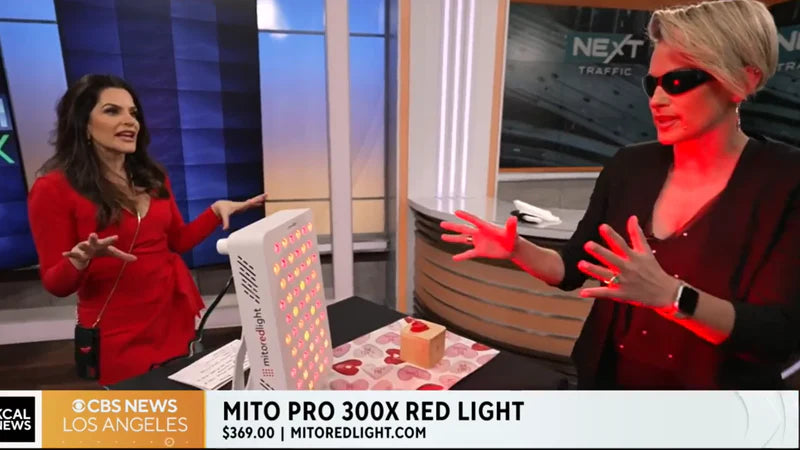
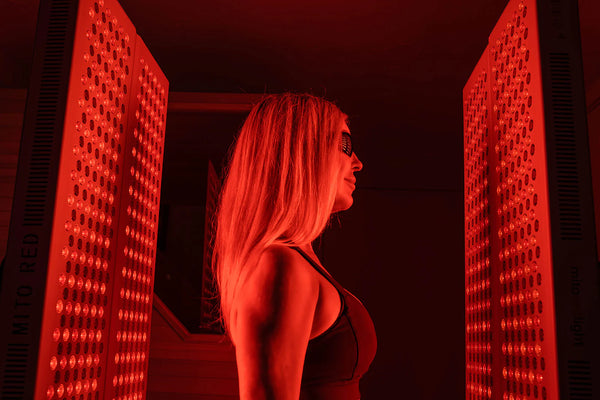
For full-body or panel use, the MitoPRO panel series may be relevant for general wellness routines. When comparing devices, review independent test data for output and wavelength transparency.
Where MitoBOOST Fits
MitoBOOST™ is the most relevant Mito Red Light product for this topic because it is designed as a modular intranasal and in-ear light therapy platform for sinus wellness, circadian rhythm support, travel routines, and general daily wellness. The MitoBOOST system includes intranasal red and blue light options, plus in-ear white light attachments depending on the configuration.
For “when sick” searches, the important compliance point is that MitoBOOST should be framed as a wellness-support device, not an illness treatment. It should not be described as curing infections, killing viruses inside the body, treating colds, preventing flu, or replacing medical care.
Appropriate ways to use MitoBOOST language include:
- General sinus wellness support
- Daily light exposure routine
- Travel-season wellness routine
- Circadian and mood-support routines using the white light earbud attachment
- Intranasal red and blue light exposure as part of a broader wellness habit
In other words, MitoBOOST can be included naturally in this article, but the article should not promise sickness recovery outcomes.
MitoBOOST vs. Red Light Panels When You Feel Sick
MitoBOOST and red light panels serve different practical roles. One is a targeted intranasal and in-ear device, while panels are broader red and near-infrared light therapy devices for larger treatment areas.
| Device type | Best fit | Use-case framing |
|---|---|---|
| MitoBOOST | Sinus wellness, travel routines, circadian support, targeted intranasal/in-ear light exposure | General wellness support, not infection treatment |
| MitoPRO panels | Full-body or targeted red/NIR light sessions | Cellular wellness, recovery routines, relaxation, and general light exposure |
| Portable red light devices | Travel and small-area use | Convenience and consistency when away from home |
Wellness routine support
MitoBOOST for sinus, travel, and daily light routines
MitoBOOST is designed for intranasal and in-ear light exposure as part of a general wellness routine. It is not a treatment for colds, flu, COVID-19, sinus infections, or any medical condition.
Red Light Therapy, Sleep, and Recovery When Sick
One of the more practical reasons people use red light therapy while feeling run down is that it can be part of a calming routine. Restorative sleep, hydration, and reduced stress are foundational when your body is dealing with illness or fatigue.
If you are using red light therapy as part of an evening wind-down, keep the session comfortable and avoid blue-heavy light exposure close to bedtime unless the device instructions are designed for that purpose. If you use MitoBOOST’s in-ear white light attachment for circadian support, use it according to product guidance and avoid using stimulating light routines at times that disrupt your sleep schedule.
For more general protocol guidance, read how often to use red light therapy.
What the Research Does Not Yet Prove
It is important not to overstate the science. PBM research is promising in areas such as inflammation signaling, mitochondrial activity, circulation, and immune modulation, but the evidence is not the same as proof that at-home red light therapy treats common sickness.
The current evidence does not prove that consumer red light devices:
- Shorten the duration of colds
- Prevent flu or COVID-19
- Treat bacterial or viral infections
- Replace vaccines, medications, or medical care
- Eliminate the need for rest, hydration, or professional guidance
The most responsible conclusion is that red light therapy may be a supportive wellness practice for some people, but it should remain secondary to standard illness care.
The Bottom Line
If you are mildly under the weather and already tolerate red light therapy well, a short, gentle session may be reasonable as part of your wellness routine. If you have a fever, significant infection symptoms, respiratory symptoms, dehydration, dizziness, or worsening illness, skip red light therapy and seek medical guidance.
MitoBOOST is the most relevant product for sinus, travel, and daily light-exposure routines, while MitoPRO panels are better for full-body red and near-infrared light sessions. Neither should be positioned as an illness treatment. Use them as wellness tools, not medical substitutes.
Frequently Asked Questions
Can I use red light therapy when I have a cold?
If your symptoms are mild and you already tolerate red light therapy well, a short, gentle session may be reasonable. Red light therapy should not be used as a treatment for a cold, and it should not replace rest, hydration, medication, or medical guidance.
Should I use red light therapy if I have a fever?
No. If you have a fever, chills, dehydration, severe fatigue, or worsening symptoms, skip red light therapy and focus on rest and medical guidance. A fever is a sign that your body is under acute stress.
Does red light therapy boost the immune system?
Photobiomodulation is being studied for immune modulation, mitochondrial function, cytokine signaling, and inflammation pathways. However, it is too simplistic to say that red light therapy “boosts” the immune system, and at-home devices should not be used to treat or prevent illness.
Can red light therapy help with flu or COVID-19?
Red light therapy should not be used as a treatment for flu, COVID-19, or any infectious disease. If you have flu-like symptoms, COVID-19 symptoms, respiratory symptoms, or worsening illness, follow public health guidance and contact a qualified healthcare professional.
Is MitoBOOST good when you are sick?
MitoBOOST can be used as part of a general sinus wellness, travel, circadian, or daily light-exposure routine, but it should not be described as treating sickness. Do not use MitoBOOST as a substitute for medical care if you have an infection or concerning symptoms.
How long should I use red light therapy when I feel run down?
Use a shorter session than normal if you feel run down, and stop if you feel worse. Do not increase time, intensity, or frequency while sick. Follow your device instructions and prioritize rest, fluids, and sleep.
When should I avoid red light therapy?
Avoid red light therapy during fever, severe illness, dehydration, dizziness, shortness of breath, chest pain, active infection that is worsening, or when using photosensitizing medications unless cleared by a healthcare professional.
Can I use red light therapy while taking cold medicine?
Many cold medicines do not create a known issue with red light therapy, but some medications can increase light sensitivity. If you are taking prescription medication, photosensitizing medication, or are unsure about your medication list, ask a healthcare professional before using light therapy.
Mito Red Light products are general wellness devices. They are not medical devices and have not been evaluated, cleared, or approved by the FDA or any regulatory body for the diagnosis, treatment, cure, or prevention of any disease or medical condition. Any references to peer-reviewed research or clinical studies on this page describe findings from independent scientific literature and do not imply that Mito Red Light devices have been studied, tested, or proven effective for any specific condition. Always consult a qualified healthcare provider before beginning any new wellness routine, particularly if you have a medical condition or are taking medication.
Related articles
More from the protocols & how to use knowledge cluster