






Panel Series
Medically Reviewed by | Heidi Wright, BSN, RN, PCCN
If you live with burning, tingling, or numbness from peripheral neuropathy, you are not alone — the National Institute of Neurological Disorders and Stroke estimates that more than 20 million people in the U.S. have some form of neuropathy, and many struggle to find lasting relief. Neuropathy symptoms can make it hard to walk, sleep, focus, or even feel your feet and hands well enough to care for your skin safely.
While there is no cure for neuropathy, a combination of medical care, lifestyle changes, and supportive modalities can often improve day‑to‑day comfort and help slow progression. One increasingly researched tool is red light therapy (photobiomodulation), which uses specific red and near‑infrared wavelengths to support cellular energy production, circulation, and tissue repair. This article explains what neuropathy is, how red light therapy works, and how high‑quality at‑home devices from Mito Red Light may fit into an overall neuropathy management plan.
What Is Neuropathy?
Neuropathy refers to many different types of nerve damage. Peripheral neuropathy is one of the most common forms and includes more than 100 individual subtypes. It involves damage to peripheral nerves — the nerves that connect the brain and spinal cord to the rest of the body — and can affect sensation, movement, and even automatic functions such as digestion and heart rate.
Peripheral nerves carry information related to touch, temperature, pain, position, and motor control. They also include autonomic nerves involved in digestion, blood pressure, and other automatic processes. When these nerves are injured or degenerate over time, signaling becomes abnormal, which can lead to pain, numbness, weakness, or other symptoms.
What Are the Symptoms of Neuropathy?
When nerves become damaged, they can produce a variety of uncomfortable sensations. Neuropathy symptoms vary from person to person and may fluctuate over time. For example, feet that usually tingle may feel numb for a period and then become painful again.
Common symptoms of peripheral neuropathy can include:
- Muscle weakness
- Pain, burning, or tingling
- Muscle twitching or cramps
- Numbness
- Loss of sensation or balance difficulties
- Sleep disruptions due to pain or discomfort
In more serious cases, additional complications may occur, such as:
- Loss of bladder or bowel control
- Digestive issues due to nerve damage in the intestines
- Trouble with eating and swallowing
- Respiratory issues
- Changes in muscle or bone health
- Life‑threatening problems related to breathing and heartbeat
Neuropathy is often progressive, so early diagnosis and treatment are important to reduce pain, preserve function, and help prevent further nerve damage where possible.
What Causes Neuropathy?
There are many potential causes of neuropathy. One of the leading causes in the United States is diabetes, especially diabetes that is not well controlled. Chronically elevated blood sugar can injure nerves and the small blood vessels that supply them, leading to diabetic peripheral neuropathy. Good glucose management is therefore central to prevention and slowing progression.
Other causes of neuropathy can include:
- Inherited nerve disorders: Genetic conditions that affect nerve structure or function can increase neuropathy risk if a parent or close relative is affected.
- Injury or trauma: Direct injury to peripheral nerves, including surgical incisions, crush injuries, or repetitive strain, can cause localized neuropathy.
- Kidney disease: When kidney function declines, the buildup of toxins and fluid can damage nerves over time.
- Hormonal or metabolic imbalance: Thyroid disease and other endocrine disorders can sometimes contribute to neuropathic symptoms.
- Chemotherapy, infections, or autoimmune disease: Certain medications, infections, and immune‑mediated disorders can injure peripheral nerves.
No matter the cause, neuropathy‑related pain and sensory changes can be life‑altering. Because there is no single cure, people with neuropathy often benefit from a multi‑layered approach that combines medical treatments, lifestyle strategies, and supportive modalities to manage symptoms and protect nerve health as much as possible.
How Is Neuropathy Generally Managed?
Conventional neuropathy management focuses on addressing the underlying cause where possible (such as optimizing blood sugar or treating kidney disease), protecting at‑risk areas like the feet, and reducing pain and functional limitations.
Approaches can include:
- Medications: Over‑the‑counter NSAID pain relievers, topical agents, and prescription medications such as certain anticonvulsants or antidepressants that target nerve pain pathways.
- Orthotics and footwear: Specialized shoes, inserts, and braces that help distribute pressure and protect insensate areas.
- Physical therapy and exercise: To preserve strength, balance, and joint mobility.
- Interventional procedures: In select cases, nerve blocks or surgery to relieve compression or remove severely damaged nerves; these are typically last‑line options because they can also lead to more permanent sensory loss.
Loss of sensation can be particularly dangerous in the feet. Without normal pain feedback, injuries such as cuts, blisters, or pressure sores may go unnoticed, potentially leading to serious infections or even amputation if not caught early. Regular foot checks and preventive skin care are critical components of neuropathy management.
How Can Red Light Therapy Potentially Help With Neuropathy?
As researchers and clinicians work to better understand neuropathy, they are also investigating supportive therapies that may help reduce pain and support nerve health. One such modality is red light therapy, a branch of photomedicine whose medical applications were highlighted in early NASA research on LED light for tissue repair.
Red light therapy uses specific wavelengths of red and near‑infrared light to support cellular energy production, circulation, and signaling. People and practitioners now use photobiomodulation as a complementary approach in areas such as:
- Skin rejuvenation and restoration
- Wound healing support
- Sleep and circadian rhythm support
- Hair regrowth
- Muscle and joint discomfort
- Exercise recovery and physical performance
- Mood and cognitive function
- Adjunctive support for certain nerve and neuropathic pain conditions
Recent reviews and clinical studies suggest that properly dosed photobiomodulation may improve neuropathic pain scores and nerve conduction in some forms of peripheral neuropathy, likely through a combination of improved cellular energy, circulation, and inflammatory modulation.
What Is Red Light Therapy?
Red light therapy and near‑infrared (NIR) light therapy involve exposing the whole body or specific regions to defined wavelengths of light to encourage beneficial cellular responses. The wavelengths used are long, lower‑energy bands that can interact with cells without causing the DNA damage associated with ultraviolet (UV) light.
Red light typically spans approximately 620–700 nanometers (nm), while NIR light generally falls between 800–900 nm. Red light primarily affects superficial tissues such as skin and small vessels, while NIR can penetrate deeper into soft tissue and, in some cases, to the level of bone.
How Does Red Light Therapy Work?
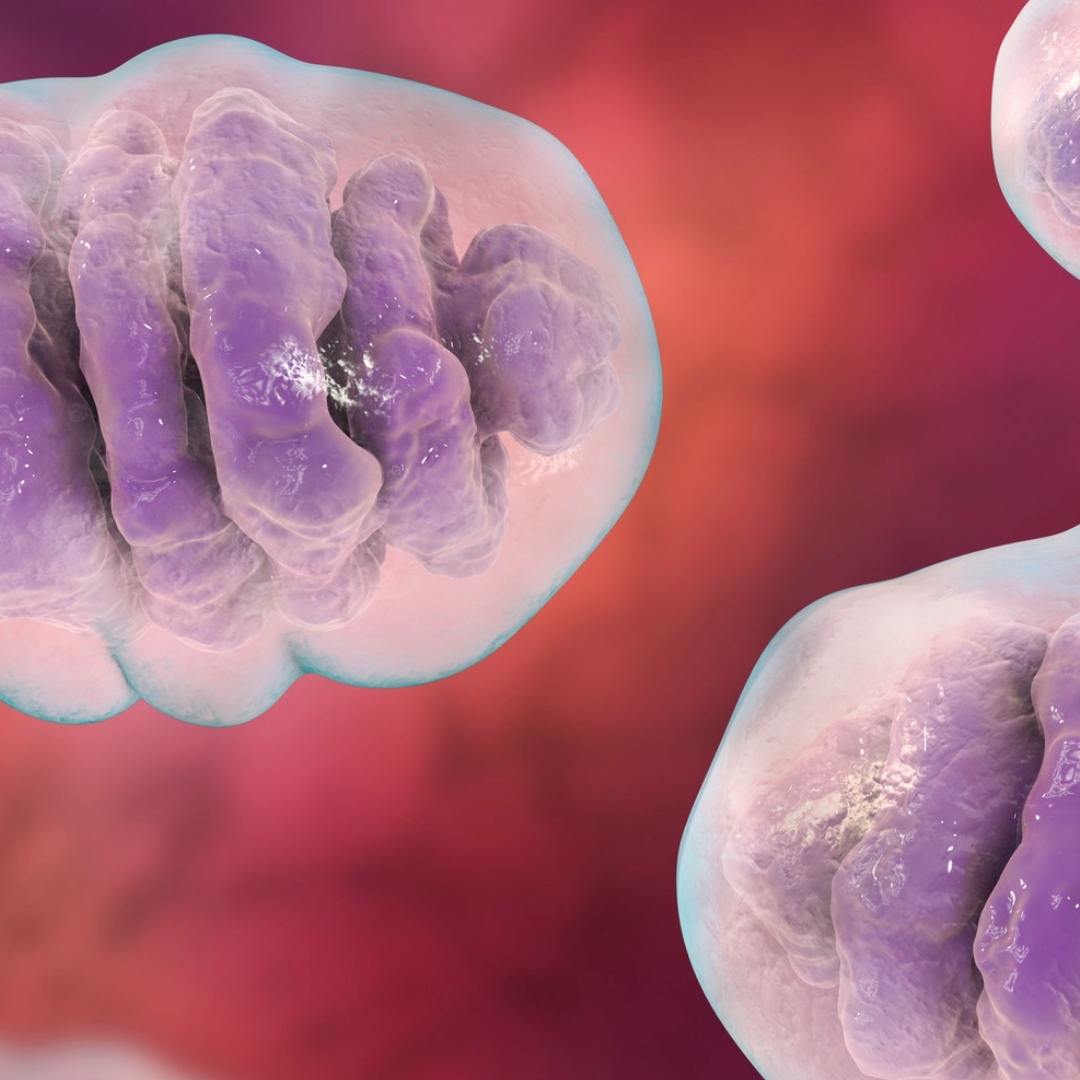
Light‑emitting diodes (LEDs) in a red light therapy device deliver controlled wavelengths to the targeted area. These photons are absorbed by light‑sensitive molecules inside cells, especially within mitochondria. One of the best‑studied targets is cytochrome c oxidase, an enzyme involved in the mitochondrial electron transport chain.
As we age or experience metabolic and oxidative stress, mitochondrial function often declines, leading to lower ATP (adenosine triphosphate) production and less efficient cell performance. When red and NIR light are absorbed by cytochrome c oxidase, they can help this enzyme work more efficiently, leading to increased ATP output, more balanced reactive oxygen species, and downstream changes in signaling pathways related to inflammation, blood flow, and tissue repair.
In the context of neuropathy, these mechanisms may support healthier nerve microenvironments, improved blood flow to affected tissues, and enhanced capacity for nerve repair in certain scenarios.
Could Red Light Therapy Help With Nerve Pain?
Early evidence suggests that red light therapy may help some people with neuropathy manage pain and support nerve function when used as part of a broader treatment plan. Potential ways it may help include:
- Improved circulation: Enhanced local blood flow can deliver more oxygen and nutrients to nerve tissue and help remove metabolic byproducts.
- Inflammation modulation: Photobiomodulation has been shown in multiple models to reduce pro‑inflammatory cytokines and support a more balanced inflammatory response around nerves.
- Nerve repair support: A preclinical study found that near‑infrared LED therapy could support nerve regeneration and increase antioxidant defenses in injured nerves. Systematic reviews of photobiomodulation in peripheral nerve injury similarly describe faster regeneration and improved function in many experimental models.
- Pain reduction: Recent clinical and systematic reviews of photobiomodulation in neuropathic pain report meaningful reductions in pain scores for some patients with diabetic peripheral neuropathy and other neuropathic conditions, with a favorable safety profile.
While more large, standardized human trials are still needed, this growing body of research makes red light therapy a promising adjunctive modality for certain types of neuropathic pain, especially when paired with core medical management.
How To Use Red Light Therapy for Neuropathy
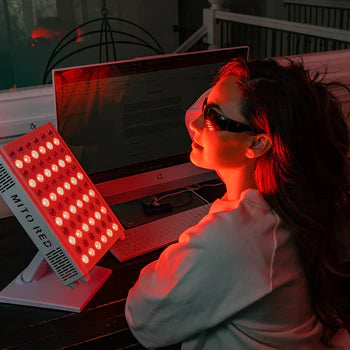
For neuropathy in the feet or hands, many people use red light therapy by exposing the affected area to a panel or targeted device for roughly 5–20 minutes per session. “Find a position that is comfortable for you to stay in for this length of time, and be sure to remove your socks and shoes when treating the feet,” notes Heidi Wright, Registered Nurse. Following the instructions in your device’s user manual is essential for safe, effective dosing.
General tips include:
- Start on the lower end of the time range and gradually increase as tolerated.
- Ensure the light is directed at the areas with symptoms or reduced sensation.
- Use consistently (for example, several times per week) rather than sporadically.
Are There Any Side Effects of Red Light Therapy?
Red light therapy is generally well tolerated when used correctly. Adverse effects are uncommon and usually mild, such as temporary warmth or redness at the treatment site. However, if you are photosensitive, have a condition that causes photosensitivity, or take medications that increase light sensitivity, you should speak with your doctor before beginning a red light routine.
You can try red light therapy through in‑office sessions at clinics, medspas, or dedicated light therapy studios, though these visits are often paid out of pocket. Because photobiomodulation tends to work best when used consistently over weeks and months, many people ultimately choose an at‑home red light therapy device so they can integrate sessions into their routine more easily and cost‑effectively.
Why Choose Mito Red Light for Neuropathy Support?
You have options for accessing red light therapy — from clinical settings to home devices. Mito Red Light focuses on delivering high‑output, research‑aligned systems that make it easier to use photobiomodulation safely and consistently when you and your healthcare provider decide it is appropriate.
Our Lights
When selecting a red light device for neuropathy and general wellness, diode density and coverage matter. Mito Red Light panels are designed with high LED density and optimized wavelengths in the red and NIR “therapeutic window” so you can efficiently treat target areas like the feet, calves, or hands without excessive dead space.
Our Testing
All Mito Red Light devices undergo third‑party testing to verify key parameters such as wavelength outputs and irradiance. That means you can be confident that the red and near‑infrared light your device delivers matches its published specifications and aligns with commonly used photobiomodulation ranges.
Accessibility
Whether you want a compact option for local nerve pain or a larger panel to address multiple regions, Mito Red Light offers a range of panel and targeted devices to fit different spaces, budgets, and routines. This flexibility makes it easier to choose a setup you will actually use consistently.
Advanced Technology
Mito Red Light devices are engineered with Enhanced Spectral Energy Output™, a design approach that optimizes energy delivery across core red and near‑infrared wavelengths rather than spreading power too thin across less‑studied bands. This helps ensure you get robust, research‑aligned dosing in each session.
Something for Your Nerves
Living with neuropathy can be challenging, but there are more tools than ever to help you protect nerve health, manage discomfort, and maintain an active life. Red light therapy is a noninvasive, non‑medicated modality that may complement your existing neuropathy care — especially when paired with medical management, movement, and careful skin and foot care.
If you are considering adding photobiomodulation to your neuropathy plan, talk with your healthcare provider, then explore Mito Red Light’s selection of at‑home red light therapy products to find a device that fits your goals and daily routine.
Red light therapy reduces inflammation by modulating NF‑κB signalling and decreasing pro‑inflammatory cytokines including TNF‑α, IL‑1β, and IL‑6. Our internal research database contains hundreds of peer‑reviewed studies supporting photobiomodulation for neuropathic pain, musculoskeletal discomfort, and soft tissue recovery.
Frequently Asked Questions About Red Light Therapy and Neuropathy
Can red light therapy cure neuropathy?
No. Red light therapy does not cure neuropathy or replace medical treatment for its underlying causes. It is best viewed as a complementary modality that may help reduce pain and support nerve health when combined with your clinician’s care plan.
What type of neuropathy might respond best to red light therapy?
Research to date has focused largely on diabetic peripheral neuropathy and other peripheral neuropathic pain conditions. Some studies show improved pain scores and nerve function in these groups, but responses vary and more research is needed.
How often should I use red light therapy for neuropathy symptoms?
Many protocols for peripheral neuropathy use red light therapy several times per week, often 3–5 sessions weekly, with each session targeting affected areas for around 10–20 minutes. Your provider can help tailor frequency and duration to your situation.
Is red light therapy safe if I have diabetes or other chronic conditions?
Red light therapy is generally well tolerated, but anyone with diabetes, cardiovascular disease, or other chronic conditions should consult their healthcare provider before starting, especially if they have poor circulation or active foot ulcers.
Which Mito Red Light device is best for neuropathy in the feet and lower legs?
For neuropathy focused in the feet and calves, many people choose a mid‑size or full‑length panel from the MitoPRO Series or MitoADAPT Series, which can cover both legs in one session. Smaller devices can be useful add‑ons for very localized areas.
References
- National Institute of Neurological Disorders and Stroke. Peripheral Neuropathy.
- Johns Hopkins Medicine. Peripheral Neuropathy – Symptoms.
- The Foundation for Peripheral Neuropathy. Kidney Failure and Peripheral Neuropathy.
- NASA. NASA Research Illuminates Medical Uses of Light.
- Salehpour F et al. Transcranial near-infrared light in treatment of neurodegenerative diseases. Front Pharmacol.
- Gigo-Benato D et al. Effect of near-infrared light-emitting diodes on nerve regeneration. Lasers Med Sci. 2010.
- de Souza NCF et al. Photobiomodulation Therapy in Peripheral Nerve Regeneration: A Systematic Review.
- Teixeira et al. Effectiveness of Photobiomodulation Therapy on Neuropathic Pain in Diabetic Peripheral Neuropathy.
- Healthline. Is Red Light Therapy Effective for Diabetic Neuropathy?
- Mito Red Light. How Does Red Light Therapy Affect the Body?
- Mito Red Light. Contraindications for Red Light Therapy.
This article discusses published scientific research and general educational information about photobiomodulation and red light therapy. It does not constitute medical advice and does not make specific claims about Mito Red Light devices. The research cited reflects independent peer-reviewed studies and does not imply that any Mito Red Light product has been evaluated, approved, or cleared by the FDA or any other regulatory body for the diagnosis, treatment, cure, or prevention of any disease or medical condition. Individual results vary. Consult a qualified healthcare professional before beginning any light therapy protocol, particularly if you have a pre-existing medical condition, are pregnant, or are taking photosensitising medications.
Mito Red Light products are general wellness devices. They are not medical devices and have not been evaluated, cleared, or approved by the FDA or any regulatory body for the diagnosis, treatment, cure, or prevention of any disease or medical condition. Any references to peer-reviewed research or clinical studies on this page describe findings from independent scientific literature and do not imply that Mito Red Light devices have been studied, tested, or proven effective for any specific condition. Always consult a qualified healthcare provider before beginning any new wellness routine, particularly if you have a medical condition or are taking medication.
Related articles
More from the inflammation, pain & joints knowledge cluster