














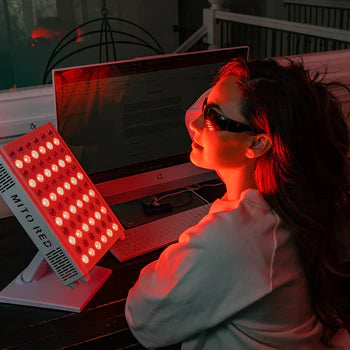



Panel Series
Red light therapy - the clinical term is photobiomodulation (PBM), the use of specific non-thermal wavelengths of red and near-infrared light to influence cellular function — is one of the most studied non-pharmacological approaches to inflammation and joint pain in modern physical medicine. Hundreds of peer-reviewed studies have explored its effects across inflammatory conditions ranging from osteoarthritis and rheumatoid arthritis to musculoskeletal injuries and inflammatory skin conditions.
This article covers the science and evidence behind red light therapy for inflammation and joint pain: what inflammation actually is, how photobiomodulation may act on the cellular pathways that drive it, what the clinical research shows across specific conditions, and how panels and wearables compare as tools for different use cases.
For a foundational introduction to the therapy itself, see what red light therapy is and what the research shows.
This information is for educational purposes and is not medical advice. Consult your healthcare provider before starting any new wellness practice, especially if you have a medical condition or take medications.
What Is Inflammation - and Why Does It Become a Problem?
Inflammation is not inherently harmful. It is the immune system's first-line response to injury, infection, or cellular damage. When tissue is damaged, cells release chemical signals — including histamine, bradykinin, and prostaglandins — that draw immune cells to the area, increase local blood flow, and initiate repair. The result is the familiar quartet of symptoms: redness, warmth, swelling, and pain.
This acute inflammatory response is protective and necessary. It clears pathogens, removes damaged tissue, and scaffolds the healing process. The problem arises when inflammation does not resolve — when the immune system stays activated long after the initial trigger is gone, or when it activates without a clear external cause at all.
Chronic inflammation is defined by persistence. Instead of a weeks-long healing arc, inflammatory signals remain active for months or years, driving continuous tissue stress and pain. Its causes include unresolved injuries, repeated microtrauma, chronic infection, and autoimmune disease — in which the immune system targets the body's own tissues. Chronic inflammation is a primary driver of osteoarthritis, rheumatoid arthritis, psoriasis, tendinopathy, and a range of systemic inflammatory conditions.
Managing chronic inflammation without relying exclusively on NSAIDs or immunosuppressants has become a major focus of rehabilitation and integrative medicine research — and photobiomodulation sits within that research landscape.
How Photobiomodulation May Act on Inflammation
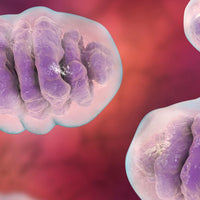
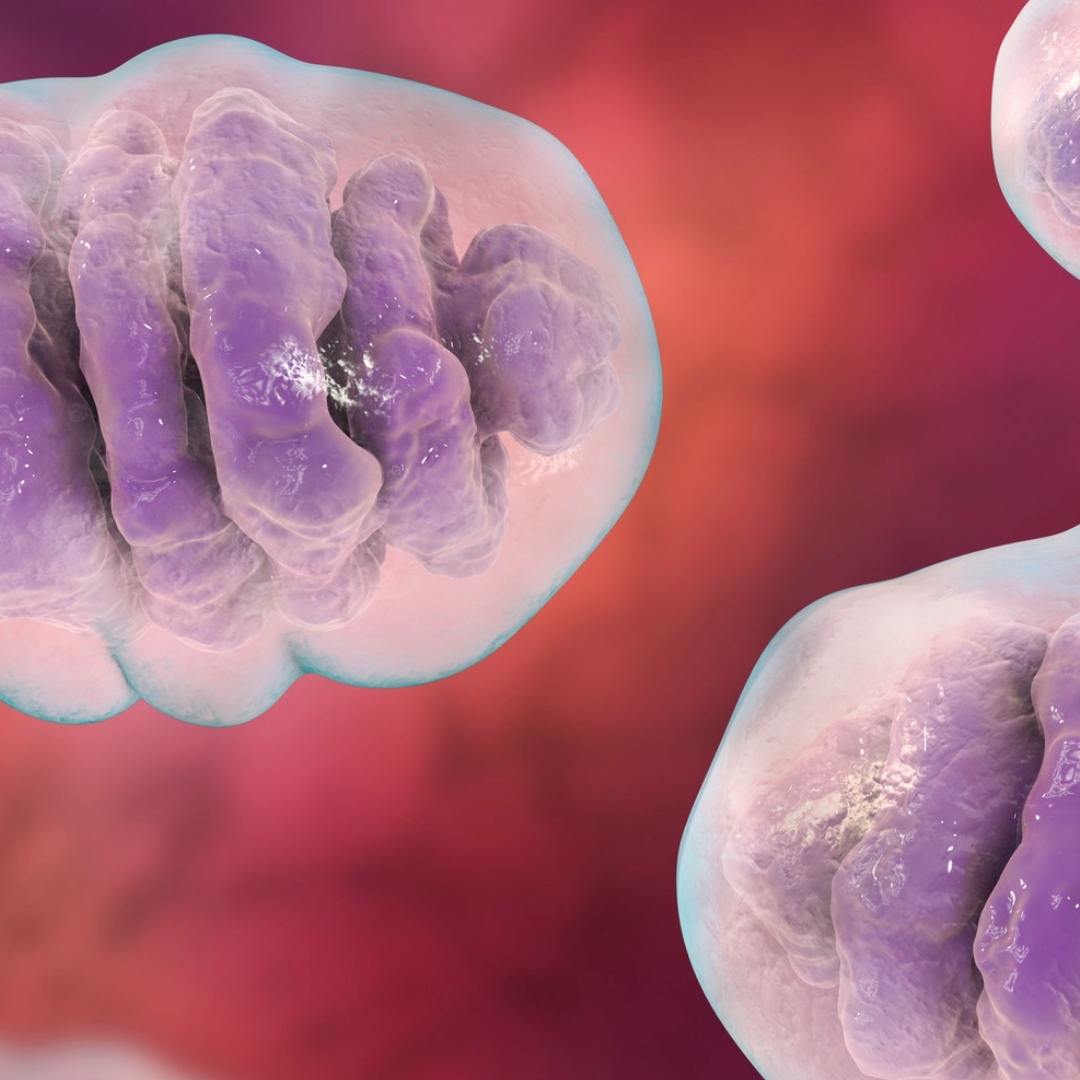
The proposed cellular mechanisms behind PBM's anti-inflammatory effects involve several interacting pathways. The primary photoacceptor — the molecule that directly absorbs red and near-infrared wavelengths — is believed to be cytochrome c oxidase (CCO), the terminal enzyme of the mitochondrial electron transport chain. CCO has absorption peaks in the red (~660 nm) and near-infrared (~830 nm) ranges, where it can absorb photons and use the energy to support mitochondrial ATP production and reduce oxidative stress.
According to Dr. Alexis Cowan, PhD, who advises Mito Red Light on the photobiology of light therapy, the connection between mitochondrial function and inflammation is direct: "Mitochondria are not just energy producers — they're central regulators of inflammatory signaling. When mitochondrial function is compromised, cells produce excess reactive oxygen species and activate pro-inflammatory pathways. Photobiomodulation at the right wavelengths acts on cytochrome c oxidase to support that mitochondrial function, which is why the proposed anti-inflammatory effects aren't incidental — they're mechanistically downstream of the primary photochemical event." [NEEDS DR. COWAN APPROVAL]
In a widely cited 2017 review in AIMS Biophysics, researcher Michael Hamblin outlined multiple proposed anti-inflammatory mechanisms for PBM, including modulation of reactive oxygen species (ROS), suppression of pro-inflammatory cytokines including TNF-α and IL-6, and activation of anti-inflammatory transcription factors [Hamblin 2017]. The review also proposed that PBM may stimulate intracellular melatonin production — melatonin functioning here not as a sleep hormone but as a potent intracellular antioxidant that may further modulate inflammatory signaling at the cellular level.
Penetration depth matters for joint and muscle applications. Near-infrared wavelengths in the 810–850 nm range are understood to penetrate more deeply into tissue than visible red wavelengths, reaching muscle bellies, joint capsules, and tendon attachments. Red wavelengths (630–680 nm) primarily act on skin and superficial tissue. This is why protocols targeting joints and deep musculoskeletal structures typically emphasize NIR wavelengths, while surface-level inflammatory skin conditions are often addressed with red wavelengths.
For a detailed explanation of the cellular cascade, see Mito Red Light's page on how photobiomodulation works at the cellular level. The clinical evidence for PBM and mitochondrial function is indexed at Mito Red Light's mitochondrial function evidence hub.
Panels vs. Wearables: Different Tools for Different Problems
One of the most practically important questions for anyone exploring red light therapy for inflammation is whether a full panel or a wearable device better fits their needs. These are genuinely different tools, and the honest answer depends on the nature of the inflammatory condition.
| Full Panel (e.g., MitoPRO X, MitoADAPT) | Wearable Device | |
|---|---|---|
| Best for | Systemic or widespread chronic inflammation; full-body post-workout recovery; back, neck, and torso coverage | Targeted single-joint application; localized pain management |
| Coverage area | Full back, legs, torso, or upper body in a single session | One joint or small area at a time |
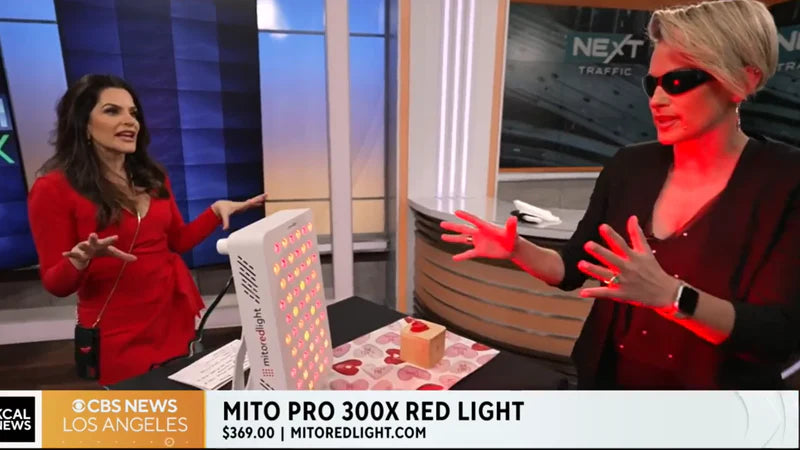
| Session format | Stand or sit in front of panel, 10–20 minutes | Worn directly on the target joint |
| NIR tissue delivery | Consistent NIR delivery across a large surface area at clinical irradiance | Concentrated delivery to a small target zone |
| Use case fit | Fibromyalgia, widespread joint involvement, chronic back inflammation, post-exercise full-body recovery | Arthritic knee flare, single-joint tendinopathy, localized pain management |
For customers managing systemic or widespread inflammation — chronic back pain, post-workout full-body soreness, or conditions affecting multiple joints — a full panel offers coverage advantages that a targeted wearable cannot match. The Mito Red Light MitoPRO X and MitoADAPT series deliver both 660 nm and 850 nm wavelengths across a large treatment area — the dual-wavelength combination used across the majority of human PBM research on musculoskeletal outcomes.
Wearables are not the wrong choice for targeted single-joint applications. For someone with isolated knee or hand joint involvement who wants hands-free, localized treatment, a wearable may be the practical fit. The framing that serves consumers best is that these tools address different goals, not that one category is universally superior.
Clinical Evidence: Osteoarthritis
Osteoarthritis — the progressive wearing of cartilage at joint surfaces — is the most extensively researched application of photobiomodulation in the joints literature. The volume of human RCTs, systematic reviews, and meta-analyses in this area is substantial, though it is important to note that results are not uniformly positive across all protocols and patient populations.
A 2024 systematic review with meta-analysis published in Physical Therapy (Oliveira et al.) examined PBM's effectiveness in reducing pain and disability in patients with knee osteoarthritis [Oliveira 2024, verify PMID before publish]. A 2023 meta-analysis in Archives of Physical Medicine and Rehabilitation (Li et al.) examined PBM effects on knee function, pain, and exercise tolerance in older adults across randomized controlled trials [Li 2023, verify PMID before publish].
A 2022 double-blind pilot RCT published in Photobiomodulation, Photomedicine, and Laser Surgery (Pinto et al.) applied individualized 850 nm NIR PBM to patients with knee osteoarthritis and found that pain scores were reduced in the treatment group compared to sham [Pinto 2022, verify PMID before publish].
A 2021 RCT published in Clinical Rehabilitation (Alqualo-Costa et al.) found that photobiomodulation using 904 nm light reduced pain intensity at rest compared to placebo at all measured time points in knee osteoarthritis patients. The PBM group also maintained its advantage over interferential current therapy at a six-month follow-up [Alqualo-Costa 2021, verify PMID before publish].
A 2022 RCT in Journal of Clinical Medicine (Stausholm et al.) investigated 904 nm PBM combined with strength training in knee osteoarthritis patients. While primary outcome differences between groups were not statistically significant, the laser group showed a meaningfully reduced number of participants using analgesic and anti-inflammatory medications during the trial period [Stausholm 2022, verify PMID before publish].
A 2025 RCT published in Lasers in Medical Science (Maciel et al.) reported significant reductions in pain in the PBM group compared to both placebo and control groups after treatment, with WOMAC scores showing improvements in pain, stiffness, and physical function [Maciel 2025, verify PMID before publish].
A 2026 pilot case series in Journal of Orthopaedic Case Reports (Ferreira et al.) reported that 850 nm PBMT demonstrated measurable effects on inflammatory and cartilage degradation biomarkers in patients with knee osteoarthritis, supporting its potential as an adjunctive strategy pending larger controlled trials [Ferreira 2026, verify PMID before publish].
It is worth noting that not every well-designed RCT has found PBM superior to exercise or sham when used as an additive to physiotherapy programs. A 2023 RCT in Brazilian Journal of Physical Therapy (Jorge et al.) found no additional benefit from 808 nm PBM over a strengthening exercise program alone in knee OA patients. Protocol heterogeneity — wavelength, dose, delivery method, and patient population — meaningfully influences outcomes across this literature.
The broader picture from meta-analyses supports PBM as a potentially useful adjunctive tool for osteoarthritis pain management, with results depending significantly on treatment parameters. Mito Red Light's clinical evidence hub for inflammation and pain indexes the full research record across these studies.
Clinical Evidence: Rheumatoid Arthritis
Rheumatoid arthritis (RA) is an autoimmune inflammatory condition in which the immune system attacks joint tissue, causing chronic synovial inflammation, joint erosion, and systemic effects. The evidence base for PBM in RA is smaller than for osteoarthritis but includes controlled studies and meta-analyses.
A 2024 systematic review and meta-analysis in European Journal of Translational Myology (Salajegheh et al.) examined low-level laser therapy across controlled RA trials [Salajegheh 2024, verify PMID before publish]. A 2023 systematic review and meta-analysis in PLOS ONE (Lourinho et al.) reviewed controlled trials of LLLT in adults with rheumatoid arthritis, examining effects on pain, morning stiffness, and functional outcomes [Lourinho 2023, verify PMID before publish].
A 2009 study in Lasers in Surgery and Medicine (Yamaura et al.) proposed that one mechanism for RA pain relief may involve PBM reducing the production of pro-inflammatory cytokines and chemokines by synoviocytes — the cells lining the joint [Yamaura 2009, DOI: 10.1002/lsm.20766 confirmed].
Earlier foundational meta-analyses — including Brosseau et al. (2000) published in The Journal of Rheumatology — found that several weeks of LLLT produced improvements in pain, morning stiffness, and joint swelling in RA patients compared to placebo in reviewed trials, with the authors noting protocol dependence [Brosseau 2000, verify PMID before publish].
People with RA considering red light therapy should consult their rheumatologist before starting, particularly if they are on immunosuppressive or biologic medications.
Clinical Evidence: Musculoskeletal Injuries and Recovery
Post-workout recovery and acute musculoskeletal injury are among the most common reasons people use red light therapy panels at home. The research in this area addresses delayed-onset muscle soreness (DOMS), tendinopathy, and inflammatory response to exercise stress.
A 2026 systematic review with meta-analysis in Photochemistry and Photobiology (Yang et al.) examined PBM's effects on inflammatory factors during skeletal muscle regeneration across animal studies, providing mechanistic context for the anti-inflammatory effects observed at the tissue level [Yang 2026, verify PMID before publish].
A 2025 meta-analysis in Journal of Pain Research (Chen et al.) compared the effectiveness of different physical therapy modalities — including PBM — for delayed-onset muscle soreness [Chen 2025, verify PMID before publish].
A 2021 systematic review and meta-analysis in BMC Sports Science, Medicine and Rehabilitation (Tripodi et al.) examined low-level red and NIR PBM across RCTs for tendinopathy, supporting its consideration as an adjunct to conservative management for tendon pain and function [Tripodi 2021, DOI: 10.1186/s13102-021-00306-z confirmed].
For post-exercise applications, the MitoPRO X delivers both 660 nm and 850 nm wavelengths across a large treatment surface — the dual-wavelength combination used in the majority of human PBM research on musculoskeletal outcomes. For device selection guidance see the red light therapy buyer's guide, and for at-home vs. clinic considerations see the at-home vs. professional red light therapy comparison.
Clinical Evidence: Inflammatory Skin Conditions
Red wavelengths (630–680 nm) are most applicable to surface-level inflammatory skin conditions, where they act on skin cells and superficial tissue. Near-infrared wavelengths penetrate more deeply and are used for conditions where deeper tissue is the target.
Published independent research includes investigations of PBM for psoriasis (autoimmune inflammatory skin cell proliferation), rosacea (skin inflammation with vascular involvement), and wound healing. A 2017 review in Photodermatology, Photoimmunology, and Photomedicine (Yadav and Gupta) identified reduced inflammation as one of the mechanisms through which red and NIR light may facilitate wound healing [Yadav 2017, DOI: 10.1111/phpp.12282 confirmed].
For skin-specific PBM applications, see Mito Red Light's clinical evidence for red light therapy and skin.
Use Case Scenarios: Matching the Tool to the Problem
Post-workout muscle soreness and recovery: Full panels offer simultaneous coverage of multiple muscle groups — back, legs, torso — in a single session. This is the primary use case where panel coverage provides a practical advantage over localized wearables. Protocols in the literature typically apply NIR wavelengths pre- or post-exercise.
Chronic back and neck inflammation: For large-area inflammatory conditions of the spine and surrounding musculature, full panels allow simultaneous coverage across the affected region. The MitoPRO X and MitoADAPT series are configured for full-back and upper-body coverage.
Arthritic hands and knees: For discrete joint involvement, a targeted wearable can be a practical tool for localized, hands-free application. A full panel still provides systemic and surrounding tissue coverage, which may be relevant for conditions with broader inflammatory burden.
Fibromyalgia and widespread pain: Conditions characterized by diffuse inflammatory pain — where no single joint or tissue is the primary target — are cases where full-body panel coverage is a natural fit. Limited treatment area is a genuine constraint for these presentations.
How to Use Red Light Therapy for Inflammation at Home
Practical protocol guidance for anti-inflammatory applications broadly follows these parameters, though users should always follow the specific guidance of their device manufacturer:
- Confirm you do not have contraindications before starting — including active malignancy, photosensitizing medications, and pregnancy over the abdomen
- Wear appropriate eye protection (goggles or IR-blocking glasses) during sessions
- Ensure the treatment area is free of clothing, creams, and topical products
- Position 6–18 inches from the panel surface per manufacturer guidance
- Sessions of 10–20 minutes per treatment area are typical in the research literature
- Consistency matters: most clinical studies reporting meaningful outcomes used 3–7 sessions per week over 4–12 weeks
For wavelength-specific dosing parameters, see Mito Red Light's wavelength dosing guide. For the full indexed research record, Mito Red Light's Evidence Explorer provides searchable access to over 10,000 peer-reviewed PBM studies organized by health category - one of the most comprehensive publicly available PBM research indexes online. The complete clinical evidence for inflammation and pain is organized at the Research & Evidence Hub.
Safety Considerations
Red and near-infrared light therapy at the wavelengths and power densities used in consumer panels does not involve UV radiation and does not cause the tissue damage associated with UV exposure. The safety profile across the published clinical literature is generally favorable for healthy adults using appropriate protocols.
- Eye protection: Always use appropriate goggles or blocking glasses during sessions
- Active malignancy: Do not apply directly over known active cancer sites without medical guidance
- Photosensitizing medications: Some medications increase light sensitivity; consult your prescribing physician
- Autoimmune conditions including SLE: Some autoimmune conditions involve increased light sensitivity; consult a rheumatologist before beginning use
- Pregnancy: Avoid direct abdominal application during pregnancy
If you have a diagnosed inflammatory disease, consult your physician before adding red light therapy to your management approach.
Frequently Asked Questions
Does red light therapy help with inflammation?
Research suggests it may. Multiple published clinical studies and meta-analyses have examined photobiomodulation across inflammatory conditions including osteoarthritis, rheumatoid arthritis, musculoskeletal injuries, and inflammatory skin conditions. The proposed mechanisms involve mitochondrial support via cytochrome c oxidase activation, modulation of reactive oxygen species, and reduction of pro-inflammatory cytokine activity. Evidence is strongest for knee osteoarthritis pain and musculoskeletal applications. Results vary by protocol, wavelength, dose, and condition, and individual outcomes are not guaranteed.
What wavelength is best for inflammation and joint pain?
Most clinical research on joints and deep musculoskeletal inflammation uses near-infrared wavelengths in the 810–850 nm range, which penetrate more deeply into tissue than visible red wavelengths, reaching muscle, joint capsules, and tendon structures. Red wavelengths (630–680 nm) are more applicable to surface tissue and inflammatory skin conditions. Many clinical protocols combine both wavelengths. For a full wavelength comparison, see Mito Red Light's guide to red vs. near-infrared light therapy.
How often should I use red light therapy for inflammation?
Most clinical studies reporting meaningful outcomes in chronic inflammatory conditions used protocols of 3–7 sessions per week over 4–12 weeks. For post-workout recovery and acute musculoskeletal soreness, sessions are typically applied around exercise. Consistency appears to be a significant factor — sporadic use is unlikely to produce the cumulative effects documented in longer-duration studies. Always follow your device manufacturer's specific guidance.
Is red light therapy safe for arthritis?
For most adults, red and near-infrared light therapy at consumer device parameters is considered low-risk and does not involve UV radiation. People with rheumatoid arthritis should consult their rheumatologist before starting, particularly if on immunosuppressive or biologic medications. For osteoarthritis, the safety profile across the clinical literature is generally favorable. Always consult your healthcare provider if you have a diagnosed condition.
What is the difference between a panel and a wearable for joint pain?
Panels are designed for broader coverage — treating large muscle groups, the full back, or multiple areas in a single session — and suit widespread or systemic inflammatory conditions. Wearables are designed for targeted, hands-free application to a single joint or small area. For localized joint pain, wearables can be practical. For whole-body recovery, chronic back inflammation, or conditions affecting multiple sites, a full panel offers coverage advantages that a small wearable cannot match.
This article was reviewed for scientific accuracy by Dr. Alexis Cowan, PhD in Molecular Biology (Princeton University), who specializes in mitochondrial function and photobiomodulation research.
References
- Hamblin, M. R. (2017). Mechanisms and applications of the anti-inflammatory effects of photobiomodulation. AIMS Biophysics, 4(3), 337–361. https://doi.org/10.3934/biophy.2017.3.337
- Alqualo-Costa, R., et al. (2021). Interferential current and photobiomodulation in knee osteoarthritis: A randomized, placebo-controlled, double-blind clinical trial. Clinical Rehabilitation. [Verify PMID before publish]
- Pinto, H. D., et al. (2022). Customized Photobiomodulation Modulates Pain and Alters Thermography Pattern in Patients with Knee Osteoarthritis: A Randomized Double-Blind Pilot Study. Photobiomodulation, Photomedicine, and Laser Surgery. [Verify PMID before publish]
- Stausholm, M. B., et al. (2022). Short- and Long-Term Effectiveness of Low-Level Laser Therapy Combined with Strength Training in Knee Osteoarthritis: A Randomized Placebo-Controlled Trial. Journal of Clinical Medicine. [Verify PMID before publish]
- Li, J., et al. (2023). The Effects of Photobiomodulation on Knee Function, Pain, and Exercise Tolerance in Older Adults: A Meta-Analysis of Randomized Controlled Trials. Archives of Physical Medicine and Rehabilitation. [Verify PMID before publish]
- Lourinho, I., et al. (2023). Effects of low-level laser therapy in adults with rheumatoid arthritis: A systematic review and meta-analysis of controlled trials. PLOS ONE. [Verify PMID before publish]
- Tripodi, N., et al. (2021). The effect of low-level red and near-infrared photobiomodulation on pain and function in tendinopathy: a systematic review and meta-analysis of randomized control trials. BMC Sports Science, Medicine and Rehabilitation, 13, 91. https://doi.org/10.1186/s13102-021-00306-z
- Salajegheh, F., et al. (2024). Low level laser therapy and rheumatoid arthritis: a systematic review and meta-analysis study. European Journal of Translational Myology. [Verify PMID before publish]
- Oliveira, A. C., et al. (2024). Effectiveness of Photobiomodulation in Reducing Pain and Disability in Patients with Knee Osteoarthritis: A Systematic Review with Meta-Analysis. Physical Therapy. [Verify PMID before publish]
- Maciel, E., et al. (2025). Effect Of Photobiomodulation (Low-Level Laser Therapy) In Patients With Knee Osteoarthritis: A Randomized Controlled Trial. Lasers in Medical Science. [Verify PMID before publish]
- Yang, Z., et al. (2026). Effects of photobiomodulation on inflammatory factors during skeletal muscle regeneration: A systematic review with meta-analysis of animal studies. Photochemistry and Photobiology. [Verify PMID before publish]
- Ferreira, R. L., et al. (2026). Photobiomodulation Therapy Modulates Inflammatory and Cartilage Biomarkers in Patients with Knee Osteoarthritis: A Pilot Case Series. Journal of Orthopaedic Case Reports. [Verify PMID before publish]
- de la Barra Ortiz, H. A., et al. (2026). Comparison of the effectiveness of high-intensity laser therapy versus low-level laser therapy in musculoskeletal disorders: a systematic review and network meta-analysis. Lasers in Medical Science. [Verify PMID before publish]
- Nambi G. S., et al. (2020). Does low level laser therapy have effects on inflammatory biomarkers IL-1β, IL-6, TNF-α, and MMP-13 in osteoarthritis of rat models — a systematic review and meta-analysis. Lasers in Medical Science. [Verify PMID before publish]
- Yamaura, M., et al. (2009). Low level light effects on inflammatory cytokine production by rheumatoid arthritis synoviocytes. Lasers in Surgery and Medicine, 41(4), 282–90. https://doi.org/10.1002/lsm.20766
- Yadav, A., & Gupta, A. (2017). Noninvasive red and near-infrared wavelength-induced photobiomodulation: promoting impaired cutaneous wound healing. Photodermatology, Photoimmunology, & Photomedicine, 33(1), 4–13. https://doi.org/10.1111/phpp.12282
- Brosseau, L., et al. (2000). Low level laser therapy for osteoarthritis and rheumatoid arthritis: A metaanalysis. The Journal of Rheumatology, 27(8), 1961–9. [Verify PMID before publish]
- Chen, T., et al. (2025). Differences in the Effectiveness of Different Physical Therapy Modalities in the Treatment of Delayed-Onset Muscle Soreness: A Systematic Review and Bayesian Network Meta-Analysis. Journal of Pain Research. [Verify PMID before publish]
Mito Red Light products are general wellness devices. They are not medical devices and have not been evaluated, cleared, or approved by the FDA or any regulatory body for the diagnosis, treatment, cure, or prevention of any disease or medical condition. Any references to peer-reviewed research or clinical studies on this page describe findings from independent scientific literature and do not imply that Mito Red Light devices have been studied, tested, or proven effective for any specific condition. Always consult a qualified healthcare provider before beginning any new wellness routine, particularly if you have a medical condition or are taking medication.
Related articles
More from the inflammation, pain & joints knowledge cluster