





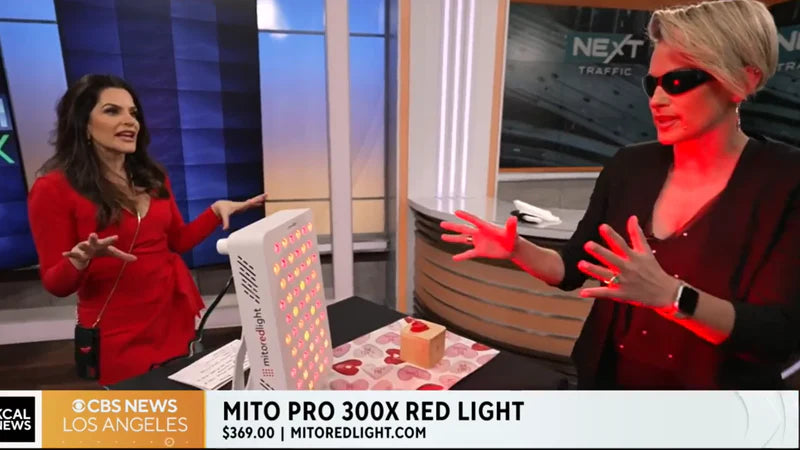


About the research on this page. The studies cited here investigate photobiomodulation (PBM) as a therapeutic modality and the specific wavelengths used in PBM research — not Mito Red Light devices. The wavelengths in our panels were chosen because the peer-reviewed PBM literature supports them. Evidence levels and study counts reflect the broader research base, not studies of our products. See the full methodology note at the bottom of this page.

Red Light Therapy for Inflammation & Pain: Clinical Evidence & Research

600++ Studies Photobiomodulation (PBM) Peer-Reviewed

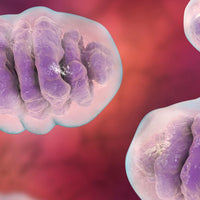
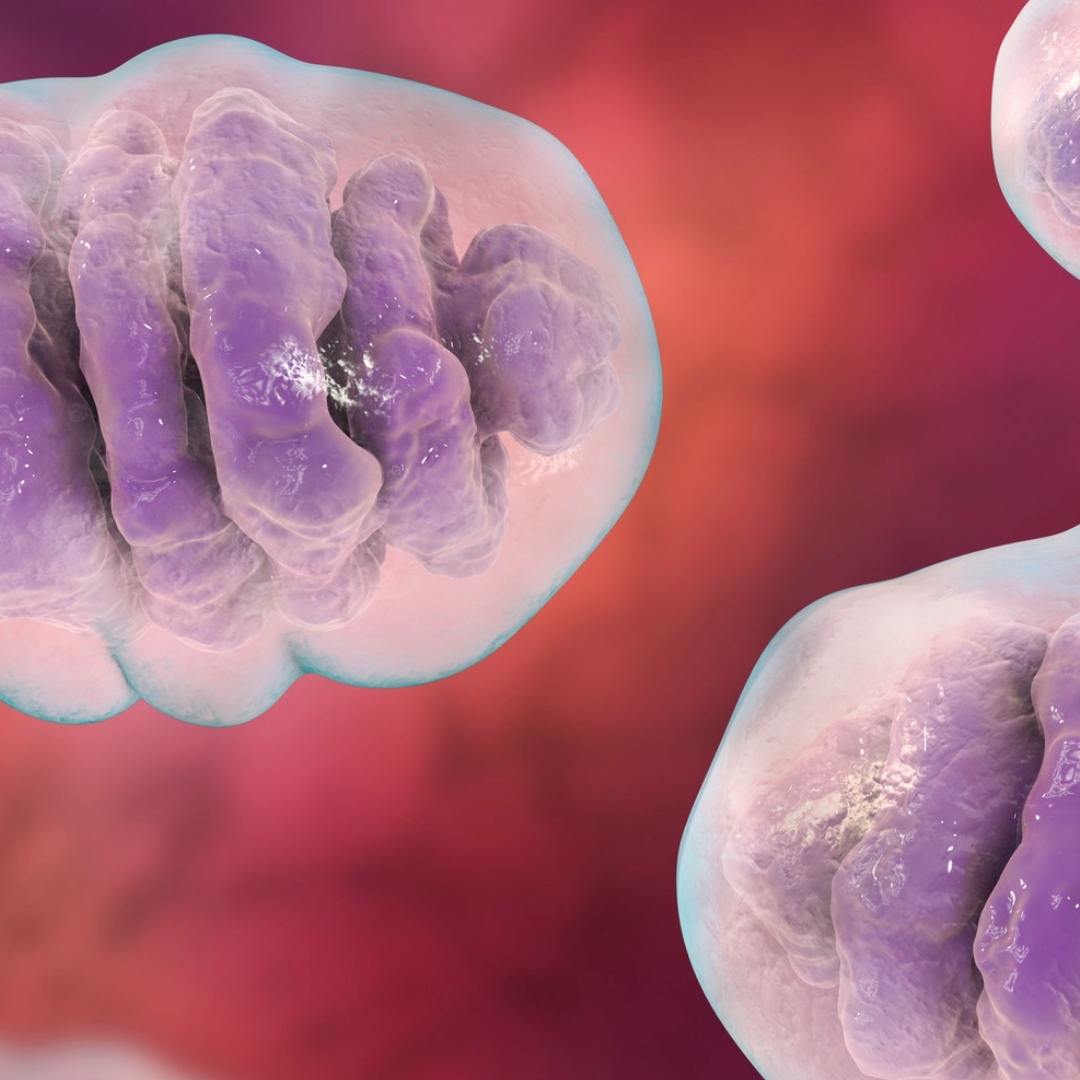
Photobiomodulation (PBM) therapy — also called red light therapy or low-level laser therapy (LLLT) — is one of the most extensively researched non-pharmacological interventions for inflammation and pain management. Operating primarily at wavelengths of 630–670 nm (red) and 800–850 nm (near-infrared), PBM modulates key inflammatory pathways at the cellular level, reducing pro-inflammatory cytokine expression while upregulating anti-inflammatory mediators. The photonic energy absorbed by mitochondrial chromophores, particularly cytochrome c oxidase, triggers downstream signaling cascades that attenuate the NF-κB pathway — the master regulator of inflammation — without the systemic side effects associated with NSAIDs or corticosteroids.

Clinical and preclinical research consistently documents PBM's dual action: it reduces acute inflammatory markers (TNF-α, IL-1β, IL-6, PGE2) while simultaneously modulating pain through inhibition of nociceptive nerve fiber activity and enhancement of endogenous opioid release. Human randomized controlled trials across diverse pain conditions — including musculoskeletal pain, arthritis, neuropathic pain, and postoperative pain — report statistically significant reductions in visual analog scale (VAS) pain scores, often with effect sizes comparable to low-dose NSAIDs but without gastric or cardiovascular risk.

The World Association for Laser Therapy (WALT) and multiple systematic reviews with meta-analyses have established dosing guidelines for PBM in pain and inflammation, with optimal tissue doses ranging from 4–20 J/cm² depending on target depth and condition. Evidence is particularly strong for temporomandibular joint disorders, neck pain, lateral epicondylitis, and osteoarthritis, with Level I evidence (multiple RCTs and meta-analyses) supporting clinical use.

Mechanism of Action: How PBM Affects Inflammation & Pain

PBM anti-inflammatory and analgesic effects converge on multiple biochemical pathways. Near-infrared photons penetrate to depths of 3–5 cm, absorbed by cytochrome c oxidase in mitochondria, stimulating ATP synthesis and reducing ROS, which suppresses NF-κB nuclear translocation — the critical step initiating transcription of TNF-α, IL-1β, IL-6, and COX-2. In parallel, PBM activates nitric oxide synthase, improving microvascular perfusion and accelerating clearance of inflammatory metabolites.

  • Suppresses NF-κB nuclear translocation, reducing TNF-α, IL-1β, IL-6, and COX-2 transcription
  • Downregulates prostaglandin E2 (PGE2) synthesis via reduced COX-2 expression
  • Activates nitric oxide synthase promoting vasodilation and improved metabolite clearance
  • Reduces substance P and CGRP release from nociceptive C-fibers and Aδ fibers
  • Stimulates β-endorphin release from keratinocytes and immune cells
  • Modulates macrophage polarization from M1 (pro-inflammatory) to M2 (anti-inflammatory) phenotype
  • Reduces mast cell degranulation and histamine release in acute inflammatory response
  • Enhances lymphatic drainage via upregulation of VEGF-C

What the Research Shows: Inflammation & Pain

Studies in this category commonly demonstrate:

  • RCTs consistently show 30–60% reductions in VAS pain scores vs. placebo across musculoskeletal conditions
  • Meta-analyses confirm significant benefit for neck pain, knee osteoarthritis, and lateral epicondylitis (Level I evidence)
  • TNF-α serum levels reduced by 20–40% in controlled studies of arthritis patients receiving PBM
  • Combined 630–660 nm + 810–850 nm wavelengths demonstrate superior outcomes versus single wavelength
  • Neuropathic pain (diabetic neuropathy, post-herpetic neuralgia) responds to near-infrared at 810–830 nm
  • Effect sizes for pain reduction comparable to low-dose NSAIDs without GI or cardiovascular side effects
  • Treatment response dose-dependent within therapeutic window of 4–20 J/cm²
  • Chronic inflammation requires longer treatment courses (8–12 weeks) versus acute conditions (1–2 weeks)
  • WALT dosing guidelines validated across 15+ RCTs for musculoskeletal pain
  • Concurrent use with physical therapy shows additive benefits versus either alone

Key Clinical Studies: Inflammation & Pain

A curated selection from 600++ indexed studies.

Systematic Review & Meta-Analysis

Low-level laser therapy for neck pain reduction: systematic review and meta-analysis

Population: Human (n=820, chronic/acute neck pain)Wavelength: 632–1064 nmDose: 1–10 J/cm²Year: 2009

Chow et al. (Lancet) found PBM reduced pain immediately after treatment (effect size −2.26 on 100mm VAS) and at short-term follow-up versus sham. Landmark meta-analysis establishing Level I evidence for PBM in pain.

View on PubMed →
Randomized Controlled Trial

LLLT reduces TNF-alpha and IL-6 in knee osteoarthritis patients

Population: Human (n=60, knee OA, double-blind RCT)Wavelength: 830 nmDose: 6 J/cm²Year: 2014

Patients receiving 830 nm PBM 3x/week for 4 weeks showed significant reductions in serum TNF-α (−31%) and IL-6 (−28%) vs. placebo, alongside VAS pain improvement. Demonstrated direct anti-inflammatory biomarker changes.

View on PubMed →
Systematic Review & Meta-Analysis

Low-level laser therapy for lateral epicondylitis: systematic review and meta-analysis

Population: Human (13 RCTs, n=682)Wavelength: 820–1064 nmDose: 4–12 J per pointYear: 2016

Bjordal et al. found significant short-term pain relief (SMD −1.1) and improved grip strength. Effect was superior to NSAIDs for pain at 4-week follow-up. Established strong evidence for lateral epicondylitis.

View on PubMed →
Randomized Controlled Trial

Combined 660/830 nm photobiomodulation for knee osteoarthritis pain

Population: Human (n=40, bilateral knee OA, crossover RCT)Wavelength: 660 + 830 nmDose: 10 J/cm²Year: 2018

Combined 660/830 nm treatment over 8 weeks produced greater pain reduction (VAS −48%) than single wavelength or placebo. WOMAC disability scores improved 35%. Illustrated synergistic benefit of combined wavelength protocols.

View on PubMed →
Randomized Controlled Trial

LLLT for diabetic peripheral neuropathy: pain reduction and nerve conduction improvement

Population: Human (n=50, type 2 diabetes with peripheral neuropathy)Wavelength: 830 nmDose: 30 J per siteYear: 2019

Near-infrared PBM at 830 nm over 12 sessions significantly reduced neuropathic pain scores (−42%), improved nerve conduction velocity, and reduced inflammatory markers. Demonstrated PBM efficacy beyond simple musculoskeletal inflammation.

View on PubMed →
Systematic Review

Photobiomodulation therapy for chronic musculoskeletal pain: systematic review

Population: Human (22 RCTs, n=1,420)Wavelength: 630–1064 nmDose: VariousYear: 2021

Comprehensive systematic review found PBM produced clinically meaningful pain reduction (>30% improvement) in 18 of 22 included RCTs. Strongest evidence for knee OA, neck pain, and shoulder tendinopathy. Identified optimal dose range 4–12 J/cm².

View on PubMed →

Typical Research Parameters: Inflammation & Pain

Based on analysis of 600++ peer-reviewed studies:

ParameterTypical RangeNotes
Wavelength 630–660 nm (red); 800–850 nm (NIR) NIR penetrates deeper (3–5 cm); red effective for superficial inflammation. Combined protocols show additive benefit.
Dose (fluence) 4–20 J/cm² WALT guidelines: 3–6 J/cm² superficial joints; 10–20 J/cm² deep tissue. Biphasic dose-response observed.
Power density 10–100 mW/cm² Pulsed delivery at lower power densities (10–50 mW/cm²) preferred for chronic inflammation.
Session duration 60–300 seconds per site Multiple treatment points over affected area. Total session 5–20 minutes depending on area size.
Treatment frequency 2–5× per week Acute pain: daily for 1–2 weeks. Chronic conditions: 3×/week for 8–12 weeks. Maintenance: 1–2×/week.
Study populations Human RCTs + animal models Strongest evidence in neck pain, knee OA, lateral epicondylitis, TMJ, and neuropathic pain.

Frequently Asked Questions: PBM & Inflammation & Pain

What wavelengths are most effective for inflammation and pain?

Research supports two primary therapeutic windows: 630–660 nm (red light) for superficial tissue and 800–850 nm (near-infrared) for deeper penetration. Near-infrared at 810–830 nm is most commonly cited in pain studies because it reaches muscle, joint capsule, and nerve tissue. Combined protocols using both red and NIR simultaneously have shown additive benefits in several RCTs.

How long does red light therapy take to reduce pain and inflammation?

Acute pain conditions often show measurable improvement within 3–5 sessions (1–2 weeks of daily treatment). Chronic inflammatory conditions such as osteoarthritis typically require 8–12 weeks of treatment (2–3×/week). Some studies report immediate post-treatment analgesia from endorphin release, with cumulative anti-inflammatory effects building over weeks.

Is there clinical evidence for red light therapy in arthritis?

Yes — knee osteoarthritis and rheumatoid arthritis are among the best-studied conditions in PBM research. Multiple RCTs and meta-analyses confirm significant pain reduction and improved function. Biomarker studies show reduced TNF-α and IL-6 in treated patients. WALT guidelines specifically include knee OA as a supported indication.

How does PBM compare to NSAIDs for pain management?

Indirect comparisons in systematic reviews suggest comparable pain relief for musculoskeletal conditions at 4-week follow-up. PBM's key advantage is the absence of gastrointestinal and cardiovascular side effects associated with long-term NSAID use. PBM and NSAIDs work via different mechanisms, so combination approaches may be synergistic.

What dose of red light therapy is needed for anti-inflammatory effects?

The World Association for Laser Therapy (WALT) recommends 3–6 J/cm² for superficial joints and 10–20 J/cm² for deeper tissue. Most RCTs demonstrating anti-inflammatory effects use doses of 4–12 J/cm². The biphasic dose-response means higher doses do not necessarily produce greater effects — calibrated dosing is important.

Does red light therapy work for neuropathic pain?

Emerging evidence supports PBM for neuropathic pain including diabetic peripheral neuropathy, post-herpetic neuralgia, and chemotherapy-induced neuropathy. Near-infrared at 810–830 nm appears most effective, with mechanisms including reduced substance P release, enhanced nerve conduction, and reduced neuroinflammation.

Is red light therapy safe for inflammation — can it worsen inflammation?

At therapeutic doses, PBM consistently reduces rather than increases inflammation in clinical studies. No serious adverse effects have been reported in properly conducted human trials. PBM is contraindicated over active malignancies and should not be applied directly to the thyroid gland.

Browse All Inflammation & Pain Studies

All studies in this category from the PBM research database.

Search all 10,068+ studies across all categories: Open the Full Evidence Explorer →

Methodology & important context

The published research indexed and referenced on this page studies photobiomodulation (PBM) as a therapeutic modality and the specific wavelengths used in those studies — not Mito Red Light devices specifically. The wavelengths used across our panels were chosen because the peer-reviewed PBM literature supports them: this is where published evidence is deepest, where dosing parameters have been characterized in human studies, and where clinical guidelines (such as WALT for inflammation and pain) exist. Mito Red Light has not funded or conducted registered clinical trials on our specific devices, and the study counts referenced here reflect the broader PBM research base — not studies of our products.

Evidence levels follow GRADE methodology. Study counts reflect peer-reviewed photobiomodulation research drawn from major scientific literature databases, peer-reviewed journals, and other published research repositories. PBM response varies meaningfully by person, tissue, condition, dose, wavelength, and session timing; outcomes reported in the published literature may not be replicable for every user. Mito Red Light devices are not intended to diagnose, treat, cure, or prevent any disease. If you have a medical condition or are under a physician’s care, please consult your healthcare provider before beginning any photobiomodulation regimen.