





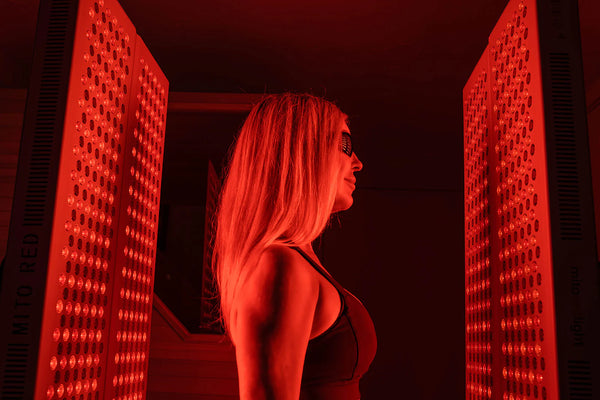
Panel Series
Red light therapy beds and UV tanning beds are not the same thing. A UV tanning bed uses ultraviolet radiation to darken skin by stimulating melanin, but that same UV exposure is linked to premature skin aging and increased skin cancer risk. A red light therapy bed uses visible red and sometimes near-infrared wavelengths, typically in the 600–900 nm range, to support photobiomodulation without tanning the skin. In simple terms: UV tanning beds are designed to tan; red light therapy beds are designed to deliver non-UV light for skin, recovery, and wellness routines.
Last updated: April 2026
Red Light Therapy Beds vs UV Tanning Beds: The Direct Answer
A red light therapy bed is not a tanning bed. The two devices may look similar because both can be built as lay-down or stand-up light beds, but they use very different parts of the electromagnetic spectrum and serve different purposes.
| Feature | UV tanning bed | Red light therapy bed |
|---|---|---|
| Primary purpose | Darken skin / create a tan | Deliver red and/or near-infrared light for photobiomodulation |
| Typical wavelengths | UVA and UVB, roughly 280–400 nm | Red and NIR, commonly 600–900 nm |
| Does it tan skin? | Yes | No |
| UV exposure | Yes | No, if the device is a true red/NIR device |
| Primary skin effect | Melanin darkening, with UV-related skin damage risk | Skin-supportive light exposure without melanin tanning |
| Best fit | People seeking a cosmetic tan, despite known UV risks | People seeking non-UV light therapy for skin, recovery, or wellness routines |
The key distinction is UV. UV tanning beds expose skin to ultraviolet radiation. Red light therapy beds should not. The American Academy of Dermatology states that tanning beds emit harmful UV radiation and that indoor tanning increases the risk of skin cancer, including melanoma, basal cell carcinoma, and squamous cell carcinoma (American Academy of Dermatology Association).
What Is a UV Tanning Bed?
A UV tanning bed is a device that exposes the skin to ultraviolet light, usually a mix of UVA and UVB radiation. UVA is associated with immediate pigment darkening and deeper skin aging effects, while UVB plays a larger role in sunburn and vitamin D synthesis. Both are forms of ultraviolet radiation.
Tanning occurs because UV exposure triggers the skin to produce and distribute melanin, the pigment that darkens the skin. That tan is not a sign of improved skin health. It is the skin’s response to radiation exposure.
According to the American Academy of Dermatology, indoor tanning can increase the risk of developing squamous cell carcinoma by 58% and basal cell carcinoma by 24%, and using tanning beds before age 20 can increase melanoma risk by 47% (American Academy of Dermatology Association).
The World Health Organization also notes that sunbeds were classified as carcinogenic to humans by the International Agency for Research on Cancer in 2009 (World Health Organization).
What Is a Red Light Therapy Bed?
A red light therapy bed is a full-body light therapy device that exposes the body to red light, near-infrared light, or a combination of both. These devices are usually designed for photobiomodulation, not tanning.
Photobiomodulation is the process by which specific wavelengths of light interact with cells, especially mitochondria, to influence cellular energy production and signaling pathways. Red and near-infrared light are commonly used because they fall within wavelength ranges that can penetrate tissue without the DNA-damaging effects associated with UV radiation.
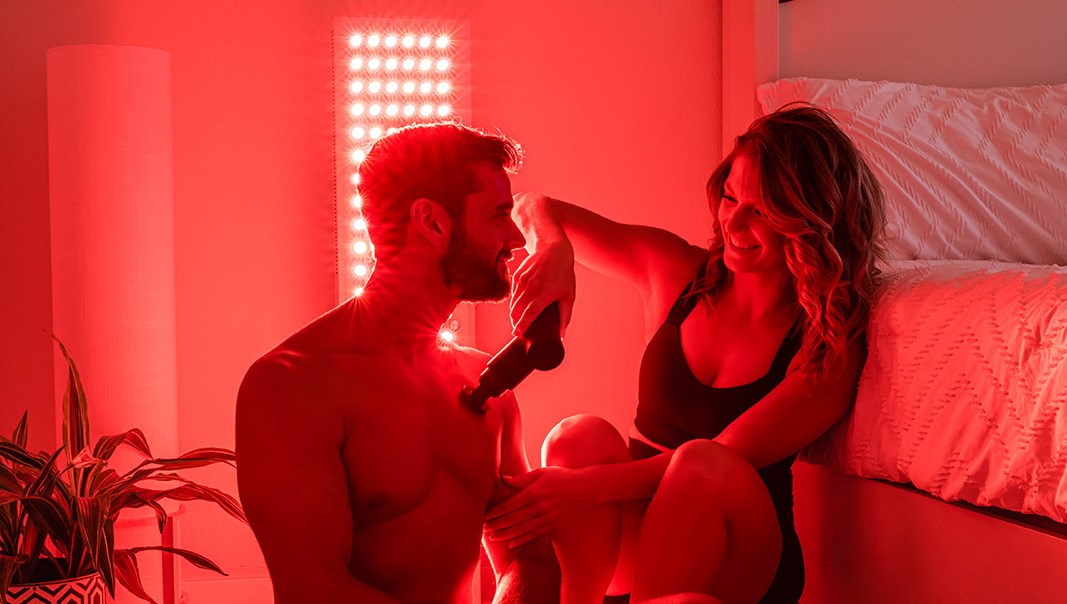
Red light therapy beds are most often found in wellness centers, spas, performance clinics, gyms, and commercial recovery rooms. At home, most people use red light therapy panels instead of full beds because panels are smaller, more affordable, easier to position, and often more practical for consistent routines.
For the science behind red and near-infrared wavelengths, see Mito Red Light’s red light therapy wavelength guide and Research Evidence Hub.
Wavelengths: UV vs Red vs Near-Infrared
The biggest technical difference between tanning beds and red light therapy beds is wavelength. Wavelength determines how light interacts with the skin and body.
| Light type | Approx. wavelength range | Primary effect | Used in |
|---|---|---|---|
| UVB | ~280–320 nm | Sunburn, delayed tanning, vitamin D synthesis, DNA damage risk | Sunlight and some tanning beds |
| UVA | ~320–400 nm | Immediate pigment darkening, photoaging, skin cancer risk | Sunlight and tanning beds |
| Red light | ~620–700 nm | Surface-to-dermal photobiomodulation; commonly studied for skin | Red light therapy beds, panels, masks |
| Near-infrared | ~780–900+ nm | Deeper tissue penetration; commonly used for recovery-oriented routines | Red/NIR beds, panels, targeted devices |
| Far-infrared | Above ~1000 nm | Heat-based effects rather than standard red/NIR photobiomodulation | Infrared saunas |
For most red light therapy users, the key wavelengths are red light in the 630–660 nm range and near-infrared light in the 810–850 nm range. These are among the most commonly studied bands for skin, recovery, and broader photobiomodulation applications.
Does Red Light Therapy Tan Your Skin?
No. Red light therapy does not tan the skin because it does not use ultraviolet radiation. A true red light therapy bed should not stimulate melanin production the way a UV tanning bed does.
This is why the phrase “red light tanning” is confusing. Some salons use that term because red light beds look similar to tanning beds or are located near tanning equipment. But red light therapy itself does not create a tan.
If your goal is bronzed-looking skin, red light therapy is not the tool for that job. If your goal is a non-UV light routine for skin appearance, recovery, or general wellness, red light therapy is the more relevant category.
Are Red Light Therapy Beds Safer Than UV Tanning Beds?
From a UV exposure standpoint, yes: a true red light therapy bed does not expose the skin to UVA or UVB radiation. That makes it fundamentally different from a UV tanning bed.
However, “safer than tanning” does not mean “risk-free for everyone.” Red light therapy should still be used according to device instructions. People with light sensitivity, active eye disease, photosensitizing medications, active cancer in the treatment area, pregnancy considerations, or other medical concerns should consult a qualified healthcare professional before beginning a new light therapy routine.
Eye protection is also important. Red and near-infrared light are not the same as UV, but direct exposure to bright light sources can still be uncomfortable or inappropriate for some users, especially with high-output panels or commercial beds.
For more safety context, read Mito Red Light’s guide to red light therapy contraindications.
Can Red Light Therapy Repair UV or Tanning Bed Damage?
Red light therapy should not be described as “reversing” tanning bed damage. UV damage can involve DNA changes, collagen breakdown, pigmentation changes, and long-term cancer risk. Red light therapy cannot erase that history.
What research does support is more specific: red and near-infrared light have been studied for skin appearance, collagen density, skin roughness, and complexion. In one controlled trial, red and near-infrared light treatment was associated with improvements in skin complexion, skin feeling, collagen density, and skin roughness (Photomedicine and Laser Surgery).
That means red light therapy may be useful as part of a skin-supportive routine after years of UV exposure, but it should not be treated as a license to keep tanning or as a substitute for dermatology care. Anyone with changing moles, suspicious lesions, or a history of heavy UV exposure should see a dermatologist for routine skin checks.
Should You Use Red Light Therapy Before or After Tanning?
The safest recommendation is not to use UV tanning beds. Red light therapy does not make UV tanning safe, and it should not be used as a “protective shield” before intentional UV exposure.
Some laboratory and clinical research has explored whether certain red and near-infrared light exposures may influence skin repair pathways or reduce aspects of light-induced stress. That does not change the core public-health guidance: UV tanning increases skin cancer risk and accelerates visible skin aging.
If you still choose to tan, red light therapy should not replace sunscreen, protective clothing, dermatology guidance, or routine skin checks. The better long-term strategy is to avoid UV tanning and use non-UV cosmetic tanning options, such as sunless tanners or spray tans, if you want a bronzed appearance.
Red Light Therapy Bed vs Red Light Therapy Panel
A red light therapy bed can be convenient in a spa, gym, or commercial wellness setting, but it is not always the best option for home use. For many people, a high-quality panel is more practical.
| Option | Best for | Limitations |
|---|---|---|
| Red light therapy bed | Commercial wellness centers, spas, gyms, passive full-body sessions | Expensive, large footprint, less flexible positioning, harder to use at home |
| Red light therapy panel | At-home routines, targeted treatment areas, full-body setups with multiple panels | Requires positioning and consistent protocol habits |
| LED face mask | Facial skin, acne, wrinkles, tone, convenience | Face-focused only; not for body recovery or full-body use |
If your primary goal is full-body recovery, general wellness, or large-area use at home, start with a red and near-infrared panel. If your primary goal is facial skin, an LED face mask such as MitoGLOW may be a more targeted option.
For panel users, output quality matters. Mito Red Light publishes independent test data so customers can evaluate wavelength accuracy, irradiance, and product-output transparency before choosing a device.
Can You Experience Red Light Therapy at Home?
Yes. At-home red light therapy has become much more practical because high-quality panels, masks, and targeted devices can deliver red and near-infrared light without requiring a commercial bed.
For home use, look for:
- Red + near-infrared wavelengths: A combination of surface and deeper-penetrating wavelengths.
- Published irradiance data: Output measured at realistic treatment distances.
- Independent test results: Third-party verification that the device emits the wavelengths and power it claims.
- Appropriate size: A panel or mask that matches your treatment goals and available space.
- Clear protocols: Session times, distance guidance, and safety instructions that are easy to follow.
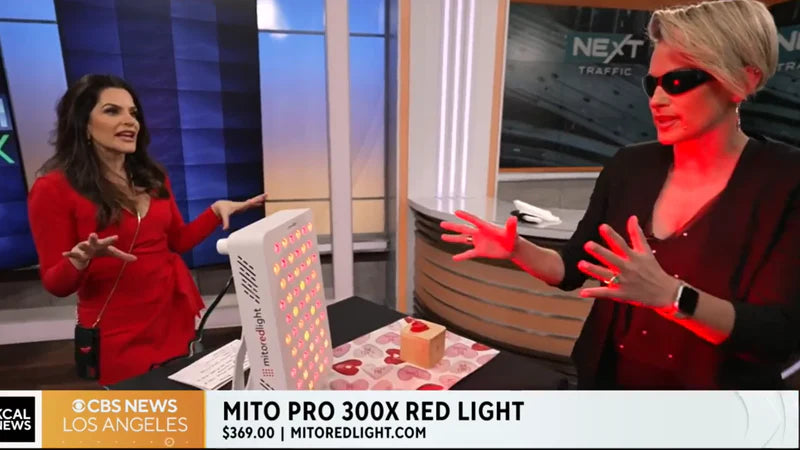
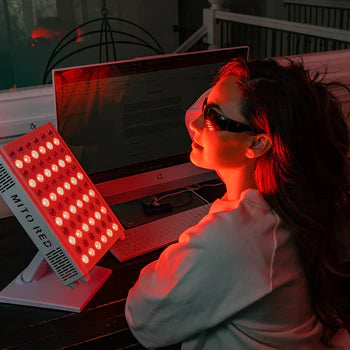
Explore Mito Red Light’s panel series for red and near-infrared home routines, or browse all red light therapy devices.
At-home alternative to red light beds
Get red + near-infrared light without a tanning salon or commercial bed.
Mito Red Light panels are built for consistent home routines, with published specifications and independent test data.
Bottom Line
Red light therapy beds and UV tanning beds are fundamentally different. UV tanning beds use ultraviolet radiation to tan the skin, and public-health organizations warn that indoor tanning increases skin cancer risk. Red light therapy beds use non-UV red and near-infrared light for photobiomodulation and do not tan the skin.
If your goal is a cosmetic tan, red light therapy will not provide it. If your goal is a non-UV light routine for skin appearance, recovery, or wellness, red light therapy is the category to evaluate.
For most home users, a red light therapy panel is more practical than a full bed. It gives you more control over distance, positioning, treatment area, and session frequency. For facial skin specifically, a dedicated LED face mask like MitoGLOW may be the better fit.
Frequently Asked Questions
Is a red light therapy bed the same as a tanning bed?
No. A tanning bed uses ultraviolet radiation to darken the skin. A red light therapy bed uses red and/or near-infrared wavelengths for photobiomodulation and should not emit UV light. The two devices can look similar, but they are not the same technology.
Does red light therapy tan your skin?
No. Red light therapy does not tan the skin because it does not use UVA or UVB radiation. If a device tans your skin, it is exposing you to ultraviolet light or another tanning mechanism, not standard red light therapy alone.
Are red light therapy beds safer than tanning beds?
A true red light therapy bed avoids UV exposure, which makes it fundamentally different from a UV tanning bed. However, red light therapy should still be used according to device instructions, and people with light sensitivity, eye disease, photosensitizing medications, pregnancy considerations, or medical conditions should consult a healthcare professional before use.
Can red light therapy reverse tanning bed damage?
Red light therapy cannot erase UV exposure history or reverse all tanning bed damage. Research has examined red and near-infrared light for skin appearance, collagen density, roughness, and complexion, so it may support a skin-focused routine. It should not be used as a reason to continue UV tanning.
Should I use red light therapy before or after tanning?
The safest recommendation is to avoid UV tanning beds. Red light therapy does not make UV exposure safe and should not be treated as protection against tanning-related damage. If you want a bronzed appearance, sunless tanners or spray tans avoid intentional UV exposure.
What wavelengths do red light therapy beds use?
Red light therapy beds commonly use visible red light in the 620–700 nm range and may also include near-infrared light in the 780–900+ nm range. Devices vary, so users should verify the actual wavelengths and output data rather than relying on generic “red light” claims.
Is a red light therapy bed better than a red light panel?
Not always. Beds are useful in commercial settings and can provide passive full-body exposure, but panels are usually more practical for at-home use. A high-quality panel can offer red and near-infrared wavelengths, flexible positioning, known treatment distances, and lower long-term cost.
Can I do red light therapy at home instead of going to a salon?
Yes. Many people use at-home red light therapy panels, masks, or targeted devices instead of visiting a salon or spa. Look for verified wavelengths, published irradiance data, independent testing, clear protocols, and a device size that matches your goals.
Sources and Further Reading
- American Academy of Dermatology Association: Indoor tanning statistics
- World Health Organization: Artificial tanning devices
- Photomedicine and Laser Surgery: Red and near-infrared light treatment and skin outcomes
- NASA Spinoff: NASA research illuminates medical uses of light
- Mito Red Light: What Is Red Light Therapy?
- Mito Red Light: Best Wavelengths for Red Light Therapy
- Mito Red Light: Planet Fitness Total Body Enhancement Review
Mito Red Light products are general wellness devices. They are not medical devices and have not been evaluated, cleared, or approved by the FDA or any regulatory body for the diagnosis, treatment, cure, or prevention of any disease or medical condition. Any references to peer-reviewed research or clinical studies on this page describe findings from independent scientific literature and do not imply that Mito Red Light devices have been studied, tested, or proven effective for any specific condition. Always consult a qualified healthcare provider before beginning any new wellness routine, particularly if you have a medical condition or are taking medication.
Related articles
More from the red light therapy knowledge cluster