












Panel Series
Red light therapy works only when specific wavelengths — primarily 630nm, 660nm, 810nm, and 850nm — are absorbed by cytochrome c oxidase in the mitochondria. A standard red LED bulb, heat lamp, or decorative red light emits broad-spectrum or poorly defined wavelengths that do not match these absorption peaks, producing no meaningful photobiomodulation effect regardless of brightness or proximity. This article explains exactly why wavelength precision is non‑negotiable and what to look for in a therapeutic device.
Why Can't I Just Use Any Red Light Source for Red Light Therapy?
This is one of the most common questions people have when they first encounter red light therapy — and it is a fair one. If red light therapy uses red light, why will a red light bulb from a hardware store not work? The answer goes to the heart of how photobiomodulation actually works, and why precision matters more than brightness.
The Mechanism Requires Specific Wavelengths
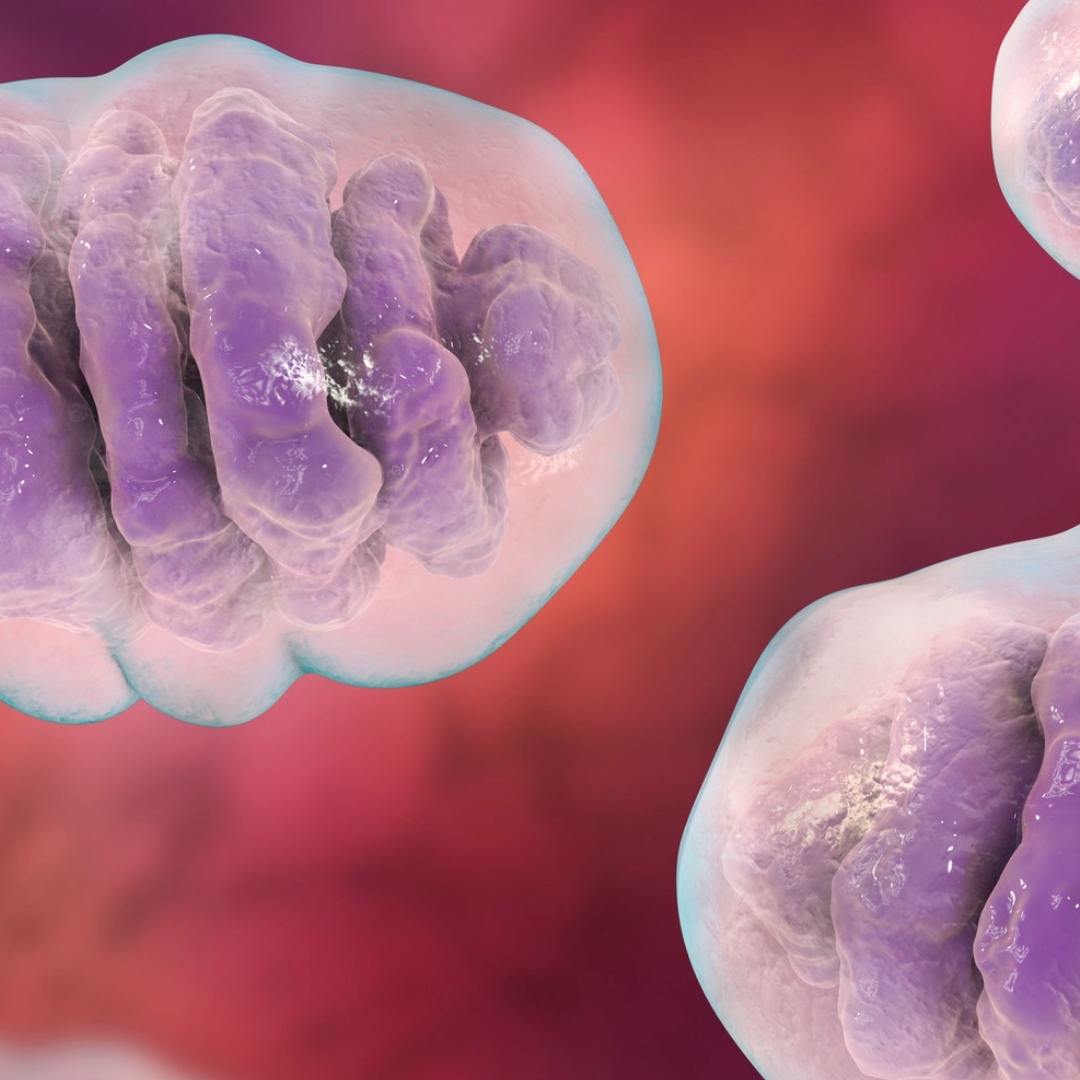
Red light therapy does not work simply because light is absorbed by the skin and generates heat. It works because specific wavelengths of light are absorbed by a specific molecule in your cells — cytochrome c oxidase (CCO), a photoreceptor enzyme embedded in the inner mitochondrial membrane.
CCO has well‑defined absorption peaks. Extensive spectroscopy and mechanistic research identify strong peaks around 630nm, 660nm, 810nm, and 850nm within the so‑called “optical window” in tissue. When photons at these wavelengths are absorbed by CCO, they trigger a cascade of biological responses: increased ATP production, modulation of nitric oxide binding, changes in reactive oxygen species, and downstream effects on inflammation, collagen synthesis, and cellular repair.
Photons at other wavelengths — even ones that look red to the human eye — are not absorbed as efficiently by CCO. They are more likely to be absorbed by water, haemoglobin, or other chromophores without triggering the same therapeutic cascade.
What “Red Light” Actually Means
The human eye perceives light from roughly 620nm to 750nm as “red,” but that is only a visual description. Within that range, biological activity varies significantly:
- 620–629nm: Some CCO absorption, but below the primary peak; limited therapeutic effect at typical irradiance levels.
- 630–660nm: Primary therapeutic range in the visible band; matches CCO absorption peaks and has the strongest evidence base for skin, wound healing, and surface tissue applications.
- 661–700nm: Diminishing CCO absorption; often used in consumer devices to appear visually “red” but with reduced clinical relevance.
- 700–750nm: Still visible as deep red, but very low CCO absorption; minimal photobiomodulation effect.
A standard red light bulb — the kind used in darkrooms, aquariums, or decorative lighting — typically emits across this entire visual red spectrum without any precision around the 630nm or 660nm peaks. It looks red; it is not engineered as therapeutic red light therapy.
Irradiance: Why Brightness Is Not Enough
Even if a light source happened to emit some light at 660nm, intensity (irradiance) matters as much as wavelength. Photobiomodulation follows a biphasic dose‑response curve (often called Arndt–Schulz): there is a minimum effective dose below which no benefit occurs, an optimal range, and a high‑dose range where excessive energy can actually blunt or reverse the response.
The minimum effective irradiance for most therapeutic applications is often around 10 mW/cm² at the skin surface, with many protocols using ranges between 20–100 mW/cm² depending on depth and target tissue. A standard red light bulb at typical household distances usually delivers only a fraction of this — often well under 1 mW/cm² at the skin.
Professional photobiomodulation devices use high‑output LEDs specifically binned for wavelength precision and arranged to deliver therapeutic irradiance across the treatment area. This requires optical and electrical engineering that general‑purpose lighting products simply do not have.
The Coherence Question: Do You Need a Laser?
Early PBM research was conducted with lasers (coherent, monochromatic light), which led to the term “low‑level laser therapy” (LLLT) and the assumption that coherence was essential.
More recent comparative work indicates that LED devices producing the same wavelengths and doses can achieve similar therapeutic outcomes when parameters such as wavelength, irradiance, and treatment time are matched. Coherence is largely lost in the first layers of tissue, and the mitochondria primarily “care” about photon energy (wavelength) and delivered dose, not whether the light originated from a laser or an LED.
This means you do not need a laser — but you do need wavelength‑specific, adequately powered LEDs. General red bulbs provide neither. Related reading: Best Red Light Therapy Device: 2026 Buyer’s Guide.
How to Verify a Device Is Legitimate
When evaluating a red light therapy device, four elements matter most:
- Confirmed wavelengths: The device should specify exact peak wavelengths (for example, 630nm, 660nm, 810nm, 850nm) — not just “red and near‑infrared.” Ideally, independent spectral analysis confirms that the actual emission peaks match what is advertised. Mito Red Light panel series list all peak wavelengths, including 630nm, 660nm, 810nm, 830nm, and 850nm.
- Irradiance data: The device should publish irradiance measurements (mW/cm²) at specific distances. For full‑panel devices, ≥20 mW/cm² at 6–15 inches is common for clinically relevant dosing.
- Third‑party testing: Independent lab verification of both spectrum and irradiance reduces bias. Mito Red Light publishes independent third‑party testing for its devices, including ISO‑accredited lab reports on power and irradiance.
- LED chip quality: Medical‑grade LED chips (e.g., from major manufacturers) maintain wavelength stability and output over time. Cheap LEDs can drift from their rated wavelengths as they age or heat up, reducing therapeutic accuracy and consistency.
Common Sources That Will Not Work
In practical terms, here is how this translates to everyday light sources:
- Red incandescent or halogen bulbs: Broad‑spectrum output with significant mid‑infrared heat, minimal concentrated output at 630–660nm peaks, and primarily thermal rather than photobiomodulation effects.
- Red LED strips (decorative): Typically binned for colour appearance, not precise wavelengths; irradiance at the skin is usually far below therapeutic thresholds.
- Heat lamps: Emit mostly mid‑ and far‑infrared (thousands of nanometers), which is absorbed by water in the first millimetre of skin. This is a completely different mechanism (heating) from PBM’s targeted mitochondrial interaction.
- Tanning beds: Use UV and broad visible spectrum; their primary biological effects are mediated by UV exposure, which carries well‑documented risks and does not replicate PBM mechanisms.
- Cheap “red light therapy” devices without published specs: If a device is marketed as red light therapy but does not publish its wavelengths and irradiance data, its effectiveness cannot be evaluated and it should be approached with scepticism.
The Bottom Line
Red light therapy works through a specific photochemical mechanism that requires photons at precise wavelengths delivered at sufficient intensity for an appropriate duration. The therapy is named for the colour of light it uses, but the colour you see is not what determines effectiveness — wavelength, irradiance, and dose are. A device engineered to deliver 630nm and 660nm (and complementary near‑infrared wavelengths) at 20–100 mW/cm² with independent verification is categorically different from a generic red bulb, no matter how similar they might look.
If you are comparing panels, the Mito Red Light panel series publishes full independent spectral and irradiance data for every device, making it easier to align your choice with the actual science of photobiomodulation.
References
- Hamblin MR. Mechanisms and mitochondrial redox signaling in photobiomodulation. Photochemistry and Photobiology. 2018.
- Karu TI. Primary and secondary mechanisms of action of visible to near‑IR radiation on cells. Journal of Photochemistry and Photobiology B. 1999.
- Huang YY et al. Biphasic dose response in low level light therapy. Dose‑Response. 2009.
- Hamblin MR. Biphasic dose response in low level light therapy – an update. Dose‑Response. 2011.
- de Freitas LF, Hamblin MR. Photobiomodulation: Lasers vs light emitting diodes? Photomedicine and Laser Surgery. 2016.
Why Can't I Just Use Any Red Light Source for Red Light Therapy?
This is one of the most common questions people have when they first encounter red light therapy — and it is a fair one. If red light therapy uses red light, why will a red light bulb from a hardware store not work? The answer goes to the heart of how photobiomodulation actually works, and why precision matters more than brightness.
The Mechanism Requires Specific Wavelengths
Red light therapy does not work simply because light is absorbed by the skin and generates heat. It works because specific wavelengths of light are absorbed by a specific molecule in your cells — cytochrome c oxidase (CCO), a photoreceptor enzyme embedded in the inner mitochondrial membrane.
CCO has well‑defined absorption peaks. Extensive spectroscopy and mechanistic research identify strong peaks around 630nm, 660nm, 810nm, and 850nm within the so‑called “optical window” in tissue. When photons at these wavelengths are absorbed by CCO, they trigger a cascade of biological responses: increased ATP production, modulation of nitric oxide binding, changes in reactive oxygen species, and downstream effects on inflammation, collagen synthesis, and cellular repair.
Photons at other wavelengths — even ones that look red to the human eye — are not absorbed as efficiently by CCO. They are more likely to be absorbed by water, haemoglobin, or other chromophores without triggering the same therapeutic cascade.
What “Red Light” Actually Means
The human eye perceives light from roughly 620nm to 750nm as “red,” but that is only a visual description. Within that range, biological activity varies significantly:
- 620–629nm: Some CCO absorption, but below the primary peak; limited therapeutic effect at typical irradiance levels.
- 630–660nm: Primary therapeutic range in the visible band; matches CCO absorption peaks and has the strongest evidence base for skin, wound healing, and surface tissue applications.
- 661–700nm: Diminishing CCO absorption; often used in consumer devices to appear visually “red” but with reduced clinical relevance.
- 700–750nm: Still visible as deep red, but very low CCO absorption; minimal photobiomodulation effect.
A standard red light bulb — the kind used in darkrooms, aquariums, or decorative lighting — typically emits across this entire visual red spectrum without any precision around the 630nm or 660nm peaks. It looks red; it is not engineered as therapeutic red light therapy.
Irradiance: Why Brightness Is Not Enough
Even if a light source happened to emit some light at 660nm, intensity (irradiance) matters as much as wavelength. Photobiomodulation follows a biphasic dose‑response curve (often called Arndt–Schulz): there is a minimum effective dose below which no benefit occurs, an optimal range, and a high‑dose range where excessive energy can actually blunt or reverse the response.
The minimum effective irradiance for most therapeutic applications is often around 10 mW/cm² at the skin surface, with many protocols using ranges between 20–100 mW/cm² depending on depth and target tissue. A standard red light bulb at typical household distances usually delivers only a fraction of this — often well under 1 mW/cm² at the skin.
Professional photobiomodulation devices use high‑output LEDs specifically binned for wavelength precision and arranged to deliver therapeutic irradiance across the treatment area. This requires optical and electrical engineering that general‑purpose lighting products simply do not have.
The Coherence Question: Do You Need a Laser?
Early PBM research was conducted with lasers (coherent, monochromatic light), which led to the term “low‑level laser therapy” (LLLT) and the assumption that coherence was essential.
More recent comparative work indicates that LED devices producing the same wavelengths and doses can achieve similar therapeutic outcomes when parameters such as wavelength, irradiance, and treatment time are matched. Coherence is largely lost in the first layers of tissue, and the mitochondria primarily “care” about photon energy (wavelength) and delivered dose, not whether the light originated from a laser or an LED.
This means you do not need a laser — but you do need wavelength‑specific, adequately powered LEDs. General red bulbs provide neither.
How to Verify a Device Is Legitimate
When evaluating a red light therapy device, four elements matter most:
- Confirmed wavelengths: The device should specify exact peak wavelengths (for example, 630nm, 660nm, 810nm, 850nm) — not just “red and near‑infrared.” Ideally, independent spectral analysis confirms that the actual emission peaks match what is advertised. Mito Red Light panel series list all peak wavelengths, including 630nm, 660nm, 810nm, 830nm, and 850nm.
- Irradiance data: The device should publish irradiance measurements (mW/cm²) at specific distances. For full‑panel devices, ≥20 mW/cm² at 6–15 inches is common for clinically relevant dosing.
- Third‑party testing: Independent lab verification of both spectrum and irradiance reduces bias. Mito Red Light publishes independent third‑party testing for its devices, including ISO‑accredited lab reports on power and irradiance.
- LED chip quality: Medical‑grade LED chips (e.g., from major manufacturers) maintain wavelength stability and output over time. Cheap LEDs can drift from their rated wavelengths as they age or heat up, reducing therapeutic accuracy and consistency.
Common Sources That Will Not Work
In practical terms, here is how this translates to everyday light sources:
- Red incandescent or halogen bulbs: Broad‑spectrum output with significant mid‑infrared heat, minimal concentrated output at 630–660nm peaks, and primarily thermal rather than photobiomodulation effects.
- Red LED strips (decorative): Typically binned for colour appearance, not precise wavelengths; irradiance at the skin is usually far below therapeutic thresholds.
- Heat lamps: Emit mostly mid‑ and far‑infrared (thousands of nanometers), which is absorbed by water in the first millimetre of skin. This is a completely different mechanism (heating) from PBM’s targeted mitochondrial interaction.
- Tanning beds: Use UV and broad visible spectrum; their primary biological effects are mediated by UV exposure, which carries well‑documented risks and does not replicate PBM mechanisms.
- Cheap “red light therapy” devices without published specs: If a device is marketed as red light therapy but does not publish its wavelengths and irradiance data, its effectiveness cannot be evaluated and it should be approached with scepticism.
The Bottom Line
Red light therapy works through a specific photochemical mechanism that requires photons at precise wavelengths delivered at sufficient intensity for an appropriate duration. The therapy is named for the colour of light it uses, but the colour you see is not what determines effectiveness — wavelength, irradiance, and dose are. A device engineered to deliver 630nm and 660nm (and complementary near‑infrared wavelengths) at 20–100 mW/cm² with independent verification is categorically different from a generic red bulb, no matter how similar they might look.
If you are comparing panels, the Mito Red Light panel series publishes full independent spectral and irradiance data for every device, making it easier to align your choice with the actual science of photobiomodulation.
References
- Hamblin MR. Mechanisms and mitochondrial redox signaling in photobiomodulation. Photochemistry and Photobiology. 2018.
- Karu TI. Primary and secondary mechanisms of action of visible to near‑IR radiation on cells. Journal of Photochemistry and Photobiology B. 1999.
- Huang YY et al. Biphasic dose response in low level light therapy. Dose‑Response. 2009.
- Hamblin MR. Biphasic dose response in low level light therapy – an update. Dose‑Response. 2011.
- de Freitas LF, Hamblin MR. Photobiomodulation: Lasers vs light emitting diodes? Photomedicine and Laser Surgery. 2016.
Frequently Asked Questions
Can I use any red bulb for red light therapy?
No. Most consumer red bulbs emit a broad, poorly targeted spectrum with little energy at the key therapeutic peaks around 630nm and 660nm, and their irradiance at typical distances is far below what is used in photobiomodulation research. They may look red but do not deliver the wavelength precision or intensity required for mitochondrial effects.
What wavelengths should a true red light therapy device use?
Most of the human research on photobiomodulation centres on narrow peaks around 630nm, 660nm, and near‑infrared ranges such as 810–850nm. These wavelengths line up with cytochrome c oxidase absorption peaks and fall within the optical window where light can penetrate tissue. A quality device will clearly list its peak wavelengths rather than vague terms like “red and NIR.”
Why does irradiance (mW/cm²) matter so much?
The total dose your tissue receives depends on irradiance multiplied by time. Below a certain threshold, there is simply not enough energy to trigger a biological response, while excessively high doses can flatten or reverse the benefit. Properly engineered panels are designed to deliver practical therapeutic doses at realistic distances; generic red bulbs are not.
Do I need a laser for effective photobiomodulation?
No. Comparative studies indicate that when wavelength, dose, and treatment parameters are matched, high‑quality LED devices can achieve similar outcomes to lasers for many PBM applications. Coherence is not required at the level of mitochondria; what matters is delivering the right photons at the right dose.
How can I tell if a “red light therapy” panel is legitimate?
Look for clearly specified wavelengths, published irradiance data at named distances, and independent third‑party testing of spectrum and power. Brands such as Mito Red Light publish full spectral and irradiance reports for their panel series, making it easier to verify that the device is engineered for true photobiomodulation instead of just coloured lighting.
This article discusses published scientific research and general educational information about photobiomodulation and red light therapy. It does not constitute medical advice and does not make specific claims about Mito Red Light devices. The research cited reflects independent peer-reviewed studies and does not imply that any Mito Red Light product has been evaluated, approved, or cleared by the FDA or any other regulatory body for the diagnosis, treatment, cure, or prevention of any disease or medical condition. Individual results vary. Consult a qualified healthcare professional before beginning any light therapy protocol, particularly if you have a pre-existing medical condition, are pregnant, or are taking photosensitising medications.
Mito Red Light products are general wellness devices. They are not medical devices and have not been evaluated, cleared, or approved by the FDA or any regulatory body for the diagnosis, treatment, cure, or prevention of any disease or medical condition. Any references to peer-reviewed research or clinical studies on this page describe findings from independent scientific literature and do not imply that Mito Red Light devices have been studied, tested, or proven effective for any specific condition. Always consult a qualified healthcare provider before beginning any new wellness routine, particularly if you have a medical condition or are taking medication.
Related articles
More from the wavelengths & science knowledge cluster