




Panel Series
Key Takeaways:
-
Red light therapy stimulates mitochondria in muscle cells to produce more ATP, the energy molecule that fuels cellular repair.
-
Research supports red light therapy for reducing delayed onset muscle soreness (DOMS), lowering markers of muscle damage, and improving circulation.
-
Consistent sessions, especially before or after exercise, offer the strongest recovery benefits, particularly for large, deep muscle groups.
Red light therapy , also called photobiomodulation (PBMT) , is a non-invasive technique that uses specific wavelengths of red and near-infrared (NIR) light, typically between 630nm and 850nm, to penetrate skin and soft tissue. Those wavelengths interact directly with structures inside your cells, triggering biological responses that support muscle repair and recovery at the source.
Red light therapy works at the cellular level. It reaches deep into tissue where muscle damage actually occurs, and that's where recovery needs to start. Here’s what to know.
How Can Red Light Therapy Support Muscle Recovery?
From heavy squats to a long run, an intense upper body session, or a weekend home project, muscle tissue throughout your body is prone to strain and soreness after exertion. Recovery depends on how well blood flow, cellular repair, and inflammation are managed, and anything that supports those processes can make a real difference.
Research on NIR tissue penetration shows that wavelengths in the 800-850nm range can reach several centimeters into soft tissue, deep enough to interact with large muscle groups throughout the body — from your quads and hamstrings to your chest, shoulders, and back. Red wavelengths near 630-660nm, meanwhile, work closer to the surface, supporting skin and superficial tissues.
That combination matters. Studies have found that red and NIR light applied to muscles can help reduce soreness , support blood flow, and support functional restoration after exercise.
What Is the Science Behind Red Light Therapy for Muscle Repair?
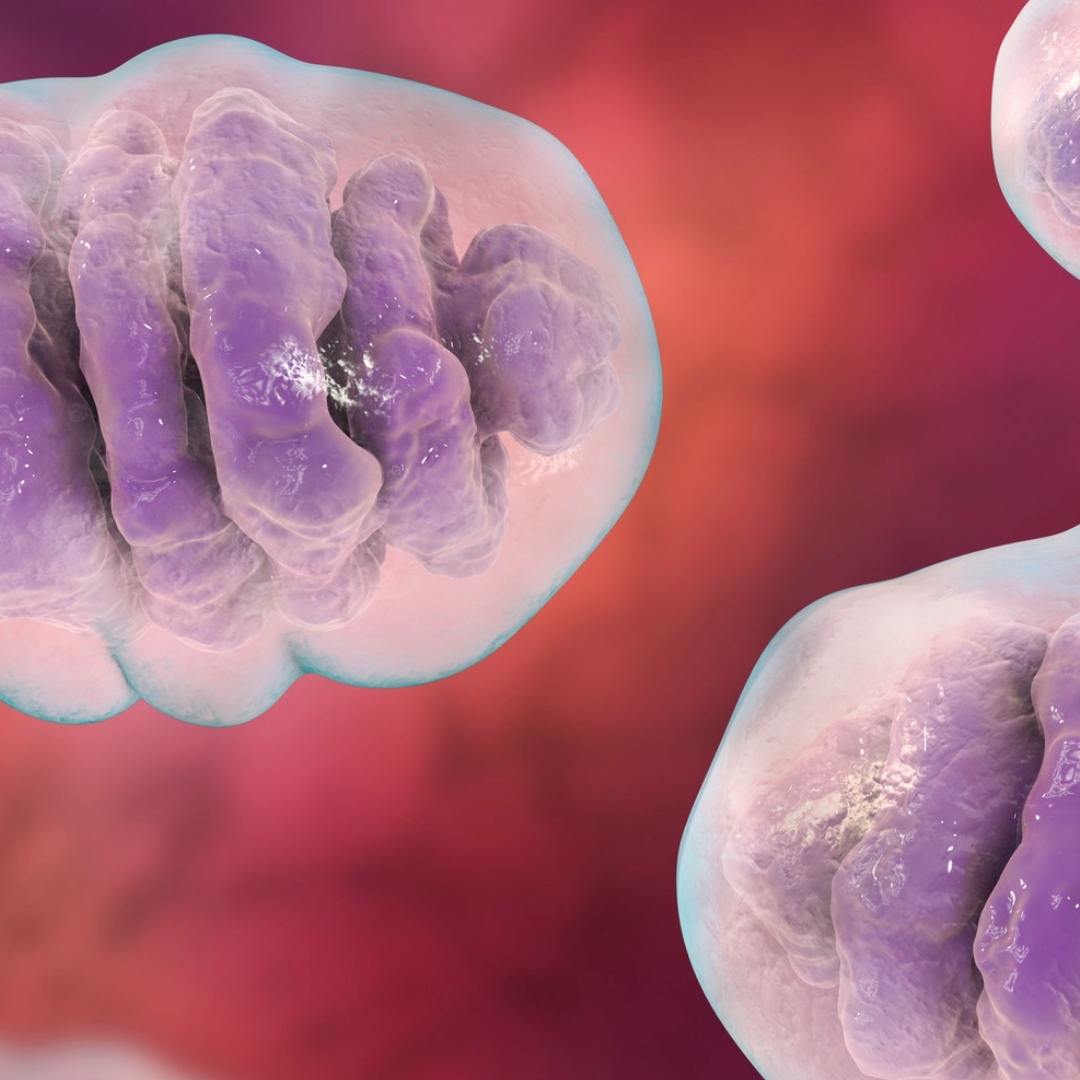
Every muscle cell in your body contains mitochondria, responsible for producing ATP (adenosine triphosphate), the primary molecule that stores and transfers energy within cells. ATP works as fuel for everything your cells do, including repairing damaged muscle fibers.
When red and near-infrared light hits muscle tissue, it's absorbed by a molecule called cytochrome C oxidase inside the mitochondria. That absorption stimulates the electron transport chain, ramping up ATP output. More cellular energy means your muscles have more resources to repair, rebuild, and bounce back.
Current evidence is strongest for short-term recovery endpoints like soreness reduction, improved circulation, and temporary pain relief. For most people trying to get back to the gym or just move comfortably through their day, that's exactly the kind of support that makes a real difference.
How Can You Use Red Light Effectively for Muscle Recovery?
Timing and consistency are everything here. Published protocols generally recommend wavelengths between 630nm and 850nm, with sessions lasting about three to five minutes per target area. For larger zones, such as the quads, lower back, or upper traps, you may want to cover multiple spots.
When it comes to timing, the research splits into two camps:
-
Pre-exercise ("preconditioning"): Applying red light before a workout may help protect muscle tissue from exercise-induced damage, essentially giving your cells an energy head start.
-
Post-exercise recovery: Using red light after training supports the repair process, reducing soreness and helping muscles bounce back faster.
Both approaches show benefits in clinical studies, and plenty of athletes alternate between the two depending on training load. The one consistent finding across the research is that a single session helps, but repeated, consistent use is where the real gains happen.
How To Choose the Right Red Light Therapy Device
When you're targeting deep muscle groups, the device needs to put out enough power across the right wavelengths to actually reach the tissue that matters.
Here's what to look for:
-
Multi-wavelength output: Devices that combine red (630-660nm) and NIR (810-850nm) wavelengths cover both surface-level and deep tissue recovery. Quad-wavelength panels take this a step further, offering broader spectral coverage for more comprehensive support.
-
Sufficient power density: Higher irradiance means more photons reaching deeper tissue. Independent, third-party testing is the gold standard for verifying output claims.
-
Coverage area: Handheld devices work fine for a sore bicep, but for large areas, larger LED panels or full-body options give you the surface area you need without wasting time repositioning.
-
Safety certifications: Look for FDA registration, IEC 60601 safety compliance, and ETL certification. They're the benchmarks that separate clinical-grade devices from glorified night lights.
The Mito Red Light Difference
We built Mito Red Light around one idea: make powerful, science-backed red light therapy accessible to everyone.
Our panels, from the award-winning MitoPRO + series to the MitoADAPT 4.0 with its 11 selectable wavelength modes, are independently tested, FDA Class II registered, and trusted by professionals, athletes, and wellness enthusiasts worldwide. Every device is low EMF, flicker-free, and backed by a 60-day trial with no restocking fees.
Whether you're recovering from leg day or managing general soreness, we've got a device (and a wavelength combination) that fits your goals.
The Bottom Line
Red light therapy works for muscle recovery because it goes straight to the source — your mitochondria. By supporting cellular energy production, supporting circulation, and easing post-exercise soreness, red light therapy gives your muscles what they actually need to recover.
The science is solid, the applications are growing, and with the right device and a consistent routine, it's one of the smartest additions you can make to your recovery toolkit.
DISCLAIMER: Mito Red Light devices are Class II wellness devices aimed at affecting the body through supporting cellular function. The information provided in this article and on this site is for educational purposes only and is not intended to imply effectiveness of Mito Red Light devices for any specific application. The information provided in this article and on this site is not intended to diagnose, treat, cure, or prevent any disease, is not a substitute for consultation with a licensed medical provider and should not be construed as medical advice. Click here to read our article on potential contraindications of red light therapy.
FAQs
How does red light therapy work at the cellular level for muscle recovery?
Red and near-infrared wavelengths penetrate tissue and are absorbed by mitochondria in muscle cells. This increases ATP production, which supports repair, reduced soreness, and overall muscle function.
When is the best time to use red light therapy for muscle recovery?
Either shortly before exercise (to precondition muscles against damage) or after intense workouts (to reduce soreness and support repair). Many people benefit from both, depending on the day.
What benefits can I expect from regular red light therapy sessions?
Reduced muscle soreness, faster recovery between workouts, improved local circulation, and a quicker return to your normal activity level, especially when paired with good sleep, nutrition, and smart programming.
Are there any risks or side effects associated with red light therapy?
Red light therapy is generally considered safe and non-invasive, with no major side effects when used according to device guidelines. Always follow the manufacturer's recommended session times and distances.
Can red light therapy replace other recovery methods?
Red light therapy works best as a complement to foundational recovery habits like quality sleep, proper nutrition, hydration, and well-structured training.
Sources:
Mito Red Light products are general wellness devices. They are not medical devices and have not been evaluated, cleared, or approved by the FDA or any regulatory body for the diagnosis, treatment, cure, or prevention of any disease or medical condition. Any references to peer-reviewed research or clinical studies on this page describe findings from independent scientific literature and do not imply that Mito Red Light devices have been studied, tested, or proven effective for any specific condition. Always consult a qualified healthcare provider before beginning any new wellness routine, particularly if you have a medical condition or are taking medication.