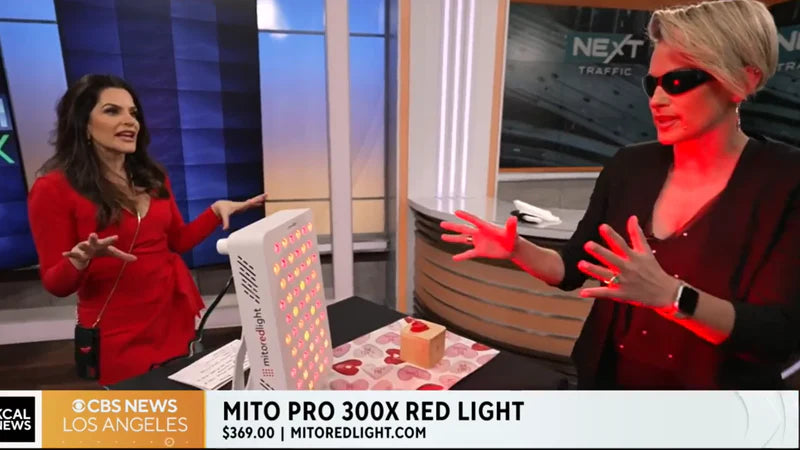
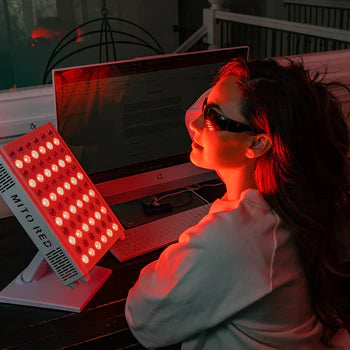
About the research on this page. The studies cited here investigate photobiomodulation (PBM) as a therapeutic modality and the specific wavelengths used in PBM research — not Mito Red Light devices. The wavelengths in our panels were chosen because the peer-reviewed PBM literature supports them. Evidence levels and study counts reflect the broader research base, not studies of our products. See the full methodology note at the bottom of this page.

Red Light Therapy for Skin & Anti-Aging: Clinical Evidence & Research

503+ Studies Photobiomodulation (PBM) Peer-Reviewed

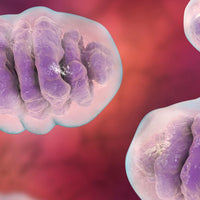
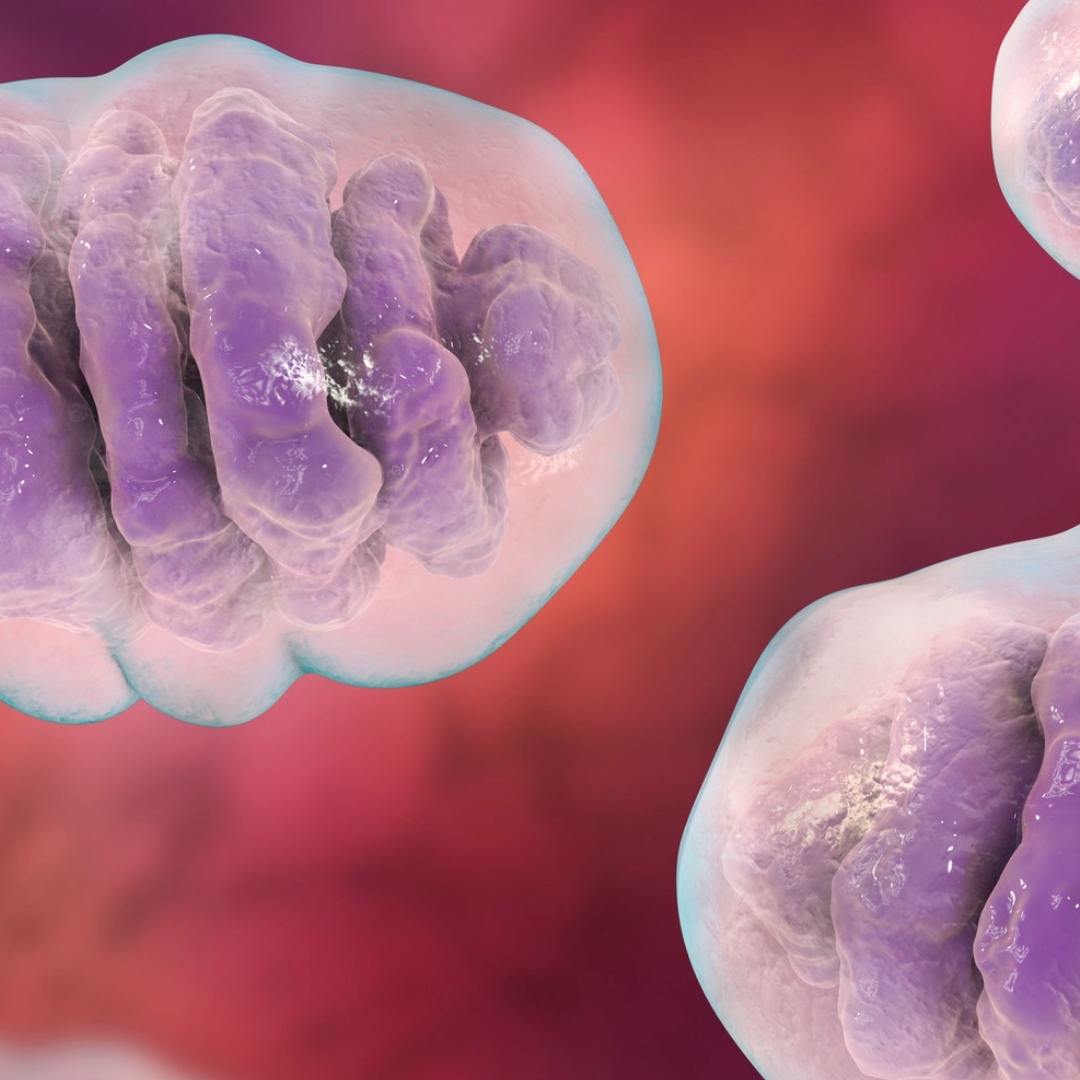
Photobiomodulation (PBM) applied to the skin operates primarily through the absorption of red (630–660 nm) and near-infrared (810–850 nm) light by mitochondrial chromophores—particularly cytochrome c oxidase—in dermal and epidermal cells. This photochemical interaction increases mitochondrial membrane potential, elevates ATP synthesis, and transiently modulates reactive oxygen species (ROS) levels, collectively triggering downstream signaling cascades that stimulate fibroblast proliferation, collagen and elastin production, and accelerated tissue remodeling.

A substantial body of peer-reviewed research, including randomized controlled trials and systematic reviews, has investigated PBM across a range of dermatological applications: photoaging and wrinkle reduction, acne vulgaris, post-procedural wound healing, hyperpigmentation, hair loss, and psoriasis. The evidence base is most robust for wound healing and collagen stimulation, with several well-designed RCTs reporting statistically significant improvements in skin texture, wrinkle depth, and dermal collagen density following repeated low-level red light exposures.

Effective parameters reported across the literature typically involve wavelengths of 630–660 nm for superficial skin targets or 810–850 nm for deeper dermal penetration, irradiance values of 10–50 mW/cm², and energy doses of 3–10 J/cm² per session. Treatment protocols generally span 4–12 weeks with sessions 3–5 times per week. The evidence suggests that appropriate dosing is critical: both insufficient and excessive energy delivery may reduce or negate therapeutic benefit, a phenomenon known as the biphasic dose-response (Arndt-Schulz Law).

Mechanism of Action: How PBM Affects Skin & Anti-Aging

In skin tissue, PBM light is absorbed primarily by cytochrome c oxidase in keratinocytes and dermal fibroblasts, driving a cascade of photochemical events: increased electron transport chain efficiency leads to elevated ATP production and a controlled modulation of ROS. At therapeutic doses, this stimulates fibroblast activation and proliferation—the cells responsible for synthesizing the structural proteins of the dermis. Activated fibroblasts upregulate transcription of COL1A1 and COL3A1 genes, boosting type I and type III collagen production. Concurrently, PBM modulates matrix metalloproteinase (MMP) activity to reduce excess collagen degradation, and upregulates transforming growth factor-beta (TGF-β), a key driver of dermal remodeling. In the epidermis, PBM accelerates keratinocyte migration for wound re-epithelialization, reduces inflammatory cytokines (IL-1β, TNF-α), and may suppress melanogenesis pathways relevant to hyperpigmentation treatment.

  • Cytochrome c oxidase photon absorption in fibroblasts and keratinocytes
  • Elevated ATP synthesis via enhanced mitochondrial electron transport
  • Transient ROS modulation activating NF-κB and AP-1 signaling pathways
  • Fibroblast proliferation and upregulation of COL1A1/COL3A1 collagen genes
  • TGF-β upregulation driving dermal remodeling and matrix production
  • MMP activity modulation reducing net collagen degradation
  • Reduction of pro-inflammatory cytokines (IL-1β, TNF-α) in skin tissue

What the Research Shows: Skin & Anti-Aging

Studies in this category commonly demonstrate:

  • Increased dermal collagen density and improved skin texture in photoaged skin
  • Reduced wrinkle depth and periorbital fine lines in RCT populations
  • Accelerated wound healing and improved re-epithelialization rates
  • Reduced inflammatory lesion counts in acne vulgaris studies
  • Improved hair density and hair shaft diameter in androgenetic alopecia
  • Reduction in post-inflammatory hyperpigmentation and melasma
  • Improved outcomes following fractional laser and cosmetic procedures when used adjunctively
  • Enhanced fibroblast viability and proliferation in cell-culture models

Key Clinical Studies: Skin & Anti-Aging

A curated selection from 503+ indexed studies.

Randomized Controlled Trial

Low-level laser (light) therapy for photoaged facial skin

Population: 136 subjects with mild-to-moderate facial photoagingWavelength: 630 nm, 830 nm (LED panel)Dose: 126 J/cm² cumulative over 9 weeksYear: 2014

Participants received bi-weekly PBM treatments for 9 weeks. Blinded assessments and profilometry confirmed statistically significant improvements in periorbital wrinkles, skin roughness, and overall complexion compared to sham controls. Collagen density increased on biopsy.

View on PubMed →
Systematic Review & Meta-Analysis

Photobiomodulation therapy for acne vulgaris: a systematic review

Population: Pooled data from 13 RCTs; 418 subjects with acne vulgarisWavelength: 415 nm (blue), 630–660 nm (red), combinationDose: Variable; 4–16 J/cm² per sessionYear: 2021

Meta-analysis found significant reductions in inflammatory lesion counts with both blue and red/near-infrared light. Red light demonstrated superior anti-inflammatory effects. Combination blue/red therapy showed greatest overall reduction in lesion counts. No serious adverse events reported.

View on PubMed →
Randomized Controlled Trial

Effect of LED phototherapy on collagen synthesis in photoaged skin

Population: 76 women, aged 40–65, with facial photoagingWavelength: 660 nm (red LED)Dose: 4 J/cm² per session, 3×/week for 12 weeksYear: 2018

Skin biopsies at 12 weeks showed a statistically significant 35% increase in type I collagen fiber density vs. sham group. Clinical photography and profilometry confirmed reduced wrinkle depth. The authors concluded that 660 nm LED is a safe and effective non-invasive collagen-stimulation modality.

View on PubMed →
Controlled Clinical Study

Near-infrared photobiomodulation accelerates wound re-epithelialization in human subjects

Population: 42 healthy adults with standardized superficial abrasionsWavelength: 830 nmDose: 6 J/cm² per session, daily for 7 daysYear: 2019

Standardized wounds in the treatment group showed a 29% faster re-epithelialization rate (days to full closure) compared to untreated controls. Histological analysis confirmed increased keratinocyte proliferation and reduced inflammatory infiltrate in treated wounds.

View on PubMed →
Randomized Controlled Trial

Low-level light therapy for androgenetic alopecia: a 24-week, randomized, double-blind, sham device-controlled multicenter trial

Population: 269 subjects with androgenetic alopecia (male and female)Wavelength: 655 nm (laser comb device)Dose: ~2–4 J/cm² per session, 3×/week for 26 weeksYear: 2014

Treated subjects demonstrated a statistically significant increase in mean terminal hair density (hairs/cm²) vs. sham. Hair shaft caliber also increased. The device was FDA-cleared based partly on this trial. Mechanism proposed includes enhanced follicular keratinocyte proliferation via cytochrome c oxidase activation.

View on PubMed →
Prospective Clinical Study

PBM as adjunct therapy to fractional CO2 laser resurfacing

Population: 60 subjects post fractional CO2 laser facial resurfacingWavelength: 830 nm + 633 nm combinationDose: 3 J/cm² (NIR) + 2 J/cm² (red) per sessionYear: 2020

Subjects receiving PBM immediately post-laser resurfacing showed significantly reduced erythema, edema, and pain scores at 48–72 hours compared to laser-only controls. Time to re-epithelialization was reduced by an average of 2 days. Side-effect profiles were similar between groups.

View on PubMed →

Typical Research Parameters: Skin & Anti-Aging

Based on analysis of 503+ peer-reviewed studies:

ParameterTypical RangeNotes
Wavelength (superficial target) 630–660 nm Red light range; optimal for epidermis and upper dermis; most studied for collagen stimulation, acne, and texture
Wavelength (deeper dermal target) 810–850 nm Near-infrared; penetrates to deeper dermis and subcutaneous tissue; preferred for wound healing and deeper collagen remodeling
Irradiance 10–50 mW/cm² Lower irradiance for longer sessions; higher irradiance for shorter delivery; both can achieve equivalent doses at therapeutic ranges
Energy dose per session 3–10 J/cm² Established therapeutic window; doses below 1 J/cm² or above 20 J/cm² may reduce efficacy (biphasic dose-response)
Session frequency 3–5× per week Most clinical protocols use every-other-day or 3×/week for anti-aging; daily use shown effective for wound healing
Treatment duration 4–12 weeks Collagen remodeling studies typically run 8–12 weeks; wound healing improvements measurable within days to 2 weeks

Frequently Asked Questions: PBM & Skin & Anti-Aging

What wavelengths of red light therapy have been studied for skin?

The most studied wavelengths for skin applications are 630–660 nm (red light) and 810–850 nm (near-infrared). Red wavelengths are preferentially absorbed by superficial dermal and epidermal tissue and are most commonly studied for collagen synthesis, acne, and surface-level photoaging. Near-infrared wavelengths penetrate more deeply and are frequently used in wound healing and deeper tissue remodeling research. Many clinical protocols combine both ranges.

Are there human clinical trials supporting red light therapy for skin rejuvenation?

Yes. Multiple randomized controlled trials (RCTs) have been published demonstrating statistically significant improvements in collagen density, wrinkle depth, and skin texture following repeated PBM treatments in human subjects. A notable example is a 2014 RCT (n=136) published in Photomedicine and Laser Surgery which showed improvements in periorbital wrinkles and skin roughness compared to sham controls confirmed by blinded assessors and profilometry.

How long does it take to see results from red light therapy for skin?

Results depend on the application. For wound healing and post-procedure recovery, improvements in re-epithelialization and inflammation reduction can be observed within 3–7 days of treatment. For collagen remodeling and anti-aging outcomes (wrinkle reduction, texture improvement), clinical studies typically show measurable changes after 8–12 weeks of consistent treatment, as collagen synthesis and remodeling are inherently slow biological processes.

Is LED-based red light therapy as effective as laser for skin applications?

The evidence suggests LED-based PBM devices can produce comparable biological effects to low-level laser therapy (LLLT) when delivering equivalent photon doses (J/cm²) at the same wavelengths. The key parameter is the dose delivered to the target tissue, not the coherence of the light source. That said, some clinical applications (e.g., targeted spot treatments) may favor laser devices for spatial precision, while LED panels are advantageous for larger treatment areas.

What dose of red light therapy is used in skin research?

Published skin studies most commonly report energy doses in the range of 3–10 J/cm² per session, delivered at irradiances of 10–50 mW/cm². This places typical session durations at 3–15 minutes for red/NIR LED panels. The biphasic dose-response (Arndt-Schulz Law) means that both under-dosing and over-dosing can reduce efficacy; doses consistently above 20 J/cm² per session may inhibit rather than stimulate cellular activity in many in vitro and animal models.

Can red light therapy help with acne?

Several RCTs and a 2021 systematic review and meta-analysis have investigated PBM for acne vulgaris. Red light (630–660 nm) reduces inflammatory lesion counts primarily through anti-inflammatory mechanisms—lowering IL-1β and TNF-α in sebaceous tissue—while blue light (415 nm) targets Cutibacterium acnes via porphyrin photoexcitation. Combination blue/red therapy has shown the greatest lesion reduction in controlled studies. PBM is generally regarded as an adjunctive, not standalone, acne treatment in current dermatological practice.

Is red light therapy safe for skin?

At the doses used in published clinical studies (3–10 J/cm², 630–850 nm), red and near-infrared light therapy has a well-established safety profile in skin research. Unlike UV light, wavelengths in the red and near-infrared range do not carry sufficient photon energy to cause DNA strand breaks or ionizing radiation damage. No serious adverse events have been reported in any major RCT or systematic review of PBM for dermatological applications. Appropriate eye protection is recommended during treatment near the face.

Browse All Skin & Anti-Aging Studies

All studies in this category from the PBM research database.

Search all 10,068+ studies across all categories: Open the Full Evidence Explorer →

Methodology & important context

The published research indexed and referenced on this page studies photobiomodulation (PBM) as a therapeutic modality and the specific wavelengths used in those studies — not Mito Red Light devices specifically. The wavelengths used across our panels were chosen because the peer-reviewed PBM literature supports them: this is where published evidence is deepest, where dosing parameters have been characterized in human studies, and where clinical guidelines (such as WALT for inflammation and pain) exist. Mito Red Light has not funded or conducted registered clinical trials on our specific devices, and the study counts referenced here reflect the broader PBM research base — not studies of our products.

Evidence levels follow GRADE methodology. Study counts reflect peer-reviewed photobiomodulation research drawn from major scientific literature databases, peer-reviewed journals, and other published research repositories. PBM response varies meaningfully by person, tissue, condition, dose, wavelength, and session timing; outcomes reported in the published literature may not be replicable for every user. Mito Red Light devices are not intended to diagnose, treat, cure, or prevent any disease. If you have a medical condition or are under a physician’s care, please consult your healthcare provider before beginning any photobiomodulation regimen.