











Panel Series
Delayed onset muscle soreness (DOMS) arises from microtrauma and the subsequent inflammatory response in muscle fibers following unfamiliar or intense eccentric loading. Research across recovery modalities has examined how nutrition, active recovery, cold exposure, and photobiomodulation interact with the cellular signaling that drives this process. This article reviews the evidence behind the most commonly used approaches and what the research suggests about their relative effectiveness.
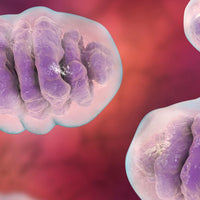
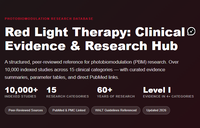
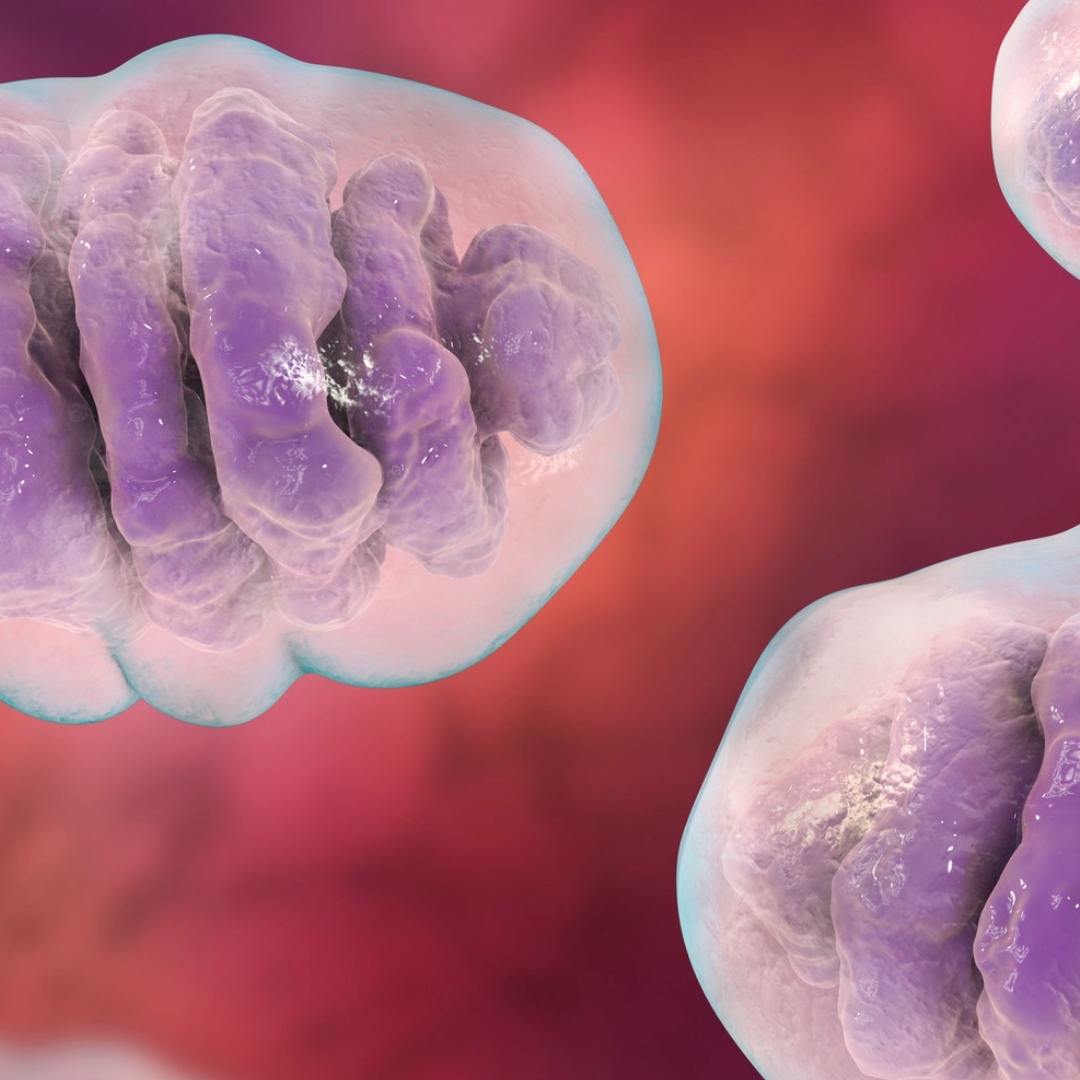
Red light therapy, also known as photobiomodulation, uses specific wavelengths of red and near‑infrared (NIR) light to stimulate cellular energy production within the mitochondria — the “powerhouses” of cells. This light-based approach has been investigated in more than 10,000+ peer‑reviewed studies, showing potential benefits for muscle recovery, skin health, inflammation management, cognitive performance, and hair growth.
During recovery, red and NIR wavelengths between 630–850 nm penetrate tissue to enhance ATP (adenosine triphosphate) production, improve circulation, and decrease oxidative stress — all essential for faster, more effective repair after exercise.
Key Takeaways:
- Post-workout muscle soreness is caused by microscopic muscle damage and inflammation.
- Recovery happens fastest when you prioritize sleep, proper nutrition, hydration, and gentle movement.
- Smart training progression and consistent recovery habits can help reduce future soreness.
Maybe you crushed your workout, but then woke up the next day with muscle stiffness and soreness.
If that sounds familiar, you’re experiencing a very normal response called delayed onset muscle soreness, or DOMS. This guide breaks down what muscle soreness really is, how long it lasts, and what can help you recover, including red light therapy.
What Causes Muscle Soreness After Exercise?
Muscle tenderness and soreness after exercise are mainly caused by microscopic damage to muscle fibers, followed by inflammation as your body repairs and strengthens those tissues. This process is part of adaptation, meaning it’s how muscles rebuild and grow more resilient.
The biggest trigger is eccentric exercise, which happens when muscles lengthen under load. Think of lowering weights, walking downhill, or the “down” portion of a squat.
Common causes include:
- Starting a new workout or movement pattern
- Increasing intensity, volume, or duration too quickly
- Returning to training after time off
- Heavy eccentric loading
- Skipping an adequate warm-up
Soreness doesn’t mean you did something wrong. It usually just means your body is adapting to a new stimulus.
What Is Delayed Onset Muscle Soreness?
Delayed onset muscle soreness (DOMS) refers to muscle pain, stiffness, and tenderness that appear 24-72 hours after exercise, not during it.
DOMS generally:
- Builds gradually, not immediately
- Is localized to the muscles you actually trained
- Is associated with stiffness and reduced range of motion
- Improves with gentle movement, not total rest
An eccentric contraction is when a muscle lengthens while producing force, like lowering a dumbbell or descending stairs. These contractions cause more microtears than concentric movements and are the primary driver of DOMS.
If pain is sharp, sudden, worsening, or lasts longer than a week, that’s no longer typical DOMS and may signal strain or injury.
How Long Does Muscle Soreness Last?
DOMS usually follows a predictable timeline:
- Begins: 12-24 hours post-workout
- Peaks: 24-72 hours
- Resolves: 3-5 days for most people
Recovery speed depends on:
- Training history and conditioning
- Exercise type and intensity
- Sleep quality
- Nutrition and hydration
- Overall stress and fatigue
Soreness should gradually decrease each day. Pain that spreads, intensifies, or feels systemic is not typical of DOMS.
How To Reduce Post-Workout Muscle Soreness
The right recovery steps, like warming up and cooling down, can make a world of difference for muscle soreness. Here’s what to know.
Warm Up Before and Cool Down After Exercise
A proper warm-up prepares muscles for load and reduces soreness risk.
Aim for:
- 5-10 minutes of light cardio
- Dynamic movements that mirror your workout
After training, a short cooldown helps restore circulation and kick-start recovery:
- Light walking or cycling
- Gentle mobility work
Use Gentle Movement and Active Recovery
Total rest isn’t always the answer. Active recovery means low-intensity movement that increases blood flow without stressing muscles — like walking, cycling, yoga, or mobility work.
Some benefits of active recovery include:
- Reduced stiffness
- Improved circulation
- Faster soreness relief
- Natural pain-relieving endorphin release
Light movement often makes sore muscles feel better, not worse.
Prioritize Nutrition and Hydration
Your muscles can’t repair themselves without fuel. After workouts:
- Protein helps rebuild muscle fibers
- Carbohydrates replenish energy stores
- Fluids support circulation and recovery
Helpful recovery foods include:
- Lean protein sources
- Whole-food carbs
- Berries, leafy greens, and antioxidant-rich plants
Get Quality Sleep and Support Healthy Habits
Sleep is one of the most powerful recovery tools available.
During deep sleep:
- Growth hormone supports tissue repair
- Inflammation is regulated
- Nervous system recovery occurs
Aim for seven to nine hours of sleep per night. Poor sleep prolongs soreness and slows adaptation. Here are a few other helpful ideas:
- Limiting alcohol
- Managing daily stress
- Staying consistent with movement
Try Targeted Recovery Modalities
Once the fundamentals are covered, some targeted strategies like massage and foam rolling can help.
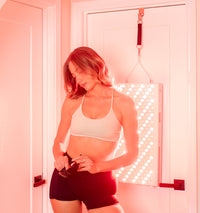
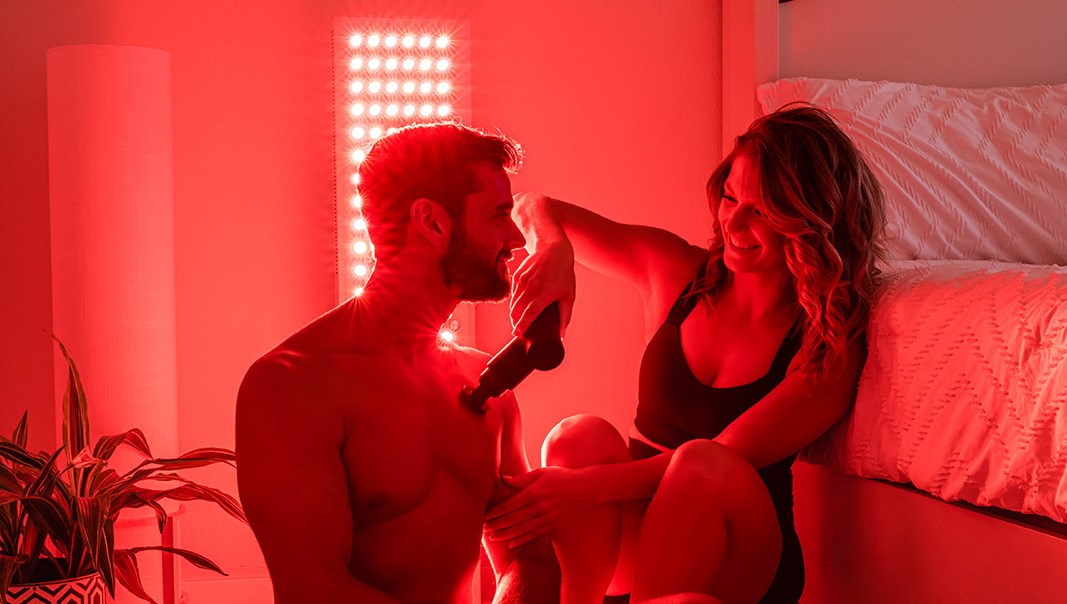
Red and near-infrared light sessions can be a simple add-on to your recovery routine, too. Many users pair short, well-timed exposures after training to support circulation and help with everyday inflammation, which may provide temporary relief of minor post-workout soreness.
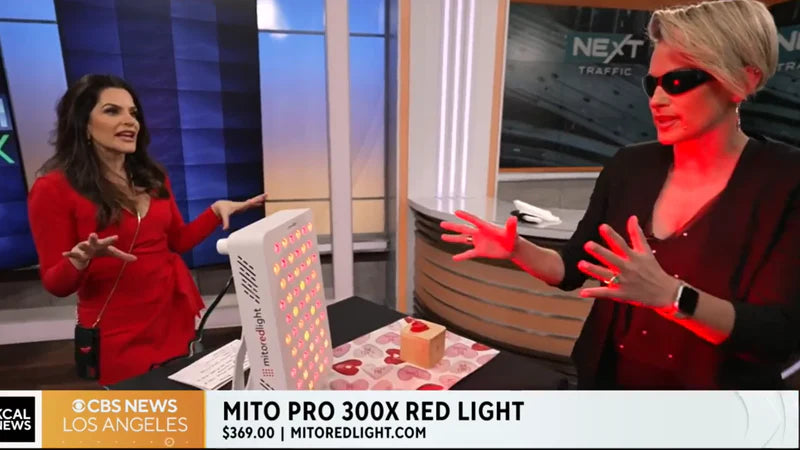
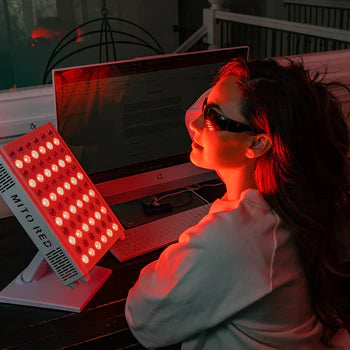
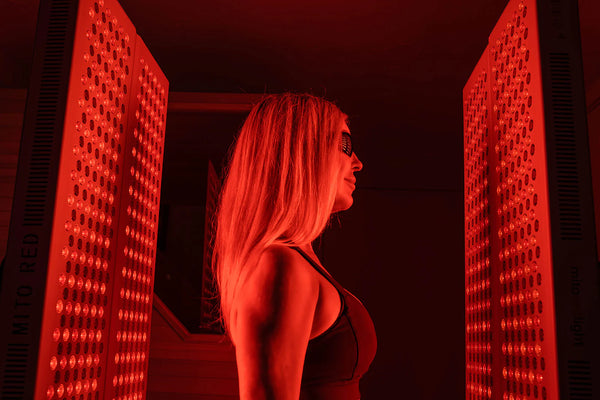
For home setups, our MitoPRO+ panels (630, 660, 830, 850 nm) make it easy to follow recommended distances and times, while MitoADAPT 4.0 adds advanced controls if you like to personalize your routine. Our MitoQUAD™ Belt offers hands-free sessions for core, back, or legs.
Whichever you choose, keep sessions consistent, protect your eyes, and follow your device’s instructions to build a recovery ritual that fits your training week.
Prevent Future Muscle Soreness With Smarter Training
You don’t need to eliminate soreness completely. You just want to manage it.
Helpful strategies:
- Increase intensity and volume gradually
- Reintroduce eccentric movements progressively
- Warm up consistently
- Listen to early warning signs
- Stay consistent instead of cycling on and off training
Adaptation happens faster when your body isn’t shocked every session.
The Wrap-Up
Muscle soreness after workouts is normal, temporary, and often a sign of adaptation — not damage. Understanding DOMS helps you recover smarter, train more consistently, and avoid unnecessary setbacks.
Prioritize sleep, nutrition, hydration, and gentle movement first. Layer in recovery tools thoughtfully — and lean on Mito Red Light for at-home devices you can trust.
Common FAQs About Muscle Soreness and Red Light Therapy
What causes muscle soreness after exercise?
Post‑workout soreness results from microscopic muscle fiber damage and subsequent inflammation as your body repairs those tissues. This process triggers adaptation and strength improvements.
The most common cause is eccentric exercise — when muscles lengthen under load (like lowering a dumbbell or descending stairs). Expect increased soreness when starting a new routine, ramping up intensity too fast, or skipping a warm‑up.
What is DOMS (Delayed Onset Muscle Soreness)?
DOMS describes muscle stiffness, tenderness, and mild pain that appears 12–24 hours after exercise, usually peaking around 48 hours.
It’s a normal adaptation and not a sign of injury. Gentle movement typically helps symptoms ease faster, while sharp or worsening pain may indicate strain rather than standard recovery.
How long does DOMS last?
For most people, soreness:
-
Begins: 12–24 hours post‑workout
-
Peaks: 24–72 hours
-
Resolves: Within 3–5 days
Training consistency, hydration, sleep, and nutrition all influence how quickly you recover.
How can I reduce post‑workout muscle soreness?
Recovery fundamentals that help reduce soreness include:
-
Active recovery: light exercise (walking, cycling, yoga) to promote blood flow
-
Proper nutrition: adequate protein, complex carbohydrates, and antioxidant-rich foods
-
Hydration: supports nutrient delivery and tissue healing
-
Sleep: 7–9 hours nightly for optimal hormonal repair and inflammation control
Can red light therapy help with recovery?
Yes. Evidence suggests that red and near‑infrared light can support muscle recovery by improving circulation, reducing temporary inflammation, and enhancing mitochondrial function for greater energy output.
Regular use — especially after training sessions — may help reduce the intensity and duration of soreness. Devices such as the MitoPRO+ series (630, 660, 830, 850 nm) and the MitoADAPT 4.0 offer tailored settings for efficient home use.
How can I prevent soreness in the future?
Smart training and gradual progression are key:
-
Increase load and duration slowly
-
Warm up dynamically before exercise
-
Stay consistent with workouts to maintain adaptation
-
Listen to your body and rest when needed
The Takeaway
Muscle soreness — particularly DOMS — is a normal, short‑term response to effective training. Balanced recovery habits paired with evidence‑based tools like red light therapy can help you move through soreness faster and support long‑term performance.
Explore the science:
This article discusses published scientific research and general educational information about photobiomodulation and red light therapy. It does not constitute medical advice and does not make specific claims about Mito Red Light devices. The research cited reflects independent peer-reviewed studies and does not imply that any Mito Red Light product has been evaluated, approved, or cleared by the FDA or any other regulatory body for the diagnosis, treatment, cure, or prevention of any disease or medical condition. Individual results vary. Consult a qualified healthcare professional before beginning any light therapy protocol, particularly if you have a pre-existing medical condition, are pregnant, or are taking photosensitising medications.
Mito Red Light products are general wellness devices. They are not medical devices and have not been evaluated, cleared, or approved by the FDA or any regulatory body for the diagnosis, treatment, cure, or prevention of any disease or medical condition. Any references to peer-reviewed research or clinical studies on this page describe findings from independent scientific literature and do not imply that Mito Red Light devices have been studied, tested, or proven effective for any specific condition. Always consult a qualified healthcare provider before beginning any new wellness routine, particularly if you have a medical condition or are taking medication.
Related articles
More from the red light therapy knowledge cluster