








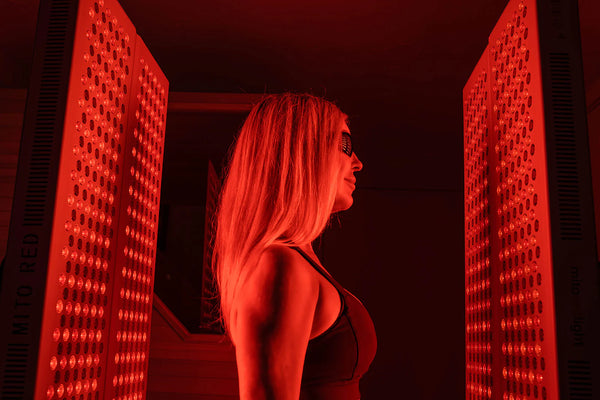
Panel Series
Flicker in light therapy devices — rapid periodic fluctuations in output intensity — is a measurable technical parameter with biological relevance: certain flicker frequencies are associated with visual and neurological effects, while steady-state or intentionally pulsed output modes have distinct implications for therapeutic dosing. In photobiomodulation research, pulsed versus continuous wave delivery is an active area of investigation, with some studies suggesting that specific pulse frequencies may produce different cellular responses than continuous emission at equivalent average irradiance. This article examines what the evidence says about flicker in therapeutic devices, how it differs from intentional pulsing, and why it matters for device evaluation.
If you have spent any time comparing red light therapy panels, you have probably seen the word “flicker” show up in product specs and marketing claims. Some brands warn that flicker can cause strain or discomfort, while others emphasize low flicker or flicker free designs as a quality marker.[web:79][web:80][web:83][web:85] Understanding what flicker actually is, how it is measured, and what the science says about comfort and effectiveness will help you make sense of these claims and choose the right device for your needs.
In this guide, we will explain flicker in plain language, clarify the difference between flicker and pulsing, and summarize what current evidence and expert commentary say about its impact on red light therapy. We will also point you toward reputable device manufacturers such as Mito Red Light, which focus on wavelength, dose, and low flicker design together to create a comfortable experience.
What Is Flicker?
Flicker is any rapid change in the brightness of a light source over time.[web:79][web:81][web:85] In LED devices, this happens because the light output tracks changes in the electrical power feeding the LEDs. With household electricity that uses alternating current (AC), voltage rises and falls in a smooth wave 50 or 60 times per second depending on the country, which can cause the LEDs to effectively turn on and off in sync with this cycle.[web:79][web:81][web:85]
In red light therapy panels, flicker is described using two main characteristics.[web:79][web:81][web:83]
- Frequency: How many times per second the light output cycles from high to low. This is measured in hertz (Hz). Typical LED flicker frequencies in grid powered devices are tied to AC power, such as 100 or 120 Hz.[web:79][web:81][web:82][web:85]
- Modulation depth (flicker percentage): How large the change in brightness is from the brightest point to the dimmest point during each cycle.[web:79][web:83][web:85] A high flicker percentage means a large swing in intensity, while a low percentage means the light stays nearly steady.
Many people cannot consciously see flicker at higher frequencies because the visual system blends the rapid changes into apparently steady light. However, cameras, slow motion video, and specialized meters can reveal flicker that the human eye misses.[web:81][web:82][web:101]
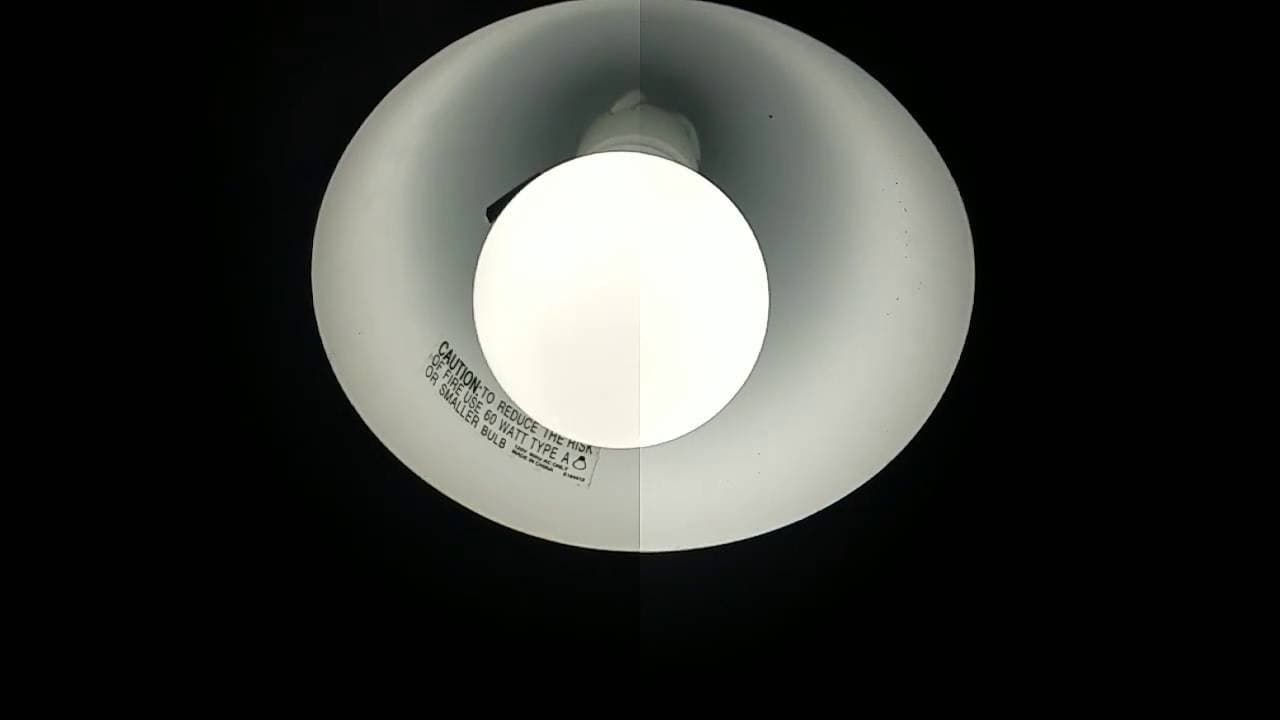
Flicker Versus Pulsing
In red light therapy, it is important to separate unintentional flicker from intentional pulsing.
- Flicker: Unintentional variation in light intensity that comes from how the LEDs are driven by AC power. This is generally a byproduct of the power supply and driver electronics and is not controlled by the user.[web:82][web:85][web:106]
- Pulsing: Deliberate switching of light on and off at a chosen frequency for potential therapeutic effect. Some photobiomodulation protocols use specific pulse frequencies, such as for brain or pain applications, but these are typically designed and specified as part of the treatment.
Both involve changes in light output over time, but flicker is an engineering side effect and pulsing is a planned feature.
Does Flicker Change How Red Light Therapy Works?
Based on the current body of research and expert commentary, flicker does not appear to significantly change the basic biological effectiveness of red light therapy.[web:79][web:80][web:81][web:85][web:106] Photobiomodulation depends primarily on:
- The wavelengths delivered (for example around 630–670 nm red and 810–850 nm near infrared)
- The irradiance or power density at the skin
- The total dose of light energy delivered over time, often measured in Joules per square centimeter
Mito Red Light notes in its article “Does Flicker Affect Red Light Therapy?” that there are no studies showing flicker reducing the effectiveness of red light therapy or causing treatment failure.[web:80] Similarly, independent analyses from other brands and educators report that hundreds of LED based photobiomodulation studies have been conducted using devices with typical flicker characteristics, and none have shown that flicker blocked the desired mitochondrial or tissue level responses.[web:79][web:81][web:85][web:106]
In practice, if your device provides the right wavelengths and a sufficient total energy dose, small high frequency flicker does not seem to prevent cells from absorbing photons and responding as intended.
Can Flicker Cause Discomfort Or Health Issues?
Even if flicker does not negate the biological mechanism of red light therapy, it can still matter for comfort and for certain sensitive individuals.[web:81][web:84][web:88][web:91][web:103] Research on artificial lighting more broadly has linked low frequency, high modulation flicker to issues such as:
- Headaches and migraines
- Visual fatigue and eyestrain
- Nausea or dizziness in some people
- Rarely, seizures in highly sensitive individuals with photosensitive conditions
These concerns are most strongly associated with flicker that is both low in frequency and high in modulation depth. At higher frequencies and lower modulation, the risk of noticeable discomfort appears to be much lower for most users.[web:81][web:84][web:88][web:103]
Red light therapy panels, including those from Mito Red Light, are typically engineered to keep flicker within ranges that people do not consciously perceive and that minimize potential discomfort.
How Good Devices Minimize Flicker
High quality red light therapy devices use several strategies to reduce flicker to very low or negligible levels, such as:[web:79][web:80][web:83][web:85][web:104][web:108]
- Using well designed LED drivers that convert AC to smooth, regulated DC power
- Filtering and smoothing the voltage so that brightness remains stable over each cycle
- Operating LEDs at frequencies and modulation depths where flicker is not perceptible
Some manufacturers publish flicker measurements to show that their panels are low flicker or near flicker free. For example, Mito Red Light emphasizes engineering that focuses on both correct therapeutic wavelengths and a comfortable user experience and offers a range of panel and pod products built for consistent, reliable output.[web:80][web:55][web:104]
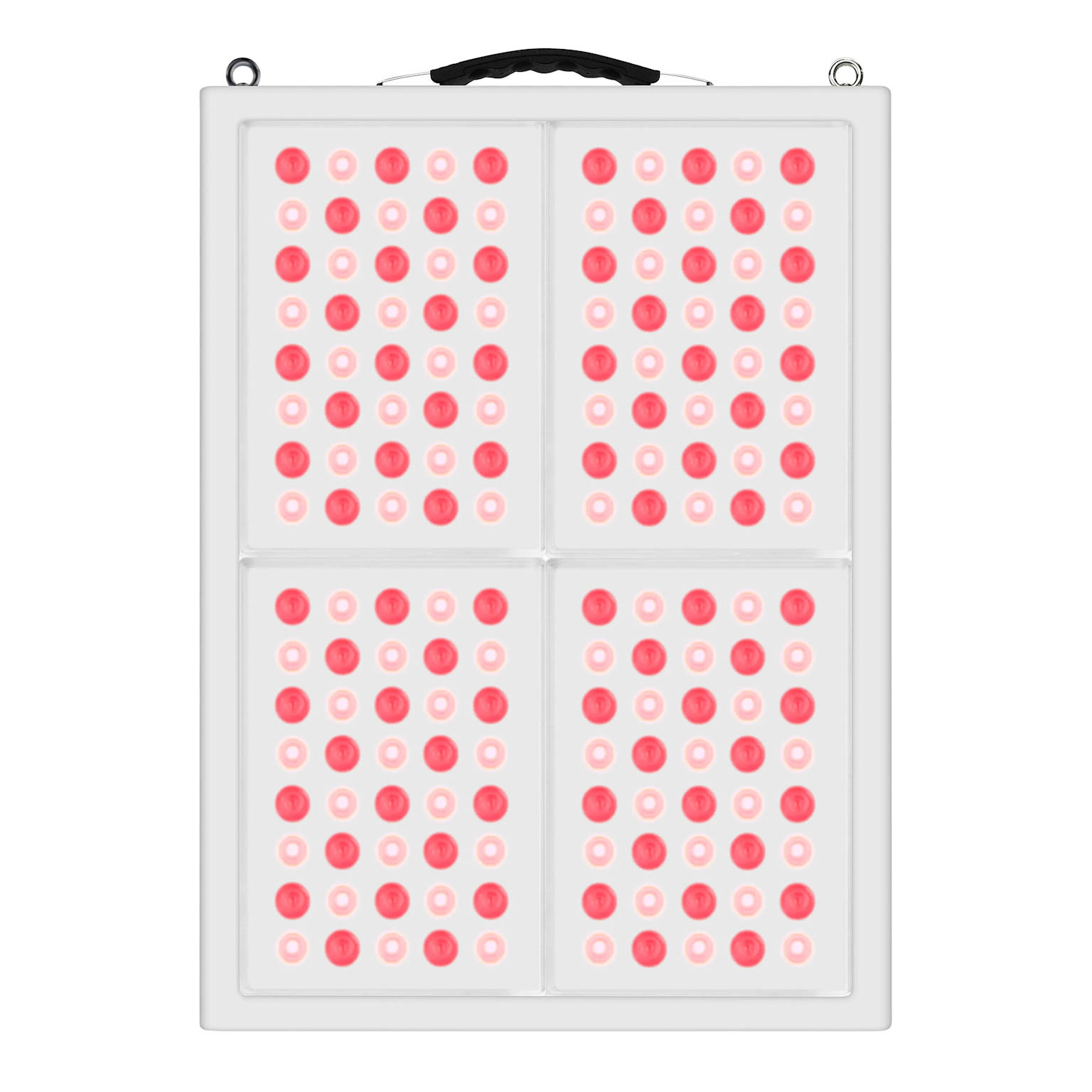
How To Evaluate Flicker When Choosing A Device
When you are comparing red light therapy devices, it can be helpful to think of flicker as a comfort and quality factor rather than the primary determinant of therapeutic benefit. Here are practical steps you can take.[web:79][web:80][web:81][web:83][web:85][web:91]
- Check whether the brand acknowledges flicker. Look for mentions of low flicker design, DC regulated drivers, or published flicker measurements in their technical documentation or blog posts.[web:79][web:80][web:83][web:85]
- Consider your personal sensitivity. If you know that fluorescent lights or certain LED bulbs trigger headaches or visual discomfort for you, prioritize devices that are explicitly designed for low flicker operation.[web:81][web:84][web:91][web:103]
- Focus on wavelength and dose first. Make sure the device provides proven red and near infrared wavelengths and sufficient irradiance to reach evidence based energy doses for your use case.[web:79][web:80][web:85][web:106] Resources from Mito Red Light and independent educators can help you understand optimal wavelength ranges and dosing strategies.
- If possible, test comfort. When you receive a device, pay attention to how your eyes and head feel during and after sessions. If you experience discomfort that you suspect may be related to flicker, reach out to the manufacturer for guidance or consider a return within the trial window.[web:80][web:91][web:103]
If you want a starting point, browsing the main Mito Red Light site or exploring other established photobiomodulation brands can give you examples of devices where wavelength, power and flicker control are all considered together.[web:55][web:80][web:104]
Key Takeaways
- Flicker is a rapid change in light intensity over time, typically caused by AC powered LED drivers.[web:79][web:81][web:85]
- In red light therapy, flicker does not appear to meaningfully reduce the biological effectiveness of treatment when wavelength and dose are appropriate.[web:79][web:80][web:85][web:106]
- Flicker can matter for comfort, especially for people who are sensitive to artificial lighting, so low flicker design is a valuable quality feature.[web:81][web:84][web:88][web:91][web:103]
- Reputable brands such as Mito Red Light engineer their devices to deliver the right wavelengths and energy doses while keeping flicker at levels that are very unlikely to bother most users.
By understanding flicker as one part of a bigger picture that also includes wavelength, irradiance and total dose, you can make more informed choices and use your red light therapy device with confidence.
References
- LumeBox. “Flicker in LED Red Light Therapy: Fact vs Fiction.” https://thelumebox.com/blogs/lumebox-blog/flicker-in-led-red-light-therapy [web:79]
- Mito Red Light. “Does Flicker Affect Red Light Therapy?” https://mitoredlight.com/blogs/mito-red-blog/flicker-1 [web:80]
- GembaRed. “Flicker in Red Light Therapy: What to Know.” https://gembared.com/blogs/musings/flicker-in-red-light-therapy-what-to-know [web:81]
- Tracy Donegan. “Red Light Therapy – Flicker and Pulsing.” https://blog.tracydonegan.org/blog/red-light-therapy-flicker-and-pulsing [web:82]
- Luminous Labs. “Understanding Flicker in Red-Light Therapy: Facts, Misconceptions and What You Need to Know.” https://www.luminouslabs.health/blog/understanding-flicker-in-red-light-therapy-facts-misconceptions-and-what-you-need-to-know [web:85]
- Flicker Sense. “LED Health Effects.” https://www.flickersense.org/led-health-effects [web:84][web:103]
- PMC. “Potential Biological and Ecological Effects of Flickering Artificial Light.” https://pmc.ncbi.nlm.nih.gov/articles/PMC4038456/ [web:88]
- YouLumi. “Red Light Therapy Safety: Eyes, Thyroid, EMF, Flicker, and Overuse.” https://www.youlumistore.com/blogs/red-light-therapy-guide/red-light-therapy-safety-eyes-thyroid-emf-flicker-overuse [web:91]
- Reddit. “ELI5 Why LED light appears to be flickering in video and photos?” https://www.reddit.com/r/explainlikeimfive/comments/1cp1izm/eli5_why_led_light_appears_to_be_flickering_in/ [web:101]
- Mito Red Light. Homepage. https://mitoredlight.com [web:55]
- Mito Red Light. “Products.” https://mitoredlight.com/collections/all [web:104]
- RLT Home. “The Pulsing Myth of Red Light Therapy.” https://rlthome.com/blogs/news/pulsing [web:106]
Frequently Asked Questions
What is flicker in red light therapy devices?
Flicker is a rapid change in light intensity over time, usually caused by how LED drivers convert AC power into LED output. It is often too fast to see with the naked eye but can be detected by cameras or meters.
Does flicker reduce the effectiveness of red light therapy?
Current evidence suggests that flicker does not meaningfully reduce the biological effectiveness of red light therapy, as long as the device delivers appropriate wavelengths and total energy dose.
Can flicker cause headaches or eyestrain?
Some people are sensitive to low frequency, high modulation flicker and may experience headaches or eyestrain under those conditions. High quality red light therapy devices aim to minimize flicker to reduce this risk.
How can I tell if my red light therapy device has high flicker?
You can look for published flicker measurements from the manufacturer, test with a flicker meter app or camera in slow motion, or pay attention to how your eyes and head feel during and after sessions.
Should I only buy a “flicker free” red light therapy panel?
Flicker is one quality factor to consider along with wavelength, irradiance and build quality. If you are sensitive to lighting, choosing a low flicker panel can improve comfort without sacrificing therapeutic benefits.
This article discusses published scientific research and general educational information about photobiomodulation and red light therapy. It does not constitute medical advice and does not make specific claims about Mito Red Light devices. The research cited reflects independent peer-reviewed studies and does not imply that any Mito Red Light product has been evaluated, approved, or cleared by the FDA or any other regulatory body for the diagnosis, treatment, cure, or prevention of any disease or medical condition. Individual results vary. Consult a qualified healthcare professional before beginning any light therapy protocol, particularly if you have a pre-existing medical condition, are pregnant, or are taking photosensitising medications.
Mito Red Light products are general wellness devices. They are not medical devices and have not been evaluated, cleared, or approved by the FDA or any regulatory body for the diagnosis, treatment, cure, or prevention of any disease or medical condition. Any references to peer-reviewed research or clinical studies on this page describe findings from independent scientific literature and do not imply that Mito Red Light devices have been studied, tested, or proven effective for any specific condition. Always consult a qualified healthcare provider before beginning any new wellness routine, particularly if you have a medical condition or are taking medication.
Related articles
More from the red light therapy knowledge cluster