















Panel Series
Migraines are more than “just bad headaches”—they’re complex neurological events that can derail work, family life, and sleep for days at a time. As interest grows in non‑drug options, many people are asking whether red and near‑infrared light therapy could play a supportive role in migraine routines. In this guide, we break down what migraines are, how photobiomodulation works at the mitochondrial level, what early research (including green‑light studies) suggests, and how to thoughtfully integrate light‑based tools—such as MitoADAPT panels—into a clinician‑guided migraine management plan.
Medically Reviewed by | Heidi Wright, BSN, RN, PCCN
Executive Summary
This Mito Red Light article explores how red light therapy (RLT) may fit into modern migraine management as a supportive wellness tool rather than a stand‑alone treatment. Migraines are complex neurological events involving nerve pathways, neurotransmitters, and vascular changes that produce severe head pain and a range of systemic symptoms. RLT uses specific red and near‑infrared wavelengths to stimulate mitochondrial function and ATP production, which may help reduce inflammatory stress, support vascular tone, and promote a more balanced physiologic state. For a related topic, see Can Red Light Therapy Help With Tinnitus Symptoms?
Emerging evidence and real‑world experience suggest that photobiomodulation could help some people by easing common migraine‑related factors such as neck and shoulder tension, sleep disruption, and sensitivity to certain triggers. Separately, research on narrow‑band green light shows promise for reducing migraine frequency and intensity and improving quality of life, underscoring that “light” can influence migraines in different ways depending on color and dose. Optimizing RLT for migraine support involves consistent use, thoughtful session timing, a calming environment, starting with short exposures, using well‑engineered devices such as the MitoADAPT 2.0 Series, and integrating therapy into a broader plan that includes medical care, trigger tracking, and lifestyle adjustments.
Used within those boundaries, red and near‑infrared light therapy are generally considered low‑risk for most people, with side effects that are typically mild and manageable when sessions follow device guidelines.
Key Takeaways:
- Migraines are complex neurological events, not simple tension headaches, and often involve genetics, brain chemistry, and environmental triggers.
- Red and near‑infrared light therapy may help support cellular energy, inflammatory balance, and vascular health in ways that are relevant to migraine management.
- Green light therapy has shown promising early results in reducing migraine frequency and severity and improving quality of life in people with chronic migraines.
- Optimizing RLT for migraines means using consistent, well‑tolerated sessions in a relaxing environment and combining therapy with other evidence‑based migraine strategies.
- RLT appears generally safe when used as directed, but people with migraines—especially those with light sensitivity—should introduce it gradually and coordinate with a healthcare professional.
What Are Migraines?
Migraines are neurological events that can cause moderate to severe, often throbbing head pain—frequently on one side—along with a constellation of sensory and autonomic symptoms. Unlike typical tension headaches, migraines may last for hours or days and can significantly disrupt daily life.
“Migraines are a complex neurological condition causing moderate to severe headaches, often accompanied by other symptoms like nausea, vomiting, and sensitivity to light and sound. Unlike a typical headache, migraines can be debilitating and last for hours or even days,” explains Heidi Wright, BSN, RN, PCCN.
Although the full cause of migraines is still being clarified, researchers believe multiple factors contribute, including:
- Genetics: Having close relatives with migraines increases your personal risk.
- Brain chemicals: Imbalances in neurotransmitters such as serotonin and glutamate appear to play a role.
- Brain activity: Waves of abnormal electrical activity and cortical spreading depression may participate in aura and pain mechanisms.
- Nerve pathways: The trigeminal nerve and associated pain pathways are thought to be involved in migraine head pain.
It helps to distinguish underlying causes—which influence a person’s long‑term susceptibility—from triggers, which are the specific events or exposures that can tip a predisposed brain into an attack. For the full background, read Everything You Need to Know About Red Light Therapy and Brain Health.
Common Migraine Triggers
Triggers vary widely from person to person, but frequent patterns include:
- Hormonal shifts (for example, around menstruation)
- Certain foods and beverages (such as aged cheeses, red wine, or food additives)
- Stress and rapid let‑down after intense stress
- Too little or too much sleep, or irregular sleep schedules
- Bright, flickering, or high‑contrast lights; loud noises; or strong scents
Common migraine symptoms include:
- Severe, throbbing head pain, often unilateral
- Sensitivity to light, sound, and sometimes smells or touch
- Visual disturbances (aura), such as flashing lights, blind spots, or zig‑zag lines
- Nausea and vomiting
- Dizziness or a sense of imbalance or lightheadedness
Because migraines are highly individual, effective management often requires a personalized combination of medications, behavioral strategies, trigger tracking, and supportive therapies.
What Is Red Light Therapy?
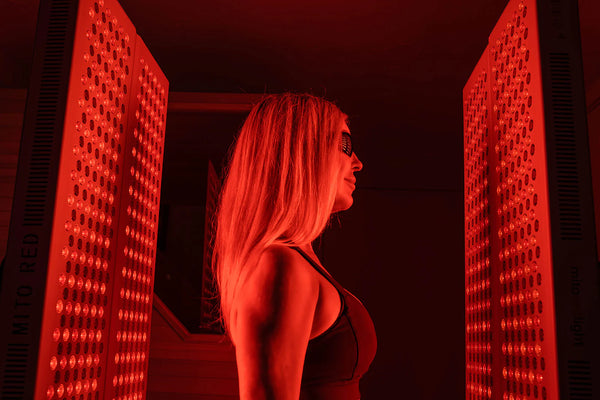
Red light therapy (RLT) is a non‑invasive photobiomodulation technique that uses specific red and near‑infrared wavelengths to support cellular function. Rather than heating tissue, RLT delivers low‑level light that cells can absorb and convert into useful biochemical signals.
How Does Red Light Therapy Work?
The best‑studied primary target of photobiomodulation is the mitochondrion—often called the “powerhouse” of the cell because it produces most of our ATP (adenosine triphosphate), the body’s fundamental energy currency. When red and near‑infrared photons reach the mitochondria, they are absorbed by chromophores such as cytochrome c oxidase.
This interaction can:
- Support more efficient ATP production
- Modulate nitric oxide and reactive oxygen species signalling
- Influence inflammatory pathways and oxidative stress
- Trigger gene expression changes related to repair and resilience
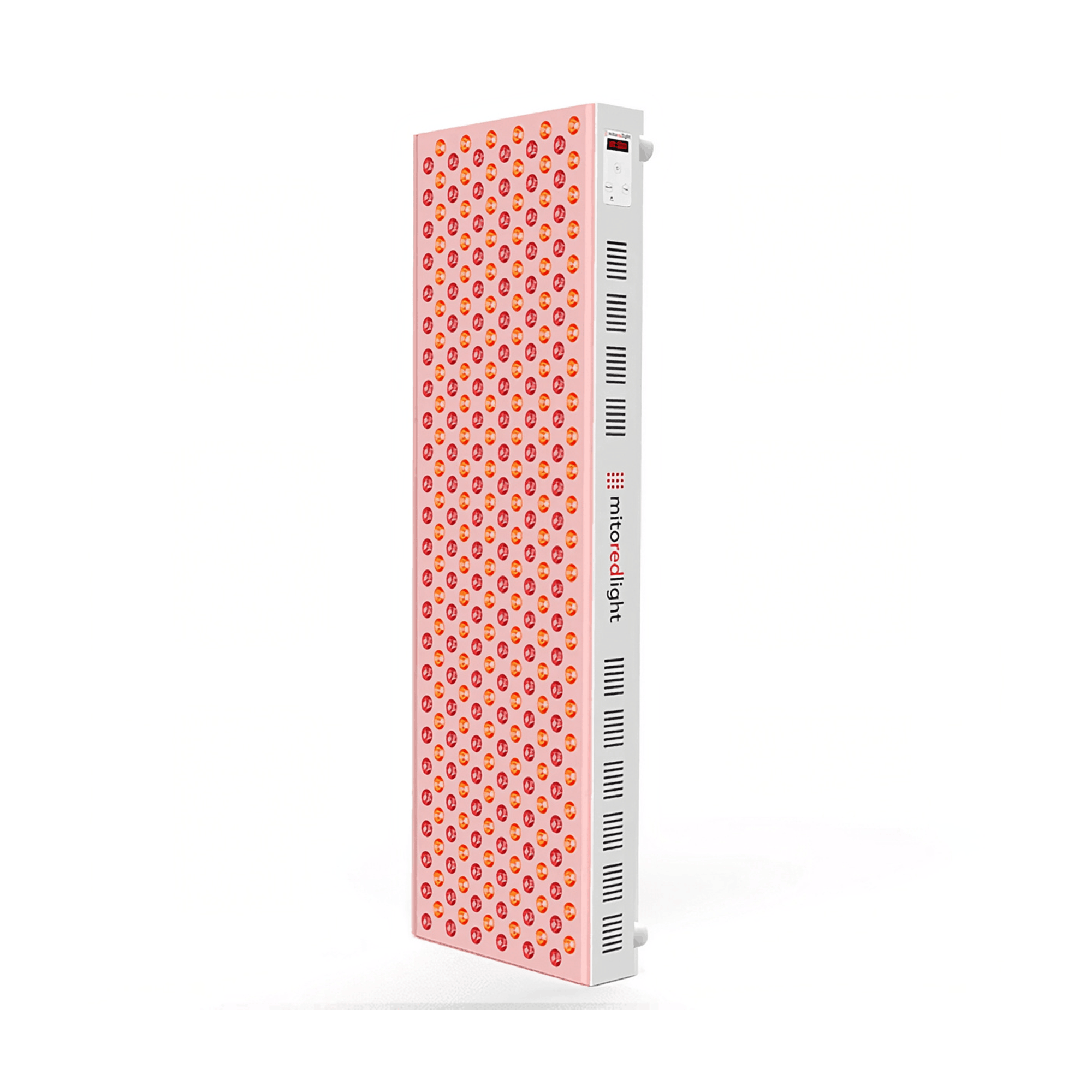
RLT is typically delivered with devices that emit light in the red (often around 630–660 nm) and near‑infrared (around 810–850 nm) range. These devices can be configured as full‑body panels, smaller targeted units, or other form factors depending on the use case.
Importantly, while photobiomodulation can support cellular and tissue function, it is not intended to diagnose, treat, cure, or prevent any disease—including migraines. Instead, it aims to help the body maintain or restore its own healthy processes.
Potential General Benefits of Red Light Therapy
Because mitochondria are present in nearly every cell type, RLT has been studied across a wide range of wellness and clinical applications. Potential benefits under active investigation include:
- Skin health: Supporting collagen production and microcirculation for more resilient, healthy‑looking skin.
- Muscle recovery and performance: Helping reduce perceived muscle soreness and support recovery after training.
- Joint comfort: Supporting healthy inflammatory balance in and around joints.
- Sleep support: Helping harmonize circadian rhythms and sleep quality in certain contexts.
- Cognitive support: When used transcranially, potentially supporting mental clarity and working memory.
- Circulation: Supporting blood flow and vascular function.
- Hair appearance: Helping maintain healthy‑looking hair in certain use cases.
What About Migraines Specifically?
RLT does not “turn off” a migraine in the way that an acute medication might, but its underlying mechanisms—supporting mitochondrial function, moderating inflammation, and influencing vascular tone—overlap with many processes believed to contribute to migraine susceptibility.
By helping maintain a more resilient physiological baseline, RLT may indirectly support migraine management by:
- Supporting the neck, shoulder, and scalp tissues that often become tight or tender around migraine episodes
- Helping stabilize sleep and circadian patterns that influence migraine risk
- Supporting a balanced inflammatory and oxidative environment throughout the body
Some clinics and wellness centers use low‑level light therapy protocols around the head and neck with the aim of reducing episode frequency or severity over time, though high‑quality, migraine‑specific clinical trials are still emerging.
Are There Side Effects to Red Light Therapy?
Overall, red and near‑infrared light therapy are generally considered low‑risk when used appropriately. Most users report no significant side effects when following device guidelines, and reported issues are usually mild and transient—such as temporary skin warmth, slight eye discomfort if viewing light directly without protection, or occasional headaches when starting aggressively.
Because many people with migraines are light‑sensitive, it is especially important to:
- Introduce RLT gradually, starting with shorter sessions
- Avoid staring directly into bright LEDs and use eye protection when appropriate
- Back off or adjust parameters if sessions appear to trigger symptoms
- Discuss plans with a clinician, particularly if migraines are frequent, severe, or accompanied by other neurological symptoms
How Does Green Light Affect Migraines?
Green light behaves differently in migraine physiology than red or white light. While many people with migraines find bright, broad‑spectrum light aggravating, narrow‑band green light has shown early promise in reducing migraine frequency and intensity and improving quality of life in chronic migraine patients.
In small clinical trials, exposure to specific green wavelengths has been associated with:
- Fewer headache days and reduced pain intensity
- Improved sleep quality and reduced anxiety
- A more “soothing” sensory profile compared with white, blue, or red light, which can worsen symptoms in some patients
This doesn’t mean that every person with migraines will benefit from green light, but it does highlight how carefully tuned light exposures—across the visible spectrum and into near‑infrared—may influence symptoms in nuanced ways.
How To Optimize Red Light Therapy for Migraine Support
If you are considering integrating red light therapy into your migraine routine, a thoughtful, measured approach works best.
1. Aim for Consistency, Not Intensity
Mitochondria tend to respond better to regular, moderate exposures than to occasional, high‑dose sessions. Aim for consistent, repeatable sessions—often daily or several times per week—rather than sporadic use. Follow your device’s guidance for recommended frequency.
2. Time Sessions Around Your Day
Some people prefer morning sessions to support daytime energy and stress resilience; others find evening sessions more helpful for winding down and promoting better sleep. Because sleep disruption is a major migraine trigger, pairing RLT with a calming pre‑bed routine may be especially valuable.
3. Create a Calming Environment
Use RLT as part of a broader relaxation ritual: dim other lights, minimize screen exposure, and consider pairing your session with gentle breathing, stretching, or meditation. For migraine‑prone individuals, this calming context can be as important as the light itself.
4. Start with Short Sessions
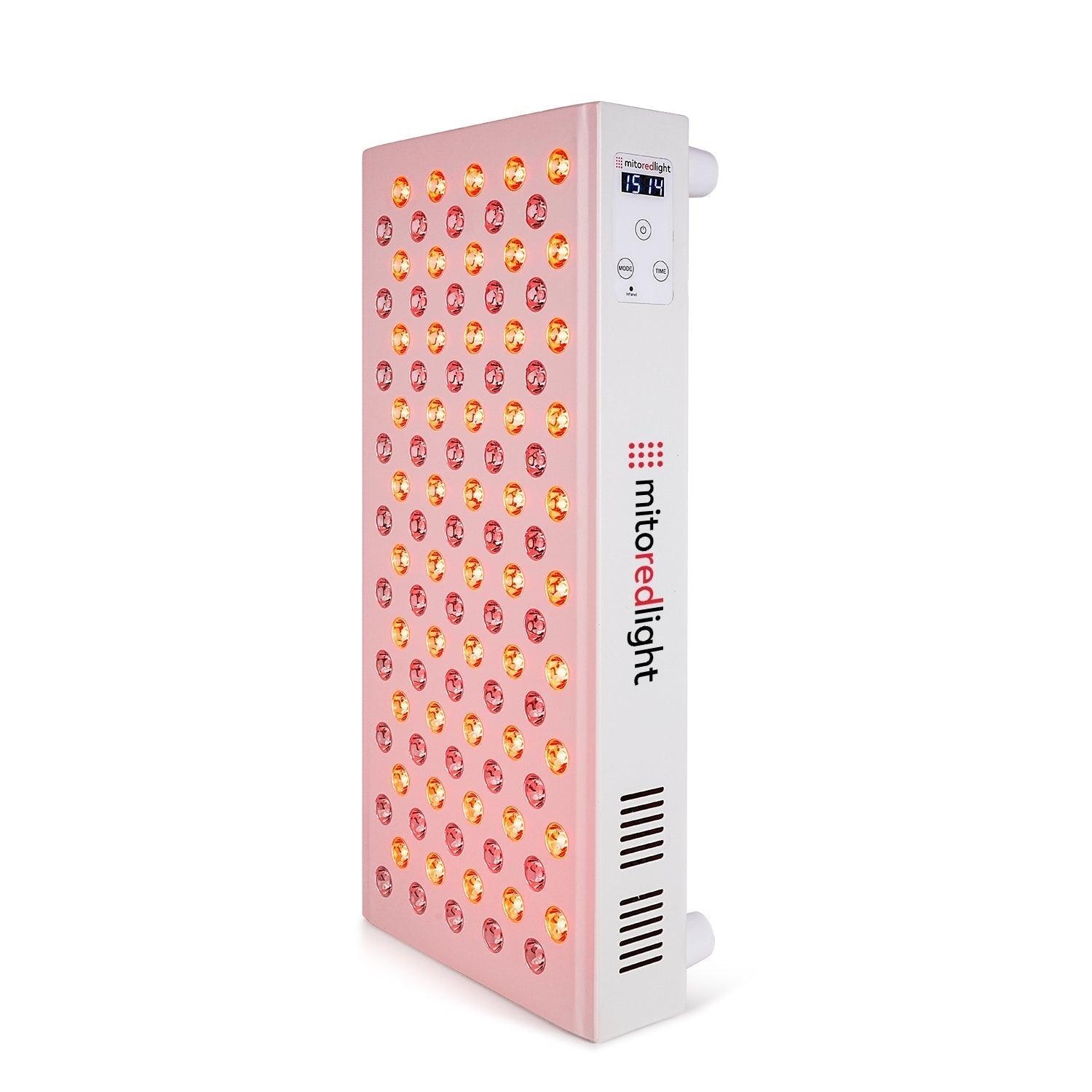
If you are new to RLT—or sensitive to light—begin with shorter sessions (for example, 5–10 minutes) and gradually increase duration as tolerated. The MitoADAPT 2.0 Series offers customizable settings that make it easier to dial in a comfortable starting point and adjust over time.
5. Stay Hydrated
Hydration supports every aspect of cellular function, including those influenced by photobiomodulation. Because dehydration itself can be a migraine trigger, drinking water consistently throughout the day—and around your RLT sessions—supports both general health and migraine goals.
6. Use Quality Equipment with Appropriate Wavelengths
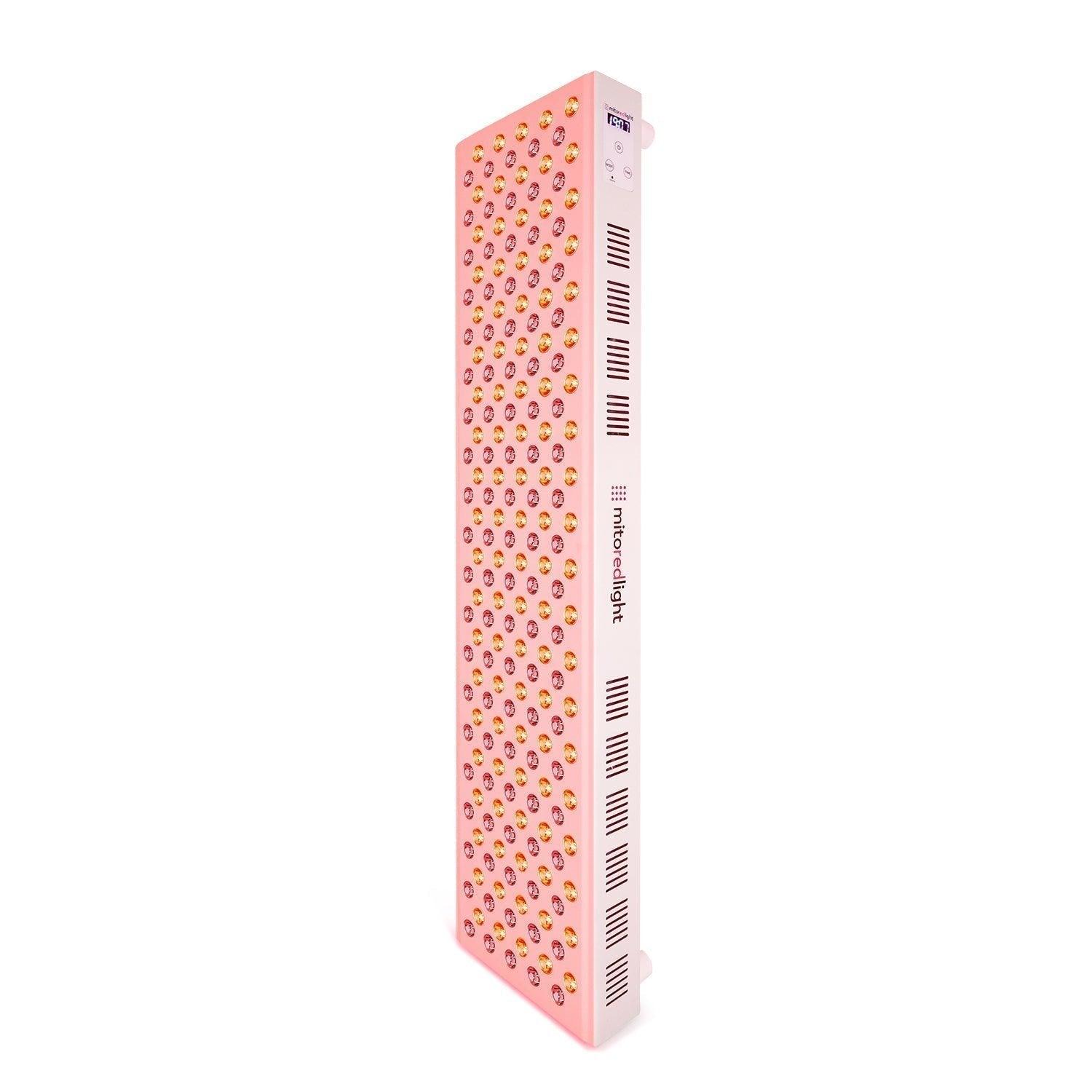
Look for devices that deliver well‑characterized red and near‑infrared wavelengths at appropriate power densities. Our Mito Red Light panel series is engineered to emit research‑backed wavelengths with low EMF and consistent output, making them suitable for structured home routines.
7. Pair RLT with Other Migraine Strategies
Red light therapy works best when it complements—not replaces—your existing migraine tools. Continue to track triggers, follow prescribed medications, and maintain routines around sleep, nutrition, and stress management. RLT can be layered on top of this foundation as an additional supportive input.
8. Adjust Based on Your Response
Everyone’s nervous system is different. Keep a simple log noting session parameters, migraine frequency, pain intensity, and associated symptoms. If you notice patterns—positive or negative—adjust session length, timing, or frequency accordingly and share those observations with your clinician.
9. Work with a Knowledgeable Professional
Before making significant changes to your migraine routine, especially if attacks are frequent or severe, talk to a headache specialist or other qualified healthcare professional. They can help you decide whether RLT is appropriate for you and how to integrate it safely with other treatments.
Embrace the Light—Thoughtfully
At Mito Red Light, we recognize that modern life often means more artificial light, more screen time, and less exposure to the red and near‑infrared wavelengths that have long been part of natural sunlight. While red light therapy is not a cure for migraines, emerging science suggests it may help support the cellular and vascular foundations that influence how often migraines occur and how intense they feel.
If you are exploring ways to bring these beneficial wavelengths back into your daily routine, our red light therapy devices are designed to make consistent, targeted photobiomodulation both accessible and practical. Used thoughtfully and alongside evidence‑based migraine care, they may become a valuable part of your long‑term wellness strategy.
Click to learn more about potential red light therapy benefits, or use our Store Locator to find commercial Mito Red Light therapy near you.
Frequently Asked Questions
Can red light therapy cure migraines?
No. Red and near‑infrared light therapy are not cures for migraines and are not approved as stand‑alone migraine treatments. They may be used as supportive wellness tools alongside prescribed medications, behavioral strategies, and lifestyle changes recommended by a healthcare professional.
Can red light therapy trigger a migraine?
Most people tolerate RLT well, but individuals with migraines can be especially light‑sensitive. For some, intense or poorly timed light exposures—of any color—could aggravate symptoms. Starting with short, low‑intensity sessions, avoiding direct eye exposure, and adjusting based on your response can help reduce this risk.
Where should I use red light if I get migraines?
Approaches vary. Some people focus on the neck, upper back, and shoulders to ease muscle tension associated with migraines, while others use broader whole‑body sessions for general support. Any protocol that involves shining light directly toward the face or head should be approached cautiously and ideally under professional guidance.
How long does it take to notice any change in migraines?
Timelines vary widely. Some users report changes in headache frequency or intensity within a few weeks of consistent use, while others require longer to assess patterns. Keeping a migraine diary alongside a session log can help you and your clinician evaluate whether RLT is helpful over time.
What kind of device should I choose for migraine support?
High‑quality panels that deliver both red and near‑infrared wavelengths, such as the MitoADAPT 2.0 Series, are a versatile choice if you want to support overall cellular and vascular health. People who are especially light‑sensitive may prefer to start with indirect or body‑focused placements rather than shining light directly toward the eyes or forehead.
References
- Mayo Clinic. Migraine: Symptoms and causes.
- Light Therapy in Chronic Migraine: A Review. Current Pain and Headache Reports. 2024.
- University of Arizona Health Sciences. Green light therapy shown to reduce migraine frequency and intensity.
- Narrow-band green light photophobia and migraine. Brain. 2016.
- Novera Headache Center. Red Light Therapy for Headache and Migraine Relief: What You Need to Know.
- Brain Ritual. Red Light Therapy for Migraines: A Deep Dive.
- CEFALY. Red Light Therapy for Migraine.
- Active Care. Red Light Therapy for Migraines and Headaches.
- Mito Red Light. Red Light Therapy Benefits.
- Mito Red Light. Are LED Lights Bad? Positive Evidence Against Mito Red Light LED Side Effects.
This article discusses published scientific research and general educational information about photobiomodulation and red light therapy. It does not constitute medical advice and does not make specific claims about Mito Red Light devices. The research cited reflects independent peer-reviewed studies and does not imply that any Mito Red Light product has been evaluated, approved, or cleared by the FDA or any other regulatory body for the diagnosis, treatment, cure, or prevention of any disease or medical condition. Individual results vary. Consult a qualified healthcare professional before beginning any light therapy protocol, particularly if you have a pre-existing medical condition, are pregnant, or are taking photosensitising medications.
Dive deeper into the research
- Mito Red Research Evidence Hub — 10,000+ indexed PBM studies across 15 clinical categories.
- Wavelength reference — 633, 660, 810, and 830 nm comparison and dosing data.
- Independent third-party testing — spectrometer-verified output across the Mito Red product line.
- Mito Red Scientific Advisory Board — review workflow, evidence grading, primary-literature sourcing.
Mito Red Light products are general wellness devices. They are not medical devices and have not been evaluated, cleared, or approved by the FDA or any regulatory body for the diagnosis, treatment, cure, or prevention of any disease or medical condition. Any references to peer-reviewed research or clinical studies on this page describe findings from independent scientific literature and do not imply that Mito Red Light devices have been studied, tested, or proven effective for any specific condition. Always consult a qualified healthcare provider before beginning any new wellness routine, particularly if you have a medical condition or are taking medication.
Related articles
More from the conditions & research knowledge cluster