







Panel Series
Does red light therapy actually help your body produce more melatonin, or is it just another wellness myth? Melatonin is the hormone that signals to your brain that it is time to wind down, fall asleep, and stay asleep through the night. Because light is one of the strongest external cues for melatonin, the type, brightness, and timing of light exposure all matter. Emerging research suggests that red light therapy may support healthy melatonin levels and better sleep quality, especially when used in the evening and when it replaces harsher, blue-rich light from screens and overhead LEDs. However, the relationship is nuanced: dose, intensity, and timing all influence whether red light supports or suppresses melatonin.
In this article, we’ll unpack how melatonin works, what the research actually says about red light therapy and melatonin, and how to use red and near-infrared (NIR) light strategically to support your sleep-wake cycle.
What Is Melatonin and Why Does It Matter?
Melatonin is a hormone produced primarily by the pineal gland in the brain that helps regulate your circadian rhythm—your internal 24-hour body clock. As it gets dark in the evening, melatonin levels naturally rise, promoting drowsiness and helping you transition into sleep. Exposure to bright light, especially blue-rich light from screens and standard LEDs, can blunt or delay this melatonin rise and make it harder to fall asleep.
Beyond sleep, melatonin also has antioxidant and anti-inflammatory properties, and it participates in cellular protection and mitochondrial function. Researchers have proposed that melatonin could be a key mediator of some of red light therapy’s systemic benefits, including tissue repair and resilience.
Does Red Light Therapy Directly Produce Melatonin?
What the Human Studies Show
A small but important human study in female athletes found that 30 minutes of whole-body red light therapy before bed, applied nightly for two weeks, significantly increased serum melatonin levels and improved sleep quality compared to placebo. Participants reported better subjective sleep, and objective measures showed higher melatonin levels after the intervention. Some reviews and expert summaries note that red light may support melatonin rhythms and sleep inertia (morning grogginess), although they emphasize that the evidence base is still limited and more research is needed.
Other small studies have not always found a clear increase in melatonin, which suggests that red light therapy’s impact can depend on protocol details such as timing, duration, and intensity. Overall, early data indicate that red light therapy can support natural melatonin production in certain scenarios, but it should not yet be described as a guaranteed melatonin booster in all users.
Light Intensity and Melatonin Suppression
It is critical to remember that all visible light has the potential to suppress melatonin if it is bright enough. Laboratory work shows that high-intensity monochromatic red light (around 630–640 nm) can reduce melatonin levels in both animals and humans when delivered at very high photon densities. However, relative to blue light, the melanopsin-containing retinal cells that drive melatonin suppression are far less sensitive to red wavelengths. This means that for a given low-to-moderate intensity, red light is much less disruptive to melatonin than blue-rich light.
Clinically, experts note that red light does not “encourage” melatonin in the way darkness does, but it is far less likely to blunt the natural nighttime melatonin rise compared with white or blue light. In practical terms, this makes red light a more sleep-friendly choice in the evening when some light is needed.
Melatonin Inside Cells vs Pineal Melatonin
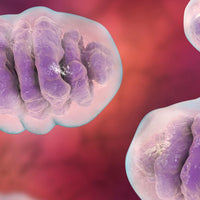
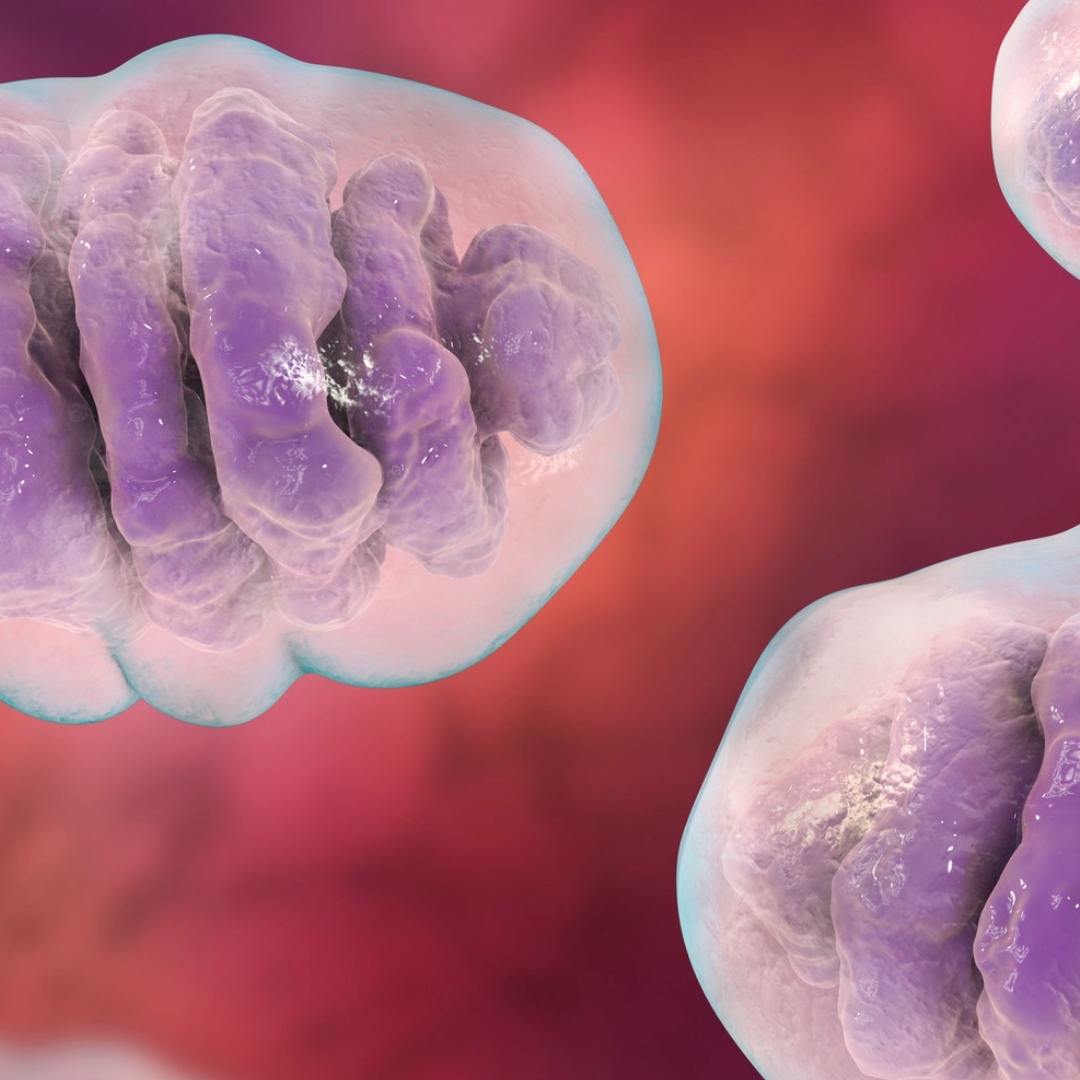
Most people think of melatonin as just the hormone secreted by the pineal gland into the bloodstream, but there is also “extrapineal” or “cellular” melatonin produced inside many tissues. Red and near-infrared light therapy primarily target mitochondria, especially the enzyme cytochrome c oxidase, leading to improved mitochondrial energy production and redox balance.
Some researchers have proposed that by supporting mitochondrial function and antioxidant defenses, red and NIR light may also enhance local melatonin synthesis within cells and tissues. This intracellular melatonin does not necessarily show up as a large rise in blood tests, but it may still provide meaningful protective and regulatory effects at the tissue level. In this model, melatonin is not just a “sleep hormone” but also a local guardian of mitochondrial health, and red light therapy may help drive that system.
Why Red Light Is More Sleep-Friendly Than Blue Light
Blue light and bright white light strongly suppress melatonin and delay the onset of sleep when used at night, especially from screens and overhead lighting. In contrast, dim red light at night tends to allow the normal nocturnal rise in melatonin to proceed with minimal disruption. Animal studies show that low-intensity red light does not significantly alter the 24-hour melatonin rhythm, while full-spectrum or blue-rich light at night can.
In humans, experts emphasize that red light is “less noticeable” to the sleep system and does not strongly suppress melatonin like blue light does, making it a safer nighttime illumination option. Some consumer health reviews summarize the evidence by stating that red light might indirectly help melatonin by replacing more disruptive light sources at night and aligning better with our evolutionarily normal evening light environment (sunset, firelight).
How to Use Red Light Therapy to Support Melatonin and Sleep
While protocols can vary, several practical principles emerge from the current evidence:
-
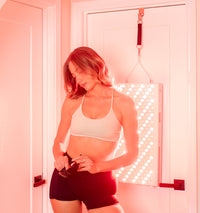
Use red or red/NIR light in the evening, 30–60 minutes before bed, when melatonin is naturally rising.
-
Favor moderate, comfortable intensities rather than extremely bright exposures aimed directly at the eyes, especially at night.
-
Replace or reduce blue-rich light exposure (phones, tablets, overhead LEDs) during and after your red light session to avoid counteracting its potential benefits.
-
Use devices that emit wavelengths in the therapeutic red and near-infrared range (approximately 660–850 nm), as this is what most research on mitochondrial and cellular effects is based on.
-
Maintain a consistent schedule, as many circadian-related benefits accrue when light exposure patterns are stable over days to weeks.
As always, individuals with medical conditions, photosensitivity, or those taking medications that affect light sensitivity should consult a healthcare professional before starting a new light-based therapy.
Key Takeaways
-
Red light therapy does not “magically” create melatonin on demand, but several small studies show it can support higher nighttime melatonin levels and better sleep when used properly.
-
All bright light can suppress melatonin, including red, but red wavelengths are much less potent in this regard than blue light at comparable intensities.
-
Red and NIR light may also influence cellular melatonin production through mitochondrial pathways, offering antioxidant and protective benefits beyond sleep regulation.
-
In real-world use, evening red light therapy seems to be most helpful when it replaces blue-rich light and is integrated into a consistent, sleep-supportive routine.
1. Does red light therapy increase melatonin levels?
Some small human studies suggest that red light therapy before bed can increase melatonin levels and improve sleep quality, particularly when used consistently over one to two weeks. However, the research base is still limited, and not every study has found the same degree of benefit, so results may vary between individuals.
2. Can bright red light at night still suppress melatonin?
Yes. All bright light, including red, has the potential to suppress melatonin if the intensity is high enough and the exposure is prolonged. The advantage of red is that it is less potent than blue light at triggering melatonin suppression, especially at low to moderate intensities.
3. Is red light better for sleep than blue light?
Red light is generally considered more sleep-friendly than blue light because the cells in the eye that regulate melatonin are far less sensitive to red wavelengths. Evening exposure to red light is less likely to disrupt your circadian rhythm and may even support natural melatonin production in some cases.
4. How long should I use red light therapy before bed to help with sleep?
In one study, 30 minutes of red light therapy each night for 14 days improved melatonin levels and sleep quality in female athletes. Many users adopt a similar 10–30 minute evening routine, but the ideal duration can vary depending on device intensity, distance, and individual sensitivity.
5. Does red light therapy replace the need for melatonin supplements?
Red light therapy should not be viewed as a direct replacement for melatonin supplements, although it may help support your body’s own melatonin production and circadian rhythm. People already taking melatonin or other sleep aids should talk with their healthcare provider before changing their regimen.
6. Does red light therapy work by affecting melatonin only in the brain?
No. Melatonin is produced not only by the pineal gland in the brain but also within many tissues and cells throughout the body. Red and near-infrared light primarily act on mitochondria, and may enhance local, intracellular melatonin production that contributes to antioxidant defense and cellular recovery.
Core mechanistic and review papers
-
Podda M, Zollner TM, Grundmann-Kollmann M, Thiele JJ. Melatonin as a principal component of red light therapy. Med Hypotheses. 2007;68(2):361-364. doi:10.1016/j.mehy.2006.06.011.
-
Reiter RJ, Rosales-Corral S, Tan DX, Jou MJ, Galano A, Xu B. Melatonin: both a messenger of darkness and a participant in the cellular actions of non-visible solar radiation such as near infrared light. Int J Mol Sci. 2022;24(1):343. doi:10.3390/ijms24010343.
Human red-light-and-sleep / melatonin studies
-
Zhao J, Tian Y, Nie J, Xu J, Liu D. Red light and the sleep quality and endurance performance of Chinese female basketball players. J Athl Train. 2012;47(6):673-678. doi:10.4085/1062-6050-47.6.08.
-
Figueiro MG, Wood B, Plitnick B, Rea MS. The impact of red light on sleep inertia. Nat Sci Sleep. 2019;11:45-57. doi:10.2147/NSS.S189479.
-
Frontiers in Psychiatry. Effects of red light on sleep and mood in healthy subjects. Front Psychiatry. 2023;14:1200350.
Melatonin suppression and spectral sensitivity
-
Murphy BA, Elliott JA, Sessions DR, et al. Red light at night permits the nocturnal rise of melatonin production in horses. Vet J. 2019;251:105347. doi:10.1016/j.tvjl.2019.105347.
-
Figueiro MG, Plitnick B, Rea MS. High-intensity red light suppresses melatonin in humans. J Pineal Res. 2006;40(4):291-292. (PubMed ID 16687299).
Consumer and clinical overviews (good for lay citations)
-
GoodRx Health. Does Red Light Improve Sleep? Experts Discuss. GoodRx. Published January 23, 2025. Accessed 2026.
-
Sleep Foundation. Is Red Light Good for Sleep? Sleep Foundation. Published September 28, 2025. Accessed 2026.
-
UAB Medicine. Does red light therapy improve sleep? UAB News. Published April 13, 2026. Accessed 2026.
-
Healthline. Red Light at Night: How Does It Affect Your Sleep and Vision? Healthline. Published February 11, 2021. Accessed 2026.
-
Calm. Can red light really help you sleep better? What the studies say. Calm Blog. Published December 8, 2025. Accessed 2026.
-
CurrentBody. Does Red Light Affect Your Sleep? Here’s What the Research Says. CurrentBody Editorial. Published April 28, 2025. Accessed 2026.
-
Ubie Health. Red Light Therapy for Sleep: The 40+ Woman’s Guide & Action Plan. Ubie Health. Published February 14, 2026. Accessed 2026.
Mito Red article you already have
-
Mito Red Light. Does Red Light Therapy Produce Melatonin? Mito Red Blog. Published January 18, 2023. Accessed 2026.
If you want, I can now align the references section in the new article to exactly match your preferred citation style (Vancouver, AMA, numbered superscripts, etc.) and bake that into a reusable template for all future posts.
This article discusses published scientific research and general educational information about photobiomodulation and red light therapy. It does not constitute medical advice and does not make specific claims about Mito Red Light devices. The research cited reflects independent peer-reviewed studies and does not imply that any Mito Red Light product has been evaluated, approved, or cleared by the FDA or any other regulatory body for the diagnosis, treatment, cure, or prevention of any disease or medical condition. Individual results vary. Consult a qualified healthcare professional before beginning any light therapy protocol, particularly if you have a pre-existing medical condition, are pregnant, or are taking photosensitising medications.
ore in Sleep & Circadian
Related Articles
Continue exploring this topic
Mito Red Light products are general wellness devices. They are not medical devices and have not been evaluated, cleared, or approved by the FDA or any regulatory body for the diagnosis, treatment, cure, or prevention of any disease or medical condition. Any references to peer-reviewed research or clinical studies on this page describe findings from independent scientific literature and do not imply that Mito Red Light devices have been studied, tested, or proven effective for any specific condition. Always consult a qualified healthcare provider before beginning any new wellness routine, particularly if you have a medical condition or are taking medication.
Related articles
More from the sleep & circadian rhythm knowledge cluster