















Panel Series
Medically Reviewed by | Heidi Wright, BSN, RN, PCCN
Most people first hear about red light therapy in the context of skin care or post‑workout recovery, but full body photobiomodulation therapy (PBMT) takes those same wavelengths and applies them from head to toe. By immersing your entire body in targeted red and near‑infrared (NIR) light, full body PBMT aims to energize your cells, support circulation, and help you feel and perform at a higher level — not just in one isolated area.
At Mito Red Light, we design full‑body systems like our MitoPRO+ panels and Full Body Mat so you can bring this whole‑body approach home. In this article, we’ll break down what full body PBMT actually is, how it works at the mitochondrial level to boost ATP and cellular repair, how it compares to standard “red light therapy,” who tends to benefit most, and practical tips to get the most from your sessions using Mito Red Light devices as part of a realistic wellness routine.
Executive Summary
This Mito Red Light article introduces full body photobiomodulation therapy (PBMT) as a non‑invasive approach that uses red and near‑infrared (NIR) light to support cellular function and energy throughout the body. PBMT works through light absorption in the mitochondria, boosting ATP production, enhancing cellular processes like repair and detoxification, and supporting healthy circulation. Potential benefits include helping you feel more energized, supporting recovery and day‑to‑day comfort, enhancing skin health, and promoting mental clarity. PBMT is a broader umbrella term than “red light therapy” alone, combining both red and deeper‑penetrating NIR wavelengths for more comprehensive cellular support. Maximizing benefits involves consistency, choosing high‑quality devices like the MitoPRO+ Series or Mito Red Light Full Body Mat, using proper positioning for skin exposure, staying hydrated, and integrating sessions into an overall healthy lifestyle.
Key Takeaways:
- Full body PBMT uses red and NIR light to deliver comprehensive, whole‑body cellular support.
- It boosts cellular energy (ATP), supports recovery and comfort, enhances skin health, and may support mental clarity.
- PBMT is a broader term than red light therapy, combining surface‑level red light with deeper‑penetrating NIR wavelengths.
- Consistency, proper device selection, and correct positioning are crucial for maximizing benefits.
- Mito Red Light offers full‑body PBMT devices designed for effective, at‑home whole‑body light exposure.
What Exactly Is Full Body Photobiomodulation Therapy?
Full body photobiomodulation therapy (PBMT) is a non‑invasive therapy that utilizes specific red and near‑infrared (NIR) wavelengths to support and enhance cellular function across the entire body. Unlike localized light therapy, which targets only one joint or skin area at a time, full body PBMT provides comprehensive exposure so that multiple systems — muscles, joints, skin, and even brain‑adjacent tissues — can benefit in a single session.
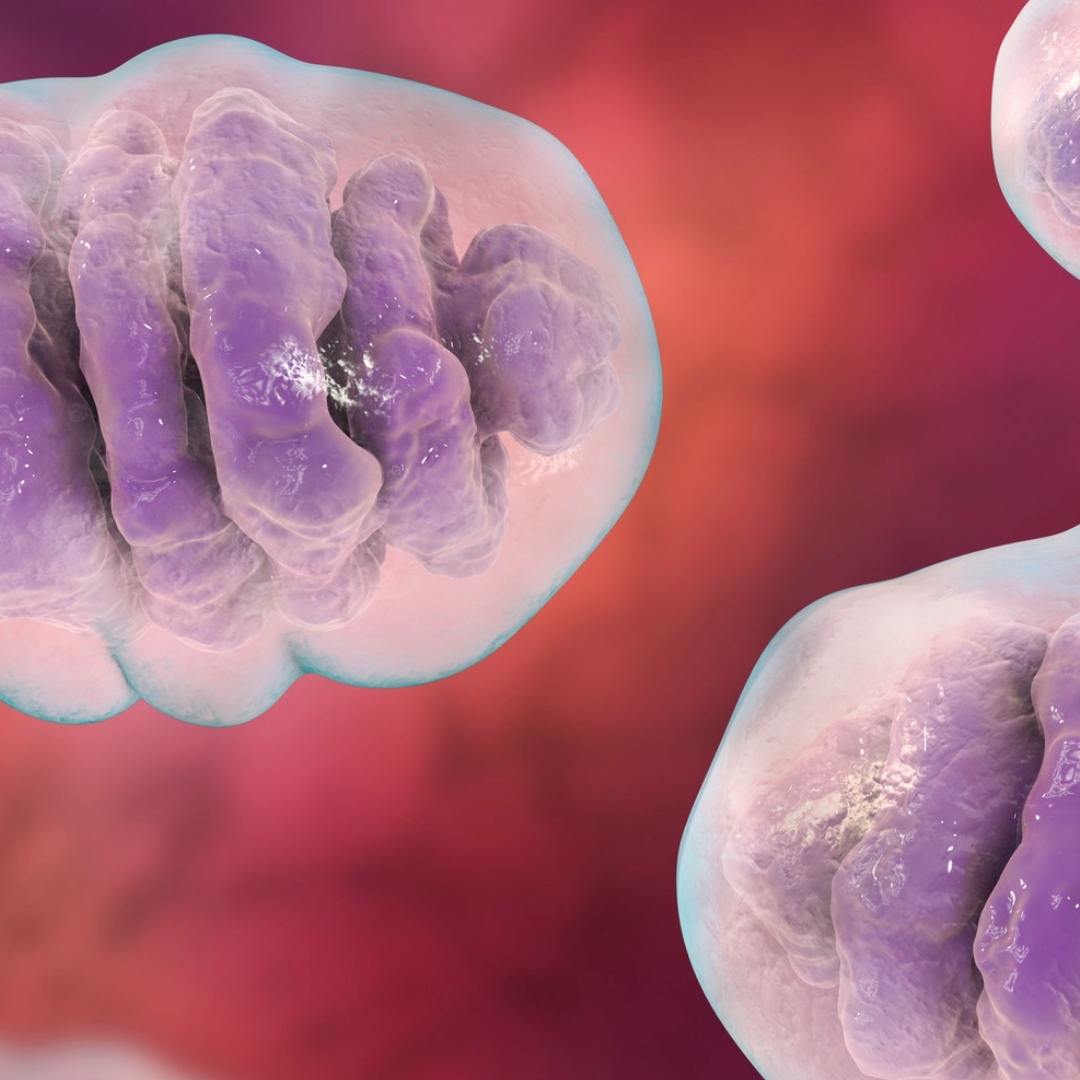
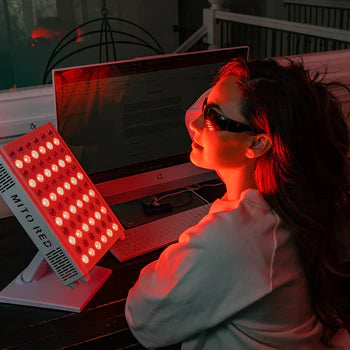
The therapy typically involves standing or lying down in front of, or on, a full‑body device that emits red and NIR light, such as a vertically mounted MitoPRO+ red light therapy panel or the Mito Red Light Full Body Mat. These wavelengths penetrate the skin, reach deeper tissues and cells, and are absorbed by the mitochondria, often described as the powerhouses of our cells. This absorption process helps support key cellular functions and contributes to overall well‑being.
How Does Photobiomodulation Work?
PBMT works by delivering light energy to your cells, which is then converted into usable cellular energy. Here’s a simplified breakdown of the process:
Light Absorption
When red and NIR light from a PBMT device penetrates the skin, it is absorbed by mitochondria within your cells. The mitochondria contain light‑sensitive molecules called chromophores that capture the light energy and initiate biochemical changes.
Support for ATP Production
Once absorbed, light energy can boost the activity of enzymes involved in producing adenosine triphosphate (ATP), the primary energy carrier in living cells. Higher ATP availability enhances cellular energy and helps cells perform essential functions, including repair and regeneration.
Enhanced Cellular Functions
With more energy available, cells can perform their jobs more efficiently — including processes like cellular repair, renewal, and normal detoxification. Enhanced cellular function supports the health of tissues ranging from skin and muscles to joints and connective tissue, which is why PBMT is often linked to recovery and resilience.
Support for Circulation
Red and NIR light may also support healthy blood flow and circulation, helping oxygen and nutrients reach tissues more effectively. Better microcirculation plays a key role in recovery, tissue maintenance, and overall vitality, especially when paired with movement, hydration, and sleep.
What Are the Benefits of Full Body Photobiomodulation Therapy?
Once you understand how full body PBMT interacts with mitochondria and circulation, the wide range of potential benefits makes more sense. Here are several areas where whole‑body red and NIR light exposure may offer support.
Energizing Every Cell
Full‑body PBMT can act like an energy “tune‑up” for your cells by supporting healthy mitochondrial function throughout the body. Many people describe feeling more awake, resilient, or ready for their day when they use full‑body red light therapy consistently. This systemic support is part of what makes PBMT appealing to athletes, high‑performers, and anyone looking to optimize everyday energy and endurance.
Supporting Recovery and Comfort
Daily life, intense workouts, and long hours at a desk can all leave your body feeling taxed. By helping support circulation and cellular energy, full‑body PBMT may help soothe everyday muscle and joint discomfort and support the body’s natural recovery processes. This makes it an attractive option for people who want a non‑invasive, drug‑free way to bounce back from training or physical demands.
Enhancing Skin Health and Vitality
One of the most visible benefits of full‑body PBMT is its impact on skin quality. Red wavelengths can support collagen production and cellular renewal, which may lead to firmer, more resilient skin over time. With regular sessions, many users report a smoother texture, more even tone, and a healthier‑looking glow, especially when pairing whole‑body exposure with targeted facial devices or consistent skincare.
Supporting Feelings of Clarity
Beyond the physical effects, whole‑body PBMT may also influence emotional and cognitive well‑being. By promoting healthy blood flow and supporting neuronal energy metabolism, light‑based therapies have been investigated for their potential to support mental clarity, focus, and mood. When combined with stress‑management habits and good sleep hygiene, full‑body PBMT can be part of a routine that helps you feel mentally sharper and more balanced.
Comprehensive Wellness Support
Because full‑body PBMT engages tissues throughout the body at once, it offers a holistic way to support multiple systems in parallel — from muscle maintenance and joint comfort to skin quality and perceived energy. Rather than addressing each concern with a separate tool, whole‑body light exposure provides a single, integrated input that cells across your body can respond to.
Safe and Non‑Invasive
As a non‑invasive modality, full‑body PBMT provides a gentle option for ongoing wellness support. When used as directed, red and NIR light do not break the skin or introduce substances into the body, which is why many people feel comfortable using full‑body devices regularly as part of their long‑term health routine. As always, it’s important to follow usage guidelines and consult a healthcare provider if you have medical questions.
Is Photobiomodulation Therapy the Same as Red Light Therapy?
Photobiomodulation therapy and red light therapy are related terms, but they are not always identical. Both involve using light to influence cellular processes, but PBMT describes the broader therapeutic concept, while “red light therapy” often refers to a specific slice of the spectrum.
Red Light Therapy
Red light therapy is a form of PBMT that specifically uses red wavelengths, commonly around 660 nm, to target tissues near the surface of the skin. It’s widely used for skin health, localized muscle recovery, and other superficial applications, and is often delivered via smaller panels or targeted devices.
Photobiomodulation Therapy
PBMT extends beyond the red spectrum by also incorporating NIR wavelengths, typically in the 810–850 nm range. NIR light penetrates deeper into the body, reaching muscles, joints, and in some contexts even bone‑adjacent tissues. As a result, PBMT is a broader term that includes the benefits of red light but also adds deeper‑tissue support, making it particularly suited for full‑body or whole‑limb applications.
In other words, all red light therapy can be considered photobiomodulation, but not all PBMT is limited to red wavelengths. By combining both red and NIR, a well‑designed PBMT device can target surface‑level concerns (like skin appearance) and deeper challenges (like muscle recovery or joint comfort) at the same time.
At Mito Red Light, our panels and mats are engineered to harness both red and NIR light in research‑aligned ranges, giving you a more comprehensive photobiomodulation experience. Whether you’re prioritizing skin appearance, post‑workout recovery, or general energy and wellness, our full‑body PBMT solutions are built to support a wide range of goals.
Who Should Consider Full Body Photobiomodulation Therapy?
Full‑body PBMT is a versatile option for people who want to invest in overall quality of life rather than targeting just one small area. Understanding who may benefit most — and who should be cautious — can help you decide whether it fits your situation.
Whole‑body photobiomodulation is often considered by:
- Athletes and active individuals: If you are seeking supported performance, recovery, and resilience, PBMT can help by supporting cellular energy and shortening perceived recovery time when combined with good training and sleep.
- People with everyday discomfort: For those managing day‑to‑day muscle or joint aches, PBMT may provide support by promoting cellular health and circulation, which can in turn help you move more comfortably.
- Aging individuals: As we age, maintaining skin elasticity, joint mobility, and overall vitality becomes more important. Whole‑body PBMT offers a way to support these areas simultaneously through deep cellular support.
Regardless of your goals, it’s wise to start with a conversation with your healthcare provider, especially if you have underlying health conditions, are pregnant, or are being treated for chronic illnesses. You should also use protective eyewear as recommended to safeguard your eyes during sessions and follow any contraindication guidance provided by your clinician or device manufacturer.
While PBMT is designed as a safe, non‑invasive option for supporting wellness, it works best when personalized and integrated into a broader plan that addresses sleep, movement, nutrition, and medical care where needed.
How To Maximize Benefits With Full‑Body Photobiomodulation Therapy
Full‑body PBMT can be a powerful tool for supporting overall wellness, but like most modalities, results depend heavily on how consistently and correctly you use it. With many of us spending most of our time indoors and under artificial lighting, intentional exposure to beneficial wavelengths can help fill in some of the gaps.
Here are practical strategies to help you get the most from your full‑body sessions:
Consistency
Regular sessions are key for experiencing the full benefits of PBMT. Instead of occasional, marathon sessions, aim to integrate shorter, consistent exposures into your daily or weekly routine. Over time, this steady input supports ongoing cellular function and recovery processes.
For example, using the Mito Red Light Full Body Mat makes it easy to enjoy red light therapy at home while lying down, reading, or relaxing, which lowers the friction of staying consistent.
Choose the Right Device
Not all PBMT devices are created equal. High‑quality systems like the MitoPRO+ Series are designed with carefully selected wavelengths and robust output, ensuring effective light delivery across both red and NIR bands. This helps you support both surface and deeper tissues, from skin to muscle, in each session.
Proper Positioning
To maximize light absorption, direct skin exposure is ideal. Position your panel or mat so that large areas of bare skin are within the recommended distance and not blocked by clothing, thick fabrics, or reflective surfaces. Adjustable stands and wall mounts make it easier to align your body with full‑length devices for more uniform exposure.
Hydrate and Prepare
Staying hydrated is a simple but meaningful way to support PBMT. Well‑hydrated cells and tissues tend to respond better to light‑based inputs, and good hydration also supports circulation and lymphatic flow. Drink water before and after sessions, and consider pairing your light routine with a brief wind‑down practice to help your body relax and absorb the experience.
Integrate With Your Lifestyle
PBMT is most effective when it complements your existing wellness habits rather than competing with them. For athletes, scheduling sessions after training may help support recovery. If your goal is general wellness, consider using PBMT at a quieter time of day so you can enjoy both physical and mental benefits. “For those focusing on overall well‑being, PBMT offers more than just physical advantages. By incorporating a session during a quiet point in your day, you can maximize the potential mental benefits as well,” notes Heidi Wright, Registered Nurse.
Wright adds that a calm environment can enhance the experience, promoting relaxation and potentially reducing stress alongside the physical improvements. By weaving PBMT into your existing routine, you can move toward a more holistic sense of well‑being rather than treating it as a stand‑alone fix.
The Wrap Up
Exploring full body photobiomodulation therapy reveals a promising, science‑backed way to support cellular function, energy, and resilience across your entire body. Rather than targeting only one concern, whole‑body PBMT allows you to address skin, muscles, joints, and overall vitality in a single, non‑invasive practice.
At Mito Red Light, our goal is to make this technology accessible so you can use it consistently in real life — not just during occasional clinic visits. This isn’t about quick fixes; it’s about giving your cells the light input they need to do what they are designed to do, day after day.
If you’re ready to see how PBMT might fit into your wellness strategy, explore our range of full‑body panels and mats and learn more about potential red light therapy benefits. You can also find commercial Mito Red Light therapy locations near you, review the science in our Learn section, and see real‑world feedback in our before‑and‑after reviews.
Frequently Asked Questions About Full Body Photobiomodulation Therapy
How is full body PBMT different from regular red light therapy?
“Red light therapy” often refers to more localized use of red wavelengths on a specific area, such as the face or a single joint. Full body PBMT combines both red and near‑infrared light and targets your entire body at once, aiming to support whole‑body cellular function, recovery, and wellness in a single session.
How often should I use a full body PBMT device like MitoPRO+?
Many people use full‑body PBMT devices several times per week, often in the range of 3–5 sessions weekly, depending on their goals and schedule. It’s usually best to start with shorter sessions and build up as tolerated, following the usage guidelines in your device manual and any recommendations from your healthcare provider.
How long does a typical full body photobiomodulation session last?
Typical at‑home full‑body sessions last around 10–20 minutes per side or position, depending on the device and how much of your body you are exposing at once. Longer is not always better; staying within recommended times helps ensure a safe, effective dose of light.
Is full body PBMT safe for everyone?
Full‑body PBMT is generally well tolerated, but people who are pregnant, have a history of skin cancer in the treatment area, take photosensitizing medications, or have serious medical conditions should consult their healthcare provider before starting. Protective eyewear should always be used as directed.
Which Mito Red Light device is best for full body photobiomodulation at home?
If your goal is true head‑to‑toe coverage, a vertically mounted panel system from the MitoPRO+ Series or a combination of panels with the Full Body Mat can be ideal. These setups allow you to expose large areas of skin in each session while also using the same devices for more targeted applications when needed.
References
- PBM Foundation. What Is Photobiomodulation?
- University of Colorado. Not just the powerhouse of the cell: new research on mitochondria.
- StatPearls. Biochemistry, ATP.
- Cleveland Clinic. Red Light Therapy: Benefits, Side Effects & Uses.
- McEntee JE et al. Whole-body photobiomodulation therapy for chronic pain.
- Mito Red Light. Photobiomodulation vs. Red Light Therapy.
- Mito Red Light. What Is Full Body Photobiomodulation Therapy?
- Mito Red Light. MitoPRO+ Red Light Therapy Panels.
- Mito Red Light. Full Body Red Light Therapy Mat.
- Mito Red Light. Red Light Therapy Benefits.
This article discusses published scientific research and general educational information about photobiomodulation and red light therapy. It does not constitute medical advice and does not make specific claims about Mito Red Light devices. The research cited reflects independent peer-reviewed studies and does not imply that any Mito Red Light product has been evaluated, approved, or cleared by the FDA or any other regulatory body for the diagnosis, treatment, cure, or prevention of any disease or medical condition. Individual results vary. Consult a qualified healthcare professional before beginning any light therapy protocol, particularly if you have a pre-existing medical condition, are pregnant, or are taking photosensitising medications.
Mito Red Light products are general wellness devices. They are not medical devices and have not been evaluated, cleared, or approved by the FDA or any regulatory body for the diagnosis, treatment, cure, or prevention of any disease or medical condition. Any references to peer-reviewed research or clinical studies on this page describe findings from independent scientific literature and do not imply that Mito Red Light devices have been studied, tested, or proven effective for any specific condition. Always consult a qualified healthcare provider before beginning any new wellness routine, particularly if you have a medical condition or are taking medication.
Related articles
More from the science & foundations knowledge cluster