







4 weeks
•
MODE 4: 10 min/day, 5x/week
Four quick questions. One recommendation.
By treatment area


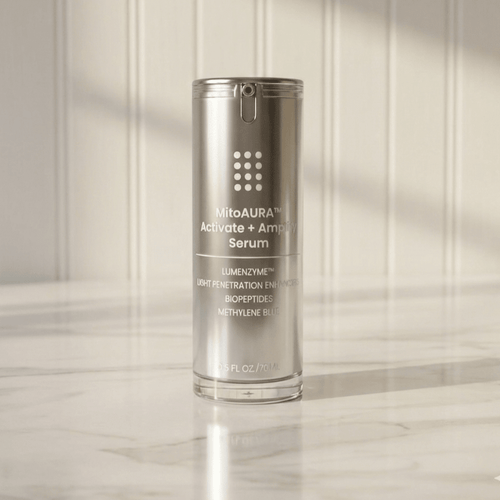
Formulated to work with light — not just alongside it. Young Goose collab. EWG Green. Made in USA.


Financing available
Split your purchase into monthly payments at checkout. Available through Shopify's financing partners — no hard credit check required for most plans. Rates and terms shown at checkout based on cart total and eligibility.
Full FAQ →HSA/FSA eligible
As an FDA Class II registered medical device, the MitoPRO+ qualifies for purchase with Health Savings Account (HSA) or Flexible Spending Account (FSA) funds. This can save you 25–30% depending on your tax bracket.
How to use your HSA/FSA →I purchased this mask for the specs, and while I really liked it, I decided to go with a panel instead so I could also treat other areas of my body. It definitely helped my skin - acne prone and it helped my perioral dermatitis a lot. Mito has a great return policy though, so I was able to try the mask for 60 days, but then determined a panel would be better for me - I now plan to purchase the Mito Pro 300X
Hi Hayley,
Thank you for sharing your experience. We’re glad to hear you found the mask easy to use and that it was a helpful part of your routine while you were using it.
It’s great that you were able to take advantage of the 60-day trial to find the best fit for your needs, and we’re excited to hear you’re planning to move forward with a panel.
Please note: our products are not intended to diagnose, treat, cure, or prevent any disease, and we can’t provide medical advice. If you have a medical condition or specific medical questions (or you’re under medical care), please consult a licensed healthcare professional before use. Mito Red Light devices are designed for general wellness use and are commonly used in personal wellness routines, including routines focused on supporting healthy-looking skin and overall well-being.
– Team Mito
Never heard of this brand was looking at another high end brand, when I found a guy on Youtube who reviews them, he said this was the best so after more research I went with this mask. The build quality is great and I felt it on my skin for a while after so the LEDs are powerful. I would like a hard shell carry case if they make that.
Hi Andrew,
Thank you for your feedback. We’re glad to hear you’re happy with the build quality and performance of the mask — and that your research led you to us.
We appreciate your suggestion regarding a hard shell carry case as well. Feedback like this helps us continue to improve and expand our accessories.
Thanks again for taking the time to share your experience.
– Team Mito
Love the different light options and extendable arms for underneath the jaw. This has helped my skin calm down from reacting to my hormone therapy. The only thing that could be better is figuring out how to drink my morning coffee with it! I’m a month into using it & I’m very happy with my purchase.
Hi Jamie,
Thank you for sharing your experience! We’re so glad to hear you’re enjoying the different light options and the extendable arm design for under the jaw area. It’s great to know the mask has been a positive addition to your routine over the past month.
We had to smile at the morning coffee comment — multitasking can definitely be tricky with a mask on! We truly appreciate you taking the time to share your feedback and are happy to hear you’re pleased with your purchase.
Please note: our products are not intended to diagnose, treat, cure, or prevent any disease, and we can’t provide medical advice. If you have a medical condition or specific medical questions (or you’re under medical care), please consult a licensed healthcare professional before use. Mito Red Light devices are designed for general wellness use and are commonly used in personal wellness routines, including routines focused on supporting healthy-looking skin and overall well-being.
– Team Mito
I did a bunch of comparisons with other models and me and my wife have been using this for a few weeks now and definitely noticed a big difference.
Hi Joe,
Thank you for sharing your experience. We’re glad to hear that after comparing options, both you and your wife are enjoying using the mask and noticing positive changes so far. We appreciate you taking the time to research and choose MitoGLOW, and it’s great to hear it has become part of your routine.
We truly appreciate you sharing your feedback.
– Team Mito
I had to return the mask after about two weeks because the blue light mode stopped working, and the lights would shut off anytime the cord was slightly moved. I constantly had to push the plug back in. Customer service has been great and is replacing it without any hassle, which I appreciate.
That said, it’s still frustrating. I had just started using it consistently, and now I’ve had to stop and send it back before receiving a replacement. This means I’ll have to start the process over again to see any real benefits. I understand why they require returns first to prevent misuse, but it does feel a bit like I was inconvenienced due to receiving a faulty product. I will update review when I receive the replacement and use it.
Hi Dana,
Thank you for sharing your feedback, and we truly appreciate your patience while we work through the replacement process with you. We understand how frustrating it can be to experience an issue shortly after beginning consistent use, especially when you were just getting into your routine.
We’re glad to hear our support team has been able to assist and help move the replacement forward. While we do require the return of the original unit in certain cases, this process helps us maintain product quality standards and ensure fairness for all customers.
We appreciate your understanding and the opportunity to make this right, and we hope the replacement provides the experience you were expecting. Thank you again for your patience and for giving us the chance to support you.
– Team Mito
I love their products! I have the serum, the body spray and the red light mask. It is my favorite way to relax and rejuvinate!
Hi Stephanie,
Thank you for sharing your experience. We’re so glad to hear you’re enjoying multiple products and that they’ve become part of your relaxation routine. It’s always great to hear when customers find a routine that helps them feel their best.
We truly appreciate your support and your kind feedback.
– Team Mito
Been a good therapy to my face.
I am satisfied with this mask.
Hi Mark,
Thank you for sharing your feedback. We appreciate you taking the time to share your experience with the mask.
Please note: our products are not intended to diagnose, treat, cure, or prevent any disease, and we can’t provide medical advice. If you have a medical condition or specific medical questions (or you’re under medical care), please consult a licensed healthcare professional before use. Mito Red Light devices are designed for general wellness use and are commonly used in personal wellness routines, including routines focused on supporting healthy-looking skin and overall well-being.
– Team Mito
Loving the red light mask. I have gotten several compliments on it my skin. I feel like it has made my skin smoother and possibly helped with tightening up the skin around my mouth.
Hi Diane,
Thank you for sharing your feedback. We appreciate you taking the time to share your experience with the mask.
Please note: our products are not intended to diagnose, treat, cure, or prevent any disease, and we can’t provide medical advice. If you have a medical condition or specific medical questions (or you’re under medical care), please consult a licensed healthcare professional before use. Mito Red Light devices are designed for general wellness use and are commonly used in personal wellness routines, including routines focused on supporting healthy-looking skin and overall well-being.
– Team Mito
Awesome product
Hi Taryn,
Thank you for the great feedback! We’re glad to hear you’re enjoying the product.
We appreciate you choosing Mito Red Light.
– Team Mito
I honestly had the best experience with the MitoGLOW Mask. It was only the second red light mask I’ve ever tried, but it immediately stood out to me because of how comfortable it was to wear. The fit was great, and the eye padding made a big difference; it didn’t feel harsh or irritating at all. The straps also kept it really secure on my head, so I didn’t have to constantly adjust it while using it. What impressed me the most were the results. I noticed real improvements in my acne scars, and it also seemed to help prevent new breakouts from forming. After using it consistently, my skin started to look smoother, a little firmer, and more even in terms of pigmentation. My overall complexion just looked healthier. I’m definitely going to keep using it regularly because I’ve already seen noticeable changes in a pretty short amount of time, which makes me excited to see the long-term results.
Hi Jessica,
Thank you for such a wonderful and detailed review! We're thrilled to hear the MitoGLOW Mask has been so comfortable to wear and that the fit, eye padding, and secure straps have made your sessions enjoyable. It's great that you've noticed improvements in skin texture, firmness, and overall complexion with consistent use.
Please note: our products are not intended to diagnose, treat, cure, or prevent any disease, and we can't provide medical advice. If you have medical questions or skin concerns, please consult a licensed healthcare professional. The MitoGLOW Mask is designed for general wellness use and is commonly used in personal wellness routines focused on skin appearance and overall well-being.
We appreciate you taking the time to share such thoughtful feedback about your experience.
– Team Mito


