











Panel Series
As red light therapy becomes more common in human wellness, many pet owners are asking a natural question: can the same technology safely help dogs, cats, and even horses? Early veterinary and preclinical research suggests that, when used correctly, red and near‑infrared light may support healing, comfort, and performance in animals much like it does in people. From joint pain and soft‑tissue injuries to skin issues and post‑surgical recovery, photobiomodulation is emerging as a non‑invasive adjunct—not a replacement—for conventional veterinary care. In this guide, we explain how red light therapy works for pets, what conditions it is most commonly used for, and what the science says so far.
Table of Contents
- Infrared and Red LED Light Therapy: Safe for Pets
- Red Light Therapy Uses for Pets
- How Red Light Therapy Works for Pets
- Case Studies on Red Light Therapy for Animals
- A Word of Advice Before You Try Red Light Therapy for Animals
The growing amount of evidence documenting red light therapy’s therapeutic benefits, both cosmetic and medical, has made the treatment more popular than ever. It can reduce pain from chronic joint conditions, slow visible skin aging, and potentially improve sleep quality, among other benefits. But can this revolutionary treatment for humans work the same way for your beloved pets?
Dogs, cats, and other animals are prone to cuts, inflammation, and pain just like humans. Trips to the veterinarian, surgeries, dressings, and medication can be costly and stressful for both the owner and the pet. For larger animals such as horses, even a small injury may increase the risk of serious complications if not managed well.
A growing number of people are shifting toward non‑invasive and holistic therapies for health conditions. In recent years, more pet owners have also become open to adjunctive therapies for animals, including carefully applied red light therapy under veterinary guidance. [web:126][web:138]
Infrared and Red LED Light Therapy: Safe for Pets
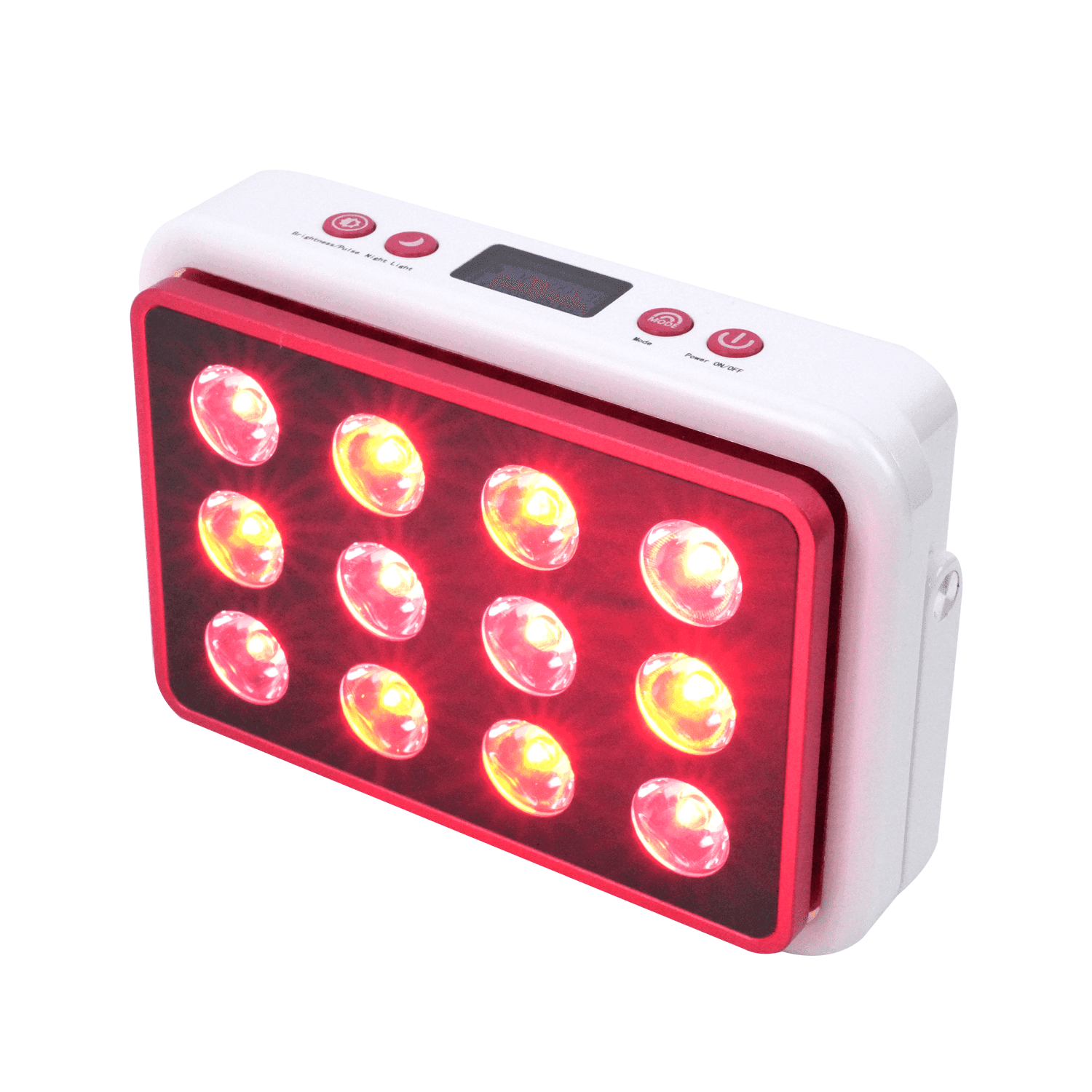
Using Mito Red Light therapy devices can be highly beneficial for pets (especially dogs), as red and near‑infrared wavelengths can penetrate into the skin, muscles, tendons, ligaments, and superficial bone to support the body’s own healing processes. Veterinary practices and pet owners have already used red and near‑infrared light to help manage a variety of conditions in dogs, cats, horses, and other species. [web:132][web:126][web:133]
Red Light Therapy Uses for Pets
It is important to acknowledge that red light therapy is not a cure‑all for pet conditions. However, it may be a useful adjunctive treatment for issues such as:
- Cuts and wounds
- Infections (as part of a veterinary plan)
- Inflammation
- Joint pain
- Ligament and tendon injuries
- Muscle regeneration and recovery
- General pain and soreness
- Osteoarthritis and mobility issues
- Salivary gland problems (under veterinary supervision)
- Sore muscles
- Strains and sprains
Animals with more significant or chronic medical conditions can sometimes use Mito Red Light LED therapy devices alongside conventional veterinary treatment. However, certain medications, including some antihistamines and other drugs, may increase sensitivity to light. Always consult your veterinarian before trying red light therapy if your pet is on medication or has a complex medical history. [web:132][web:138]
Frequent and consistent use of red light therapy may also have preventive or wellness‑supportive benefits. Red and near‑infrared wavelengths are used to help keep muscles, joints, and tissues functioning well by modulating inflammation and supporting cell regeneration.
How Red Light Therapy Works for Pets
Red light therapy for dogs and other animals works similarly to how it affects people. Nearly all forms of life studied so far appear to benefit from exposure to carefully dosed red and near‑infrared light when it is administered in a controlled, thoughtful manner over time. [web:126][web:128]
Red and near‑infrared wavelengths in roughly the 600–1000 nanometer range interact with cellular mitochondria, helping increase cellular energy (ATP) production. This occurs because the light is absorbed by cytochrome c oxidase (CcO), a key mitochondrial enzyme involved in the respiratory chain. Nearly all mammalian species studied possess this protein, which is why the same mechanism is relevant in both humans and animals. [web:126][web:132]
When cells have more usable energy, they can generally perform their roles more efficiently and effectively. As a result, the bodies of pets and humans alike may experience improved healing, recovery, mobility, and general comfort.
Case Studies on Red Light Therapy for Animals
There is a growing body of research supporting the use of red and near‑infrared light in veterinary and preclinical settings.
Many early studies used rodent models, but more recent work has focused on common companion animals and livestock, including dogs, cats, horses, pigs, cows, birds, and fish. These studies explore outcomes such as wound healing, pain, inflammation, and performance. [web:126][web:127]
- Red Light Therapy for Dogs and Cats
A 2017 study examined short‑ and long‑term outcomes in dogs undergoing bone surgery. The researchers divided the dogs into two groups: one received red light treatment before surgery, and the other received sham treatment. Eight weeks later, a higher percentage of the dogs that received red light therapy showed satisfactory bone healing compared with controls. Earlier work from 2000 also suggested that near‑infrared wavelengths support bone healing in dogs. [web:126]
Red light therapy has also been explored as an adjunct in dogs with intervertebral disc disease (slipped discs). In some reports, dogs that received postoperative light therapy for several days stood and walked sooner than those that did not receive similar treatment, although larger controlled trials are still needed.
Skin and paw issues are another emerging area. A 2016 study on dogs with pododermatitis (a condition that presents as inflamed, swollen lesions on the paws) reported that those receiving red light therapy experienced a reduction or complete disappearance of lesions after about 65 days. [web:126]
- Red Light Therapy for Horses
A 2020 study on competitive horses found that low‑level laser therapy (a form of photobiomodulation) significantly reduced chronic back pain, muscle hypertonicity, and trunk stiffness. Many of the 61 horses involved had failed to improve with other treatments, but after a series of sessions, most returned to training and competition within about three months. [web:134]
Another study reported that horses with soft‑tissue injuries healed faster when treated with a light therapy device around 635nm. After roughly 80 days, the horses treated with light therapy had fully healed, while those in the control group were still recovering. The researchers concluded that photobiomodulation helped minimize inflammation, promote tissue regeneration, and reduce pain. [web:126]
A Word of Advice Before You Try Red Light Therapy for Animals
Mito Red Light strongly encourages checking in with your veterinarian before using red light therapy on animals. While the decision is ultimately yours, it is essential to consult a medical professional to ensure the health and safety of your pets, especially if they have existing diagnoses, are on medication, or have a history of light sensitivity. [web:132][web:138]
Once you receive the green light, your next move is to choose an appropriate red light therapy device for your animals. Mito Red Light offers an extensive selection of high‑quality LED red and near‑infrared devices safe for use around pets when operated according to instructions. For guidance on which device may be right for your household or barn, you can reach the team at info@mitoredlight.com.
Click to learn more about potential red light therapy benefits.
If you work with horses, you can also explore our dedicated equine line at Mito Red Equine. [web:131]
Frequently Asked Questions
Is red light therapy safe for pets?
When used properly, red and near‑infrared light therapy appears generally safe for most pets and has been used in veterinary settings for more than a decade. However, dosing, device quality, and your pet’s specific medical history matter, so it should complement—not replace—your veterinarian’s care and guidance. [web:132][web:138]
What kinds of pet conditions can red light therapy help with?
Studies and clinical reports suggest that photobiomodulation may support healing and comfort in conditions such as joint pain and osteoarthritis, soft‑tissue injuries, post‑surgical recovery, certain skin issues, and general soreness or inflammation. Results vary by condition and individual animal, and high‑quality veterinary care is still essential. [web:126][web:127][web:132]
How does red light therapy work in animals at the cellular level?
Red and near‑infrared wavelengths are absorbed by mitochondrial chromophores such as cytochrome c oxidase. This interaction can increase ATP production and modulate oxidative stress and inflammation, supporting tissue repair and normal function in many of the same ways seen in human photobiomodulation research. [web:126][web:128]
Do I need a special device for my pet, or can I share my human panel?
Many high‑quality human panels can also be used for pets, provided sessions are supervised, distances are adjusted, and your animal is comfortable with the light. However, pet‑specific devices—like pads or mats designed for dogs or equine blankets for horses—can make positioning easier and help deliver light to the right areas more consistently. [web:137][web:132]
Should I talk to my veterinarian before starting red light therapy for my pet?
Yes. A veterinarian who knows your animal’s history can help assess whether red light therapy is appropriate, how it should fit alongside medications or other treatments, and whether any conditions (such as photosensitizing drugs or eye disease) call for extra caution. Starting with professional input is the safest way to incorporate photobiomodulation into your pet’s care. [web:132][web:138]
This article discusses published scientific research and general educational information about photobiomodulation and red light therapy. It does not constitute medical advice and does not make specific claims about Mito Red Light devices. The research cited reflects independent peer-reviewed studies and does not imply that any Mito Red Light product has been evaluated, approved, or cleared by the FDA or any other regulatory body for the diagnosis, treatment, cure, or prevention of any disease or medical condition. Individual results vary. Consult a qualified healthcare professional before beginning any light therapy protocol, particularly if you have a pre-existing medical condition, are pregnant, or are taking photosensitising medications.
Mito Red Light products are general wellness devices. They are not medical devices and have not been evaluated, cleared, or approved by the FDA or any regulatory body for the diagnosis, treatment, cure, or prevention of any disease or medical condition. Any references to peer-reviewed research or clinical studies on this page describe findings from independent scientific literature and do not imply that Mito Red Light devices have been studied, tested, or proven effective for any specific condition. Always consult a qualified healthcare provider before beginning any new wellness routine, particularly if you have a medical condition or are taking medication.
Related articles
More from the pets & animals knowledge cluster