





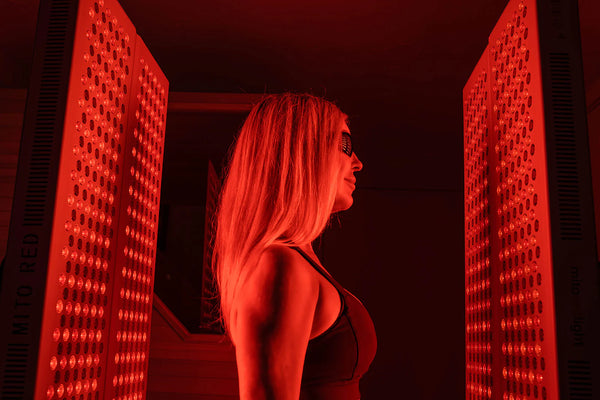
Panel Series
Red and blue light therapies are sometimes grouped together under LED phototherapy, but they operate through fundamentally different biological mechanisms addressing distinct clinical targets. Red and near-infrared wavelengths work through photobiomodulation — stimulating mitochondrial cytochrome c oxidase to enhance cellular energy production — while blue light acts photochemically, activating porphyrins and flavins to generate localized reactive oxygen species. Understanding these mechanistic differences clarifies which modality is appropriate for which condition, and when combining them offers genuinely additive benefit.
Red Light vs. Blue Light Therapy: What’s the Difference?
LED light therapy has moved from clinical offices into at-home devices, but not all light colors do the same thing. Red and blue light therapy use different wavelengths, penetrate to different depths, and target different skin concerns.[web:142][web:144][web:146][web:147] Understanding the difference helps you choose the right tool for goals like anti-aging, redness, or acne support.
In this guide, we will compare red and blue light therapy side by side, explain how each one works, and outline when it may make sense to use one or both. We will also show where full-body and panel-based systems from Mito Red Light typically fit into a broader routine.

Quick Comparison: Red vs. Blue Light Therapy
| Feature | Red Light Therapy | Blue Light Therapy |
|---|---|---|
| Typical wavelength range | Red 620–700 nm, often combined with near-infrared 700–850 nm[web:142][web:144][web:147] | Blue 400–500 nm, often around 405–420 nm in skin treatments[web:142][web:144][web:146][web:147] |
| Depth of penetration | Travels deeper into the skin and superficial tissues[web:142][web:144] | Acts primarily on the uppermost skin layers[web:142][web:144] |
| Main targets | Skin rejuvenation, inflammation, healing, collagen support[web:144][web:146][web:147] | Acne-causing bacteria, oil control, superficial inflammation[web:141][web:144][web:146][web:147] |
| Best for | Fine lines, redness, dullness, mild scarring, tissue repair[web:141][web:144][web:146] | Mild to moderate acne and congestion-prone, oily skin[web:141][web:146][web:148] |
| How it works | Stimulates mitochondria, supports ATP production and repair processes[web:144][web:147] | Helps kill P. acnes bacteria and supports oil regulation[web:141][web:144][web:146] |
| Can they be combined? | Yes. Many protocols use both to address aging and breakouts at the same time.[web:141][web:146] | |
What Is Red Light Therapy?
Red light therapy uses wavelengths in the red and near-infrared range, most commonly between about 630 and 670 nm for red and 810 to 850 nm for near-infrared.[web:142][web:144][web:147] These wavelengths penetrate more deeply than blue light, reaching into the dermis and superficial tissues.
At these depths, red and near-infrared light interact with mitochondria, the energy centers of cells, helping support ATP production and cell metabolism.[web:144][web:147] This can translate into improvements in:
- Skin texture and tone
- Fine lines and wrinkles
- Redness and visible inflammation
- Tissue repair and recovery after procedures or minor injuries[web:141][web:144][web:146]
Because of this broader, deeper effect, red light therapy is often chosen as a foundation for skin rejuvenation, anti-inflammatory support, and whole-body applications. Full-body and larger panel systems from companies such as Mito Red Light are built around these wavelengths to support both skin and deeper tissues.
What Is Blue Light Therapy?
Blue light therapy uses shorter wavelengths in roughly the 400–500 nm range, often around 405–420 nm for dermatology applications.[web:142][web:144][web:146][web:147] This light primarily affects the uppermost layers of the skin.
Its main role in skin care is targeting acne-causing bacteria, especially Cutibacterium acnes, and supporting oil control.[web:141][web:144][web:146] By disrupting bacterial cell walls and contributing to less hospitable conditions for these microbes, blue light therapy can:
- Help reduce inflammatory acne lesions
- Support lower breakout frequency over time
- Assist with oil and congestion management, particularly in oily skin types[web:141][web:146][web:148]
Clinical work shows that both red and blue LEDs can be effective for mild to moderate acne, with some data suggesting red light may have a slightly more favorable side effect profile while blue light is strongly directional for surface bacteria.[web:148]
Key Differences Between Red and Blue Light Therapy
1. Depth of Penetration
- Red light: Travels further into the skin and superficial tissues, making it better for collagen support, redness, recovery, and deeper inflammation.[web:142][web:144][web:146]
- Blue light: Primarily affects the outermost layers of skin, which is ideal for targeting surface bacteria and oil glands.[web:142][web:144][web:146]
2. Primary Skin Concerns Addressed
- Red light therapy is best suited for: Anti-aging, fine lines, overall skin rejuvenation, redness, mild scarring, post-procedure recovery, and broader inflammation support.[web:141][web:144][web:146][web:147]
- Blue light therapy is best suited for: Mild to moderate acne, congestion, oily skin, and surface-level inflammation driven largely by bacterial overgrowth.[web:141][web:144][web:146][web:148]
3. Mechanisms of Action
- Red light: Primarily works through mitochondrial stimulation, ATP support, and modulation of inflammatory pathways that affect skin cells and surrounding tissues.[web:144][web:147]
- Blue light: Primarily acts through antimicrobial effects on P. acnes and may contribute to changes in oil production patterns.[web:141][web:144][web:146]
4. Comfort and Side Effects
Both therapies are generally well tolerated at cosmetic doses, though individual experiences can vary. Research comparing red and blue light for acne suggests similar effectiveness for inflammatory lesions, with red light sometimes reporting fewer side effects.[web:148]
When To Choose Red Light Therapy
Red light therapy is usually the better option when your main goals include:
- Softening the look of fine lines and wrinkles
- Improving overall skin texture and tone
- Calming the appearance of redness or sensitivity
- Supporting post-procedure or post-workout recovery
- Combining skin support with broader wellness or joint and muscle applications[web:141][web:144][web:146]
Larger panel systems, such as Mito Red Light panels, are designed around red and near-infrared wavelengths and can support both facial and full-body routines.
When To Choose Blue Light Therapy
Blue light therapy is usually the better fit when your primary concern is acne or surface congestion, especially:
- Mild to moderate inflammatory acne on the face or upper body
- Frequent breakouts in oily or combination skin
- Situations where you want an option that does not rely solely on topical antibacterials or strong drying agents[web:141][web:146][web:148]
Many in-office treatments combine blue light with facials, extractions, or peels for a more comprehensive plan.[web:141][web:144][web:146]
Can You Use Red and Blue Light Together?
Yes. Many dermatology practices and device manufacturers now use or recommend protocols that combine red and blue light, either in the same session or in alternating sessions. The idea is simple:
- Blue light focuses on acne-causing bacteria and oil at the surface
- Red light focuses on deeper repair, collagen support, and calming inflammation[web:141][web:144][web:146][web:147]
For people who are managing both breakouts and visible signs of aging, a combination approach can be more comprehensive than either color alone.
How Red and Blue Light Fit Into At-Home Routines
At-home LED masks and devices often combine multiple colors but vary widely in power and quality. When you are building a routine, it can help to:
- Clarify your main goal first (anti-aging, acne, redness, or broader wellness)
- Choose red-dominant or near-infrared devices for deeper, more global skin and body benefits
- Use blue light more specifically for acne-prone areas if breakouts are a priority
- Keep expectations realistic and focus on consistent use several times per week rather than sporadic sessions[web:141][web:144][web:146]
If you want a deeper dive into how red and near-infrared light are used in full-body contexts, explore the main Mito Red Light site and product collection.
Frequently Asked Questions
Is red light or blue light better for anti-aging?
Red light is generally better for anti-aging because it penetrates more deeply into the skin, where it can support fibroblast activity, collagen production and overall skin rejuvenation. Blue light is not typically used as a primary anti-aging tool; it is mainly aimed at acne and surface-level concerns.[web:141][web:144][web:146][web:147]
Which is better for acne, red or blue light?
Blue light directly targets acne-causing bacteria and helps support oil control, so it is often the first choice for mild to moderate acne.[web:141][web:144][web:146][web:148] Red light can also help by calming inflammation and supporting healing, and some research suggests that using both may offer the most balanced support for inflammatory lesions.[web:148]
Can I use red and blue light therapy on the same day?
Many protocols use red and blue light in the same session or in close sequence, especially in professional settings. As long as you follow manufacturer guidance and your skin tolerates it well, using both colors together is common, particularly for people with combined acne and aging concerns.[web:141][web:144][web:146][web:147]
Is blue light therapy safe for all skin types?
Blue light therapy is generally considered safe when used correctly, but people with photosensitive conditions, those on photosensitizing medications, or those with certain eye conditions should consult a medical professional before starting treatments. Short, controlled exposures in dermatology protocols differ from chronic, unfiltered blue light from screens.[web:109][web:111][web:112][web:118][web:120]
Should I choose a red light panel or a multi-color LED mask?
If your priority is comprehensive skin and whole-body support, a red and near-infrared panel can be more versatile and powerful. If your goals are primarily cosmetic and focused on the face, a high-quality multi-color LED mask may be convenient for combining red and blue treatments in the same device. The best choice depends on your budget, time, and whether you want broader wellness benefits in addition to skin support.[web:142][web:144][web:146][web:147]
References
- Cleveland Clinic. “LED Light Therapy: How It Works, Colors, Benefits & Risks.” https://my.clevelandclinic.org/health/treatments/22146-led-light-therapy [web:142]
- Skin Care Institute. “Red or blue light therapy: best choice for skin needs.” https://skincareinstitute.net/red-light-vs-blue-light-therapy-which-is-best-for-your-skin-concerns/ [web:141]
- Skincare Institute. “Red versus blue light therapy: best for your skin?” https://skincareinstitute.net/red-light-vs-blue-light-therapy/ [web:146]
- Reenergized. “Red Light vs Blue Light Therapy: Differences and Who Should Use Which.” https://reenergized.com/red-light-vs-blue-light-therapies/ [web:144]
- DP Derm. “Red Light Therapy vs. Blue Light Therapy: Which Should You Use for Anti-Aging and Prejuvenation?” https://dpderm.com/blogs/news/red-light-therapy-vs-blue-light-therapy-which-should-you-use-for-anti-aging-and-prejuvenation [web:147]
- PubMed. “Comparison of red light and blue light therapies for mild-to-moderate acne vulgaris.” https://pubmed.ncbi.nlm.nih.gov/34981580/ [web:148]
- Rehabmart. “How to Choose Between the Types of LED Light Therapy Colors.” https://www.rehabmart.com/post/how-to-choose-between-the-types-of-led-light-therapy-colors [web:149]
This article discusses published scientific research and general educational information about photobiomodulation and red light therapy. It does not constitute medical advice and does not make specific claims about Mito Red Light devices. The research cited reflects independent peer-reviewed studies and does not imply that any Mito Red Light product has been evaluated, approved, or cleared by the FDA or any other regulatory body for the diagnosis, treatment, cure, or prevention of any disease or medical condition. Individual results vary. Consult a qualified healthcare professional before beginning any light therapy protocol, particularly if you have a pre-existing medical condition, are pregnant, or are taking photosensitising medications.
Mito Red Light products are general wellness devices. They are not medical devices and have not been evaluated, cleared, or approved by the FDA or any regulatory body for the diagnosis, treatment, cure, or prevention of any disease or medical condition. Any references to peer-reviewed research or clinical studies on this page describe findings from independent scientific literature and do not imply that Mito Red Light devices have been studied, tested, or proven effective for any specific condition. Always consult a qualified healthcare provider before beginning any new wellness routine, particularly if you have a medical condition or are taking medication.
Related articles
More from the red light therapy knowledge cluster