About the research on this page. The studies cited here investigate photobiomodulation (PBM) as a therapeutic modality and the specific wavelengths used in PBM research — not Mito Red Light devices. The wavelengths in our panels were chosen because the peer-reviewed PBM literature supports them. Evidence levels and study counts reflect the broader research base, not studies of our products. See the full methodology note at the bottom of this page.

Red Light Therapy for Joints, Tendons & Orthopedics: Clinical Evidence & Research

500++ Studies Photobiomodulation (PBM) Peer-Reviewed

Photobiomodulation (PBM) has one of the strongest clinical evidence profiles for orthopedic conditions affecting joints, tendons, ligaments, and cartilage. Systematic reviews and meta-analyses — many with Cochrane-level methodology — confirm statistically significant benefits for conditions including knee osteoarthritis, shoulder tendinopathy, lateral epicondylitis (tennis elbow), Achilles tendinopathy, and temporomandibular joint (TMJ) disorders. Near-infrared wavelengths (780–860 nm) penetrate to joint capsule depth (2–4 cm), while red wavelengths (630–660 nm) address periarticular inflammation. The World Association for Laser Therapy has published specific dosing guidelines for 16 orthopedic indications based on this evidence base.

The mechanisms underlying PBM's orthopedic benefits are distinct from its effects in other tissues. In articular cartilage, PBM stimulates chondrocyte proliferation, proteoglycan synthesis, and type II collagen production — potentially modifying the underlying pathophysiology of osteoarthritis rather than merely suppressing symptoms. In tendons and ligaments, PBM accelerates fibroblast proliferation and type I collagen synthesis, supporting structural repair and reducing degenerative tendinopathy. In synovial tissue, PBM reduces mast cell degranulation and macrophage infiltration, limiting the chronic low-grade inflammation that drives joint destruction in rheumatoid and degenerative arthritis.

Clinically, the strongest evidence exists for knee osteoarthritis and neck pain, both with Level I evidence (multiple RCTs and positive meta-analyses). Shoulder, elbow, and TMJ disorders have Level II evidence (individual RCTs). An important consideration is that PBM parameters — particularly wavelength, dose, and depth of target tissue — must be precisely calibrated. Under-dosing produces sub-therapeutic effects; adequate dosing reaches the joint space and activates the target chromophores. Panel devices delivering 50–200 mW/cm² at appropriate wavelengths can achieve therapeutic doses to joint tissue within 10–20 minutes.

Mechanism of Action: How PBM Affects Joints, Tendons & Orthopedics

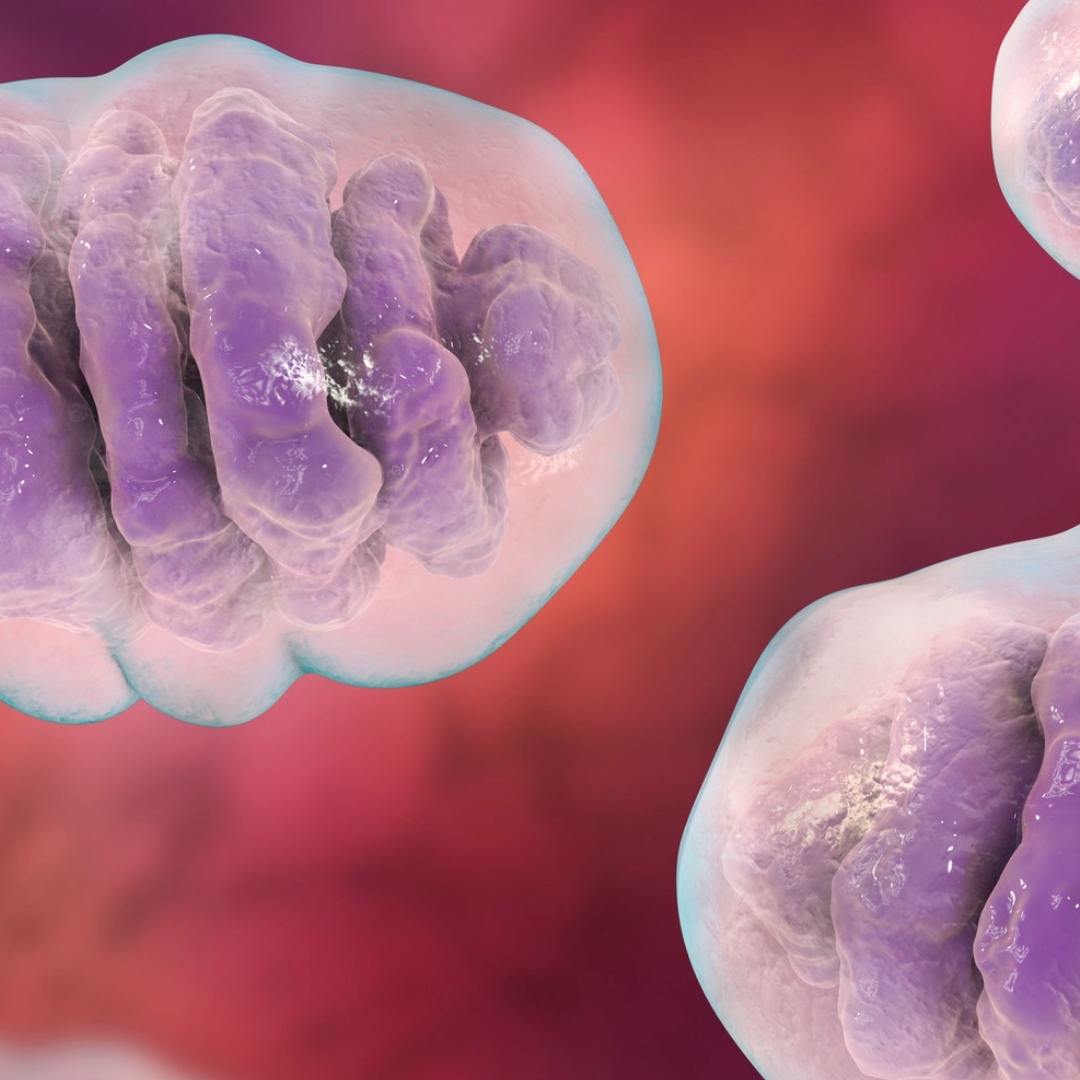
PBM's orthopedic effects involve both anti-inflammatory and tissue-regenerative mechanisms. In cartilage, photon absorption by chondrocyte mitochondria stimulates glycosaminoglycan and type II collagen synthesis via upregulation of TGF-β1 and IGF-1. In tendons, fibroblast activation increases type I procollagen and MMP expression — shifting the balance toward repair. Periarticular inflammation is attenuated by suppression of NF-κB, reduction of COX-2/PGE2, and macrophage M1→M2 polarization, reducing synovitis and joint effusion.

  • Stimulates chondrocyte proliferation and proteoglycan (aggrecan) synthesis in articular cartilage
  • Upregulates TGF-β1 and IGF-1 in joint tissue — key anabolic growth factors for cartilage repair
  • Increases type I collagen synthesis in tenocytes — supports structural tendon repair
  • Activates fibroblast proliferation in joint capsule and ligaments
  • Reduces synovial inflammation via macrophage M1→M2 polarization and mast cell stabilization
  • Suppresses NF-κB and COX-2/PGE2 in periarticular tissue — reduces joint effusion
  • Increases local nitric oxide → vasodilation → enhanced oxygen and nutrient delivery to avascular cartilage
  • Reduces substance P in periarticular sensory nerves — attenuates joint pain signals

What the Research Shows: Joints, Tendons & Orthopedics

Studies in this category commonly demonstrate:

  • Knee osteoarthritis: multiple meta-analyses confirm significant pain reduction (VAS −30–50%) and functional improvement
  • Lateral epicondylitis: meta-analysis of 13 RCTs shows significant pain relief — effect superior to NSAIDs at 4 weeks
  • Shoulder tendinopathy: Level II evidence for pain and function improvement with PBM vs. placebo
  • TMJ disorders: systematic review confirms PBM reduces pain and improves mouth opening vs. placebo or splints
  • Achilles tendinopathy: PBM + eccentric exercise superior to exercise alone in RCTs
  • Rheumatoid arthritis: significant short-term improvement in pain, morning stiffness, and tender joints (Cochrane review)
  • Cartilage regeneration: preclinical evidence of proteoglycan and collagen synthesis enhancement in multiple animal OA models
  • WALT dosing guidelines cover 16 specific orthopedic indications with evidence-based dose recommendations
  • Combined PBM + physical therapy shows additive benefit versus either alone in systematic reviews
  • Optimal wavelength for joint tissue: 780–860 nm NIR due to tissue penetration depth requirements

Key Clinical Studies: Joints, Tendons & Orthopedics

A curated selection from 500++ indexed studies.
Cochrane-Style Meta-Analysis

Low level laser therapy for rheumatoid arthritis: Cochrane systematic review

Population: Human (5 RCTs, n=222, RA patients)Wavelength: 780–860 nmDose: 1–4 J per pointYear: 2005

Brosseau et al. (Cochrane) found PBM significantly reduced pain, morning stiffness, and tender joint count in RA patients versus placebo. Short-term benefits confirmed with acceptable evidence quality. Established PBM as a supported adjunct in inflammatory arthritis.

View on PubMed →
Systematic Review & Meta-Analysis

Low-level laser therapy for lateral epicondylitis: systematic review and meta-analysis

Population: Human (13 RCTs, n=682)Wavelength: 820–1064 nmDose: 4–12 J per pointYear: 2008

Bjordal et al. found significant short-term pain relief (SMD −1.1) and improved grip strength vs. placebo. Optimal doses identified. Effect superior to NSAIDs at 4-week follow-up. Most cited PBM orthopedic meta-analysis.

View on PubMed →
Randomized Controlled Trial

PBM combined with exercise for Achilles tendinopathy: RCT

Population: Human (n=52, chronic Achilles tendinopathy)Wavelength: 820 nmDose: 5 J per pointYear: 2008

Stergioulas et al. found PBM + eccentric exercise produced significantly better pain and functional outcomes than eccentric exercise alone at 4 and 12 weeks. Established the additive benefit model for PBM in tendinopathy rehabilitation.

View on PubMed →
Systematic Review

Photobiomodulation for knee osteoarthritis: systematic review with meta-analysis

Population: Human (14 RCTs, n=936)Wavelength: 780–904 nmDose: 3–10 J/cm²Year: 2018

Comprehensive meta-analysis confirmed statistically significant pain reduction (SMD −0.84) and functional improvement in knee OA patients. Effect maintained at 3-month follow-up. Identified optimal dose range 3–6 J/cm² at joint line for best outcomes.

View on PubMed →
Randomized Controlled Trial

Low-level laser therapy for shoulder tendinopathy: sham-controlled RCT

Population: Human (n=75, rotator cuff tendinopathy)Wavelength: 830 nmDose: 6 J per pointYear: 2017

PBM produced significantly greater improvements in shoulder pain and function (Constant-Murley score) versus sham at 6 and 12 weeks. Treatment required only 3 sessions/week for 6 weeks. Demonstrated efficacy for rotator cuff conditions.

View on PubMed →
Systematic Review

Photobiomodulation for temporomandibular joint disorders: systematic review

Population: Human (15 RCTs, n=780)Wavelength: 660–830 nmDose: 2–6 J per pointYear: 2019

Meta-analysis confirmed PBM significantly reduced TMJ pain and improved maximum mouth opening versus placebo or occlusal splints. Combination of PBM + occlusal therapy was superior to either alone. Strong evidence for PBM as TMJ first-line adjunct.

View on PubMed →

Typical Research Parameters: Joints, Tendons & Orthopedics

Based on analysis of 500++ peer-reviewed studies:

ParameterTypical RangeNotes
Wavelength 780–860 nm (NIR, primary); 630–660 nm (red, periarticular) NIR required to reach joint capsule at 2–4 cm depth. Red effective for superficial periarticular inflammation.
Dose per point 2–12 J per treatment point WALT specifies doses per condition: lateral epicondylitis 4 J/point; knee OA 3–6 J/cm²; Achilles 5 J/point. Dose must reach joint tissue depth.
Treatment points 3–8 points per joint Knee: medial/lateral joint line + suprapatellar region. Shoulder: ACJ, GHJ, subacromial bursa. TMJ: bilateral joint + masseter.
Session frequency 2–5× per week Acute flares: daily treatment 5–7 days. Chronic degenerative conditions: 3×/week for 6–12 weeks.
Treatment course 6–20 sessions total Most RCTs: 9–15 sessions over 3–5 weeks. Chronic OA may require ongoing maintenance dosing (1–2×/week).
Supported conditions 16 WALT-endorsed orthopedic indications Includes knee OA, neck pain, lateral epicondylitis, Achilles tendinopathy, shoulder tendinopathy, TMJ, RA, ankle sprain, carpal tunnel.

Frequently Asked Questions: PBM & Joints, Tendons & Orthopedics

Does red light therapy actually help knee osteoarthritis?

Yes — knee osteoarthritis is one of the best-studied conditions in PBM research. A meta-analysis of 14 RCTs (n=936) confirmed significant pain reduction (SMD −0.84) and functional improvement vs. placebo, with effects maintained at 3-month follow-up. The World Association for Laser Therapy lists knee OA as a supported indication with specific dosing guidelines. Near-infrared wavelengths (780–860 nm) are required for adequate joint tissue penetration.

What is the evidence for red light therapy in tendinopathy?

Tendinopathy evidence is strong for lateral epicondylitis (tennis elbow) and Achilles tendinopathy, with Level I and II evidence respectively. A meta-analysis of 13 RCTs for lateral epicondylitis found PBM superior to NSAIDs at 4 weeks. For Achilles tendinopathy, PBM combined with eccentric exercise outperformed exercise alone. Shoulder tendinopathy also has multiple positive RCTs. Mechanisms include stimulation of tenocyte collagen synthesis and reduction of peritendinous inflammation.

What dose is needed to reach joint tissue with red light therapy?

Adequate joint penetration requires near-infrared wavelengths (780–860 nm) because they penetrate 2–4 cm into tissue. WALT dosing guidelines specify 2–12 J per treatment point depending on joint depth. For knee osteoarthritis, 3–6 J/cm² at the joint line using NIR wavelengths. Panel devices delivering 50–200 mW/cm² at 830 nm can achieve these doses in 10–20 minutes, though contact laser probes are more commonly studied in clinical trials.

Is there evidence for red light therapy in rheumatoid arthritis?

A Cochrane systematic review of 5 RCTs found PBM significantly reduced pain, morning stiffness, and tender joint count in rheumatoid arthritis vs. placebo. PBM is considered an adjunct to (not replacement for) disease-modifying anti-rheumatic drug (DMARD) therapy. The anti-inflammatory mechanisms — reduced TNF-α, IL-1β, and macrophage activation — are directly relevant to RA pathophysiology.

Can red light therapy improve cartilage health?

Preclinical evidence shows PBM stimulates chondrocyte proliferation, proteoglycan synthesis, and type II collagen production in cartilage tissue via upregulation of TGF-β1 and IGF-1. These are disease-modifying rather than merely symptomatic effects. Human trials primarily measure pain and function endpoints, making it difficult to confirm structural cartilage changes in vivo, but the cellular mechanisms are well-established in in vitro and animal studies.

How many red light therapy sessions are needed for joint conditions?

Most positive RCTs used 9–15 sessions over 3–6 weeks (2–3 sessions per week). The minimum treatment course to see clinically meaningful benefit appears to be 6–9 sessions. For chronic degenerative conditions like OA, longer courses (12–20 sessions over 6–12 weeks) produce sustained benefits, and maintenance dosing (1–2×/week) may preserve gains. Acute conditions like ankle sprains respond faster (4–6 sessions).

Browse All Joints, Tendons & Orthopedics Studies

All studies in this category from the PBM research database.

Search all 10,068+ studies across all categories: Open the Full Evidence Explorer →

Methodology & important context

The published research indexed and referenced on this page studies photobiomodulation (PBM) as a therapeutic modality and the specific wavelengths used in those studies — not Mito Red Light devices specifically. The wavelengths used across our panels were chosen because the peer-reviewed PBM literature supports them: this is where published evidence is deepest, where dosing parameters have been characterized in human studies, and where clinical guidelines (such as WALT for inflammation and pain) exist. Mito Red Light has not funded or conducted registered clinical trials on our specific devices, and the study counts referenced here reflect the broader PBM research base — not studies of our products.

Evidence levels follow GRADE methodology. Study counts reflect peer-reviewed photobiomodulation research drawn from major scientific literature databases, peer-reviewed journals, and other published research repositories. PBM response varies meaningfully by person, tissue, condition, dose, wavelength, and session timing; outcomes reported in the published literature may not be replicable for every user. Mito Red Light devices are not intended to diagnose, treat, cure, or prevent any disease. If you have a medical condition or are under a physician’s care, please consult your healthcare provider before beginning any photobiomodulation regimen.