











Panel Series
There is a hypothesis in photobiology that sounds almost too elegant to be true: that the red and near-infrared (NIR) wavelengths abundant in early morning sunlight may prime the skin's cellular defenses against the ultraviolet radiation that peaks several hours later at mid-day.
This is not a marketing concept. It appears in peer-reviewed literature, including a 2016 review co-authored by Michael R. Hamblin, PhD, of Harvard Medical School and Massachusetts General Hospital - one of the most cited researchers in photobiomodulation science - alongside dermatologist Daniel Barolet, MD, of McGill University. Their review, "Infrared and Skin: Friend or Foe," published in the Journal of Photochemistry and Photobiology B, concludes that near-infrared radiation at physiologically realistic intensities "might even precondition the skin - a process called photoprevention - from an evolutionary standpoint, since exposure to early morning IR-A wavelengths in sunlight may ready the skin for the coming mid-day deleterious UVR" [Barolet, Christiaens & Hamblin 2016, PMID 26745730].
A 2023 independent review from dermatologists at the University of California Irvine and Henry Ford Health, published in Photodermatology, Photoimmunology & Photomedicine, reached similar conclusions: "IR may have some photoprotective properties against the carcinogenic effects of UVR" and specifically noted that IR "has been used with encouraging results in skin rejuvenation, wound healing, and hair restoration when given at an appropriate therapeutic dose" [Horton et al. 2023, PMID 37431693]. A 2025 review in Photochemistry and Photobiology from researchers at the Universidad de Buenos Aires further confirmed that visible light and infrared radiation "modulate inflammatory mediators, such as several cytokines and prostaglandins" and activate wound-healing responses in skin cells — independently of UV — adding to a growing body of evidence that the non-UV portions of sunlight have their own biologically active role [Garimano et al. 2025, PMID 40376965]. For the full background, read Red Light Therapy for Skin.
This article unpacks that hypothesis: the evolutionary logic behind it, the cellular mechanisms proposed to explain it, and the human and animal data that makes it scientifically credible. It is not a claim that red or NIR light replaces sunscreen or eliminates UV risk. It is an examination of an emerging area of photobiology with real implications for how we think about the relationship between wavelength, time of day, and skin resilience.
Quick summary
- Morning sunlight is rich in red and near-infrared (NIR) wavelengths and low in UV - this ratio flips by mid-day
- Research suggests red/NIR light may prime skin cells to better handle the UV that follows hours later - a process researchers call photoprevention
- A controlled human trial found 660nm LED pre-treatment reduced UVB-induced sunburn in 85% of subjects - with protection comparable to SPF-15
- A 2024 clinical case study showed prophylactic 630nm PBM before CO2 laser resurfacing significantly reduced postinflammatory hyperpigmentation - direct evidence of the preconditioning concept in a clinical setting
- Animal studies using 940nm NIR showed similar protection with measurable molecular changes: more collagen, less MMP-1, less oxidative stress
- Two distinct cellular mechanisms have been identified: NF-κB activation via mitochondrial CCO, and Nrf2 pathway activation in keratinocytes - both upregulate the skin's own stress-defense machinery
- Intensity matters: solar-range irradiance (~30–40 mW/cm²) is the beneficial window; over-powered could be counterproductive
- This does not replace sunscreen - it's an emerging area of photobiology, not a clinical protocol
For a grounding in how red and near-infrared wavelengths interact with cells at the mitochondrial level, see our full explanation of how photobiomodulation works at the cellular level. For a broader overview of what the clinical research shows, see what red light therapy is and what the research shows.
What the Solar Spectrum Actually Shows - and Why the Morning Window Matters
Sunlight is not a single thing. It is a spectrum, and its composition shifts measurably depending on time of day.
According to the Barolet-Hamblin review, the solar spectrum reaching Earth is approximately 6.8% ultraviolet, 38.9% visible, and 54.3% near-infrared radiation. UV radiation - responsible for sunburn, DNA damage, and photoaging - represents a small fraction of total solar output but carries high photon energy due to its short wavelengths (280–400nm). UV intensity peaks sharply around solar noon and is substantially lower in the early morning and late afternoon.
Near-infrared and red wavelengths (roughly 630–1400nm), by contrast, arrive across a wider time window. In the early morning, the ratio of UV to IR-A is disproportionately low - morning sunlight is relatively richer in the longer, lower-energy wavelengths and relatively poorer in the damaging short ones. Figure 6 of the Hamblin-Barolet review (PMC4745411) illustrates this directly: a diagram of solar irradiance across wavelengths at different times of day shows the UV-to-IR-A ratio is lowest in the morning and late afternoon, and highest at solar noon. The window of relatively safe, NIR-rich light brackets the most dangerous UV window on both sides.

The authors observe that "cooler morning temperatures combined with the proportionally lower UV/IR-A ratio provide the ideal conditions to trigger IR-A beneficial effects without skin hyperthermia before potential UV insults." The same applies in reverse late in the afternoon: red and NIR again dominate relative to UV, potentially supporting tissue repair after any mid-day UV exposure that occurred. See also Skincare Before or After Red Light Therapy?
From an evolutionary standpoint, this sequencing is not incidental. Our ancestors lived outdoors. Their skin was exposed to morning red and NIR light routinely, hours before peak UV arrived. The preconditioning hypothesis proposes that this sequential exposure pattern — red/NIR first, UV later — was biologically meaningful, and that modern indoor living has broken that sequence entirely.
"Cytochrome c oxidase in the mitochondrial electron transport chain responds directly to specific red and near-infrared wavelengths — this isn't a generalized heat response, it's a photochemical signal. When we talk about the skin being 'preconditioned' by morning light, we're really asking whether that mitochondrial activation can upregulate the cell's own antioxidant and repair machinery before a UV insult arrives. The evolutionary logic is compelling: the sun has always delivered red and NIR before it delivers peak UV. Our cells may have evolved to use that sequence as a preparatory signal."
— Dr. Alexis Cowan, PhD, Molecular Biology (Princeton University), Scientific Advisor, Mito Red Light
Human Study: Red Light Before UV Exposure Reduced Sunburn in 85% of Subjects
The most directly compelling evidence comes from a controlled human trial published in Lasers in Surgery and Medicine by Barolet & Boucher in 2008 [PMID 18306161]. The design was clean: thirteen healthy subjects plus two patients with polymorphous light eruption (PLE - a condition of abnormal UV sensitivity) received multiple LED treatments at 660nm to one thigh only. The other thigh served as an untreated control. Both thighs then received identical doses of UVB radiation.
The outcome: a significant reduction in UVB-induced erythema was observed in at least one exposure occasion in 85% of subjects on the LED pre-treated side. The researchers described the magnitude of protection as comparable to an SPF-15 sunscreen effect - achieved not through a topical barrier, but through prior light exposure alone. The pre-treated side also showed reduced post-inflammatory hyperpigmentation. There was evidence of a dose-related pattern: more pre-treatment sessions produced stronger protection.
Figure 5 of the Hamblin-Barolet review reproduces the side-by-side erythema photographs from this study, showing treated versus untreated skin after identical UV exposure. The pre-treated thigh is visibly and measurably less red. The contrast is unambiguous. Figure 6, immediately following, shows the mechanistic explanation: the time-of-day solar spectrum diagram illustrating how morning light delivers the IR-A preconditioning window before UV intensity peaks. Together, these two figures — available at PMC4745411 — tell the full story visually: here is what the protected skin looks like, and here is why morning timing makes biological sense.

Importantly, the mechanism here is not physical blockade. The LED light used in pretreatment does not create a physical barrier between UV photons and skin cells. The protection appears to be cellular - a change in how skin cells respond to UV once it arrives, not a change in how much UV gets through. The authors proposed that the effect operates through specific cell-signaling pathways "inducing a state of natural resistance in the skin" rather than a passive barrier effect.
The patients with PLE - who represent a clinically difficult population with heightened UV reactivity - also responded to pretreatment. This suggests the preconditioning effect extends beyond baseline-normal skin resilience.
The preconditioning concept has also been translated into a clinical procedure context. A 2024 case study by Barolet AC & Barolet D, published in Photobiomodulation, Photomedicine, and Laser Surgery, reported the first use of prophylactic PBM - 630nm applied before and after CO2 laser resurfacing - to reduce postinflammatory hyperpigmentation (PIH) in a patient with periorbital syringomas [PMID 38776545]. At 12 weeks, PIH was significantly reduced on the PBM-treated side compared to the untreated contralateral side. While a single case study cannot establish efficacy, it is the first published clinical demonstration of the preconditioning principle applied prophylactically before a known inflammatory skin insult — and the wavelength (630nm) sits squarely within the photoprevention range identified in the Hamblin review.
The Animal Data: NIR Goes Further
The 2008 human trial used 660nm red light. A key question is whether near-infrared wavelengths - which penetrate deeper into tissue and interact with a wider set of cellular chromophores - produce comparable or greater preconditioning effects. The evidence here is preliminary but directionally consistent.
The Hamblin-Barolet review describes findings from a pig model in which pulsed 940nm NIR light, applied 4 or 24 hours before UVB exposure, produced significant protection against UVB-induced acute actinic damage compared to untreated controls. Quantitative PCR analysis of the treated skin showed upregulation of procollagen type I and the anti-apoptotic Bax gene, alongside downregulation of MMP-1 (the collagenase associated with UV-induced skin aging) and SOD2 (a marker of oxidative stress load). These molecular changes represent the signature of a skin that has upregulated its own defense and repair machinery in advance of a UV insult.
This pig model data was described within the 2016 Hamblin-Barolet review as preliminary findings that had not yet been published as an independent peer-reviewed paper at the time of writing. Hamblin chose to include it in a peer-reviewed review - a meaningful signal of the lab's confidence in the data. The Horton 2023 review, independently authored by UC Irvine and Henry Ford Health dermatologists, also cites this swine preconditioning finding as part of the established evidence base for IR photoprotection.
The Horton 2023 review additionally references an in vivo study of murine melanocytes in which treatment with NIR at 880nm (at 0.8 J/cm²) reduced both lipid peroxidase content and DNA damage caused by UVB compared to untreated controls. Melanocytes are the cells most directly implicated in UV-related pigmentation changes and melanoma risk - making this finding particularly relevant to the photoprotection question, though it awaits replication in human tissue.
Taken together, the animal evidence points consistently in one direction: pre-exposure to non-thermal NIR light activates molecular pathways that reduce the severity of subsequent UV damage at both the oxidative and collagen-metabolism level.
Two Distinct Mechanisms: How Red and NIR Light Prime the Skin's Defenses
Earlier research pointed to a single primary pathway. The picture now looks more complete - and more robust - with two distinct, independently verified cellular mechanisms identified.
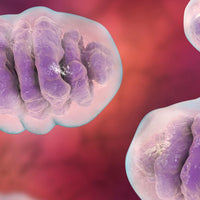
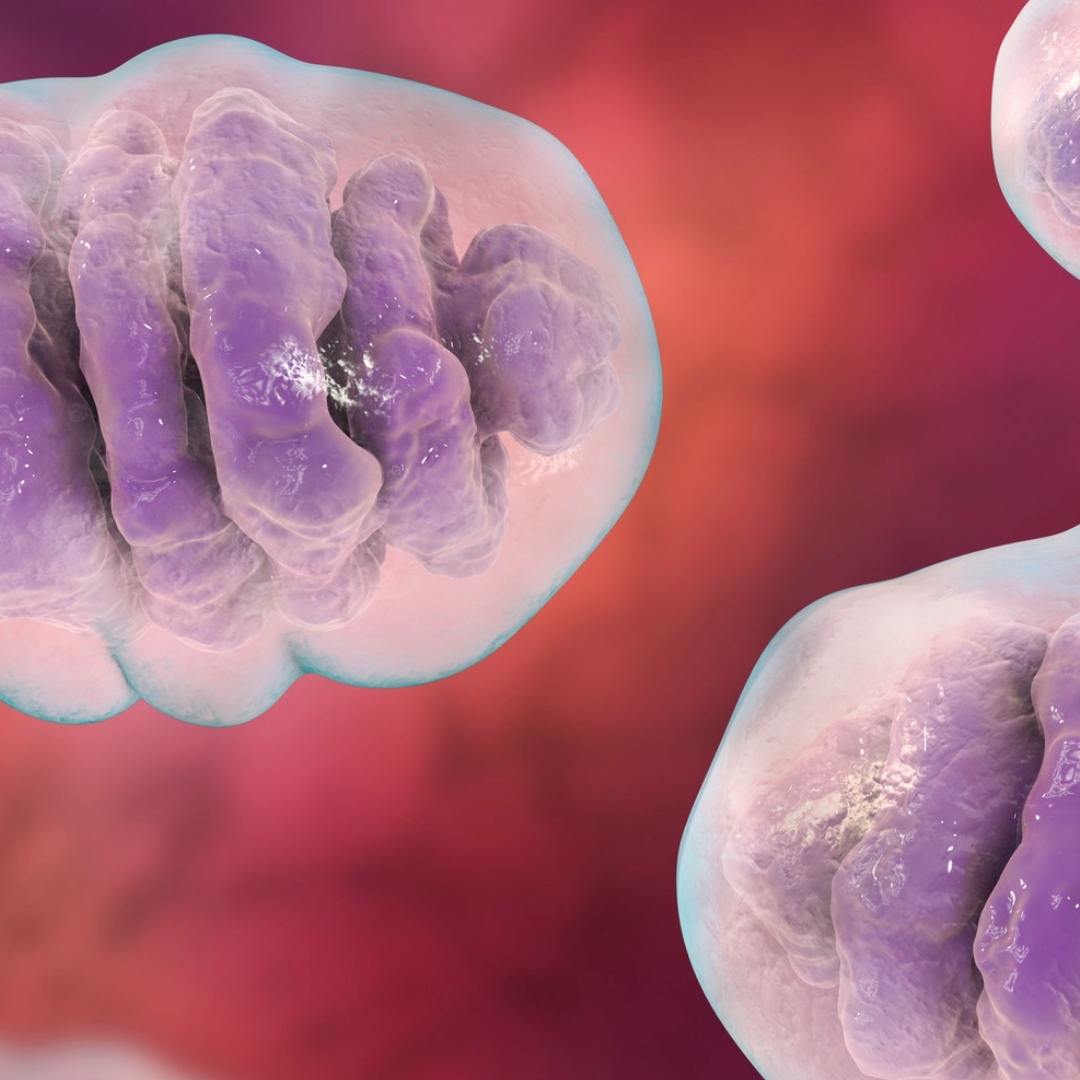
Pathway 1: NF-κB via mitochondrial CCO. The Barolet-Hamblin review proposes that NIR preconditioning operates primarily through the NF-κB (nuclear factor kappa-B) signaling pathway, initiated at the mitochondria. Red and NIR photons are absorbed by cytochrome c oxidase (CCO) — the terminal enzyme in the mitochondrial electron transport chain and the primary photoacceptor for wavelengths in the 630–850nm range. This absorption produces a transient, low-level increase in reactive oxygen species (ROS - unstable molecules that serve as cellular signaling intermediaries at low concentrations). These ROS activate IκB-kinase, which releases NF-κB from its inhibitory complex. NF-κB translocates to the nucleus and triggers expression of over 150 downstream genes - many specifically involved in cellular stress defense, anti-apoptotic signaling, and repair. The result is a cell metabolically primed for a coming challenge. The review cites in vitro evidence that this NF-κB activation via 810nm NIR - at low doses around 0.3 J/cm² - induces anti-apoptotic effects in fibroblasts, protecting against subsequent UVB-induced cell death through p53-dependent pathways.
Pathway 2: Nrf2 activation in keratinocytes. A 2023 study by Salman et al., published in Antioxidants, identified a second mechanistic route that operates in the skin's own epithelial cells [PMID 36979014]. Using primary human keratinocytes and human skin explants, researchers exposed cells to 660nm light following pro-inflammatory stress and measured the response. Both 660nm and 520nm light significantly reduced mRNA expression of inflammatory cytokines (IL-1β, IL-6, and TNF-α) while enhancing activation of the Nrf2 (nuclear factor erythroid 2-related factor 2) pathway - the master regulator of the cell's antioxidant defense system. Critically, when Nrf2 was knocked out, the anti-inflammatory effect of the light disappeared entirely, confirming that Nrf2 is not just associated with the response but is required for it. The study also showed that 660nm light prevented Langerhans cell migration from the epidermis into the dermis in inflamed human skin explants — a direct immune-modulation finding at the tissue level. This is the first study to establish that the PBM-mediated anti-inflammatory response in keratinocytes is Nrf2-dependent.
These two pathways are complementary rather than redundant. NF-κB primarily operates through mitochondria in fibroblasts and deeper tissue cells; Nrf2 primarily operates in keratinocytes — the frontline epidermal cells that take the first hit from UV exposure. Together, they suggest that red and NIR light at appropriate doses arm the skin's defensive machinery at multiple cellular levels simultaneously.
A 2023 comprehensive review of skin PBM signaling pathways by Barolet AC et al. in Photobiomodulation, Photomedicine, and Laser Surgery extends this picture further, documenting how multiple chromophore systems in the skin — beyond CCO — absorb visible and NIR photons and activate downstream cascades leading to "enhanced cell repair and survival, notably in hypoxic or stressed cells" [PMID 37074309]. The 2025 Garimano review in Photochemistry and Photobiology adds an immune-system dimension: visible light and infrared radiation modulate not only local inflammatory mediators but also adaptive immune responses, with effects that vary by wavelength and dose [PMID 40376965]. The skin, as the body's most light-exposed organ, appears to have evolved multiple overlapping photoreceptive systems that respond to the wavelengths that reach it before peak UV - and the research is now beginning to map how those systems work in concert.
For a deeper exploration of the clinical evidence supporting PBM mechanisms in the skin and anti-aging applications, Mito Red Light maintains a skin and anti-aging clinical evidence page as part of its broader Research & Evidence Hub.
Why Intensity Is the Variable Most People Miss
One of the most important - and most misunderstood — aspects of this research is that NIR at the wrong intensity does not just fail to help. At sufficiently high irradiance, it contributes to collagen degradation and MMP-1 upregulation comparable to UV damage. This is why earlier studies using high-powered artificial IR sources reported negative skin effects, creating genuine confusion in the field.
The Hamblin-Barolet review resolves this by working through the actual solar irradiance numbers. Natural sunlight delivers solar IR-A irradiance of approximately 20 mW/cm² at the skin surface, with peak values around 40 mW/cm² at solar noon in the tropics. Several studies that reported NIR-induced MMP-1 upregulation used artificial sources delivering 105–2,000 mW/cm² — 5 to 100 times above what the sun delivers. The review concludes plainly: "the artificial NIR light sources used in such studies were not representative of the solar irradiance."
The Barolet 2021 review in Current Problems in Dermatology sharpens this further, establishing that the beneficial "sweet spot" for NIR skin effects corresponds to approximately 30–40 mW/cm² — closely matching what the sun actually delivers. Below this threshold: insufficient photochemical signal. Above approximately 100 mW/cm²: tissue hyperthermia and potential MMP-1 induction. (We'd ask you to consider this when you see companies in the red light space advertise they have the "most powerful" lights on the market. More ≠ Better.) The review states directly that "it is likely that intensity is more important than the fluence (dose) delivered" - a direct challenge to the assumption that more power equals more benefit [Barolet 2021, PMID 34698043].
This is the Arndt-Schulz principle (biphasic dose response) applied to photobiology: there is a narrow physiological window where the signal is beneficial, and it corresponds precisely to the irradiance range the sun produces at its mildest - morning and late afternoon. The mid-day sun exceeds this window for UV but remains within it for NIR. The sun, in other words, has already solved the dosing problem. Morning and evening NIR sits in the beneficial range. The task is to replicate or complement that, not to exceed it.
For anyone using a home red light device as part of a morning routine, the MitoPRO X and MitoADAPT series deliver red (630–660nm) and NIR (810–850nm) simultaneously at irradiances calibrated for photobiomodulation research protocols - use at 12–18 inches for similar morning irradiance - covering both the wavelength used in the Barolet erythema reduction study and the NIR range explored in the preconditioning mechanism literature. See the full specifications for the MitoPRO X series and MitoADAPT series.
Hamblin's Conclusion - and the Shadow Rule
It is worth quoting the Hamblin-Barolet review's conclusion directly, because it is unusually declarative for a scientific review:
"Photobiomodulation exposure to visible and IR-A light which emulates the conditions of natural sunlight in wavelength, intensity, and dosage can be beneficial to the skin. Such light exposure might even pre-condition the skin, preparing it for upcoming mid-day UVR insults... One could therefore assume that early morning 'sun salutation' and late afternoon procrastination on the beach are actually natural PBM treatments to prevent and repair, respectively. Consequently, if your shadow is taller than you are (in the early morning and late afternoon) you're taking advantage of the beneficial effects of IR-A while avoiding peak harmful UVR. Ultimately, it is another way of being sun smart."

The shadow rule the authors reference is not casual poetry. It is a practical solar geometry heuristic: when your shadow is longer than your height, the sun is at a low enough angle that UV intensity is reduced while red and NIR wavelengths still reach the skin. The mid-day window - shadow shorter than height - is when UV dominates and when preconditioning from earlier exposure may matter most.
A 2018 pilot study by Barolet using 940nm PBM in a split-face melasma trial noted, as a secondary observation, that the PBM-treated side appeared to build resistance to future solar UV exposure - described as a potential secondary benefit of the treatment [Barolet 2018, PMID 29657669]. The 2021 Barolet solo review explicitly updates the earlier Hamblin co-authored conclusion: "NIR might even precondition the skin from an evolutionary standpoint as exposure to early morning NIR wavelengths in sunlight may prepare the skin for upcoming mid-day harmful UVR." This is no longer a speculative aside from a single lab - it has been independently reviewed and reaffirmed across multiple publications over nearly a decade, and the 2025 Garimano review in Photochemistry and Photobiology adds the most recent independent corroboration, confirming that VL and IR wavelengths actively modulate skin immune responses in ways that are distinct from, and complementary to, UV biology [PMID 40376965].
As a side note, our MitoADAPT 4.0 Series also contains 940nm in some of the patent-pending 11 possible modes (wavelength combinations).
What This Means in Practice - and What It Doesn't Mean
The photoprevention hypothesis is compelling. But the evidence base has limitations that are worth naming directly.
The 2008 Barolet & Boucher human trial is real, well-designed, and has been cited approvingly in independent reviews including Hamblin 2016, Horton 2023, and Garimano 2025. However, it used 660nm red light - not NIR - and involved multiple sessions of pretreatment, not a single brief morning exposure. It was conducted in a controlled clinical setting, not in free-living outdoor conditions. The NIR-specific data remains in the animal and in vitro domain. The 2024 Barolet prophylactic PBM case study is a single patient. There are no published, peer-reviewed human RCTs using NIR pretreatment before UV exposure as of the time this article was written.
What the research does not support:
- Red or NIR light as a replacement for broad-spectrum sun protection
- A specific device protocol that guarantees any measurable UV protection
- Any claim that photobiomodulation devices treat, prevent, or reduce the risk of skin cancer or UV-induced disease
What the research does suggest, taken at face value:
- That the sequential pattern of red/NIR before UV - mirroring what morning sunlight provides - has biological significance that modern indoor living removes
- That pre-treatment with red light at non-thermal irradiances activates at least two distinct cellular defense pathways (NF-κB and Nrf2) that measurably reduce UV-induced inflammatory response in human skin cells
- That NIR wavelengths produce consistent pre-UV protective effects in animal models at the molecular level, with a mechanistic explanation grounded in established mitochondrial photobiology
- That solar-mimicking irradiances (~30–40 mW/cm²) represent the appropriate target - not maximized output or "the most powerful"
- That as of 2025, at least four independent research groups across three continents have reviewed this evidence and reached broadly consistent conclusions
The full body of skin-relevant PBM research is organized by Mito Red Light at the Research & Evidence Hub. The Evidence Explorer provides searchable access to over 9,500 peer-reviewed PBM studies, including the complete Barolet-Hamblin literature that underpins this article.
Frequently Asked Questions
Does red light therapy protect against sunburn?
Preliminary research suggests pre-treating skin with red light (660nm) before UV exposure may reduce the magnitude of UVB-induced erythema. One controlled human trial reported protection comparable to SPF-15 in 85% of subjects on the pre-treated side. This is a cellular mechanism, not a physical UV barrier. Current evidence does not support using red light therapy as a substitute for sunscreen, and no protocol has been validated for general sun protection use. Consult your healthcare provider for guidance specific to your skin.
What wavelengths are involved in the skin preconditioning hypothesis?
The published human evidence uses 660nm and 630nm visible red light. The mechanistic and animal model data points toward near-infrared wavelengths — particularly 850nm, 880nm, and 940nm — as potentially effective for preconditioning. The Hamblin-Barolet review identifies effective photoprevention wavelengths as falling between approximately 630–940nm, the range that morning sunlight delivers before UV intensity peaks at mid-day.
How does timing of red light exposure relate to sun exposure?
The photoprevention hypothesis is explicitly time-dependent. The proposed mechanism mirrors morning sunlight: red and NIR wavelengths arrive first, priming cellular defenses before UV intensity peaks. In animal studies, pretreatment timing ranged from 4–24 hours before UV exposure. Optimal human timing has not been formally established in peer-reviewed trials. The "shadow rule" from the Hamblin review is a practical heuristic: red/NIR exposure during morning and late afternoon aligns with the sun's own low-UV, high-NIR window.
Is the NIR preconditioning data from humans or animals?
Both — at different wavelengths. The human erythema reduction data (Barolet & Boucher 2008) used 660nm red LEDs in a controlled clinical trial. The NIR-specific preconditioning data — showing procollagen upregulation and MMP-1 downregulation before UV exposure — comes from a pig model (940nm) and a murine melanocyte study (880nm), both cited in the peer-reviewed review literature. The pig model findings were included by Hamblin in a peer-reviewed review despite not being independently published, which reflects the lab's confidence in the data.
What are the two cellular mechanisms behind red light skin preconditioning?
Two distinct pathways have been identified. The first operates through cytochrome c oxidase (CCO) in the mitochondria, triggering NF-κB signaling that activates over 150 stress-defense and anti-apoptotic genes — primarily studied in fibroblasts. The second operates through the Nrf2 pathway in keratinocytes — the skin's frontline epithelial cells — reducing inflammatory cytokines including IL-1β, IL-6, and TNF-α. A 2023 study found that knocking out Nrf2 abolished the anti-inflammatory effect of 660nm light entirely, confirming it as a required mediator, not merely an associated one [Salman et al. 2023, PMID 36979014].
What irradiance level is relevant for potential preconditioning effects?
The Barolet 2021 review identifies the beneficial window for NIR skin effects at approximately 30–35 mW/cm², mirroring natural solar IR-A irradiance. Above approximately 100 mW/cm², thermal effects and potential MMP-1 upregulation become a concern. Most consumer PBM panels at standard treatment distances (6–12 inches) deliver irradiances within or near this range, though specifications vary. Always verify device irradiance at your intended treatment distance and consult a healthcare provider for personalized guidance.
This information is for educational purposes and is not medical advice. Consult your healthcare provider before starting any new wellness practice, especially if you have a medical condition or take medications.
References
- Barolet D, Christiaens F, Hamblin MR. (2016). "Infrared and skin: Friend or foe." Journal of Photochemistry and Photobiology B: Biology, 155, 78–85. PMID 26745730. https://doi.org/10.1016/j.jphotobiol.2015.12.014
- Barolet D, Boucher A. (2008). "LED photoprevention: reduced MED response following multiple LED exposures." Lasers in Surgery and Medicine, 40(2), 106–112. PMID 18306161. https://doi.org/10.1002/lsm.20615
- Barolet D. (2021). "Near-infrared light and skin: Why intensity matters." Current Problems in Dermatology, 55, 374–384. PMID 34698043. https://doi.org/10.1159/000517645
- Horton L, Brady J, Kincaid CM, Torres AE, Lim HW. (2023). "The effects of infrared radiation on the human skin." Photodermatology, Photoimmunology & Photomedicine, 39(6), 549–555. PMID 37431693. https://doi.org/10.1111/phpp.12899
- Salman S, Guermonprez C, Peno-Mazzarino L, et al. (2023). "Photobiomodulation controls keratinocytes inflammatory response through Nrf2 and reduces Langerhans cells activation." Antioxidants (Basel), 12(3). PMID 36979014. https://doi.org/10.3390/antiox12030766
- Barolet AC, Villarreal AM, Jfri A, Litvinov IV, Barolet D. (2023). "Low-intensity visible and near-infrared light-induced cell signaling pathways in the skin: A comprehensive review." Photobiomodulation, Photomedicine, and Laser Surgery, 41(4), 147–166. PMID 37074309. https://doi.org/10.1089/photob.2022.0127
- Barolet AC, Barolet D. (2024). "Reducing carbon dioxide laser-induced postinflammatory hyperpigmentation with prophylactic photobiomodulation: a case study." Photobiomodulation, Photomedicine, and Laser Surgery, 42(5), 339–342. PMID 38776545. https://doi.org/10.1089/photob.2023.0184
- Barolet D. (2018). "Dual effect of photobiomodulation on melasma: downregulation of hyperpigmentation and enhanced solar resistance — a pilot study." Journal of Clinical and Aesthetic Dermatology, 11(4), 28–34. PMID 29657669.
- Garimano N, Aguayo Frías T, González Maglio DH. (2025). "Beyond ultraviolet radiation: Immune system modulation through skin exposure to visible light and infrared radiation." Photochemistry and Photobiology, 101(4), 846–857. PMID 40376965. https://doi.org/10.1111/php.14117
- Kim MS, Kim YK, Cho KH, Chung JH. (2006). "Regulation of type I procollagen and MMP-1 expression after single or repeated exposure to infrared radiation in human skin." Mechanisms of Ageing and Development, 127(12), 875–882. PMID 17067654. https://doi.org/10.1016/j.mad.2006.09.007
- Buechner N, Schroeder P, Jakob S, et al. (2008). "Changes of MMP-1 and collagen type Iα1 by UVA, UVB and IRA are differentially regulated by Trx-1." Experimental Gerontology, 43(7), 633–637. PMID 18524517. https://doi.org/10.1016/j.exger.2008.04.009
Mito Red Light products are general wellness devices. They are not medical devices and have not been evaluated, cleared, or approved by the FDA or any regulatory body for the diagnosis, treatment, cure, or prevention of any disease or medical condition. Any references to peer-reviewed research or clinical studies on this page describe findings from independent scientific literature and do not imply that Mito Red Light devices have been studied, tested, or proven effective for any specific condition. Always consult a qualified healthcare provider before beginning any new wellness routine, particularly if you have a medical condition or are taking medication.