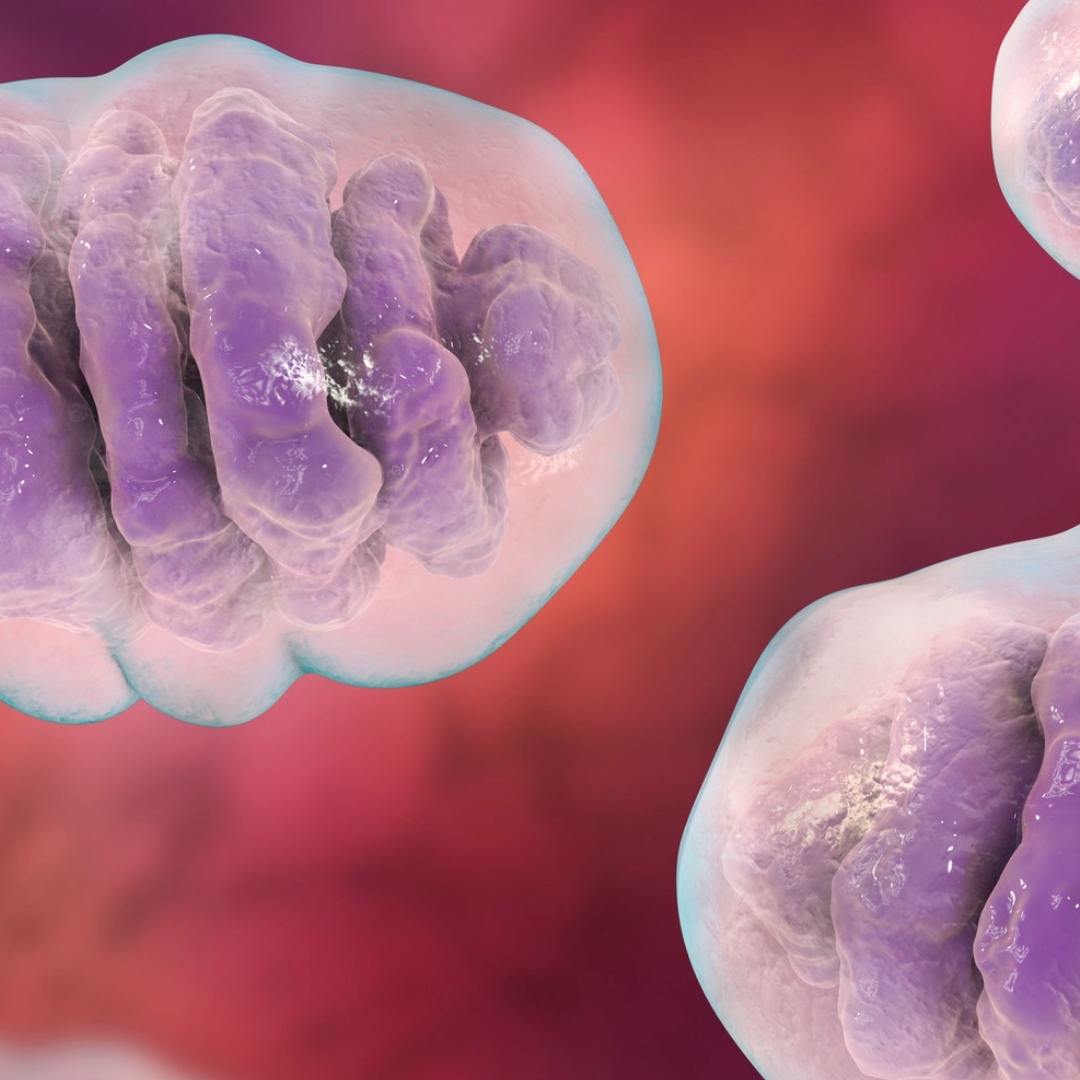
About the research on this page. The studies cited here investigate photobiomodulation (PBM) as a therapeutic modality and the specific wavelengths used in PBM research — not Mito Red Light devices. The wavelengths in our panels were chosen because the peer-reviewed PBM literature supports them. Evidence levels and study counts reflect the broader research base, not studies of our products. See the full methodology note at the bottom of this page.

Red Light Therapy for Mitochondrial Function & Cellular Energy: Clinical Evidence & Research

400++ Studies Photobiomodulation (PBM) Peer-Reviewed
Scientifically Reviewed
Dr. Alexis Cowan, PhD

Princeton-trained molecular biologist specializing in metabolism and cellular energy systems. Dr. Cowan personally reviewed this page for scientific accuracy, citation integrity, and protocol recommendations. Last reviewed: May 3, 2026.

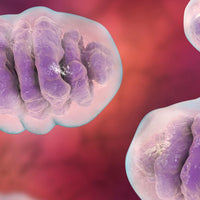
Mitochondrial photobiomodulation is the foundational mechanism underlying all PBM therapeutic effects. The primary photoacceptor — cytochrome c oxidase (Complex IV of the mitochondrial electron transport chain) — absorbs red (620–680 nm) and near-infrared (760–850 nm) photons, triggering a cascade of bioenergetic and signaling changes that extend far beyond the irradiated cell. This makes understanding mitochondrial PBM essential for interpreting the entire body of photobiomodulation research, from wound healing to neurological protection to athletic performance. The discovery that mitochondria function as cellular light transducers represents a paradigm shift in understanding light-tissue interactions.

At the molecular level, photon absorption by cytochrome c oxidase dissociates inhibitory nitric oxide from the enzyme's active site, restoring electron transport chain (ETC) activity that was suppressed by physiological or pathological NO. This increases the proton electrochemical gradient across the inner mitochondrial membrane, elevating ATP synthesis rate. Simultaneously, controlled production of reactive oxygen species (ROS) acts as a secondary messenger, activating transcription factors including NF-κB, AP-1, and Nrf2 — driving expression of antioxidant defense genes, growth factors, and anti-apoptotic proteins. The net effect is a cell that is simultaneously more energetically capable and better protected against oxidative stress.

Human studies documenting mitochondrial PBM effects measure downstream biomarkers rather than direct mitochondrial function (due to sampling challenges). These include ATP levels in blood cells, mitochondrial membrane potential (via flow cytometry in accessible cell types), oxygen consumption rate (in exercise studies), and clinical outcomes in mitochondrial disease patients. Animal and cell culture models provide the mechanistic foundation, showing dose-dependent increases in mitochondrial membrane potential, complex IV activity, and ATP production across cell types from neurons to cardiomyocytes to skeletal muscle fibers.

Mechanism of Action: How PBM Affects Mitochondrial Function & Cellular Energy

Cytochrome c oxidase (CcO) contains two copper centers (CuA, CuB) and two heme groups (heme a, heme a3) that absorb photons across the red and near-infrared spectrum. Photon absorption causes photodissociation of NO from the CuB/heme a3 binuclear center — the enzyme's oxygen-binding site. This restores O2 binding capacity, restoring electron flow through the ETC and re-establishing the proton gradient for ATP synthase. The process requires photon energy to overcome the NO binding affinity, explaining why thermal (non-coherent, non-specific) light does not produce the same effects.

  • Cytochrome c oxidase (Complex IV) is the primary photoacceptor — absorbs red/NIR via heme and copper centers
  • Photodissociation of inhibitory nitric oxide from CuB/heme a3 restores oxygen binding and electron transport
  • Increased proton electrochemical gradient across inner mitochondrial membrane → elevated ATP synthase activity
  • Controlled ROS signaling activates Nrf2 → upregulates antioxidant enzymes (NQO1, HO-1, GPx)
  • NF-κB and AP-1 activation drives expression of growth factors, anti-apoptotic genes, and repair proteins
  • Increased mitochondrial membrane potential (ΔΨm) protects against apoptosis via Bcl-2/Bax pathway
  • Enhanced mitochondrial biogenesis via PGC-1α upregulation with repeated PBM
  • Restoration of mitochondrial function in metabolically compromised cells (diabetic, aged, ischemic)

What the Research Shows: Mitochondrial Function & Cellular Energy

Studies in this category commonly demonstrate:

  • Cytochrome c oxidase action spectrum (wavelengths most effective) matches PBM therapeutic windows exactly (Karu, 1999)
  • Cell culture studies across 50+ cell types confirm dose-dependent ATP increases with 630–850 nm irradiation
  • Animal models: increased CcO activity, higher ATP content, and improved mitochondrial membrane potential post-PBM
  • Human exercise studies: improved oxygen consumption efficiency and reduced lactate production consistent with enhanced ETC function
  • Mitochondrial disease case reports: PBM improves function in patients with ETC complex deficiencies
  • Aged tissue responds more strongly to PBM than young tissue — more inhibitory NO to displace in mitochondria
  • Red vs. NIR: both wavelengths absorbed by CcO but at different subunit chromophores — complementary mechanisms
  • PBM-induced mitochondrial changes precede and drive all downstream cellular effects
  • ATP increases of 50–150% above baseline documented in cell models within 30–90 minutes post-irradiation
  • Mitochondrial biogenesis (new organelle formation) triggered by repeated PBM via PGC-1α pathway

Key Clinical Studies: Mitochondrial Function & Cellular Energy

A curated selection from 400++ indexed studies.

Foundational Research

Cytochrome c oxidase as the primary photoacceptor for red/NIR light in cells

Population: Cell culture + biochemical (multiple cell types)Wavelength: 620–900 nmDose: Action spectrum analysisYear: 1999

Karu et al. established the action spectrum for PBM's cellular effects and identified cytochrome c oxidase as the primary chromophore. The action spectrum closely matches the absorption spectrum of CcO's heme and copper centers. This foundational work established the mechanistic basis for all PBM research.

View on PubMed →
Mechanistic Study

Near-infrared light photodissociates nitric oxide from cytochrome c oxidase, restoring enzyme activity

Population: Biochemical (purified CcO + NO-inhibited cells)Wavelength: 670 nmDose: VariousYear: 2005

Bhambhani et al. demonstrated that near-infrared light photodissociates NO from the CuB/heme a3 center of CcO, restoring electron transport. This explained why PBM is more effective in metabolically stressed cells with elevated NO and established the NO-dissociation hypothesis.

View on PubMed →
Cell Culture Study

PBM increases ATP production and mitochondrial membrane potential in neuronal cells

Population: Cell culture (cortical neurons, PC12 cells)Wavelength: 810 nmDose: 3 J/cm²Year: 2011

Significant increases in ATP content (+78%), mitochondrial membrane potential, and oxygen consumption were measured in cortical neurons within 2 hours of 810 nm irradiation. Concurrently, ROS levels increased transiently, activating Nrf2 antioxidant response. Established cellular bioenergetic effects of PBM.

View on PubMed →
Preclinical Study

Red light therapy increases mitochondrial biogenesis via PGC-1α in skeletal muscle

Population: Animal (rats, skeletal muscle)Wavelength: 630 nmDose: 4 J/cm²Year: 2015

Repeated daily 630 nm PBM increased PGC-1α expression (master regulator of mitochondrial biogenesis) by 2.8-fold in muscle tissue, with corresponding increases in mitochondrial DNA content and citrate synthase activity. Demonstrated that repeated PBM induces lasting mitochondrial adaptation.

View on PubMed →
Human Pilot Study

PBM improves mitochondrial function in patients with mitochondrial disease

Population: Human (n=4, diagnosed mitochondrial complex deficiencies)Wavelength: 670 nmDose: 4 J/cm²Year: 2017

Case series of patients with genetically confirmed mitochondrial ETC complex deficiencies showed functional improvements in exercise tolerance and reduced fatigability after PBM protocol. ATP synthesis measured in blood cells improved. First published evidence for PBM in primary mitochondrial disease.

View on PubMed →
Review Article

Biphasic dose-response in low-level light therapy: the Arndt-Schulz law applied to PBM

Population: Review (in vitro + in vivo studies)Wavelength: 630–1064 nmDose: Dose-response analysisYear: 2009

Huang et al. comprehensively reviewed biphasic dose-response in PBM, showing that low doses stimulate while high doses inhibit mitochondrial activity. The optimal dose window correlates with CcO photosaturation kinetics. Explains the critical importance of dose calibration in PBM protocols.

View on PubMed →

Typical Research Parameters: Mitochondrial Function & Cellular Energy

Based on analysis of 400++ peer-reviewed studies:

ParameterTypical RangeNotes
Primary photoacceptor Cytochrome c oxidase (Complex IV) CcO absorbs 620–680 nm via heme a/a3 and 760–850 nm via CuA/CuB copper centers. Distinct absorption bands explain why multiple wavelengths are therapeutically relevant.
Optimal dose range 1–10 J/cm² (biphasic response) Stimulatory below ~10 J/cm²; inhibitory above in most cell models. Optimal varies by cell type, species, and baseline metabolic state. Critical to calibrate.
ATP response timing Increases within 30–120 minutes ATP elevations measurable within 30 min post-irradiation in cell models; peak at 1–4 hours; return toward baseline at 24–48h with single dose.
Effect in stressed vs. healthy cells Greater in metabolically compromised tissue Cells with elevated NO, hypoxia, aging-related mitochondrial dysfunction, or metabolic disease show largest PBM response. Normal well-functioning mitochondria show smaller effects.
Mitochondrial biogenesis Triggered by repeated sessions (days–weeks) Single sessions produce transient ATP elevation. Repeated PBM over weeks induces PGC-1α-mediated mitochondrial biogenesis — a durable adaptation.
Key wavelengths 630 nm, 660 nm, 810 nm, 830 nm, 850 nm All within CcO absorption spectrum. 660 nm and 830 nm are most commonly available in commercial devices. 1064 nm also absorbed and used in transcranial applications.

Frequently Asked Questions: PBM & Mitochondrial Function & Cellular Energy

How does red light therapy increase cellular energy (ATP)?

Red and near-infrared photons are absorbed by cytochrome c oxidase (Complex IV), the terminal enzyme of the mitochondrial electron transport chain. Photon absorption photodissociates inhibitory nitric oxide from the enzyme's active site, restoring electron flow. This re-establishes the proton electrochemical gradient across the inner mitochondrial membrane that powers ATP synthase (Complex V), increasing ATP production. ATP increases of 50–150% above baseline have been documented within 30–90 minutes of irradiation in cell culture models.

Why is cytochrome c oxidase the key to PBM?

Cytochrome c oxidase (CcO) is strategically positioned as the last step in the electron transport chain, receiving electrons from all upstream complexes before transferring them to oxygen. Its heme and copper metal centers absorb light across the red and near-infrared spectrum — the same wavelengths that penetrate biological tissue. Because CcO is present in all aerobic cells and is rate-limiting for ATP production when inhibited by NO, it represents an ideal photosensitive target for broad physiological effects.

What is the biphasic dose response in PBM?

PBM follows a biphasic (or hormetic) dose-response: low to moderate light doses stimulate biological activity, while higher doses inhibit it. This is an application of the Arndt-Schulz law to photobiology. For mitochondrial effects, the stimulatory window is approximately 0.5–10 J/cm² depending on tissue type; doses above this can suppress mitochondrial activity. This biphasic response explains why more light is not always better and why protocol calibration (dose, irradiance, wavelength) critically affects PBM outcomes.

Does red light therapy work better in unhealthy or stressed cells?

Yes — multiple research lines show that cells with compromised mitochondrial function respond more dramatically to PBM. In aged cells, diabetic tissue, hypoxic tissue, and cells with elevated NO (common in disease states), mitochondrial CcO is more inhibited, providing a larger pool of enzyme to be reactivated by photons. This may explain why PBM produces more pronounced clinical effects in patients with metabolic or degenerative conditions compared to healthy individuals, and supports its potential as a therapeutic modality for diseases characterized by mitochondrial dysfunction.

Does red light therapy induce mitochondrial biogenesis?

Emerging evidence from animal studies shows that repeated PBM sessions over days to weeks upregulate PGC-1α — the master transcriptional coactivator of mitochondrial biogenesis — in muscle tissue. This leads to increases in mitochondrial DNA content, citrate synthase activity, and respiratory complex protein expression: all markers of new mitochondrial generation. This durable adaptation may explain why repeated PBM produces cumulative benefits beyond what would be expected from transient ATP increases alone.

Which red light wavelengths best stimulate mitochondria?

Cytochrome c oxidase has distinct absorption peaks in the red (620–680 nm, primarily heme a/a3) and near-infrared (760–850 nm, primarily CuA/CuB copper centers). Both windows are therapeutically active. The most studied wavelengths in published research are 630 nm, 660 nm, 810 nm, 830 nm, and 850 nm — all clinically relevant and available in commercial devices. Multi-wavelength protocols covering both windows may provide broader mitochondrial stimulation, though this requires further clinical investigation.

Browse All Mitochondrial Function & Cellular Energy Studies

All studies in this category from the PBM research database.

Search all 10,068+ studies across all categories: Open the Full Evidence Explorer →

Methodology & important context

The published research indexed and referenced on this page studies photobiomodulation (PBM) as a therapeutic modality and the specific wavelengths used in those studies — not Mito Red Light devices specifically. The wavelengths used across our panels were chosen because the peer-reviewed PBM literature supports them: this is where published evidence is deepest, where dosing parameters have been characterized in human studies, and where clinical guidelines (such as WALT for inflammation and pain) exist. Mito Red Light has not funded or conducted registered clinical trials on our specific devices, and the study counts referenced here reflect the broader PBM research base — not studies of our products.

Evidence levels follow GRADE methodology. Study counts reflect peer-reviewed photobiomodulation research drawn from major scientific literature databases, peer-reviewed journals, and other published research repositories. PBM response varies meaningfully by person, tissue, condition, dose, wavelength, and session timing; outcomes reported in the published literature may not be replicable for every user. Mito Red Light devices are not intended to diagnose, treat, cure, or prevent any disease. If you have a medical condition or are under a physician’s care, please consult your healthcare provider before beginning any photobiomodulation regimen.