















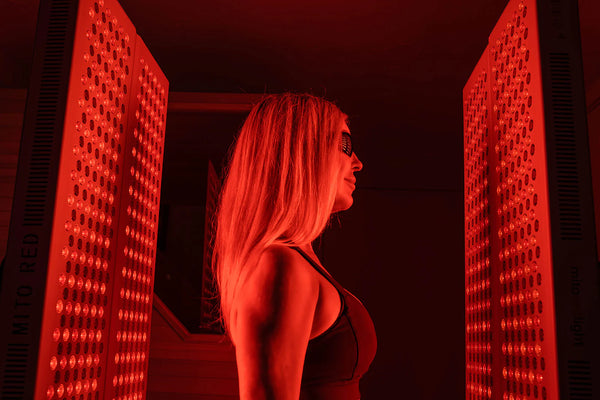
Panel Series
Red light therapy is easy to work into a home routine—but what happens when you travel? Long flights, tight hotel schedules, and time zone shifts can all work against the consistency that makes photobiomodulation effective. At the same time, travel often amplifies the very issues people use red light therapy for in the first place, from stiff joints and muscle soreness to sleep disruption and skin changes. In this guide, we explain why staying consistent matters on the road and walk through practical options for taking red light therapy with you—whether that means a handheld device, a compact panel, or a wearable solution.
Table of Contents
-
>Why Use Red Light Therapy While Traveling?
>Consistency
>Travel-Related Health
>Mobile Red Light Therapy Options
>Handheld Devices
>Small Panels
>Red Light Therapy Spas
>Wearables
>Mito Red Light
Red light therapy is an easy and generally well‑tolerated wellness intervention that is growing in popularity. This form of therapy uses specific red and near‑infrared wavelengths thought to stimulate mitochondria, the parts of the cell responsible for energy production and many aspects of inflammation control.
People use red light therapy for many different reasons. Some of the most common goals include:
-
>Reducing chronic or recurring pain
>Supporting faster healing and recovery
>Improving post‑workout recovery
>Supporting sleep quality
>Improving skin tone and texture
>Supporting hair health
>Encouraging healthy circulation
Although these applications seem diverse, they all connect back to the same basic mechanism: targeted red and near‑infrared light supporting mitochondrial function and local tissue balance.
One of the keys to using red light therapy effectively is consistency. A single session here and there is unlikely to create a noticeable change, whereas regular use over weeks and months is where most people begin to see benefits. Many protocols recommend using red light therapy every one to three days. That can make it challenging for frequent travelers to keep up with treatments and raises an important question: how do you maintain your routine on the go?
Why Use Red Light Therapy While Traveling?
There are several reasons to continue red light therapy while you are away from home. First, the benefits of photobiomodulation tend to build gradually with ongoing use. Long gaps can slow momentum or partially reverse progress, especially for goals like joint comfort, skin support, and sleep. Second, travel often adds unique stressors—long periods of sitting, disrupted sleep, and environmental changes—that make the underlying benefits of red light therapy more relevant than ever.
Consistency
With almost any therapeutic habit, consistency is essential. Regular use not only supports cumulative biological effects but also helps build a stable routine you do not have to think about. When that routine is disrupted—such as during a long trip—it becomes easier to let days or weeks slip by without returning to the habit, especially when changes are gradual and there is no immediate “crash” from missing a few sessions.
Travel is one of the moments when routines are most likely to be interrupted. Early flights, packed schedules, and unfamiliar environments can push even well‑established habits to the side. Keeping some form of red light therapy in your travel plan makes it easier to resume seamlessly once you return home and may prevent longer‑than‑intended breaks.
Travel-Related Health

Many of the reasons people use red light therapy are directly affected by travel. Long days in transit, time zone shifts, room changes, and altered routines can all stress the body and mind. Using red light therapy strategically during or after travel may help reduce some of these effects and improve the overall experience.
Travel‑related issues where people commonly integrate red light therapy include:
-
>Joint or back discomfort – Red light therapy is used to support circulation and modulate inflammation in muscles and joints. Prolonged sitting on planes, trains, or in cars often increases stiffness and soreness, making targeted sessions around travel days especially appealing.
>Sleep quality – Emerging evidence suggests that evening red light exposure may support melatonin production and sleep quality in some people. Since travel often involves early wake times, new time zones, and jet lag, optimizing sleep becomes even more important.
>Skin quality – Changes in climate, humidity, and water can affect skin. People use red light therapy to support clearer, more even‑toned skin and to help minor blemishes or irritation resolve more quickly, which can be useful when bouncing between different environments.
>Circulation – Long periods of inactivity can reduce circulation and contribute to swelling or discomfort. While red light therapy is not a replacement for movement, many users incorporate it after travel days as part of a broader strategy that includes walking, stretching, and hydration.
Mobile Red Light Therapy Options
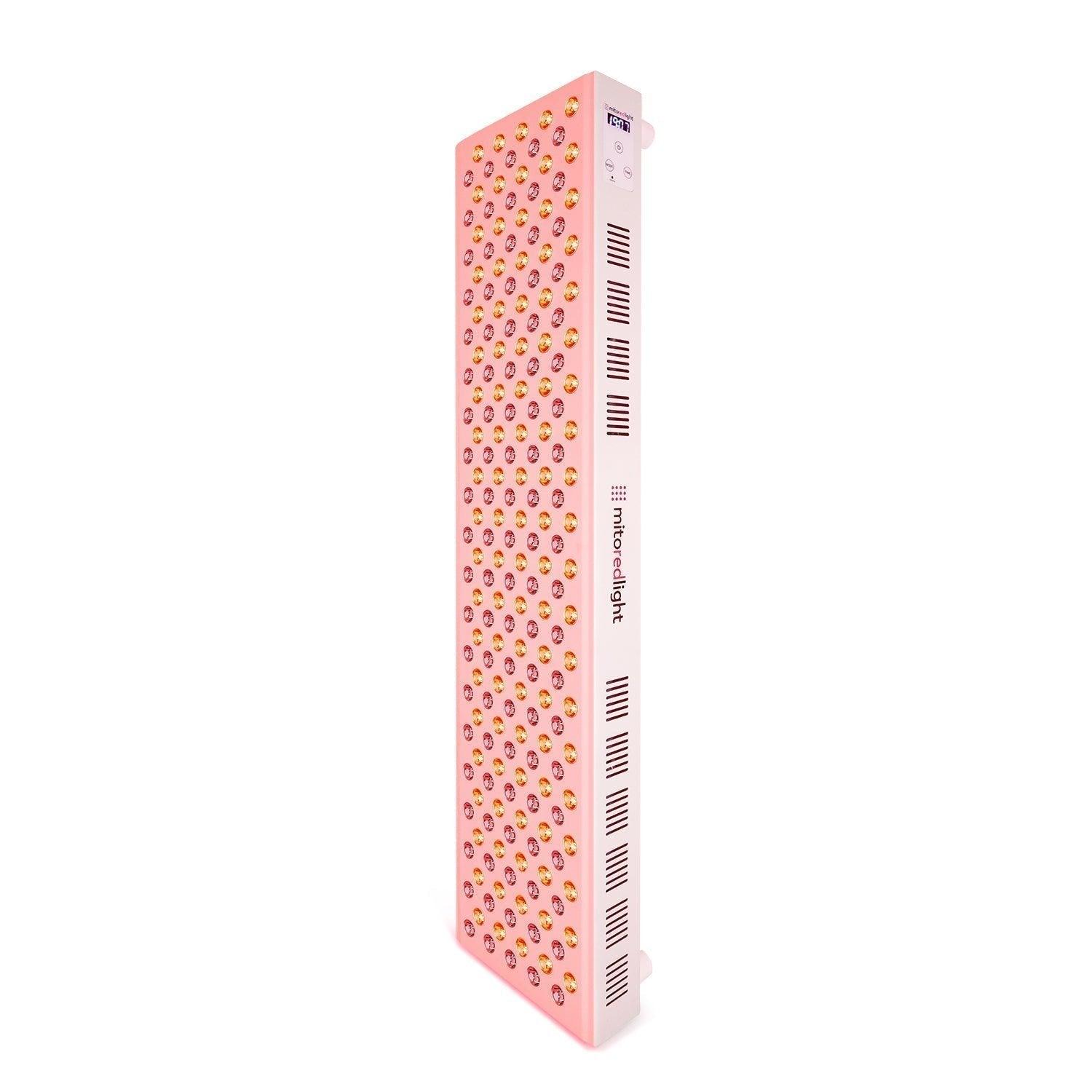
One challenge of using red light therapy away from home is that many of the most powerful systems are large, full‑body panels designed for dedicated at‑home setups. These are ideal when you are stationary but impractical to put in a suitcase. Planning your space? Start with our at-home setup guide.
The good news is that you do not have to choose between a full‑body setup and nothing at all. There are several ways to bring red light therapy with you while traveling, each with different trade‑offs in portability, coverage, and convenience.
Handheld Devices
Small handheld devices are one of the most travel‑friendly forms of red light therapy. These devices can be used in airports, train stations, airplanes, or vehicles (when you are not driving) and are easy to pack in a purse, backpack, or carry‑on. High‑quality handhelds are typically battery powered and can be used cord‑free after charging.
Handheld devices are useful both during the travel process and once you arrive at your destination. They are also handy at home for post‑workout sessions or localized areas that are harder to reach with a full‑body panel. At Mito Red Light, we offer handheld portable red light therapy devices designed specifically for on‑the‑go use, balancing strong output with compact size.
Small Panels
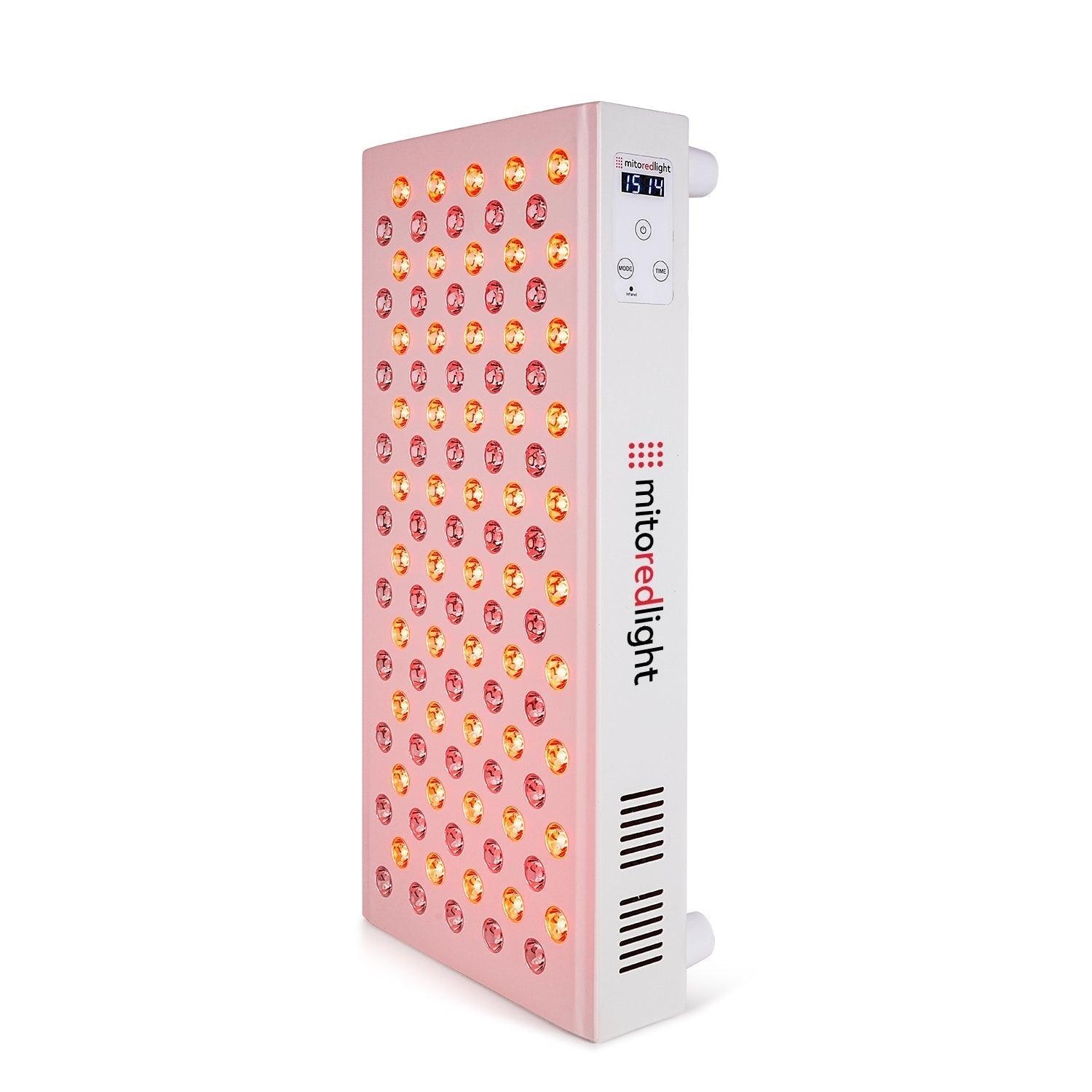
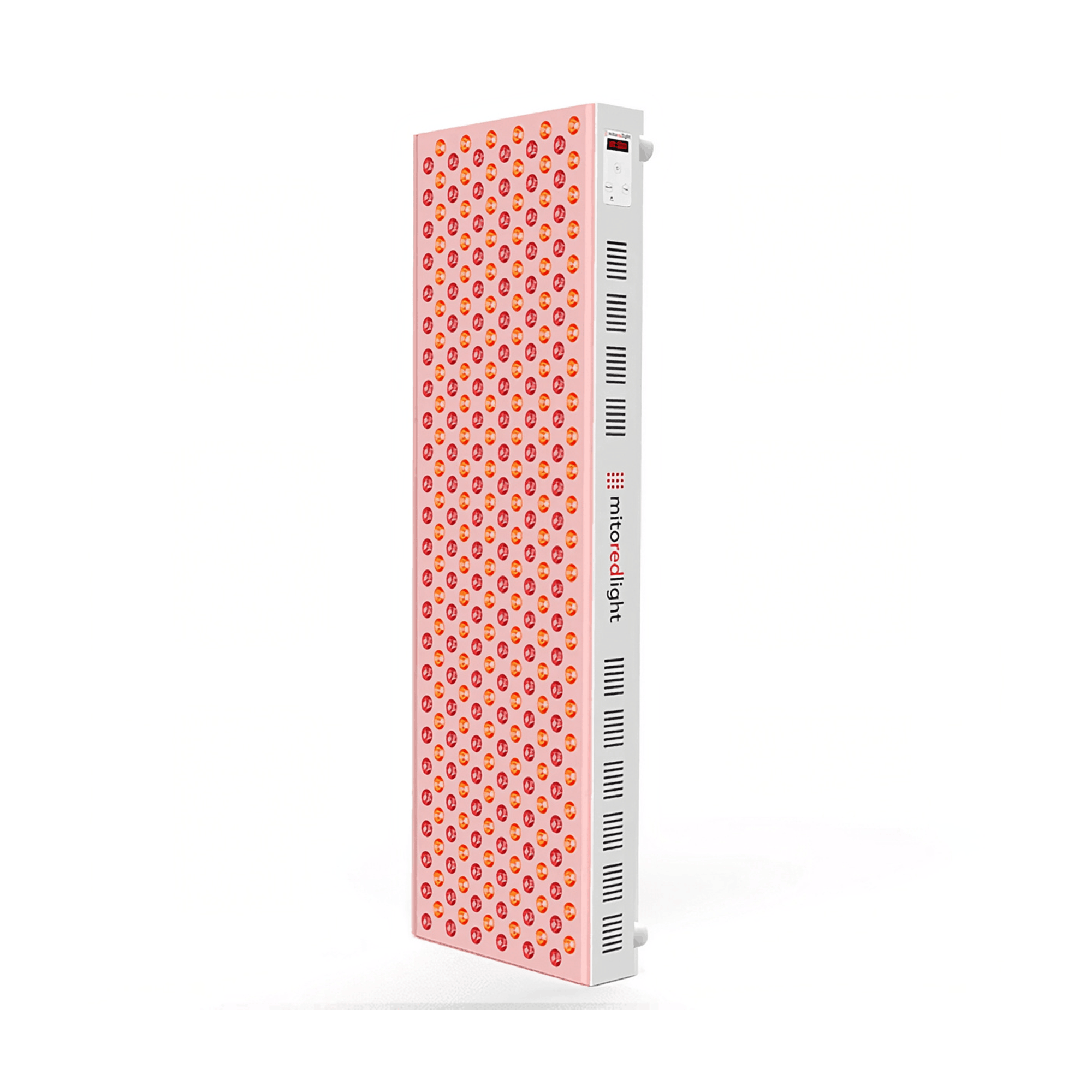
While traveling with a full‑size panel is not realistic for most people, smaller panels can fit into checked luggage or a larger carry‑on. A compact red light panel typically weighs a few pounds and takes up some space, but it can be a practical option on longer trips where you will be in one place for several days or weeks.
Our smallest panels are designed to maximize output in a modest footprint, making them a bridge between full‑body systems and handheld devices. These panels usually need to be plugged in, so they are best suited to use in your hotel room, Airbnb, or other accommodations rather than in transit. In return, they offer broader coverage and a feel closer to a home session.
Red Light Therapy Spas
Another way to maintain red light therapy while traveling is to visit a spa or wellness center that offers it as a service. In some cities, you will find dedicated red light or photobiomodulation studios, while in others it is offered alongside services like cryotherapy, saunas, or massage.
However, many regular users prefer to bring their own devices instead of relying on spas. It can be difficult to know in advance what equipment a location uses, how sessions are structured, or how consistent the dosing is. Booking appointments also adds cost and time to your schedule, whereas having your own portable device allows you to treat on your own timetable from wherever you are staying.
Wearables

Wearables offer another way to use red light therapy on the go. Devices such as the Mito Red Light Advanced Red Light Therapy Belt can be wrapped around the torso or limbs and worn while you move around, answer emails, or relax in your room.
Compared with handhelds, wearables provide more freedom and can be more discreet. The main design consideration is LED density and spacing: because wearables sit directly against the skin, the LEDs need to be packed closely enough to provide even coverage rather than patchy illumination. High‑quality belts and wraps are engineered with this in mind, while very low‑cost options may have sparse arrays that leave gaps in treatment.
Mito Red Light
Having the right equipment makes it much easier to keep your red light therapy routine going, even when you are traveling. Mito Red Light provides handheld devices, wearable options, and compact panels that are small enough to pack in a suitcase yet powerful enough for meaningful sessions on the road. Our portable red light products are designed specifically to support consistent use anywhere.
Many of our devices have hundreds of five‑star reviews and are recognized for delivering industry‑leading quality at home and away. You can explore our full range of high‑quality red light therapy products or contact one of our expert representatives at +1 (866) 861‑6486 to learn more about which option may be best for your travel routine.
Frequently Asked Questions
Why should I keep using red light therapy while traveling?
Red light therapy tends to work best when used consistently over time rather than in occasional single sessions. Travel is often when joints, sleep, and stress are challenged the most, so maintaining even shorter, targeted sessions on the road can help preserve momentum and make it easier to resume your normal routine when you get home.
What is the most practical type of red light device for travel?
Battery-powered handheld devices are often the most practical option because they are compact, easy to pack, and can be used almost anywhere without needing an outlet. For longer trips where you will stay in one place, a compact plug‑in panel or wearable belt can offer broader coverage while still fitting in a suitcase.
Can red light therapy help with jet lag or travel-related sleep problems?
While research is still emerging, some studies and user reports suggest that evening red light exposure may support melatonin levels, relaxation, and sleep quality, which can be helpful when adjusting to new time zones. Red light therapy is not a cure for jet lag on its own, but it can be part of a broader sleep-support strategy that includes timing light exposure, movement, and good sleep hygiene.
Is it worth traveling with a small panel instead of just a handheld?
If you travel frequently or for extended periods, bringing a small panel can be worthwhile because it covers more of the body in a single session and feels more like a home setup. For shorter trips or minimal luggage, handhelds and wearables offer more flexibility and are easier to use in tight spaces like hotels or guest rooms.
What portable options does Mito Red Light offer for travel?
Mito Red Light offers several travel-friendly options, including handheld devices from the portable series, compact panels like the MitoMIN, and wearable solutions such as the Advanced Red Light Therapy Belt. These products are designed to balance power, coverage, and portability so you can maintain your routine on the go.
This article discusses published scientific research and general educational information about photobiomodulation and red light therapy. It does not constitute medical advice and does not make specific claims about Mito Red Light devices. The research cited reflects independent peer-reviewed studies and does not imply that any Mito Red Light product has been evaluated, approved, or cleared by the FDA or any other regulatory body for the diagnosis, treatment, cure, or prevention of any disease or medical condition. Individual results vary. Consult a qualified healthcare professional before beginning any light therapy protocol, particularly if you have a pre-existing medical condition, are pregnant, or are taking photosensitising medications.
Dive deeper into the research
- Mito Red Research Evidence Hub — 10,000+ indexed PBM studies across 15 clinical categories.
- Wavelength reference — 633, 660, 810, and 830 nm comparison and dosing data.
- Independent third-party testing — spectrometer-verified output across the Mito Red product line.
- Mito Red Scientific Advisory Board — review workflow, evidence grading, primary-literature sourcing.
Mito Red Light products are general wellness devices. They are not medical devices and have not been evaluated, cleared, or approved by the FDA or any regulatory body for the diagnosis, treatment, cure, or prevention of any disease or medical condition. Any references to peer-reviewed research or clinical studies on this page describe findings from independent scientific literature and do not imply that Mito Red Light devices have been studied, tested, or proven effective for any specific condition. Always consult a qualified healthcare provider before beginning any new wellness routine, particularly if you have a medical condition or are taking medication.
Related articles
More from the buying guides & comparisons knowledge cluster