










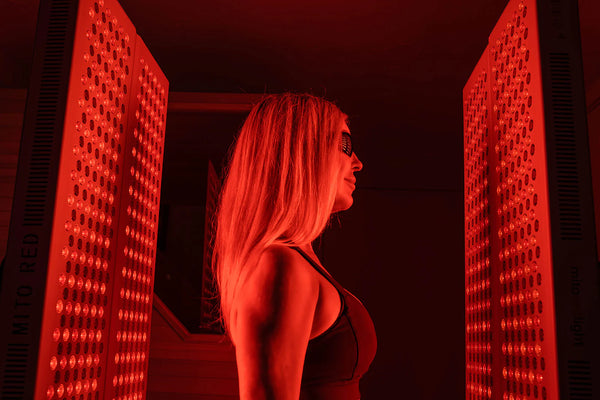
Panel Series
Key Takeaways:
-
Red light therapy works by boosting energy production inside muscle cells, which supports faster recovery in the back's deep, hard-to-reach tissue.
-
Effective sessions typically run from three to 12 minutes per area using wavelengths between 630nm and 900nm, with the best results coming from consistent use two to four times per week.
-
Red light therapy works best alongside exercise, movement retraining, and other rehab strategies, not as a standalone solution.
Your back muscles work constantly, stabilizing your spine during lifts, keeping you upright at a desk, and taking the brunt of physical tasks on weekends. When they're sore or strained, recovery is slow. Ice and foam rolling address surface-level discomfort, but tissue repair happens at the cellular level.
Red light therapy works by delivering specific wavelengths of light into muscle tissue to support the cellular recovery process. Because the back has thick layers of muscle and fascia, it responds well to this approach. Whether you're dealing with a strain, post-workout soreness, or chronic lower back issues, here's how to use red light therapy effectively.
At Mito Red Light , our devices are built to reach that depth. Here’s what to know about using red light therapy for back muscle recovery.
What Is Red Light Therapy?
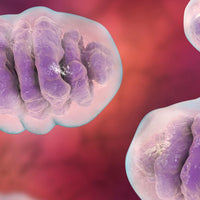
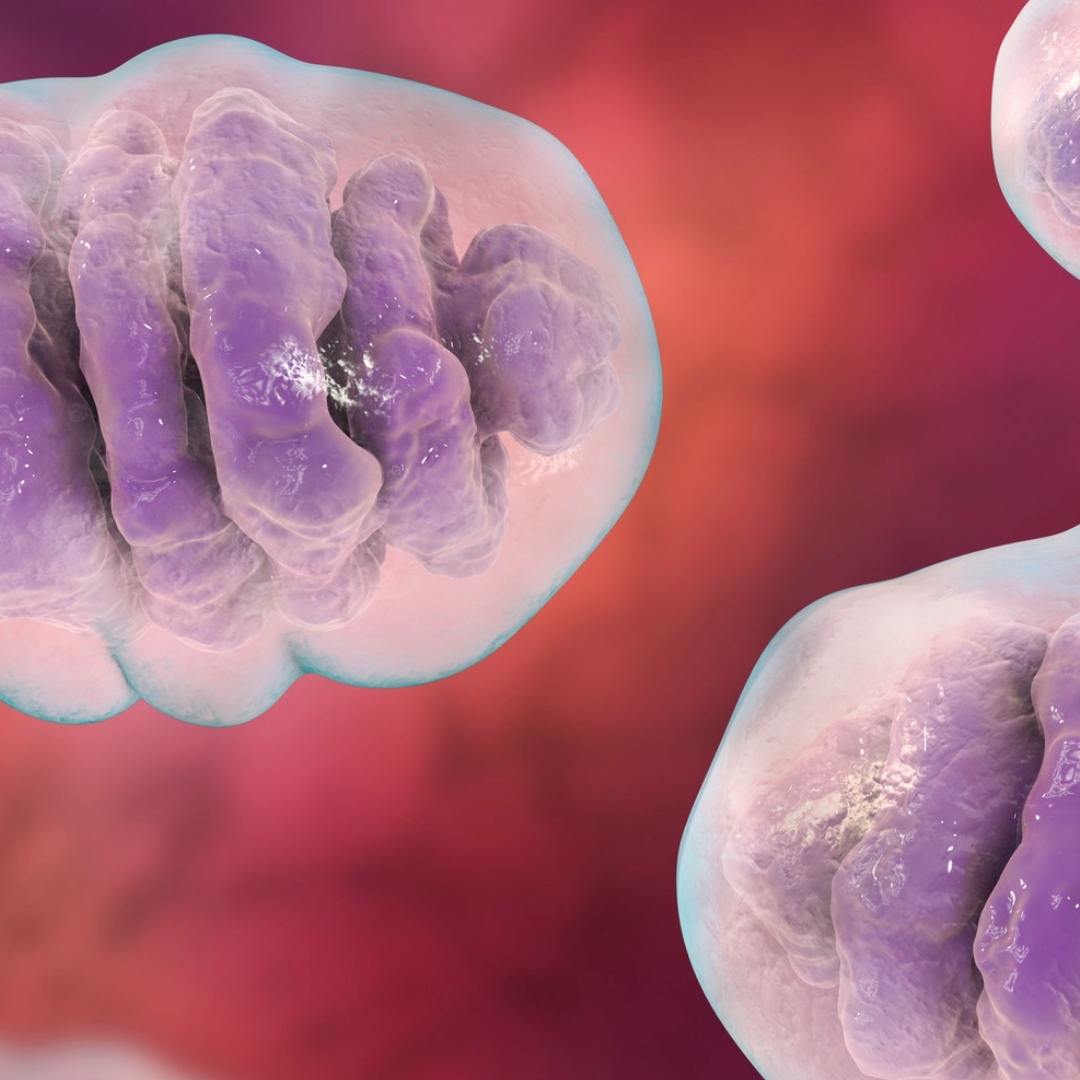
Red light therapy, also known as photobiomodulation, delivers wavelengths of visible red and near-infrared light (roughly 600 to 1000nm) into skin and soft tissue. When that light reaches your muscle cells, it's absorbed by a protein in the mitochondria called cytochrome C oxidase , which is a key part of the energy production chain inside every cell. That absorption kicks ATP production into a higher gear. ATP is basically the fuel your cells run on , so more of it means your muscles have more resources to repair damage, manage stress, and bounce back faster.
Near-infrared wavelengths are especially relevant for the back because they penetrate deeper than visible red light, reaching through several centimeters of tissue to get to those large muscle groups along the spine that surface-level recovery tools can't touch.
How To Choose the Right Red Light Device for Back Muscles
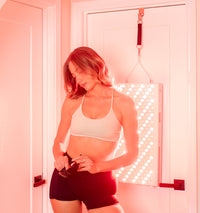
For back recovery, you need enough power and coverage to reach deep tissue without spending your entire evening repositioning a small handheld unit. Panels deliver high output across a broad area, making them a natural fit for the lumbar and thoracic back. Handheld devices work for targeted spots but cover less ground, while full-body options like mats and pods offer the widest coverage with the least effort.
Look for wavelengths in the red (630 to 660nm) and near-infrared (800 to 900+ nm) ranges, verified power output through independent third-party testing, and safety certifications such as FDA registration and IEC 60601 compliance.
Why Choose Mito Red Light?
We built our devices for exactly this kind of deep tissue work. The MitoPRO+ series delivers four precision wavelengths validated by independent testing, while the MitoADAPT 4.0 gives you 11 selectable wavelength modes to dial in the combination that fits your recovery goals.
For targeted back sessions, our MitoQUAD™ Belt wraps around the lumbar area, featuring 1,215 TriChip™ LED chips for hands-free convenience. Every device is FDA Class II registered, low EMF, flicker-free, and backed by a 60-day trial.
What To Know About Red Light Wavelength, Dose, and Session Length for Back
For back muscles, research supports red wavelengths (630 to 660nm) paired with near-infrared (800 to 900+ nm) , with sessions lasting 3-12 minutes per target area, depending on your device's power output. Higher-powered panels need less time; lower-powered units need a bit more.
With the MitoPRO+ or MitoADAPT 4.0, most users find that six to eight minutes per zone covers the lumbar and thoracic regions effectively at standard distances. With the MitoQUAD™ Belt, session length follows the same range, but the hands-free format makes it easier to stay consistent, which matters more than any single session.
To ease general muscle soreness, published protocols typically call for 6 to 12-minute sessions, two to four times per week after exercise. Always start with your device manufacturer's dosing guidelines and adjust from there.
How To Build a Back Recovery Routine
Pre-workout sessions can help prepare muscles for load, and post-workout sessions can support repair and cut down on next-day soreness. Both red light approaches show benefits in clinical research , and a lot of people rotate between the two depending on how hard they worked that day.
A solid weekly schedule during an active recovery phase: two to four sessions, covering one to three zones along the back for three to six minutes each. Give it a few weeks of consistency before evaluating results.
With the MitoQUAD™ Belt , it's easy to run a session during downtime (like while reading, watching a video, or doing light mobility work), which lowers the barrier to staying consistent. With a panel like the MitoPRO+, pairing your session with an existing post-workout cooldown routine keeps it from adding time to your day.
That said, red light therapy is a powerful piece of the puzzle, not the whole picture. Progressive loading, manual therapy, movement retraining, quality sleep, and good nutrition are still the foundation of effective recovery . Track your progress as you go so you can adjust over time.
The Bottom Line
Using red light therapy for back muscle recovery comes down to choosing the right device, following a consistent protocol, and pairing it with the recovery habits that already work for you. Mito Red Light devices , whether you go with a full panel for broad coverage, the MitoADAPT 4.0 for protocol flexibility, or the MitoQUAD™ Belt for targeted lumbar work, are built to deliver the wavelengths and power output that back recovery actually requires.
Foam rollers and ice packs have their place, but they can't reach the cellular level. Red light therapy does.
DISCLAIMER: Mito Red Light devices are Class II wellness devices aimed at affecting the body through supporting cellular function. The information provided in this article and on this site is for educational purposes only and is not intended to imply effectiveness of Mito Red Light devices for any specific application. The information provided in this article and on this site is not intended to diagnose, treat, cure, or prevent any disease, is not a substitute for consultation with a licensed medical provider and should not be construed as medical advice. Click here to read our article on potential contraindications of red light therapy.
FAQs
How does red light therapy work for back recovery?
Red and near-infrared wavelengths penetrate into muscle tissue and boost energy production inside the cells, which supports the body's natural repair processes for sore or strained back muscles.
What are the main benefits of red light for back and muscle recovery?
Consistent sessions can help lower muscle soreness, support circulation, and promote faster recovery, especially when combined with exercise and other rehab strategies.
When should red light therapy be applied?
Before physical activity to precondition muscles, or after workouts to support recovery and reduce next-day soreness. Many people alternate between both depending on their training schedule.
Is red light therapy a standalone solution?
No. It works best as a complement to progressive exercise, physical therapy, proper nutrition, and quality sleep. It enhances recovery but doesn't replace the fundamentals.
What results should I realistically expect?
Most people notice reduced soreness and improved recovery over the course of several sessions. Individual results vary depending on the severity of the issue, device quality, and how consistent you are.
Sources:
Mito Red Light products are general wellness devices. They are not medical devices and have not been evaluated, cleared, or approved by the FDA or any regulatory body for the diagnosis, treatment, cure, or prevention of any disease or medical condition. Any references to peer-reviewed research or clinical studies on this page describe findings from independent scientific literature and do not imply that Mito Red Light devices have been studied, tested, or proven effective for any specific condition. Always consult a qualified healthcare provider before beginning any new wellness routine, particularly if you have a medical condition or are taking medication.