














Panel Series
Key Takeaways:
- Tight lower back muscles are most often caused by prolonged sitting, muscle imbalances in the hips and hamstrings, and general deconditioning.
- A combination of targeted stretching and core strengthening performed two to three times per week can significantly reduce stiffness and help prevent recurring tightness.
- Pairing your routine with recovery tools like foam rolling and red light therapy supports faster muscle relaxation and long-term lower back health.
Lower back discomfort is one of the most common complaints, from general stiffness on a workday to tension and soreness after a hard workout.
Let's talk about why your lower back is tight and exactly what you can do about it.
What Causes Tight Lower Back Muscles?
Tight lower back muscles describe that persistent stiffness or tension across the lumbar area that makes bending, twisting, or even just getting up from a chair feel like a negotiation with your own body.
The usual suspects include:
- Prolonged sitting: Spending hours in a chair can shorten your hip flexors and weaken your glutes, which forces your lower back to compensate and tighten up.
- Muscle imbalances: Tight hamstrings, hip flexors, or glutes pull on the pelvis from different angles, changing the natural curve of your lumbar spine and creating tension.
- Deconditioning: If your core and posterior chain aren't strong enough to support your spine during daily movement, the lower back muscles pick up the slack and get overworked.
Thankfully, all three of these factors generally respond well to a mix of stretching and strengthening.
What Stretches Can Provide Lower Back Relief?
Stretching helps loosen tight muscles, reduce spasms, and restore range of motion in the lower back and the areas connected to it. Do each stretch gently, breathe deeply to relax into the movement, and hold for 20 to 30 seconds unless noted otherwise. Repeat each one two or three times.
Child's Pose
Kneel on the floor, sit your hips back toward your heels, and walk your hands forward until your forehead rests on the ground. Hold for 20 to 30 seconds and breathe into your lower back. Great for beginners and works well as a warm-up or cool-down.
Cat-Cow Stretch
Start on all fours. Inhale as you arch your back and lift your chest (cow), then exhale as you round your spine and tuck your chin (cat). Move slowly for eight to 12 reps, syncing each transition with your breath. Especially helpful if you've been sitting all day.
Knee-to-Chest Stretch
Lie on your back and pull one knee toward your chest, holding for five seconds before switching sides, then repeat two to three times per leg.
For a deeper stretch, pull both knees in simultaneously and hold for 20 to 30 seconds. Use a towel looped behind your thigh if mobility is limited.
Piriformis Stretch
Lie on your back with both knees bent. Cross one ankle over the opposite knee, then pull the bottom leg toward your chest until you feel a deep stretch in the glute. Hold for 20 to 30 seconds on each side. This eases deep gluteal tension that often contributes to lower back discomfort. Stop if you feel any shooting or tingling sensations.
Hip Flexor Stretch
Drop into a half-kneeling position with one knee on the ground and the other foot forward. Gently shift your weight forward until you feel a stretch across the front of your hip. Hold for 30 seconds on each side. Tight hip flexors pull on the lumbar spine and are one of the most overlooked contributors to lower back stiffness.
Hamstring Stretch
Lie on your back and extend one leg toward the ceiling, holding the back of your thigh or using a towel for support. Keep a slight bend in the knee and hold for 20 to 30 seconds on each side. Tight hamstrings directly affect lumbopelvic mechanics and can keep your lower back locked up.
Pelvic Tilts
Lie on your back with your knees bent and gently press your lower back into the floor by engaging your core. Hold for 10 seconds and repeat eight to 12 times. This stabilizes the lumbar spine and builds awareness of your pelvic positioning.
Lumbar Extensions
Lie face down and gently press your chest off the floor using your hands, keeping your hips grounded. Start with eight to 12 reps. Skip this one if you have disc-related issues.
What Are Some Strengthening Exercises for Lower Back Mobility?
Stretching loosens things up, but strengthening keeps them from tightening right back up. Research shows that combining strengthening with stretching two to three times per week can significantly reduce the risk of lower back problems.
- Bridges: Lie on your back with knees bent, then lift your hips toward the ceiling by squeezing your glutes. Hold briefly at the top. This strengthens your glutes and takes pressure off the lower back.
- Bird-Dog: Start on all fours and extend your opposite arm and leg simultaneously, holding for a few seconds before switching. This builds core stability and spinal control.
- Wall Sits and Partial Crunches: Both build endurance in the muscles that support your lower back without putting excessive load on the spine.
How Else Can You Support Your Lower Back?
Beyond exercising, there are a few other steps you can take to support a healthy and comfortable lower back.
Foam Rolling
Foam rolling is a self-massage technique that uses a cylindrical tool to release tightness and improve circulation. Focus on your hamstrings, glutes, hip flexors, and IT bands. One important note: avoid rolling directly on the lumbar spine, and stop if you feel any nerve-related symptoms like tingling or shooting pain.
Red and Near-Infrared Light Therapy
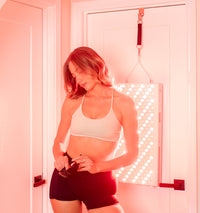
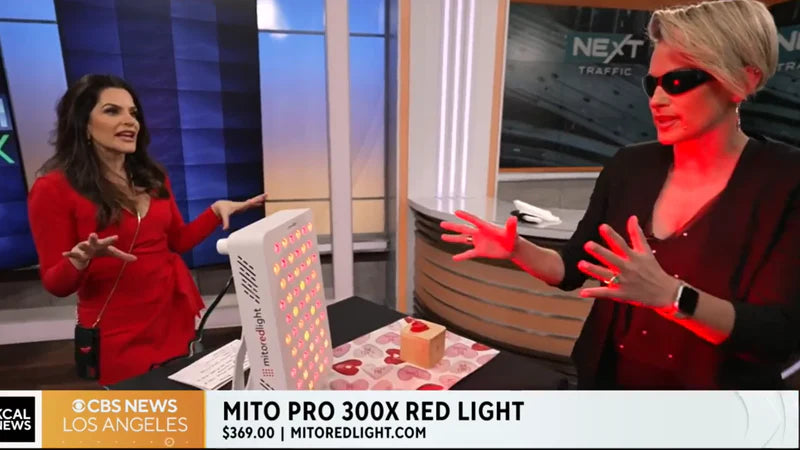
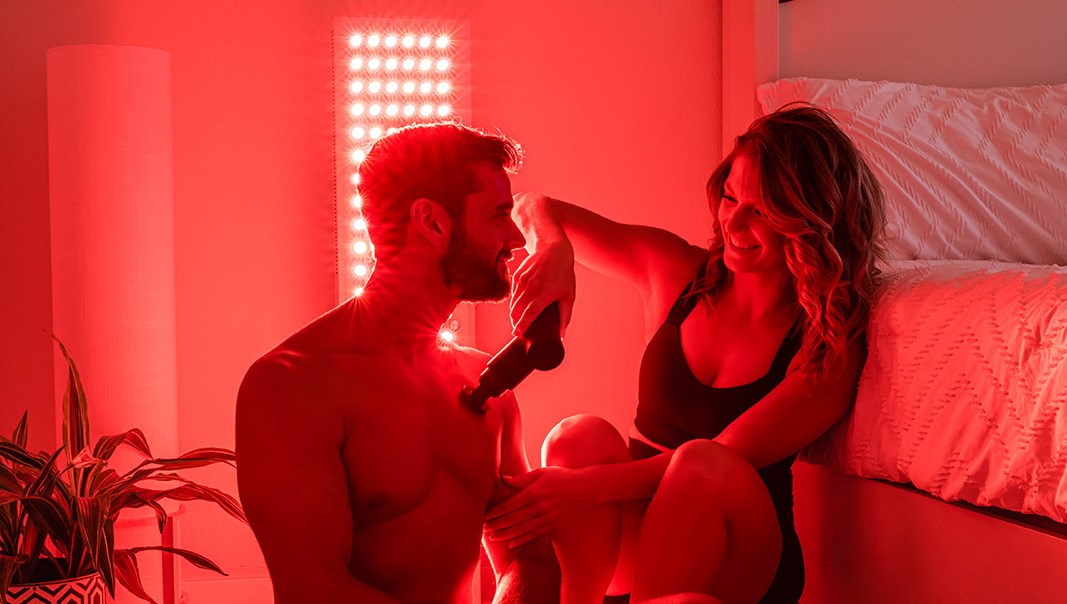
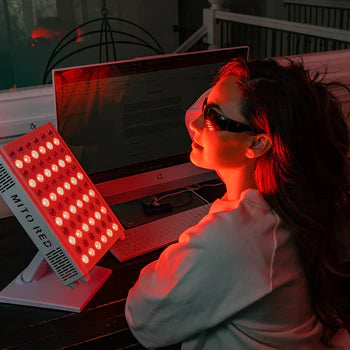
Red and near-infrared light therapy uses specific LED wavelengths to penetrate tissue, ease soreness, and support recovery at the cellular level. Our devices feature patented Enhanced Spectral Energy Output™ (ESPEO) technology and medical-grade safety certifications, bringing professional-grade recovery into your home.
Whether you're using a MitoPRO+ panel after a stretching session or wrapping the MitoQUAD™ Belt around your lower back for hands-free support, it's a simple way to complement the work you're already doing.
Wrapping Up
Tight lower back muscles don't have to run your life. A consistent routine of targeted stretches, core strengthening, and smart recovery tools gives your lumbar spine the support it needs to move freely.
Start with the stretches that feel most accessible, build in strengthening two to three times per week, and layer in foam rolling or red light therapy to keep things moving in the right direction.
DISCLAIMER: Mito Red Light devices are Class II wellness devices aimed at affecting the body through supporting cellular function. The information provided in this article and on this site is for educational purposes only and is not intended to imply effectiveness of Mito Red Light devices for any specific application. The information provided in this article and on this site is not intended to diagnose, treat, cure, or prevent any disease, is not a substitute for consultation with a licensed medical provider and should not be construed as medical advice. Click here to read our article on potential contraindications of red light therapy.
FAQs
How often should I perform these stretches to loosen my lower back?
For best results, aim for once or twice a day. If you sit for long periods, even brief stretch breaks several times throughout the day can make a noticeable difference.
What should I do if a stretch causes sharp pain or discomfort?
Stop immediately and try a gentler variation. If the pain persists or worsens, consult a healthcare provider before continuing.
Why is it important to stretch my hips and hamstrings along with my lower back?
Tight hips and hamstrings pull on the pelvis and change the natural alignment of your lumbar spine, which creates and reinforces lower back tightness. Addressing all three areas together gives you the best results.
How can breathing techniques improve the effectiveness of these stretches?
Deep, diaphragmatic breathing activates your body's relaxation response, which helps your muscles release tension more easily and allows you to sink deeper into each stretch.
When should I consult a healthcare professional about tight lower back muscles?
If you develop numbness, weakness, changes in bladder or bowel function, or if your pain doesn't improve with consistent self-care, see a professional as soon as possible.
Sources:
Exercise for the Prevention of Low Back Pain: Systematic Review and Meta-Analysis | PubMed
Exercise in the Management of Chronic Back Pain | Ochsner Journal (PMC)
Evaluating the Effectiveness of Six Exercise Interventions for Low Back Pain | PMC
Mito Red Light products are general wellness devices. They are not medical devices and have not been evaluated, cleared, or approved by the FDA or any regulatory body for the diagnosis, treatment, cure, or prevention of any disease or medical condition. Any references to peer-reviewed research or clinical studies on this page describe findings from independent scientific literature and do not imply that Mito Red Light devices have been studied, tested, or proven effective for any specific condition. Always consult a qualified healthcare provider before beginning any new wellness routine, particularly if you have a medical condition or are taking medication.