







Panel Series
Blue light therapy uses wavelengths in the 400-470nm range to interact with endogenous chromophores in skin tissue — most notably the porphyrins produced by Cutibacterium acnes bacteria, which generate reactive oxygen species toxic to the bacterium upon blue light absorption. This mechanism is distinct from red and near-infrared photobiomodulation, operating through a photochemical rather than photobiological pathway, and has been the subject of substantial clinical investigation for acne and inflammatory skin conditions. This article provides a foundational overview of how blue light therapy works, what the evidence supports, and how it differs from other light-based modalities.
The science of red light therapy is clear: results come from consistency, not intensity. A single session won't transform your skin or accelerate your recovery — but 10–20 minutes daily, built into a ritual you actually stick to, can produce measurable changes over weeks and months. This guide is about building that ritual.
Why Consistency Is the Most Important Variable
Most clinical studies on photobiomodulation use 3–5 sessions per week over 8–16 weeks. The cumulative effect is what drives results:
- Collagen stimulation builds incrementally over weeks
- Mitochondrial upregulation requires repeated light exposures to sustain
- Circadian benefits depend on consistent timing, not just dose
- Hair follicle stimulation requires sustained anagen phase support
The biggest predictor of outcome isn't the device you own — it's how reliably you use it. That's why building a ritual around your sessions matters more than any other factor.
Morning vs Evening: When Should You Use Red Light Therapy?
Morning sessions
Morning red light exposure aligns with your natural cortisol peak and can amplify energy, alertness, and mood through mitochondrial stimulation. Some research suggests morning PBM may support circadian rhythm entrainment similarly to morning sunlight. This is an excellent time for:
- Full-body energy and recovery sessions
- Facial skin treatment as part of a morning skincare ritual
- Pre-workout activation to prime muscle tissue
Evening sessions
Red light does not suppress melatonin the way blue light does — evening sessions are safe and may actually support sleep onset by promoting cellular energy wind-down and reducing low-grade inflammation. Good evening uses include:
- Post-workout recovery sessions for muscles and joints
- Skincare + red light combination before bed
- Relaxation and stress reduction
Bottom line: both times work. Pick the one that fits your schedule and you'll actually do consistently. Morning before your workout or evening after your shower are the two most popular anchors.
The Mito Red Ritual: Step by Step
Step 1: Anchor it to an existing habit
The most reliable way to stick to any practice is to attach it to something you already do every day. Popular anchors:
- Morning coffee — sit in front of your panel while it brews
- Post-workout — panel session replaces your cool-down stretch
- Evening skincare — face session after cleansing, before moisturiser
- Pre-sleep wind-down — a low-light, calming full-body session
Step 2: Set your distance and time
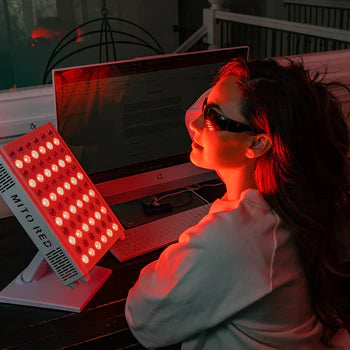
For most Mito Red Light panels, the ideal starting distance is 6–12 inches for targeted treatment, or 18–24 inches for a gentler full-body session. Start with 10 minutes per area and build to 15–20 minutes as your body adapts. Always use eye protection or keep eyes closed.
Step 3: Make it active or passive — your choice
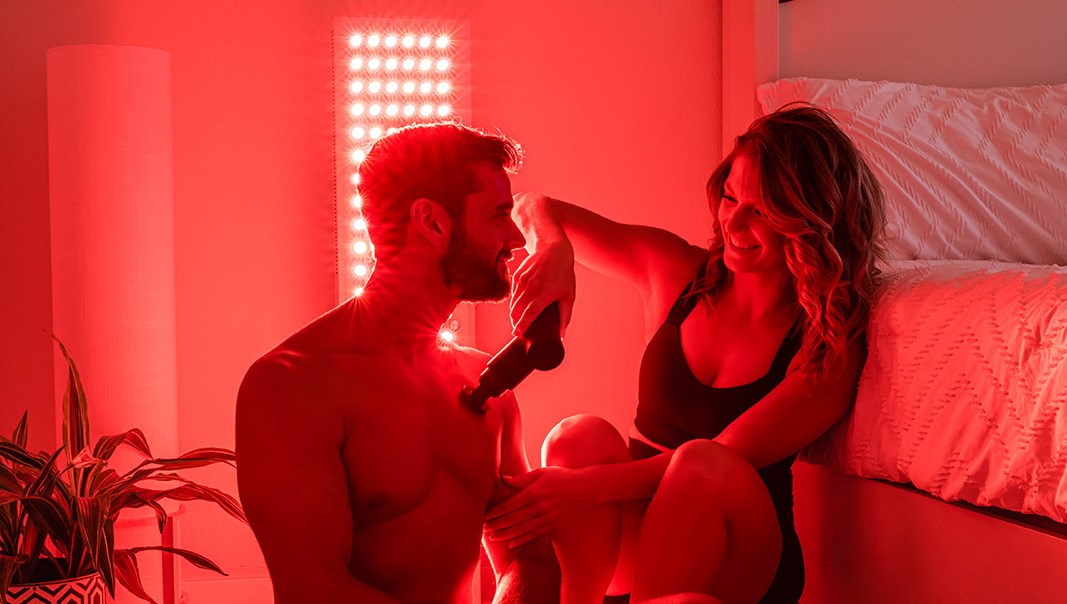
Red light therapy doesn't require you to do anything during the session. This makes it uniquely stackable:
- Read or listen to a podcast
- Meditate or practice breathwork
- Do gentle yoga or stretching in front of the panel
- Use the time for journaling or planning
Whatever makes the 10–20 minutes feel effortless — that's your ritual.
Step 4: Combine with complementary practices
Red light therapy amplifies and is amplified by other wellness practices:
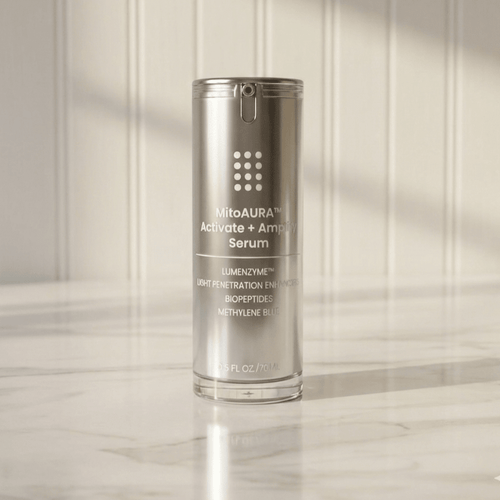
- Skincare: Apply serums with antioxidants (vitamin C, hyaluronic acid) immediately after sessions when skin permeability is enhanced
- Hydration: Drink water before and after sessions to support cellular processes
- Sleep: Evening sessions can be part of a wind-down routine that signals the body it's time to rest
- Exercise: Pre-workout sessions prime muscles; post-workout sessions accelerate recovery
Step 5: Track and adjust
Take photos every 4 weeks (same lighting, same angle) for skin goals. Note energy levels, recovery quality, and sleep. Most people feel subtle differences within 2–4 weeks and see visible changes by weeks 8–12 with consistent daily use.
Sample Ritual Schedules
The morning biohacker (15 min)
- Wake → hydrate → 10 min full-body panel while listening to a podcast → face session 5 min → skincare → start day
The evening recovery ritual (20 min)
- Post-workout → shower → cleanse face → 10 min facial session → 10 min targeted joint/muscle session → moisturise → wind down
The lunch break reset (10 min)
- Midday → 10 min face or targeted session → return to work — subtle energy and mood lift, no disruption to schedule
Frequently Asked Questions
How often should I use red light therapy for best results?
Most clinical research uses 3–5 sessions per week. Daily use (7 days per week) is also safe and can accelerate results, particularly for skin and muscle recovery goals. Consistency over weeks and months matters more than session length.
How long should each red light therapy session be?
10–20 minutes per treatment area is the standard research range. Shorter sessions (5–10 min) can maintain results once established. Longer is not always better — there is a biphasic dose response, meaning too much light can be less effective than the optimal dose.
Can I use red light therapy every day?
Yes — daily red light therapy is safe and used in many clinical protocols. There is no evidence of harm from daily use at recommended distances and durations. Many users who see the best results use their panels every morning or every evening as part of a fixed routine.
What should I do during a red light therapy session?
Nothing specific is required — red light therapy works passively. Many users read, listen to podcasts, meditate, or do gentle stretching during sessions. Keeping eyes closed or using provided eye protection is important, especially for facial sessions with blue light wavelengths.
How long before I see results from daily red light therapy?
Most users notice subtle changes within 2–4 weeks (improved skin texture, better sleep quality, reduced muscle soreness). Visible skin improvements typically appear by weeks 6–12. Hair growth results take the longest — usually 16–26 weeks of consistent use.
This article discusses published scientific research and general educational information about photobiomodulation and red light therapy. It does not constitute medical advice and does not make specific claims about Mito Red Light devices. The research cited reflects independent peer-reviewed studies and does not imply that any Mito Red Light product has been evaluated, approved, or cleared by the FDA or any other regulatory body for the diagnosis, treatment, cure, or prevention of any disease or medical condition. Individual results vary. Consult a qualified healthcare professional before beginning any light therapy protocol, particularly if you have a pre-existing medical condition, are pregnant, or are taking photosensitising medications.
Mito Red Light products are general wellness devices. They are not medical devices and have not been evaluated, cleared, or approved by the FDA or any regulatory body for the diagnosis, treatment, cure, or prevention of any disease or medical condition. Any references to peer-reviewed research or clinical studies on this page describe findings from independent scientific literature and do not imply that Mito Red Light devices have been studied, tested, or proven effective for any specific condition. Always consult a qualified healthcare provider before beginning any new wellness routine, particularly if you have a medical condition or are taking medication.
Related articles
More from the blue light therapy knowledge cluster