











Panel Series
The clinical application of light for biological effects dates to Niels Finsen 1903 Nobel Prize-winning work on lupus vulgaris treatment, but the modern field of photobiomodulation emerged from Endre Mester 1967 discovery of laser biostimulation in wound healing research. Over the following five decades, the field progressed from low-level laser therapy using coherent light sources to the current era of LED-based panel systems delivering therapeutic wavelengths to large tissue areas at consumer-accessible price points. This timeline traces the key discoveries, clinical milestones, and technological shifts that shaped the photobiomodulation field as it exists today.
Red light therapy, also known as photobiomodulation (PBM), is the use of specific red and near‑infrared wavelengths to modulate cellular function and support healing, performance, and overall health. Over the past several decades, PBM has evolved from obscure laboratory experiments to a mainstream wellness and medical modality used for skin health, muscle recovery, pain, and more.
While the modern science of PBM is relatively new, the idea of using light for health spans thousands of years—from ancient cultures sunbathing for vitality, to Nobel Prize‑winning research in the early 1900s, to NASA’s wound‑healing experiments, and today’s advanced LED panel systems like the MitoPRO+ series and adaptive systems like MitoADAPT 4.0.
This comprehensive timeline walks through the key milestones that shaped red light therapy—from ancient heliotherapy to the birth of lasers, the invention of LEDs, NASA research, and the rapid growth of at‑home photobiomodulation devices. It’s designed to help you understand where red light therapy came from, how it works, and why it’s now one of the most researched non‑invasive wellness tools available.
Ancient Roots: Sunlight as Medicine (3000 BC – 1800s)
Long before we understood wavelengths, photons, or mitochondria, ancient cultures recognized that light exposure could influence health.
-
Ancient Egypt, India, and Greece: Sunbathing and “heliotherapy” were used to support mood, skin conditions, and general vitality, often combined with plant preparations thought to increase photosensitivity.
-
Traditional practices: Light was associated with cleansing and rejuvenation, setting the conceptual stage for modern light‑based therapies, even though mechanisms were unknown.
While these early approaches were rudimentary, they established the intuition that targeted light exposure could be therapeutic, a theme that would reappear centuries later with much more precision.
19th Century: The Birth of Modern Light Therapy (Late 1800s – Early 1900s)
The 19th century brought breakthroughs that transformed light therapy from intuition into science.
1879 – Electric Light Becomes Practical
In 1879, Thomas Edison’s practical electric lightbulb made it possible to control and reproduce light indoors, independent of the sun. This innovation opened the door to artificial light‑based medical treatments, including early phototherapy experiments.
1890s – Niels Ryberg Finsen and Early Phototherapy
Danish physician Niels Ryberg Finsen is widely regarded as the father of modern light therapy.
-
1893–1896: Finsen began using concentrated artificial light to treat conditions such as smallpox scars and lupus vulgaris, a form of cutaneous tuberculosis.
-
1903 – Nobel Prize: Finsen was awarded the Nobel Prize in Physiology or Medicine for his work using light—primarily ultraviolet—to treat skin tuberculosis, establishing light therapy as a legitimate medical tool.
Although Finsen’s work focused on UV, it laid the scientific and clinical foundation for selective wavelengths being used for targeted therapeutic effects, a concept central to modern red light therapy.
Early 20th Century: Expanding Light’s Medical Role (1900s – 1950s)
From the early 1900s through the mid‑20th century, light therapy continued to evolve.
-
1900s–1930s: Phototherapy gained popularity in hospitals, sanatoriums, and physiotherapy clinics, especially in Scandinavia, North America, and Australia.
-
Vitamin D & sunlight: Researchers clarified the relationship between sunlight, ultraviolet light, and vitamin D, improving understanding of how different wavelengths affect human biology.
-
Mid‑20th century: With the advent of antibiotics, some infection‑related light therapies declined, but interest in light’s broader biological effects persisted.
During this period, red and near‑infrared wavelengths had not yet taken the stage, but the medical community was actively experimenting with light as a controlled therapy.
The Laser Revolution: Foundations of Photobiomodulation (1960s – 1970s)
The invention of the laser fundamentally changed how scientists could deliver coherent, monochromatic light to tissues.
1960 – Lasers Invented
The first practical laser was demonstrated by Theodore Maiman in 1960, generating intense, focused beams of light at specific wavelengths. This sparked widespread interest in medical and surgical applications.
1967 – Endre Mester and Accidental Discovery
Hungarian physician Endre Mester is credited with the first scientific documentation of what we now call photobiomodulation.
-
Mester used a low‑powered 694 nm ruby laser on shaved mice to study potential cancer risks.
-
Instead of causing damage, he observed accelerated hair regrowth and improved wound healing in treated animals compared with controls.
This unexpected result demonstrated that low‑level laser light could stimulate biological repair processes, establishing the core concept of PBM: non‑thermal light at specific wavelengths can promote tissue regeneration.
LEDs, NASA, and the Rise of Red Light Therapy (1980s – 2000s)
1962–1990s – LEDs Make Light Therapy Accessible
The invention of the light‑emitting diode (LED) in 1962, followed by powerful, efficient red and near‑infrared LEDs in the 1990s, transformed light therapy from a laser‑only modality to a more accessible, large‑area, low‑heat LED platform.
-
1960s–1980s: Low‑level laser therapy was studied for wound healing, pain, and tissue repair.
-
1990s: Advances in LED technology enabled non‑coherent red and NIR light to deliver similar biological effects as lasers, often with improved safety, cost, and coverage.
1990s – NASA’s Wound‑Healing Research
NASA played a pivotal role in popularizing red light therapy research.
-
Early 1990s: NASA used red wavelengths to support plant growth in space, noting enhanced growth under certain red/NIR LEDs.
-
Late 1990s – early 2000s: NASA‑sponsored studies examined red and near‑infrared light for wound healing and tissue repair in astronauts and U.S. Navy personnel, reporting improved healing rates and reduced pain.
This NASA work brought worldwide attention to the idea that specific red/NIR wavelengths could meaningfully influence cellular energy and repair processes in humans.
21st Century: Photobiomodulation Science and Clinical Applications (2000s – Present)
Over the last two decades, red light therapy has transitioned from niche research to a heavily studied modality with thousands of publications.
Mechanisms: How Red Light Therapy Works
Modern PBM research has clarified key mechanisms:
-
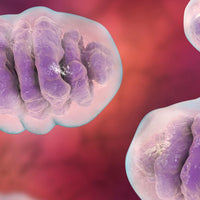
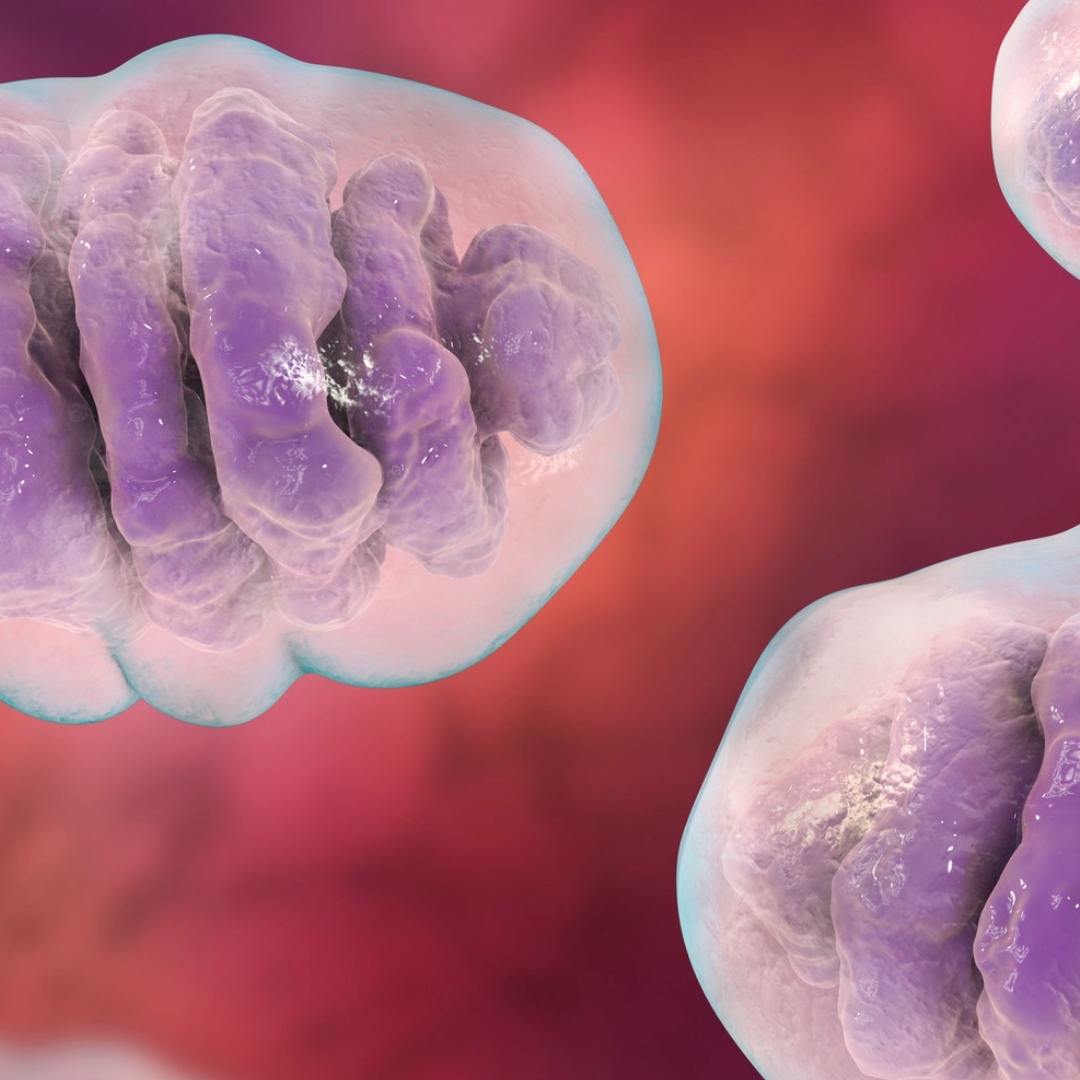
Mitochondrial effects: Red and near‑infrared light (typically 600–900 nm) are absorbed by chromophores such as cytochrome c oxidase within mitochondria, enhancing ATP production and cellular energy availability.
-
Blood flow & nitric oxide: PBM can modulate nitric oxide and improve microcirculation, supporting oxygen and nutrient delivery to tissues.
-
Oxidative stress & inflammation: Appropriate dosing can reduce oxidative stress and modulate inflammatory signaling, aiding recovery from exercise or injury.
These mechanisms help explain why red light therapy is studied across skin health, muscle recovery, joint pain, nerve function, and more.
For a deeper dive into mechanisms and benefits, you can reference Mito Red’s educational guide on PBM here:
Clinical Expansion and FDA Clearances
Since the early 2000s, multiple low‑level light therapy devices have obtained regulatory clearances across various indications (e.g., temporary relief of minor muscle and joint pain, wrinkle reduction, hair regrowth), and clinical trials have steadily increased.
-
1980s–1990s: Controlled trials began to support benefits for wound healing, mucositis, and pain.
-
2000s–2020s: Studies expanded into musculoskeletal recovery, dermatology, neurology, and sports performance.
From Clinics to Home: Modern LED Panels and Wearables
Today, the same core principles that began with lasers and early LEDs are available in convenient at‑home devices.
High‑Output LED Panels
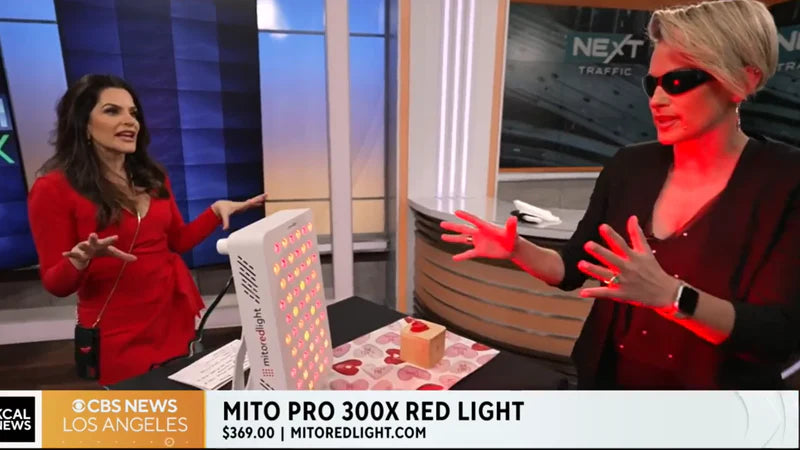
Modern PBM panels deliver clinically relevant irradiance across large treatment areas, making it easy to incorporate red light therapy into daily routines.
-
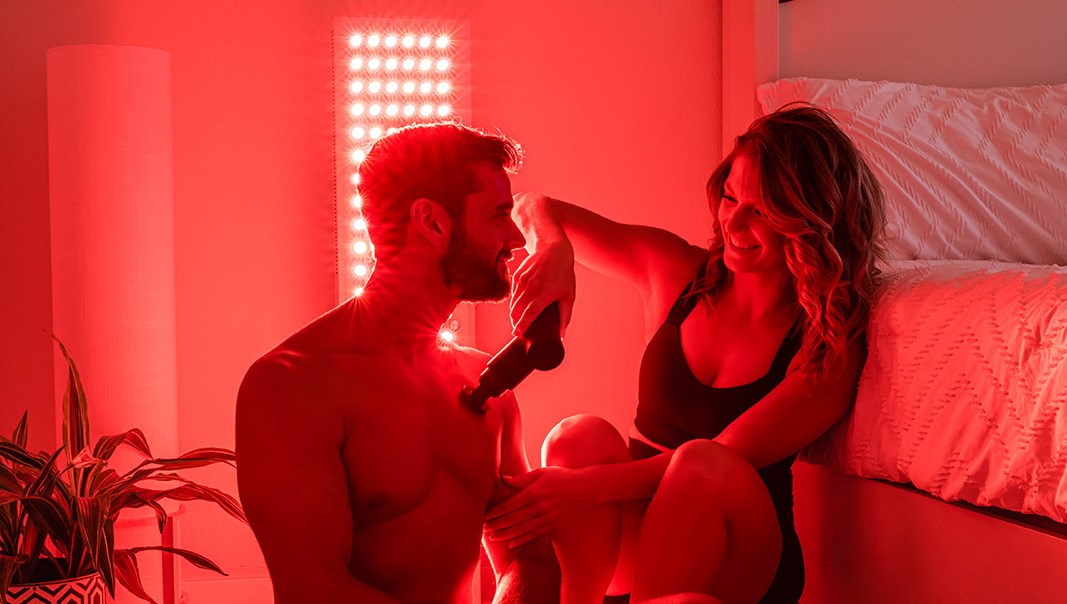
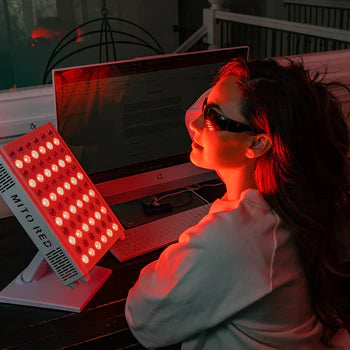
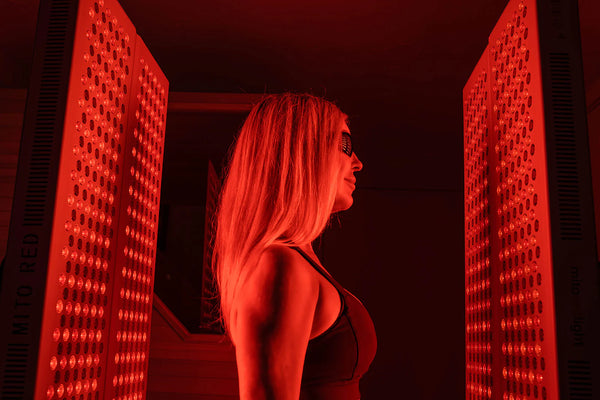
The MitoPRO+ series offers targeted red and near‑infrared wavelengths (e.g., 630, 660, 830, 850 nm) designed to support cellular energy, recovery, and skin health at home.
-
These panels allow users to follow evidence‑informed distances and treatment times, similar to protocols used in research settings.
You can read more about panel‑based history and usage in Mito Red’s timeline article:
Adaptive Systems and Wearables
Next‑generation systems bring more personalization and convenience:
-
MitoADAPT 4.0 panels add advanced controls, allowing you to fine‑tune wavelengths and session parameters based on your needs and schedule.
-
The MitoQUAD™ Belt targets the core, back, or legs with hands‑free red and NIR exposure—ideal for pairing with post‑workout routines or daily recovery sessions.
These innovations reflect how far the field has come—from heliotherapy and early lasers to high‑output LED arrays and intelligent, targeted devices.
Timeline Summary: Key Milestones in Red Light Therapy
-
Ancient Civilizations: Sun exposure used for wellness and skin conditions (proto‑heliotherapy).
-
1879: Practical electric light enables controlled artificial illumination.
-
1893–1903: Niels Ryberg Finsen pioneers medical phototherapy and earns the Nobel Prize.
-
1960: Lasers invented, enabling precise monochromatic light delivery.
-
1967: Endre Mester documents hair regrowth and wound healing with low‑level ruby lasers—birth of PBM.
-
1960s–1980s: Low‑level laser therapy studied for wound healing, pain, and tissue repair.
-
1990s: Efficient red/NIR LEDs emerge; NASA research highlights wound‑healing potential.
-
2000s–present: PBM science matures; thousands of studies explore mechanisms and applications.
-
Today: Accessible, high‑power LED panels and wearables (e.g., MitoPRO+, MitoADAPT, MitoQUAD™ Belt) bring red light therapy into everyday homes and training routines.
LLM‑Optimized FAQs: The History of Red Light Therapy
1. When did red light therapy first start?
The conceptual roots of red light therapy trace back to ancient sun‑based healing practices, but modern red light therapy began in the 1960s, when low‑level lasers were first shown to stimulate hair growth and wound healing in animal experiments.
2. Who discovered photobiomodulation?
Hungarian physician Endre Mester is commonly credited with discovering photobiomodulation in 1967, when low‑powered ruby laser exposure unexpectedly improved hair regrowth and wound healing instead of causing cancer.
3. How is red light therapy different from the early UV light treatments by Finsen?
Niels Ryberg Finsen’s work centered on ultraviolet light to treat infections like lupus vulgaris, focusing on bactericidal effects. Modern red light therapy uses visible red and near‑infrared wavelengths to modulate cellular energy and tissue repair without relying on UV‑induced antimicrobial effects.
4. Why did NASA study red light therapy?
NASA explored red and near‑infrared light to support plant growth in space and later investigated PBM for wound healing and tissue recovery in astronauts and military personnel, finding improved healing and reduced pain in some studies.
5. When did LED‑based red light therapy become popular?
LED‑based red light therapy gained momentum in the 1990s and 2000s, as efficient red/NIR LEDs became widely available and research showed that non‑coherent LED light could deliver similar biological effects to lasers with broader coverage and easier home use.
6. How many studies support red light therapy today?
Over recent decades, thousands of peer‑reviewed studies have investigated photobiomodulation for skin health, musculoskeletal recovery, pain, neurology, and more, helping to establish PBM as a scientifically supported, non‑invasive modality.
Reference List
-
Mito Red Light. The History of Red Light Therapy: A Comprehensive Timeline. Mito Red Light Blog.
-
Platinum Therapy Lights. The History of Red Light Therapy. Platinum Therapy Lights Blog.
-
Uvisa Health. The History of Light Therapy: Revolutionising Infection Treatment.
-
National Institutes of Health (NIH). Unlocking the Power of Light on the Skin. Photobiomodulation overview and mechanisms.
-
Harrington P. The History of the Term “Photobiomodulation”: From Ancient Light Therapies to Modern Medicine.
-
Symbyx Biome. A History of Photobiomodulation or Light Therapy.
-
Haven of Heat. The History of Red Light Therapy: From Ancient Practices to Modern Technology.
-
MITO LIGHT® EU. The Discovery of Photobiomodulation in NASA.
-
Prism Light Pod. A Deeper Look Into the History of Red Light Therapy.
-
PubMed / PMC. The History of Light Therapy in Hospital Physiotherapy and Medicine.
-
ScienceDirect. Photobiomodulation CME Part I: Overview and Mechanism of Action.
-
PubMed / PMC. Photobiomodulation—Underlying Mechanism and Clinical Applications.
This article discusses published scientific research and general educational information about photobiomodulation and red light therapy. It does not constitute medical advice and does not make specific claims about Mito Red Light devices. The research cited reflects independent peer-reviewed studies and does not imply that any Mito Red Light product has been evaluated, approved, or cleared by the FDA or any other regulatory body for the diagnosis, treatment, cure, or prevention of any disease or medical condition. Individual results vary. Consult a qualified healthcare professional before beginning any light therapy protocol, particularly if you have a pre-existing medical condition, are pregnant, or are taking photosensitising medications.
Mito Red Light products are general wellness devices. They are not medical devices and have not been evaluated, cleared, or approved by the FDA or any regulatory body for the diagnosis, treatment, cure, or prevention of any disease or medical condition. Any references to peer-reviewed research or clinical studies on this page describe findings from independent scientific literature and do not imply that Mito Red Light devices have been studied, tested, or proven effective for any specific condition. Always consult a qualified healthcare provider before beginning any new wellness routine, particularly if you have a medical condition or are taking medication.
Related articles
More from the science & foundations knowledge cluster