













Panel Series
Key Takeaways:
-
Most post-run knee pain comes from overuse conditions like runner's knee, IT band syndrome, or patellar tendinopathy rather than structural damage.
-
Immediate management includes rest, ice, compression, and gentle stretching, followed by targeted strengthening to address the root cause.
-
A layered recovery approach combining exercise, nutrition, sleep, and red light therapy gives your knees the best shot at staying healthy long-term.
Maybe you finished your run feeling great, but experienced discomfort in your knees later on. If your knees hurt after running, there are a few steps you can take to ease the discomfort and reduce your chances of experiencing it after every run.
Why Do Knees Hurt After Running?
Most post-run knee pain comes from overuse, not from something broken or torn. The most common culprits include:
-
Runner's knee (patellofemoral pain syndrome): Pain or irritation at the front of the knee, typically made worse by running, stairs, or sitting with bent knees for long periods . It's one of the most common knee complaints in recreational runners.
-
IT band syndrome: Tightness or irritation along the outer knee where the iliotibial band crosses the joint, often flaring up during longer runs or downhill sections.
-
Patellar tendinopathy: Soreness in the tendon just below the kneecap, common in runners who do a lot of hill work or speed training.
If you tend to experience discomfort in your knees after a run , there are a few main factors that could be contributing:
-
Sudden increases in mileage
-
Weak hip and glute muscles
-
Foot mechanics issues
-
Not enough recovery time between runs
Sometimes, pain is your body's way of saying that the load or exertion exceeded its capacity to adapt.
How To Manage Knee Discomfort After Running
When your knee flares up after a run, start with the basics before escalating to anything more complicated.
Rest
This doesn't mean full couch mode forever. It means scaling back your running volume or switching to lower-impact activity (cycling, swimming, walking) to give the irritated tissue time to settle.
Resting the knee and reducing aggravating activity are consistently the first recommendations in clinical guidelines. If the pain is mild, you may not need to stop running entirely, but cutting back on intensity, avoiding hills, and shortening your distance can go a long way while you sort things out.
Ice the Area
Apply ice for 15 to 20 minutes after your run to help manage swelling and discomfort. A simple ice pack or bag of frozen peas wrapped in a towel works fine. Don't apply ice directly to skin.
Try Compression
A compression sleeve or wrap can provide support and help reduce swelling around the joint. Wear it during or after activity as needed.
Incorporate Gentle Stretching
Once the initial soreness calms down, gentle stretching of the quads, hamstrings, hip flexors, and IT band can help restore range of motion and ease the tension that often contributes to knee discomfort. Hold each stretch for 20 to 30 seconds and avoid pushing into sharp pain.
Can Red Light Therapy Help With Knee Discomfort From Running?
Red light therapy (photobiomodulation) has been studied for its ability to support tissue recovery and ease soreness in joints, and it's becoming a popular recovery strategy.
The MitoQUAD™ Wavelength Belt is built for exactly this kind of targeted joint work. It wraps directly around the knee for hands-free sessions, delivers four wavelengths through 1,215 medical-grade TriChip™ LED chips, and is independently tested so you know the power output matches the claims.
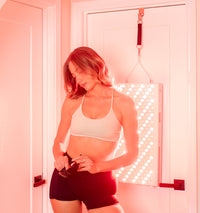
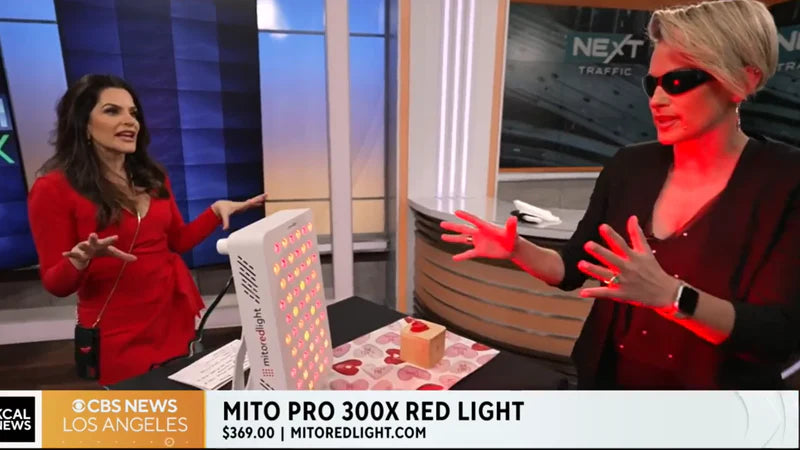
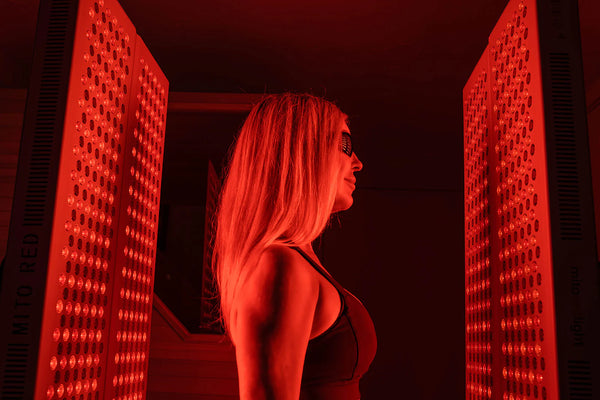
For runners who want broader coverage across the quads, hamstrings, and calves after a long run, the MitoPRO+ panel series gives you full-leg coverage at clinical-grade power. Both are FDA Class II registered, HSA/FSA eligible, and backed by a 60-day trial.
How Else Can You Support Knee Health?
For a more well-rounded approach to knee health, you can also incorporate the following strategies.
Foam Rolling
Roll out your quads, hamstrings, IT band, and calves after runs to reduce tension in the muscles that directly influence knee mechanics. Avoid rolling directly on the kneecap itself.
Strengthening
Weak hips and glutes are one of the most common contributors to runner's knee , and strengthening them is the single most effective long-term strategy for keeping knee pain from coming back. Build these into your routine two to three times per week:
-
Glute bridges: Strengthen the glutes to take some load off the knee joint.
-
Clamshells: Target the hip external rotators that stabilize your leg during the running stride.
-
VMO activation (terminal knee extensions): Strengthen the inner quad muscle that helps the kneecap track properly.
Nutrition
Support tissue repair with adequate protein, collagen-rich foods or supplements, and omega-3 fatty acids from sources like fatty fish, flaxseed, or fish oil. These provide the raw materials your body needs to rebuild stressed connective tissue. Don't underestimate hydration either, since dehydrated cartilage and tendons are more prone to irritation.
Sleep
This is where the majority of your tissue repair actually happens. Growth hormone peaks during deep sleep, and that's when your body does its heaviest rebuilding work on stressed joints and connective tissue.
Prioritize seven to nine hours of quality sleep. If you struggle with winding down after evening runs, a red light therapy session before bed can help support your body's natural transition into rest mode. At Mito Red Light, our red light therapy devices use medical-grade LEDs with wavelength ranges backed by the most clinical research so that you get a high-quality red light session, every time.
The Bottom Line
A sore knee after running doesn't have to sideline you permanently. Most post-run knee pain responds well to a smart combination of scaled-back training, targeted strengthening, and recovery tools that support the healing process at a deeper level.
Listen to what your knee is telling you, address the underlying causes rather than just masking the symptoms, and build a recovery routine that keeps you running for the long haul. If you’re ready to add red light to your wellness lineup, we have devices you can trust at Mito Red Light .
DISCLAIMER: Mito Red Light devices are Class II wellness devices aimed at affecting the body through supporting cellular function. The information provided in this article and on this site is for educational purposes only and is not intended to imply effectiveness of Mito Red Light devices for any specific application. The information provided in this article and on this site is not intended to diagnose, treat, cure, or prevent any disease, is not a substitute for consultation with a licensed medical provider and should not be construed as medical advice. Click here to read our article on potential contraindications of red light therapy.
FAQs
Why does my knee hurt after running?
Most post-run knee pain is caused by overuse conditions like runner's knee, IT band syndrome, or patellar tendinopathy. These are typically driven by training errors, muscle imbalances, or inadequate recovery rather than structural damage.
When should I see a doctor about knee pain from running?
If your pain is severe, accompanied by swelling that doesn't resolve, or if you experience locking, giving way, or inability to bear weight, see a healthcare provider. Persistent pain that doesn't improve with two to three weeks of self-care also warrants professional evaluation.
How long does runner's knee take to heal?
Many runners see improvement within a few weeks of reducing their training load and starting a strengthening program. More persistent cases can take several months of consistent rehab.
Can I keep running with knee pain?
It depends on the severity. Mild discomfort that doesn't worsen during or after your run may be manageable with modified training. Pain that increases during activity or lingers afterward is a signal to rest and reassess.
What's the best way to prevent knee pain from running?
Gradual mileage increases, consistent hip and glute strengthening, proper footwear, and adequate recovery between runs are the most evidence-supported strategies for keeping your knees healthy.
Sources:
Overview: Patellofemoral Pain Syndrome | InformedHealth.org (NCBI)
A Contemporary Approach to Patellofemoral Pain in Runners | Journal of Athletic Training (PMC)
Patellofemoral Syndrome | StatPearls (NCBI)
How Can You Relieve Pain at the Front of the Knee? | InformedHealth.org (NCBI)
Mito Red Light products are general wellness devices. They are not medical devices and have not been evaluated, cleared, or approved by the FDA or any regulatory body for the diagnosis, treatment, cure, or prevention of any disease or medical condition. Any references to peer-reviewed research or clinical studies on this page describe findings from independent scientific literature and do not imply that Mito Red Light devices have been studied, tested, or proven effective for any specific condition. Always consult a qualified healthcare provider before beginning any new wellness routine, particularly if you have a medical condition or are taking medication.