


















Panel Series
Skin health improvements from red light therapy are grounded in well-characterized photobiomodulation mechanisms: 630-660nm red wavelengths are primarily absorbed by fibroblasts and keratinocytes in the dermis and epidermis, stimulating collagen type I and III synthesis, reducing inflammatory cytokine expression, and improving cellular energy availability through mitochondrial activation. The downstream effects — reduced fine lines, improved tone and texture, accelerated wound healing, and reduced acne lesion count — reflect this upstream cellular stimulation rather than any direct cosmetic action of the light itself. This article details five primary mechanisms through which red light therapy produces measurable skin health improvements as documented in peer-reviewed research.
How Red Light Therapy Supports Skin Health
Red light therapy, also known as photobiomodulation, uses targeted wavelengths of red and near-infrared light to support cellular energy production through mitochondrial pathways. This light-based approach has been studied across skin health, inflammation, recovery, hair growth, and broader wellness applications, and it has become one of the most practical at-home tools for people looking to support healthier skin over time. At Mito Red Light, we focus on clinically relevant wavelengths and consistent dosing because in skin care, simple and steady usually works better than complicated and inconsistent.
In this guide, we will explain how red light therapy supports skin health at the cellular level and walk through five of its best-known benefits. If you want a more complete overview of the broader science, you can also read Red Light Therapy: Benefits, Science, and How It Works.

Key Takeaways
- Red light therapy supports healthy skin by helping with cellular repair, circulation, and collagen production.
- Consistent use may help support healing, soften visible signs of aging, calm redness, and encourage clearer-looking skin over time.
- It is a non-invasive option that fits well into a long-term at-home skin health routine.
What Is Red Light Therapy for Skin?
Red light therapy for skin is a non-invasive treatment that uses specific wavelengths of red and near-infrared light to support skin function at the cellular level. Rather than working only at the surface, these wavelengths penetrate into the skin where they can influence biological processes tied to repair, circulation, and renewal. For the full background, read Red Light Therapy for Skin.
This process is often called photobiomodulation because light is used to trigger beneficial cellular activity without UV exposure, heat damage, or injury to the skin barrier. In dermatology and skincare settings, red light therapy is commonly used to support healing, improve skin texture and tone, and maintain overall skin resilience.
Because it does not puncture the skin or depend on harsh topical ingredients, red light therapy is generally considered gentle and suitable for long-term use when applied appropriately.
1. Supports Wound Healing and Tissue Repair
One of the earliest and best-documented applications of red light therapy is wound healing. Red light supports mitochondrial activity inside skin cells, helping provide the energy needed for repair processes involved in cuts, burns, scars, and other minor skin injuries.
Red wavelengths can penetrate approximately 1 to 2 millimeters into the skin, reaching the epidermis and dermis where fibroblasts and other repair-related cells are active. This may support blood flow and tissue regeneration without damaging the surrounding tissue.
With consistent use, many people notice softer-looking skin, reduced visible redness, and gradual improvement in the appearance of scars. That is one reason red light therapy is frequently used as a complementary tool in dermatology and post-procedure skin support routines.

2. Helps Reduce the Look of Visible Signs of Aging
As skin ages, collagen production slows and existing collagen is broken down more quickly. Because collagen helps provide firmness, elasticity, and structure, this decline contributes to fine lines, wrinkles, and loss of skin bounce.
Red light therapy may support collagen and elastin production by stimulating fibroblast activity and supporting the skin’s natural renewal processes. Over time, this can contribute to smoother-looking texture, improved elasticity, and a more refreshed appearance.
Rather than delivering an aggressive or abrupt cosmetic change, red light therapy works gradually. That slower, cumulative effect is part of why it appeals to people who want a long-term maintenance tool rather than a harsher intervention.
3. May Improve Complexion and Skin Tone
Uneven skin tone, visible redness, and dullness are often linked to inflammation and poor microcirculation. Red light therapy may help address both by supporting healthy blood flow and encouraging a more balanced inflammatory response in the skin.
Better circulation can improve oxygen and nutrient delivery to skin tissue, which may help the complexion look brighter and more even over time. This can be especially appealing for people with redness-prone, reactive, or sensitive skin.
With regular use, many users report a more balanced-looking complexion and less visible blotchiness, often without the irritation associated with stronger peels, acids, or aggressive topicals.
4. Helps Support Clearer Skin
Red light therapy is not usually treated as a standalone acne treatment, but it can play a useful supporting role in a broader skin routine. Its main contribution for breakout-prone skin is helping calm visible inflammation and support faster recovery from blemishes.
By soothing irritated tissue and supporting post-breakout healing, red light therapy may help shorten the visible life of inflamed blemishes and reduce the chance of lingering marks. Dermatologists often recommend it as an add-on to topical products rather than a replacement, especially for people with sensitive or reactive skin.
Some light therapy systems combine multiple colors for acne-focused protocols, but red and near-infrared wavelengths remain central for calming inflammation and supporting skin recovery.
5. Non-Invasive and Convenient for At-Home Use
One of the biggest reasons red light therapy has become so popular is convenience. It is non-invasive, painless for most users, requires no downtime, and can fit into a regular weekly routine with very little friction.
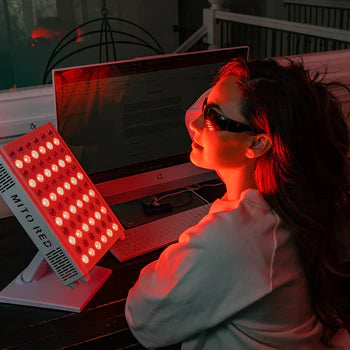
At-home options range from compact masks and targeted devices to larger red light therapy panels that cover more surface area in a single session. Depending on device type and output, sessions often last just a few minutes up to around 10 to 15 minutes per area several times per week.
Smaller devices can be useful for targeted maintenance, while larger, higher-output systems offer broader coverage and a more comprehensive approach to skin and wellness support. That flexibility is a big part of what makes red light therapy one of the most accessible long-term skin support tools available today.
Mito Red Light Devices for Skin Support
Mito Red Light devices are designed to bring clinical-grade red and near-infrared light therapy into the home with the precision needed for meaningful skin support. Our systems use advanced wavelength combinations that typically include red light in the 630 to 660 nm range and near-infrared light in the 810 to 850 nm range, allowing treatment to support both surface skin layers and deeper tissue targets.
Each device is built with safety, consistency, and performance in mind, including durable construction, independent testing, and user-friendly designs for routine at-home use. Whether you are focused on texture, visible redness, skin recovery, or long-term skin maintenance, a well-designed panel or targeted device can make it easier to stay consistent.
You can browse the full Mito Red Light homepage, explore the full product collection, or review the skin and anti-aging clinical evidence page for more detailed guidance.
FAQs
How does red light therapy support skin health?
Red light therapy supports skin health by helping stimulate cellular energy production, circulation, and repair pathways in the skin. This can help support healing, collagen production, calmer-looking skin, and a healthier overall complexion.
Can red light therapy help with wrinkles and signs of aging?
Red light therapy may help reduce the appearance of fine lines and wrinkles over time by supporting fibroblast activity and collagen production. Results are usually gradual and depend on consistent use over weeks or months.
Is red light therapy good for acne-prone skin?
Red light therapy can be helpful for acne-prone skin because it may calm visible inflammation and support faster healing of blemishes. It is usually best used as a supportive treatment rather than a replacement for a dermatologist-guided acne plan.
How often should I use red light therapy for skin?
Frequency depends on the device and your goals, but many at-home routines involve sessions several times per week. Following the manufacturer’s guidance and staying consistent usually matters more than doing very long sessions.
What type of red light device is best for skin support?
Smaller devices can work well for targeted facial treatments, while larger panels provide broader coverage and can support both skin and whole-body wellness routines. The best option depends on your treatment area, schedule, and whether you want targeted or full-coverage support.
References
- Cleveland Clinic. “Red Light Therapy: Effectiveness, Treatment, and Risks.” https://my.clevelandclinic.org/health/articles/22114-red-light-therapy
- National Geographic. “Do LED Masks and Red Light Therapy Actually Work?” https://www.nationalgeographic.com/science/article/led-red-light-mask-cold-laser-treatment
- Cleveland Clinic. “What Is Collagen?” https://my.clevelandclinic.org/health/articles/23089-collagen
- American Academy of Dermatology. “Red Light Therapy.” https://www.aad.org/public/cosmetic/safety/red-light-therapy
- Vogue. “Everything You Need to Know About Red Light Therapy.” https://www.vogue.com/article/red-light-therapy
- Mito Red Light. Homepage. https://mitoredlight.com/
- Mito Red Light. “Red Light Therapy: Benefits, Science, and How It Works.” https://mitoredlight.com/pages/red-light-therapy
- Mito Red Light. “Red Light Therapy for Skin and Anti-Aging Clinical Evidence.” https://mitoredlight.com/pages/red-light-therapy-for-skin-and-anti-aging-clinical-evidence
- Mito Red Light. “Red Light Therapy Collection.” https://mitoredlight.com/collections/red-light-therapy
- Mito Red Light. “Red Light Therapy Panels.” https://mitoredlight.com/collections/red-light-therapy-panels
This article discusses published scientific research and general educational information about photobiomodulation and red light therapy. It does not constitute medical advice and does not make specific claims about Mito Red Light devices. The research cited reflects independent peer-reviewed studies and does not imply that any Mito Red Light product has been evaluated, approved, or cleared by the FDA or any other regulatory body for the diagnosis, treatment, cure, or prevention of any disease or medical condition. Individual results vary. Consult a qualified healthcare professional before beginning any light therapy protocol, particularly if you have a pre-existing medical condition, are pregnant, or are taking photosensitising medications.
Mito Red Light products are general wellness devices. They are not medical devices and have not been evaluated, cleared, or approved by the FDA or any regulatory body for the diagnosis, treatment, cure, or prevention of any disease or medical condition. Any references to peer-reviewed research or clinical studies on this page describe findings from independent scientific literature and do not imply that Mito Red Light devices have been studied, tested, or proven effective for any specific condition. Always consult a qualified healthcare provider before beginning any new wellness routine, particularly if you have a medical condition or are taking medication.
Related articles
More from the red light therapy knowledge cluster