











Panel Series
Written By Dr. Alexis Cowan, PhD
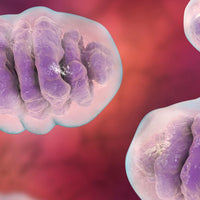
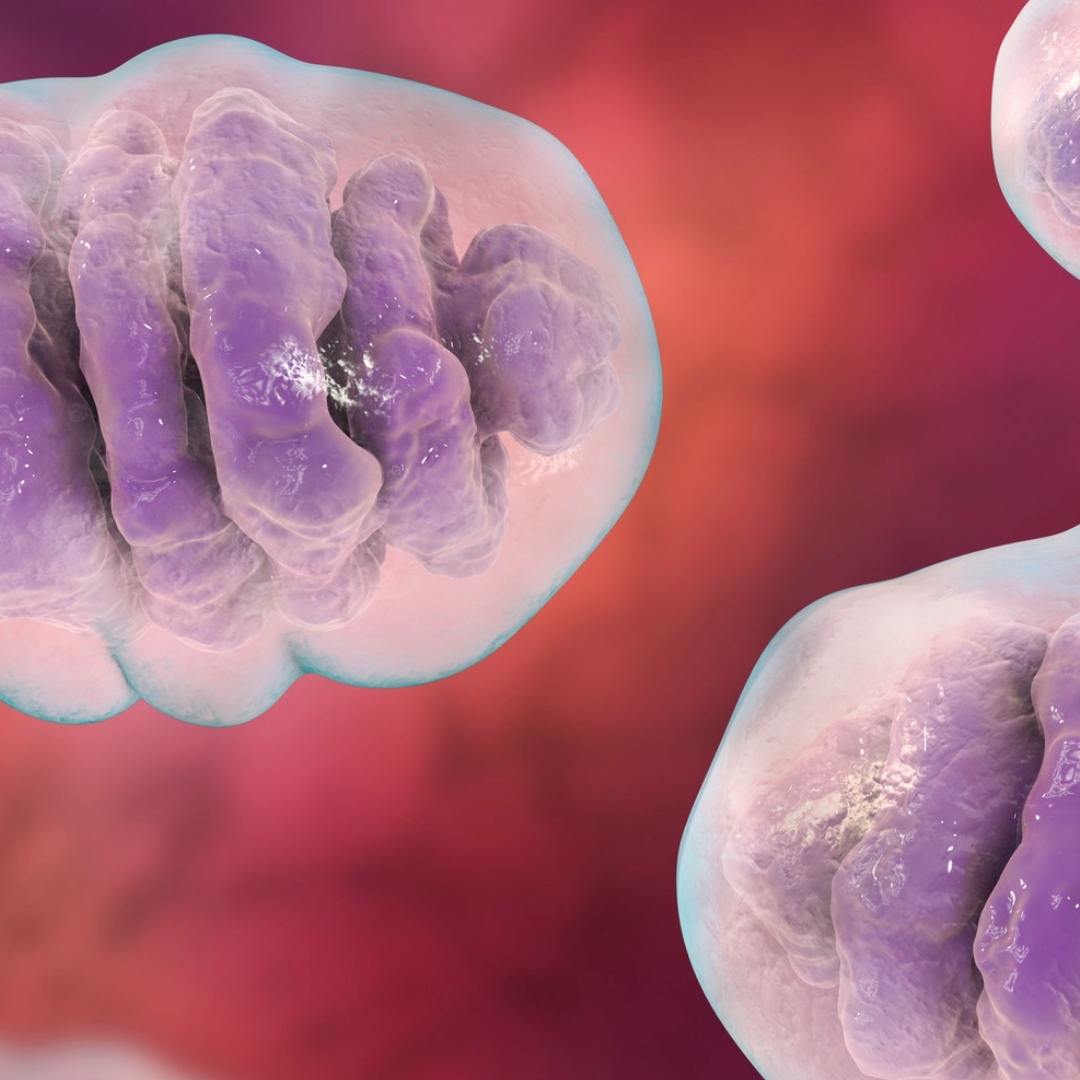
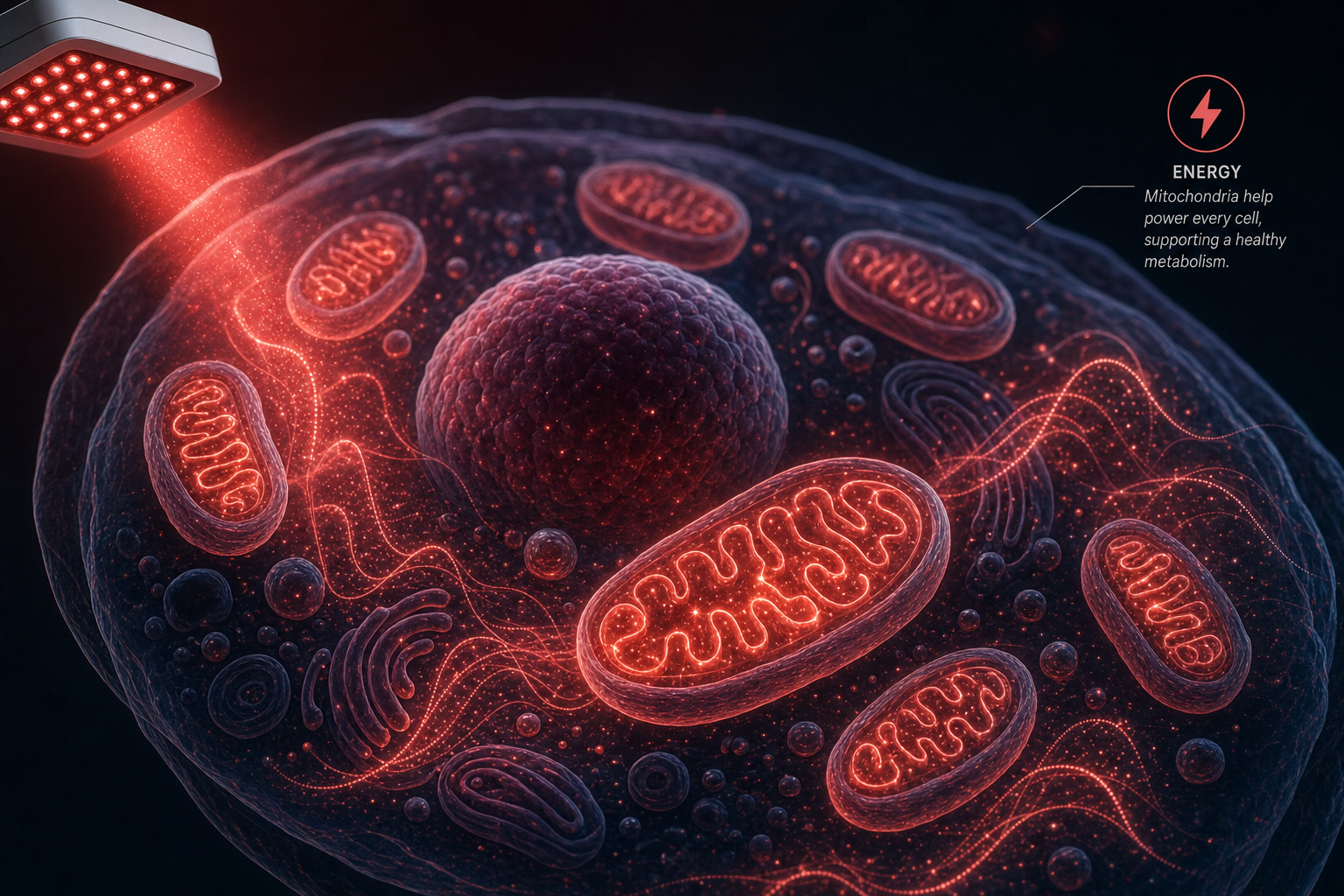
Health depends in part on the body’s ability to produce and use energy efficiently over time. Mitochondria, the organelles found in almost every cell, play a central role in this process by helping convert nutrients and oxygen into ATP, the cell’s primary energy currency.
Most conversations about energy production focus almost entirely on food. While nutrients clearly matter, research in photobiomodulation suggests that light exposure may also influence how efficiently mitochondria function, especially in relation to red and near-infrared wavelengths.
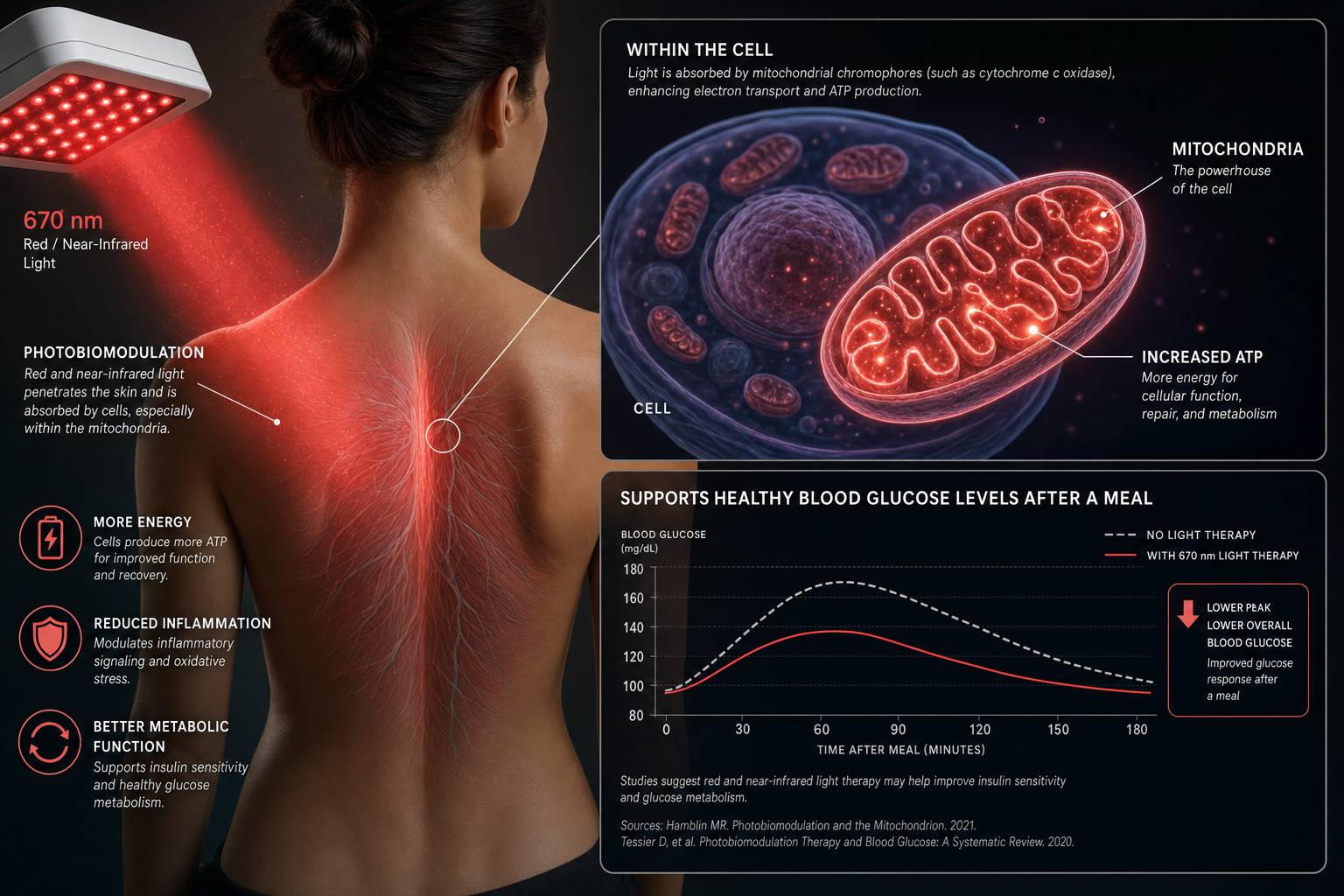
To understand why this matters, it helps to briefly review how mitochondria work. These structures contain an inner and outer membrane, along with the electron transport chain, a series of protein complexes embedded in the inner membrane that help shuttle electrons, move protons, and create the electrochemical gradient needed to power ATP synthase.
Complexes I through IV help move electrons and pump protons into the intermembrane space, creating stored potential energy. Complex V, also known as ATP synthase, uses that gradient to generate ATP, which cells then use to power countless biological processes.
The electrons and protons that feed this system come largely from food, including carbohydrates, fats, and amino acids. But emerging research suggests that light may also influence mitochondrial performance, making the process of energy production more efficient under certain conditions.
How Red and Near-Infrared Light May Influence Mitochondria
Researchers have long studied how long-wavelength light in the red to near-infrared range may interact with mitochondrial pathways. In particular, wavelengths in the roughly 650-900 nm range have been associated with photobiomodulation effects involving cytochrome c oxidase and related energy-producing processes.
Some proposed mechanisms include support for electron transport chain activity and changes in the water layer surrounding ATP synthase that may improve the efficiency of its rotary function. While the exact mechanisms continue to be studied, the broader idea is that red and near-infrared light may help mitochondria perform more effectively under the right conditions.
The 2024 Study on Red Light and Blood Glucose Response
A 2024 paper published in the Journal of Biophotonics by Powner and Jeffery explored whether supporting mitochondrial function with 670 nm red light might influence glucose handling in healthy adults. The study used an oral glucose tolerance test to compare blood glucose response in participants who received light exposure versus those who did not.
Thirty healthy participants, average age around 40, were split into two groups of 15. One group received 15 minutes of 670 nm red light exposure to the upper back at an intensity of about 40 mW/cm² from approximately 16 inches away, 45 minutes before the glucose test, while the control group followed the same protocol with the light not switched on.
Blood samples were collected every 15 minutes for two hours after the glucose drink. According to the study abstract, 15 minutes of 670 nm light reduced the overall blood glucose elevation integrated over two hours by 27.7%, and reduced maximum glucose spiking by 7.5% in the healthy adults studied.
These findings are interesting and suggest that red light exposure may influence acute glucose response under controlled conditions. At the same time, this was a relatively small study in healthy individuals, so the results are best viewed as promising early evidence rather than a stand-alone clinical recommendation.
What This May Mean in Practical Terms
The study points to the possibility that red light exposure could support metabolic function in ways that go beyond skin appearance or recovery-oriented use cases. More broadly, it reinforces the idea that the light environment may play a role in mitochondrial health and overall physiology.
Modern life tends to reduce exposure to natural red and near-infrared light. Many people spend most of their day indoors under artificial lighting, behind window glass, and in front of screens, all of which create a very different light environment than regular outdoor exposure.
Natural sunlight contains a substantial amount of red and infrared light, and even cloudy outdoor conditions still provide meaningful long-wavelength exposure. That is one reason why simple habits like spending more time outside, taking walking breaks, or eating meals outdoors may be valuable additions to a healthier light routine.
Practical Ways to Improve Your Light Environment
If your goal is to increase red and near-infrared light exposure, the most accessible starting point is usually time outdoors. Regular daylight exposure may help support circadian rhythms, mood, and overall light balance, while also increasing exposure to wavelengths that are limited in many indoor settings.
When outdoor time is limited, some people choose to use red light therapy devices as a structured way to increase exposure to long-wavelength light. In the context of the 2024 study, a short session before a meal may be an interesting area for future discussion and experimentation, though people should be careful not to overgeneralize a single study into broad medical claims.
If you are considering a device, it is worth paying attention to wavelength accuracy and output data rather than relying on marketing alone. Mito Red Light publishes independent test data from an ISO/IEC 17025-accredited lab, including wavelength-resolved spectra and irradiance information for its panels.
Related reading: For a deeper look at precautions, medication-related concerns, and other situations where extra care may be appropriate, see our guide to contraindications for red light therapy.
Perspective and Caution
The idea that light influences metabolism is compelling, but it is important to keep the evidence in proportion. Red and near-infrared light may support mitochondrial and metabolic function, yet they do not replace a balanced diet, regular movement, restorative sleep, or appropriate medical care.
For readers interested in photobiomodulation, the most reasonable takeaway is not that red light is a cure-all, but that light may be one of several meaningful inputs that shape how efficiently the body produces and uses energy. As research evolves, this may become an increasingly important lens for understanding health in a modern indoor environment.
Bottom line: a healthier light environment may support healthier mitochondrial function, and healthier mitochondrial function may support better energy regulation throughout the body. That makes red and near-infrared light an area well worth paying attention to, even as the science continues to develop.
Frequently Asked Questions
Why does red and near-infrared light matter for mitochondrial health?
Mitochondria help produce most of the body’s usable cellular energy through the electron transport chain and ATP synthase. Research suggests that long-wavelength red and near-infrared light may interact with mitochondrial chromophores such as cytochrome c oxidase and may help support ATP production and mitochondrial efficiency.
What did the 2024 study show about red light and blood glucose?
In the 2024 Journal of Biophotonics study, healthy adults who received 15 minutes of 670 nm red light before an oral glucose tolerance test had a lower glucose response than controls. The published abstract reported a 27.7% reduction in overall glucose elevation over two hours and a 7.5% reduction in peak glucose spiking.
How was the red light used in the study?
Participants in the treatment group received 15 minutes of 670 nm deep red light exposure to the upper back. The LED panel was positioned about 16 inches away, and the session took place 45 minutes before the oral glucose tolerance test.
Does this mean red light therapy treats blood sugar problems?
No. This study was conducted in a small group of healthy adults and should not be interpreted as proof that red light therapy treats diabetes or other metabolic disorders. It is better understood as early evidence that long-wavelength light may influence glucose response under controlled conditions.
Why are modern environments often low in red and near-infrared light?
Many people now spend most of their day indoors under artificial lighting and behind window glass, both of which can reduce exposure to near-infrared light compared with time spent outdoors. That creates a very different light environment than the one humans experienced historically with regular sunlight and firelight exposure.
What are simple ways to improve your light diet?
Regular time outdoors is usually the best place to start. Taking walking breaks, eating outside when practical, and getting more daylight exposure may help improve your overall light environment. When outdoor time is limited, some people also use red light therapy devices as a structured indoor option.
How do I evaluate a red light device?
Look for published information on wavelengths, irradiance at realistic treatment distances, coverage area, and independent testing. For example, Mito Red Light provides independent test data that includes wavelength and irradiance reporting for its panel lineup.
Is red light therapy right for everyone?
Not always. People who are pregnant, taking photosensitizing medications, managing certain medical conditions, or concerned about eye exposure should review relevant precautions and speak with a qualified healthcare professional before starting. You can read more in our guide to contraindications for red light therapy.
This article discusses published scientific research and general educational information about photobiomodulation and red light therapy. It does not constitute medical advice and does not make specific claims about Mito Red Light devices. The research cited reflects independent peer-reviewed studies and does not imply that any Mito Red Light product has been evaluated, approved, or cleared by the FDA or any other regulatory body for the diagnosis, treatment, cure, or prevention of any disease or medical condition. Individual results vary. Consult a qualified healthcare professional before beginning any light therapy protocol, particularly if you have a pre-existing medical condition, are pregnant, or are taking photosensitising medications.
Mito Red Light products are general wellness devices. They are not medical devices and have not been evaluated, cleared, or approved by the FDA or any regulatory body for the diagnosis, treatment, cure, or prevention of any disease or medical condition. Any references to peer-reviewed research or clinical studies on this page describe findings from independent scientific literature and do not imply that Mito Red Light devices have been studied, tested, or proven effective for any specific condition. Always consult a qualified healthcare provider before beginning any new wellness routine, particularly if you have a medical condition or are taking medication.