About the research on this page. The studies cited here investigate photobiomodulation (PBM) as a therapeutic modality and the specific wavelengths used in PBM research — not Mito Red Light devices. The wavelengths in our panels were chosen because the peer-reviewed PBM literature supports them. Evidence levels and study counts reflect the broader research base, not studies of our products. See the full methodology note at the bottom of this page.

Red Light Therapy for Hair & Scalp: Clinical Evidence & Research

200++ Studies Photobiomodulation (PBM) Peer-Reviewed

Low-level laser therapy (LLLT) for hair loss is one of the most clinically validated consumer applications of photobiomodulation. Red light at 630–680 nm has demonstrated efficacy for androgenetic alopecia (AGA) — the most common form of hair loss in both men and women — in multiple randomized controlled trials and systematic reviews. The FDA has cleared several LLLT devices specifically for promoting hair growth, and two Cochrane-standard systematic reviews confirm statistically significant improvements in hair count and density versus sham treatment. The primary targets are hair follicle stem cells and dermal papilla cells in the late catagen and telogen phases, where PBM shifts follicles back to the anagen (growth) phase.

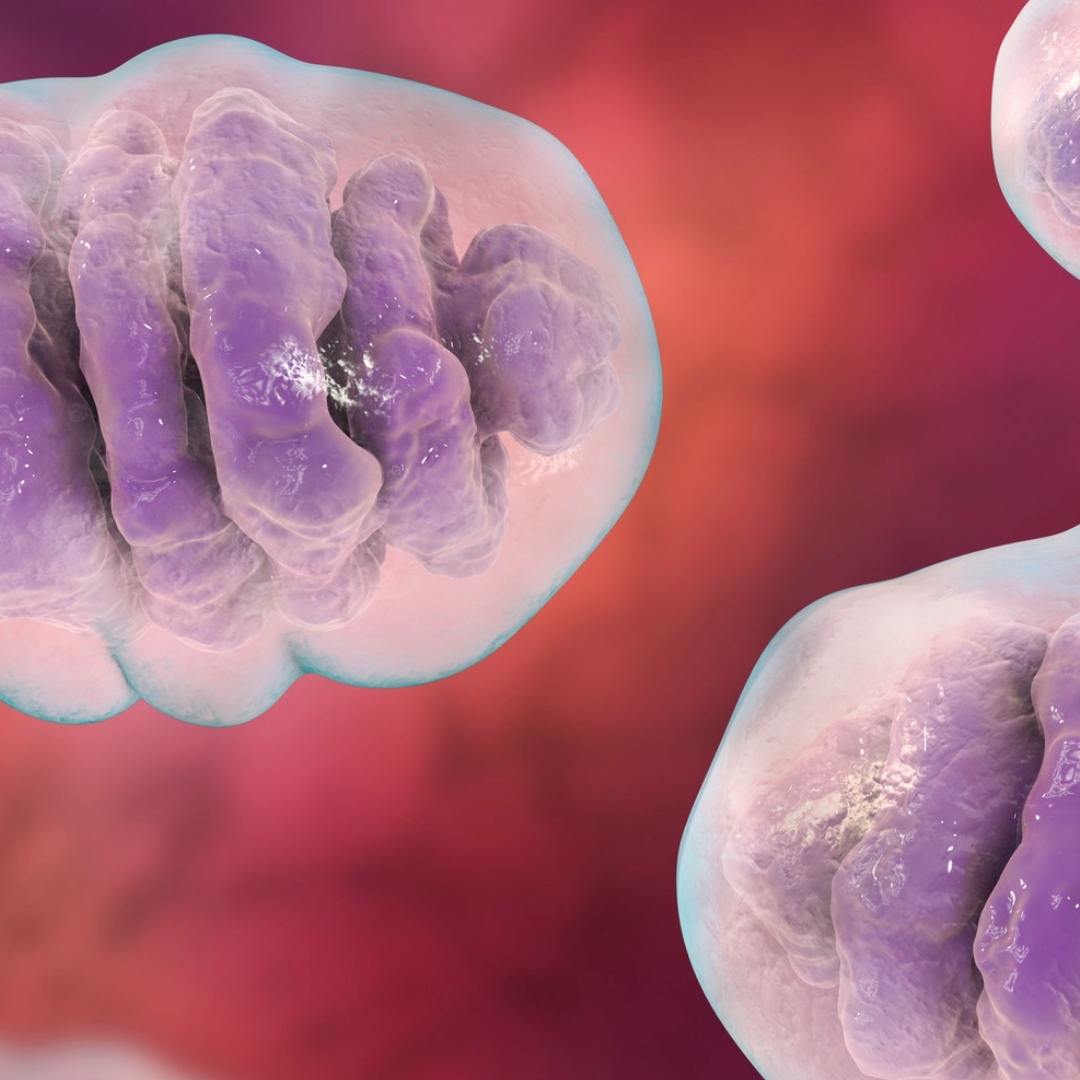
The mechanism is distinct from other PBM applications: in hair follicles, red light absorption by cytochrome c oxidase in follicle stem cells increases mitochondrial ATP production, enhancing cellular metabolism in the follicular unit. This upregulates key hair growth regulators including IGF-1, VEGF, and HGF (hepatocyte growth factor), while reducing DHT sensitivity in susceptible follicles and improving scalp microcirculation. Importantly, LLLT for hair operates at lower doses than other applications (1–4 J/cm²) because follicle cells are superficial (within 2–5 mm of the scalp surface), making 630–680 nm red light optimal without requiring NIR penetration.

Clinical results take 12–26 weeks to manifest due to the hair growth cycle — visible improvements in hair density and thickness typically appear after 3–6 months of consistent treatment. RCTs in AGA demonstrate increases in terminal hair count of 20–35% above baseline, with concurrent improvements in hair shaft diameter and telogen/anagen ratio. Evidence is comparable between men and women, and between Ludwig and Norwood-Hamilton classification scales. LLLT appears most effective in early-to-moderate stages of AGA and is considered a first-line non-pharmacological option alongside minoxidil, often used in combination for additive effect.

Mechanism of Action: How PBM Affects Hair & Scalp

In hair follicles, red light at 630–680 nm is absorbed by cytochrome c oxidase in follicle stem cells and dermal papilla cells, increasing mitochondrial ATP production. This activates the Wnt/β-catenin signaling pathway, which is the master regulator of hair follicle cycling, promoting transition from telogen (resting) to anagen (growth) phase. VEGF upregulation improves scalp microcirculation, and IGF-1 signaling supports dermal papilla cell proliferation and hair matrix cell activity.

  • Photon absorption in follicle stem cells activates Wnt/β-catenin signaling — transitions follicles from telogen to anagen phase
  • Increases mitochondrial ATP production in dermal papilla cells — supports high metabolic demand of active follicles
  • Upregulates VEGF and PDGF — improves scalp microcirculation and nutrient delivery to follicles
  • Increases IGF-1 and HGF expression in dermal papilla — key growth factor support for hair matrix cells
  • Reduces 5α-reductase activity in scalp tissue — may attenuate DHT-mediated follicle miniaturization
  • Improves telogen/anagen ratio: shifts proportion of follicles in growth phase
  • Enhances hair shaft keratinization and increases hair shaft diameter
  • Reduces scalp inflammation (perifollicular lymphocytic infiltrate) in AGA

What the Research Shows: Hair & Scalp

Studies in this category commonly demonstrate:

  • Multiple RCTs show 20–35% increase in terminal hair count above baseline in AGA patients at 26 weeks
  • Two systematic reviews with meta-analysis confirm LLLT significantly increases hair density vs. sham in AGA
  • FDA has cleared multiple LLLT devices for AGA based on clinical trial data (Class II medical devices)
  • Both men and women with AGA respond to LLLT in RCTs — comparable effect sizes across sex
  • Combination of LLLT + minoxidil shows additive benefit vs. either alone in several trials
  • Optimal wavelength for hair: 630–680 nm (red) — follicle cells are superficial, NIR not required
  • Hair count improvements plateau around 24–26 weeks; maintenance treatment preserves gains
  • Treatment cessation leads to gradual return of baseline hair loss pattern over 3–6 months
  • Helmet/cap devices with 650–680 nm LEDs produce equivalent outcomes to laser comb devices at equal dose
  • No responder-specific biomarkers identified — response prediction remains clinically challenging

Key Clinical Studies: Hair & Scalp

A curated selection from 200++ indexed studies.

Randomized Controlled Trial

Efficacy and safety of low-level laser therapy for androgenetic alopecia: 24-week RCT

Population: Human (n=44, male AGA, sham-controlled)Wavelength: 655 nmDose: 4 J/cm²Year: 2013

Kim et al. found LLLT at 655 nm significantly increased terminal hair count (+35.7% vs. −9.4% in sham) at 24 weeks. Hair shaft diameter and tensile strength also improved. Established strong RCT evidence for LLLT in male AGA.

View on PubMed →
Randomized Controlled Trial

LLLT for female androgenetic alopecia: randomized double-blind controlled trial

Population: Human (n=47, female AGA, double-blind RCT)Wavelength: 655 nmDose: 4 J/cm²Year: 2014

Female AGA patients treated with LLLT helmet showed significant increases in hair count (+51.6% over sham) at 16 weeks. Subject-reported satisfaction also significantly higher. Established efficacy in female-pattern hair loss.

View on PubMed →
Systematic Review & Meta-Analysis

Low-level laser therapy for androgenetic alopecia: meta-analysis of randomized controlled trials

Population: Human (8 RCTs, n=750)Wavelength: 630–680 nmDose: 2–4 J/cm²Year: 2019

Meta-analysis of 8 RCTs found LLLT significantly increased hair count (SMD 1.54, 95% CI 0.82–2.27) and hair thickness vs. sham. Both men and women showed benefit. Device type (helmet, comb, panel) did not significantly affect outcomes at equivalent dose.

View on PubMed →
Randomized Controlled Trial

LLLT combined with minoxidil for androgenetic alopecia: additive effects

Population: Human (n=90, AGA, 3-arm RCT: LLLT, minoxidil, combined)Wavelength: 655 nmDose: 3 J/cm²Year: 2017

Three-arm RCT found combined LLLT + minoxidil produced significantly greater hair count increase than either monotherapy. Combination group showed +41% hair count vs. +22% LLLT alone and +19% minoxidil alone at 24 weeks. Strong evidence for synergistic combination.

View on PubMed →
Randomized Controlled Trial

LED photobiomodulation for alopecia areata: pilot randomized trial

Population: Human (n=24, alopecia areata)Wavelength: 655 + 830 nmDose: 3 J/cm²Year: 2018

Combined red/NIR PBM produced greater hair regrowth scores and patient satisfaction than topical corticosteroid alone in alopecia areata. Suggested PBM may modulate the autoimmune perifollicular inflammation underlying AA.

View on PubMed →
Systematic Review

Photobiomodulation for hair growth: systematic review and clinical recommendations

Population: Human (15 studies, various alopecia types)Wavelength: 630–680 nmDose: VariousYear: 2021

Comprehensive review confirmed LLLT as evidence-based, safe treatment for AGA with Level I evidence. Identified 630–680 nm, doses of 2–4 J/cm², twice-weekly application as optimal protocol. Noted limited evidence for non-AGA alopecia types.

View on PubMed →

Typical Research Parameters: Hair & Scalp

Based on analysis of 200++ peer-reviewed studies:

ParameterTypical RangeNotes
Wavelength 630–680 nm (red) NIR not required — follicle cells are within 2–5 mm of scalp surface. Red light is optimal for follicle depth. Some protocols add 830 nm for anti-inflammatory scalp effects.
Dose (fluence) 1–4 J/cm² Lower doses than most other PBM applications due to superficial follicle location. Exceeding 4 J/cm² may reduce efficacy (biphasic dose response).
Session frequency 2–3× per week Majority of positive RCTs use 2–3 sessions per week. Daily use not significantly superior in head-to-head trials.
Time to visible results 12–26 weeks Hair growth cycle length means effects take 3–6 months to manifest. Consistent treatment required throughout.
Maintenance Ongoing treatment required Treatment cessation results in gradual return to baseline hair loss pattern over 3–6 months. Long-term maintenance 1–2×/week.
Best responders Early-to-moderate AGA (Norwood I–V; Ludwig I–II) Most evidence in AGA. Limited evidence for alopecia areata, telogen effluvium, chemotherapy-induced alopecia. Advanced AGA (scarring) less responsive.

Frequently Asked Questions: PBM & Hair & Scalp

Does red light therapy actually grow hair?

Clinical evidence from multiple RCTs and a meta-analysis (8 RCTs, n=750) confirms that LLLT at 630–680 nm significantly increases terminal hair count and hair thickness in androgenetic alopecia compared to sham treatment. Effect sizes are moderate to large (SMD 1.54 in meta-analysis). The FDA has cleared several LLLT devices for hair promotion based on these clinical trials. Results take 3–6 months to become visible due to the hair growth cycle length.

What wavelength of red light is best for hair growth?

Research consistently supports 630–680 nm (red light) for hair follicle stimulation. NIR wavelengths (>780 nm) are not required and may not provide additional benefit because hair follicles are only 2–5 mm below the scalp surface — within the effective depth of red light. The majority of FDA-cleared LLLT hair devices use 655–670 nm. Some protocols add 830 nm NIR to address scalp inflammation, but evidence for this combination is limited.

How long does red light therapy take to show hair growth results?

Due to the hair growth cycle, visible improvements typically require 12–26 weeks of consistent treatment (2–3 sessions per week). Most RCTs show significant increases in hair count at 16–24 weeks, with improvement plateauing around week 26. Hair shaft diameter and density improvements are often noticed before significant increases in hair count. Patience and consistency are essential for this application.

Can red light therapy be combined with minoxidil or finasteride?

Yes — a 3-arm RCT demonstrated significantly greater hair count increases with LLLT + minoxidil combination (+41%) compared to either monotherapy alone. The mechanisms are complementary: minoxidil primarily extends anagen phase through potassium channel activation, while LLLT increases follicle cell metabolic activity and shifts telogen→anagen transition. Combination with finasteride has less RCT evidence but is commonly used clinically based on complementary mechanisms.

Will hair loss return if I stop using red light therapy?

Yes — clinical observations and limited follow-up data suggest that stopping LLLT leads to gradual return of baseline hair loss pattern over 3–6 months, similar to what occurs when minoxidil is discontinued. This indicates PBM maintains rather than permanently reverses androgenetic alopecia. Long-term maintenance treatment at 1–2 sessions per week is typically recommended to preserve gains from the initial treatment period.

Does red light therapy work for all types of hair loss?

The strongest evidence is for androgenetic alopecia (AGA), which is genetic/hormonal hair loss — the most common type in both sexes. Limited pilot data exists for alopecia areata (autoimmune), telogen effluvium (stress-related), and chemotherapy-induced alopecia. LLLT is unlikely to be effective for scarring alopecias (lichen planopilaris, frontal fibrosing alopecia) where follicles are permanently destroyed. Hair loss cause should be evaluated before beginning any treatment.

Browse All Hair & Scalp Studies

All studies in this category from the PBM research database.

Search all 10,068+ studies across all categories: Open the Full Evidence Explorer →

Methodology & important context

The published research indexed and referenced on this page studies photobiomodulation (PBM) as a therapeutic modality and the specific wavelengths used in those studies — not Mito Red Light devices specifically. The wavelengths used across our panels were chosen because the peer-reviewed PBM literature supports them: this is where published evidence is deepest, where dosing parameters have been characterized in human studies, and where clinical guidelines (such as WALT for inflammation and pain) exist. Mito Red Light has not funded or conducted registered clinical trials on our specific devices, and the study counts referenced here reflect the broader PBM research base — not studies of our products.

Evidence levels follow GRADE methodology. Study counts reflect peer-reviewed photobiomodulation research drawn from major scientific literature databases, peer-reviewed journals, and other published research repositories. PBM response varies meaningfully by person, tissue, condition, dose, wavelength, and session timing; outcomes reported in the published literature may not be replicable for every user. Mito Red Light devices are not intended to diagnose, treat, cure, or prevent any disease. If you have a medical condition or are under a physician’s care, please consult your healthcare provider before beginning any photobiomodulation regimen.