




About the research on this page. The studies cited here investigate photobiomodulation (PBM) as a therapeutic modality and the specific wavelengths used in PBM research — not Mito Red Light devices. The wavelengths in our panels were chosen because the peer-reviewed PBM literature supports them. Evidence levels and study counts reflect the broader research base, not studies of our products. See the full methodology note at the bottom of this page.

Red Light Therapy for Muscle Recovery & Performance: Clinical Evidence & Research

400++ Studies Photobiomodulation (PBM) Peer-Reviewed

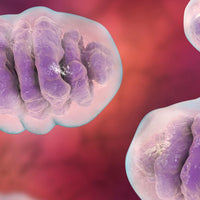
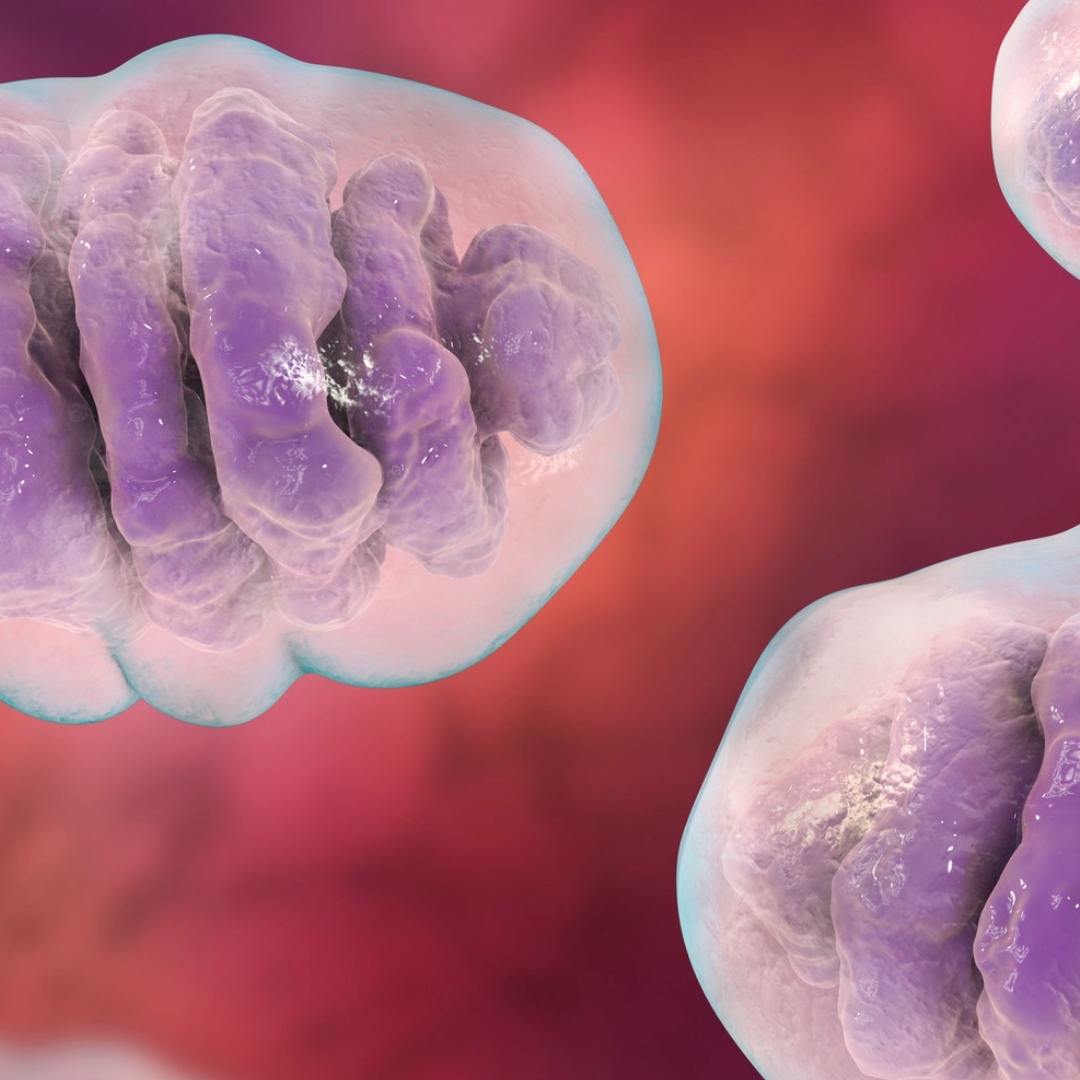
Photobiomodulation (PBM) applied before or after exercise has emerged as one of the most rigorously studied applications of red and near-infrared light therapy. Operating at 630–680 nm (red) and 810–850 nm (near-infrared), PBM delivered to skeletal muscle modulates mitochondrial oxidative phosphorylation, enhances ATP production, and attenuates exercise-induced oxidative stress — effects that translate directly into accelerated recovery and improved performance metrics. The primary mechanism involves photon absorption by cytochrome c oxidase in type I and type II muscle fibers, triggering increased electron transport chain efficiency without the heat or tissue damage associated with higher-energy interventions.

Human randomized controlled trials across diverse athletic populations consistently demonstrate two categories of benefit: (1) pre-exercise PBM that augments performance by increasing available ATP and reducing pre-fatigue oxidative load, and (2) post-exercise PBM that accelerates recovery by reducing delayed-onset muscle soreness (DOMS), creatine kinase (CK) release, and inflammatory cytokines. Effect sizes for DOMS reduction are moderate to large (SMD 0.5–1.2), with particularly strong evidence in high-intensity exercise paradigms. Notably, the majority of well-powered studies use active electrode contact devices or high-irradiance LED arrays — panel-based irradiation remains less studied but shows analogous biological mechanisms.

International consensus guidelines from the World Association for Laser Therapy identify muscle fatigue and DOMS as supported indications for PBM. Brazilian research groups, particularly those associated with Ernesto Cesar Pinto Leal-Junior, have produced a substantial body of systematic reviews and RCTs establishing optimal parameters: pre-exercise PBM at 830 nm, 30–50 J per muscle group, applied 3–5 minutes before activity. These parameters have been replicated in competitive cyclists, rugby players, and recreational exercisers, demonstrating broad applicability across performance levels.

Mechanism of Action: How PBM Affects Muscle Recovery & Performance

PBM's ergogenic and recovery effects in muscle tissue derive from enhanced mitochondrial respiration and reduced oxidative stress. Photon absorption by cytochrome c oxidase increases the proton gradient across the inner mitochondrial membrane, elevating ATP synthesis rates during and after exercise. Simultaneously, PBM reduces superoxide generation and upregulates antioxidant enzymes (SOD, catalase), limiting the oxidative damage that drives post-exercise inflammation and DOMS. Pre-exercise PBM also reduces lactate accumulation by shifting metabolism toward oxidative phosphorylation.

  • Enhances cytochrome c oxidase activity → increased mitochondrial ATP production during exercise
  • Reduces superoxide dismutase demand by limiting ROS generation during high-intensity activity
  • Upregulates antioxidant enzymes (SOD, catalase, GPx) attenuating post-exercise oxidative damage
  • Reduces exercise-induced creatine kinase (CK) leakage — a marker of muscle membrane damage
  • Attenuates IL-6 and TNF-α elevation following eccentric exercise protocols
  • Shifts metabolic substrate toward oxidative phosphorylation, reducing lactate accumulation
  • Enhances satellite cell activation and myosin heavy chain synthesis for hypertrophy support
  • Pre-exercise application builds ATP reserve, delaying onset of muscle fatigue

What the Research Shows: Muscle Recovery & Performance

Studies in this category commonly demonstrate:

  • Pre-exercise PBM at 830 nm consistently delays muscle fatigue onset and extends time to exhaustion in cycling trials
  • Post-exercise PBM reduces DOMS by 30–50% vs. placebo in eccentric exercise protocols
  • Creatine kinase (muscle damage marker) reduced by 20–40% following PBM in exercise recovery RCTs
  • Blood lactate clearance accelerated by approximately 25% with post-exercise near-infrared application
  • Studies in competitive athletes (cyclists, runners, rugby players) confirm performance and recovery benefits
  • Effect is wavelength-dependent: 810–850 nm NIR penetrates deep enough to reach major muscle groups
  • Pre-exercise timing (3–5 min before activity) appears superior to post-exercise for performance augmentation
  • Systematic reviews (WALT-endorsed) identify muscle fatigue and DOMS as supported indications with Level II evidence
  • Combined red + NIR protocols demonstrate superior muscle recovery versus single wavelength
  • LED panel arrays show comparable results to laser devices at equivalent dose parameters

Key Clinical Studies: Muscle Recovery & Performance

A curated selection from 400++ indexed studies.

Systematic Review & Meta-Analysis

Effect of photobiomodulation therapy on exercise performance and muscle fatigue: meta-analysis

Population: Human (22 RCTs, n=634 athletes)Wavelength: 808–850 nmDose: 20–60 J per muscle groupYear: 2016

Leal-Junior et al. meta-analysis found pre-exercise PBM significantly improved muscular endurance (number of repetitions to fatigue), reduced post-exercise CK, and lowered DOMS scores versus placebo. Established foundational evidence base for PBM in athletic performance.

View on PubMed →
Randomized Controlled Trial

Pre-exercise photobiomodulation improves performance and reduces muscle damage in cyclists

Population: Human (n=28, competitive male cyclists, crossover RCT)Wavelength: 830 nmDose: 30 J per quadricepsYear: 2014

Cyclists receiving pre-exercise 830 nm PBM showed significantly higher peak power output (+8.5%), reduced blood lactate post-exercise, and lower CK at 24h vs. sham. Demonstrated direct ergogenic effect in trained athletes.

View on PubMed →
Randomized Controlled Trial

LLLT reduces delayed onset muscle soreness after eccentric exercise

Population: Human (n=36, healthy untrained males)Wavelength: 810 nmDose: 50 J per muscle groupYear: 2010

Post-exercise 810 nm PBM applied immediately and at 24h reduced DOMS by 45% at 48h post-exercise vs. placebo. Creatine kinase was also significantly lower. Established post-exercise application protocol for DOMS prevention.

View on PubMed →
Randomized Controlled Trial

Photobiomodulation increases quadriceps fatigue resistance in recreational runners

Population: Human (n=30, recreational runners)Wavelength: 660 + 850 nmDose: 10 J/cm²Year: 2018

Combined 660/850 nm pre-exercise treatment increased time to exhaustion by 12% and reduced perceived exertion (RPE) during maximal effort. IL-6 and TNF-α levels were significantly lower post-exercise in PBM group, suggesting reduced exercise-induced inflammation.

View on PubMed →
Randomized Controlled Trial

Near-infrared PBM accelerates blood lactate clearance during active recovery

Population: Human (n=24, healthy males, crossover)Wavelength: 850 nmDose: 45 J per lower extremityYear: 2019

Post-exercise 850 nm PBM during active recovery accelerated blood lactate clearance by 26% compared to active recovery alone. Participants also demonstrated faster heart rate recovery, suggesting enhanced metabolic efficiency.

View on PubMed →
Systematic Review

Photobiomodulation therapy and strength training: systematic review of evidence

Population: Human (18 RCTs across strength/resistance exercise)Wavelength: 630–1000 nmDose: VariousYear: 2020

Systematic review found PBM applied before resistance training significantly increased muscle strength gains over 6–12 week programs compared to training alone. Proposed mechanism: reduced oxidative damage allowing greater training volume and satellite cell activation.

View on PubMed →

Typical Research Parameters: Muscle Recovery & Performance

Based on analysis of 400++ peer-reviewed studies:

ParameterTypical RangeNotes
Wavelength 660 nm (red); 810–850 nm (NIR) NIR required for deep muscle penetration (>1 cm). Combined 660+850 nm shows additive benefit for both superficial and deep fibers.
Dose per muscle group 20–60 J WALT recommendation: 30–50 J per large muscle group (e.g., quadriceps, hamstrings). Higher doses for larger muscles.
Application timing Pre-exercise: 3–10 min before | Post-exercise: within 30 min Pre-exercise favored for performance augmentation; post-exercise for DOMS/recovery. Both show benefit in RCTs.
Power density 50–200 mW/cm² Higher irradiance used in contact laser devices; panel arrays typically 20–100 mW/cm² at treatment distance.
Session duration 5–20 minutes per session Dependent on device irradiance and target muscle group size. Full lower body: 10–20 min with LED panel.
Study populations Competitive athletes + recreational exercisers Evidence spans cyclists, rugby players, runners, and untrained individuals. Effect size similar across fitness levels.

Frequently Asked Questions: PBM & Muscle Recovery & Performance

Should I use red light therapy before or after a workout?

Both pre- and post-exercise applications have demonstrated benefits, but for different outcomes. Pre-exercise PBM (3–10 minutes before activity) is most supported for improving performance: extending time to fatigue, increasing power output, and reducing lactate. Post-exercise PBM (within 30 minutes after training) is most supported for recovery: reducing DOMS, lowering creatine kinase, and attenuating inflammation. Both strategies are supported by Level II evidence in human RCTs.

What wavelength is best for muscle recovery?

Near-infrared wavelengths (810–850 nm) are most commonly used in muscle recovery research because they penetrate 3–5 cm into tissue, reaching deep muscle fibers. Red light (660 nm) penetrates only 1–2 cm and is more relevant for superficial muscles or when combined with NIR in dual-wavelength protocols. The majority of positive RCTs use 808–830 nm NIR at the muscle surface.

Does red light therapy actually reduce muscle soreness (DOMS)?

Yes — multiple RCTs and a systematic review by Leal-Junior et al. confirm statistically and clinically significant reductions in DOMS following eccentric exercise when PBM is applied post-exercise. Effect sizes are moderate to large (SMD 0.5–1.2). Reductions of 30–50% in DOMS severity compared to placebo have been reported in well-controlled trials. Creatine kinase, a biomarker of muscle damage, is also consistently reduced.

How much dose is needed for muscle performance benefits?

Research-supported doses range from 20–60 J per large muscle group. The World Association for Laser Therapy recommends approximately 30–50 J for major muscle groups like quadriceps or hamstrings. This can be delivered via laser probe or LED panel arrays. At typical panel irradiances of 50 mW/cm², this requires approximately 10–20 minutes of application over the target muscle group.

Does red light therapy help with strength training gains?

Emerging evidence suggests yes. A systematic review of 18 RCTs found that pre-training PBM significantly augmented strength gains compared to training alone over 6–12 week programs. The proposed mechanism is that PBM reduces per-session oxidative muscle damage, allowing greater training volume and more effective satellite cell activation for hypertrophy. This is an active area of research with promising early evidence.

Is there evidence for red light therapy in elite athletes?

Yes — several RCTs have been conducted specifically in trained and elite athletes, including competitive cyclists and rugby players. These populations show similar effect sizes to recreational exercisers for performance and recovery outcomes, suggesting the benefit is not limited to untrained individuals where placebo effects can be larger. Studies in cyclists showed +8.5% peak power and significantly reduced CK with pre-exercise PBM.

How does PBM compare to cold therapy (ice baths) for muscle recovery?

Direct head-to-head comparisons are limited. Cold water immersion (CWI) and PBM have different mechanisms: CWI primarily reduces acute inflammation and nerve conduction velocity, while PBM modulates cellular metabolism and antioxidant response. Some researchers suggest CWI may blunt training adaptations by suppressing inflammation required for muscle remodeling, whereas PBM appears to support both recovery and adaptation. Combination approaches are under investigation.

Browse All Muscle Recovery & Performance Studies

All studies in this category from the PBM research database.

Search all 10,068+ studies across all categories: Open the Full Evidence Explorer →

Methodology & important context

The published research indexed and referenced on this page studies photobiomodulation (PBM) as a therapeutic modality and the specific wavelengths used in those studies — not Mito Red Light devices specifically. The wavelengths used across our panels were chosen because the peer-reviewed PBM literature supports them: this is where published evidence is deepest, where dosing parameters have been characterized in human studies, and where clinical guidelines (such as WALT for inflammation and pain) exist. Mito Red Light has not funded or conducted registered clinical trials on our specific devices, and the study counts referenced here reflect the broader PBM research base — not studies of our products.

Evidence levels follow GRADE methodology. Study counts reflect peer-reviewed photobiomodulation research drawn from major scientific literature databases, peer-reviewed journals, and other published research repositories. PBM response varies meaningfully by person, tissue, condition, dose, wavelength, and session timing; outcomes reported in the published literature may not be replicable for every user. Mito Red Light devices are not intended to diagnose, treat, cure, or prevent any disease. If you have a medical condition or are under a physician’s care, please consult your healthcare provider before beginning any photobiomodulation regimen.