














Panel Series
Red light therapy (photobiomodulation) uses specific wavelengths of red and near-infrared light to support cellular energy production, inflammatory balance, and tissue repair. When you understand how to match those mechanisms to your own goals—skin, sleep, mood, performance, or recovery—red light can become a simple, repeatable self-care ritual that fits naturally into a modern, holistic routine.
Authored By Benjamin Caleb Williams
The potential benefits of red light therapy are gaining increasing recognition by mainstream experts. Now used in dermatology offices, beauty spas, and performance clinics, this relatively new therapy is growing quickly in popularity.
As interest grows, many people want to know how they can use red light therapy in their own self-care. Almost anyone can build a routine around it; the key is knowing what outcomes you care about and how to apply red light therapy consistently and safely toward those goals. With a basic understanding of how it works and what it can (and cannot) do, you can use it to complement the rest of your natural health strategy.
The Role of Red Light Therapy in Natural Health
Natural health emphasizes approaches that align with how the body already functions—supporting rather than overriding physiology whenever possible. Red light therapy fits well in this philosophy. It is non-invasive, uses light that is already present in natural sunlight (especially morning and evening), and focuses on underlying cellular processes instead of masking symptoms.
In an ideal world, consistent outdoor time would provide ample red and near-infrared light exposure, but modern life often limits time in natural light. Sun exposure is also weather‑dependent and carries the risk of excess ultraviolet radiation. Targeted panels allow you to deliver specific wavelengths without UV and without relying on outdoor conditions.
The Science of Red Light and Health
While red light therapy appeals to people who prefer natural options, it is also backed by a large and growing research base. A central idea is that red and near-infrared light interact with mitochondria—especially a chromophore called cytochrome c oxidase. When these wavelengths are absorbed, they may support mitochondrial function, ATP production, and downstream signalling pathways that influence inflammation, oxidative stress, and cell survival.
By targeting cellular energy and signalling, red light therapy can affect a range of systems: skin, muscles, joints, brain, and more. Many people use it to support the root-level biology behind issues such as poor recovery, low energy, or stressed skin, rather than focusing only on surface-level symptoms.
The Many Applications of Red Light Therapy
The versatility of red light therapy comes from the fact that mitochondria are everywhere. Below are some of the most common self-care applications people explore.
Skin Health
Red light therapy has become a staple in many modern skincare routines. Research suggests it can support collagen production, the structural protein that helps skin look firm, full, and resilient. By supporting collagen and elastin, red light therapy may help soften the appearance of fine lines and wrinkles and contribute to a more even, “plumped” look over time.
Red light therapy is also used to support overall tone and texture by promoting microcirculation and modulating inflammation. Many people with sensitive or easily irritated skin like that it offers a gentle alternative to harsh topicals and invasive procedures. Some studies also describe benefits for wound healing and tissue rejuvenation, which can be relevant for blemishes and minor scars.
Joint Pain
For people managing joint discomfort—whether from athletic overuse, aging, or chronic conditions—red light therapy is often used as a non-drug tool. Red and near-infrared wavelengths can reach deeper tissues and have been studied as a promising option for supporting joint comfort, likely by influencing inflammatory pathways and circulation.
Because it does not rely on systemic medications, some people use it to complement other pain-management strategies and, where appropriate, to help limit reliance on frequent analgesics. As with any modality, individual responses vary, and it should be one part of a broader plan that includes movement, strength, and medical guidance when needed.
Sleep
Red light therapy’s role in supporting sleep is increasingly discussed. Evening exposure to red light, which is lower in melatonin-disrupting blue wavelengths, may help the body transition toward nighttime physiology more smoothly. Some studies suggest this may support melatonin secretion and subjective sleep quality, especially in people exposed to heavy training or stress.
As a drug-free, habit-based option, many people fold red light into their wind‑down routine—pairing it with reading, stretching, or relaxation exercises to signal that the day is ending and it’s time to recover.
Cognitive Health
Cognitive health is another area where red and near-infrared light are under active investigation. By supporting mitochondrial function and blood flow in brain tissue, some protocols aim to support mental clarity, focus, and memory. Early work has looked at people with brain injuries or neurodegenerative conditions, with results suggesting that carefully dosed transcranial photobiomodulation may help support cognitive performance in specific contexts.
While more research is needed, many people are interested in this angle for long-term brain health and aging, always with the caveat that it should sit alongside sleep, movement, and nutrition—not replace them.
Hair Growth
Red light therapy is also being used as a supportive option for appearance‑related hair concerns. Research on light-based therapies for hair has found that certain wavelengths may help support hair follicles, potentially influencing growth cycles and density.
Because it is non-invasive, many people view it as a gentler adjunct to other hair strategies, whether that’s topical agents, nutritional workups, or, in some cases, medical treatments. As always, realistic expectations and consistency matter more than any single session.
Muscle Performance
For athletes and regular exercisers, red light therapy can serve as a recovery and performance tool. Several studies have reported that pre‑ or post‑exercise light exposure may help reduce perceived muscle soreness, support faster recovery, or even modestly enhance performance metrics in some protocols.
Practically, that might mean less downtime between sessions and a greater ability to maintain a consistent training schedule—especially when paired with good programming, sleep, and nutrition.
How to Integrate Red Light Therapy into Your Self-Care Routine
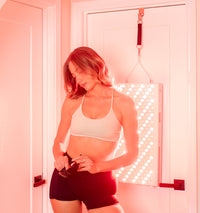
Because red light sessions are passive, they lend themselves well to “stacked habits.” You can combine them with activities like breathwork, gentle stretching, meditation, journaling, or even focused reading. The key is consistency: modest sessions performed regularly are far more powerful than occasional long bursts.
When you’re building your routine, consider:
- Setting aside 10–20 minutes per session, several times per week, at times that naturally fit your day.
- Creating a comfortable, quiet space so sessions feel like a break rather than a task.
- Ensuring the treatment area is uncovered and free of heavy lotions during exposure.
- Committing to a trial period (for example, 6–8 weeks) before you evaluate how well it is working for your goals.
Choosing the Right Red Light Therapy Options
Selecting the right at‑home red light therapy setup is one of the most important decisions you’ll make. While spa or clinic sessions can be useful, people who want long‑term benefits usually get more value from a dedicated home device—because consistency becomes easier.
When evaluating a red light therapy panel or other device, consider:
- Wavelengths: Look for a combination of red (around 630–660nm) and near‑infrared (around 810–850nm), which are commonly used in photobiomodulation studies.
- Intensity (irradiance): Sufficient power at a realistic treatment distance so that you can deliver a meaningful dose in 10–20 minutes.
- Coverage area: Panels or arrays that match your goals—localized devices for spot treatment vs. larger panels for full‑body routines.
- Reputation and testing: Transparent specs, third‑party testing, and a track record of customer support.
Mito Red Light
Red light therapy offers a rare combination: a natural, non-invasive input that can be delivered in a highly standardized, research-informed way. That makes it a powerful candidate for people who want to build a self-care routine that is both aligned with nature and grounded in modern evidence.
At Mito Red Light, we design red light therapy devices around well‑studied wavelengths, rigorous testing, and user-friendly form factors so you can focus on your routine rather than the hardware. Whether your priority is skin, performance, sleep, or general wellness, our device range includes options for targeted areas and full‑body coverage.
You can explore our full lineup of red light therapy products online or reach our team at 1‑866‑861‑6486 (MITO) if you’d like help choosing a device that fits your goals and space.
Frequently Asked Questions
How often should I use red light therapy for self-care?
Most people aiming for general wellness or skin support use red light therapy several times per week for 10–20 minutes per area, though protocols vary. Consistency over weeks to months is more important than doing very long, infrequent sessions.
Is red light therapy safe to use every day?
Red light therapy is generally well tolerated for most healthy adults when used as directed. Many people use it daily, but it is wise to start with shorter, less frequent sessions, monitor how you feel, and follow manufacturer guidelines. If you have a medical condition or take photosensitizing medications, consult your healthcare provider first.
When will I start noticing benefits?
Timelines vary by goal. Some people notice changes in perceived energy or recovery within a couple of weeks, while skin and hair-related goals often require several weeks to a few months of steady use. Setting a trial period—for example, 6–8 weeks—can help you evaluate your own response.
Can red light therapy replace my existing treatments?
Red light therapy is best viewed as a complement, not a replacement, for medical care or essential lifestyle habits such as sleep, nutrition, and movement. If you are considering changing or stopping any prescribed treatment, always do so under the guidance of your healthcare provider.
Do I need both red and near-infrared light?
Many people choose devices that include both red and near‑infrared wavelengths. Red light is often used for surface-level applications such as skin, while near‑infrared can penetrate deeper and is frequently used for joints, muscles, and certain brain-directed protocols.
References
- Hamblin MR. Mechanisms and applications of the anti-inflammatory effects of photobiomodulation. AIMS Biophysics.
- Avci P, Gupta A, Sadasivam M, et al. Low-level laser (light) therapy (LLLT) in skin: stimulating, healing, restoring. Seminars in Cutaneous Medicine and Surgery. 2013.
- Ablon G. A controlled trial to determine the efficacy of red and near-infrared light treatment in skin rejuvenation. Photomedicine and Laser Surgery. 2014.
- Huang YY, Sharma SK, Carroll J, Hamblin MR. Biphasic dose response in low level light therapy. Dosimetry and Photomedicine.
- Mito Red Light. Red light therapy and brain health. Mito Red Light Blog.
- Mito Red Light. Everything you need to know about red light therapy and sleep. Mito Red Light Blog.
- Mito Red Light. Red light therapy and hair health. Mito Red Light Blog.
This article discusses published scientific research and general educational information about photobiomodulation and red light therapy. It does not constitute medical advice and does not make specific claims about Mito Red Light devices. The research cited reflects independent peer-reviewed studies and does not imply that any Mito Red Light product has been evaluated, approved, or cleared by the FDA or any other regulatory body for the diagnosis, treatment, cure, or prevention of any disease or medical condition. Individual results vary. Consult a qualified healthcare professional before beginning any light therapy protocol, particularly if you have a pre-existing medical condition, are pregnant, or are taking photosensitising medications.
Mito Red Light products are general wellness devices. They are not medical devices and have not been evaluated, cleared, or approved by the FDA or any regulatory body for the diagnosis, treatment, cure, or prevention of any disease or medical condition. Any references to peer-reviewed research or clinical studies on this page describe findings from independent scientific literature and do not imply that Mito Red Light devices have been studied, tested, or proven effective for any specific condition. Always consult a qualified healthcare provider before beginning any new wellness routine, particularly if you have a medical condition or are taking medication.
Related articles
More from the protocols & how to use knowledge cluster