
















Panel Series
In today’s fast-paced world, finding balance and wellness is more important than ever. Harmonizing modern technology with ancient practices can augment the effects of both, providing greater wellness benefits and overall well-being. Red light therapy, in particular, provides a natural yet modern approach to your yoga routine, helping you to improve your muscle function, reduce your risk of strain, and become empowered to get the most out of your yoga.
Red light therapy, a non-invasive and natural healing method, is gaining momentum in the wellness community. It's not just a trend; it's part of a lifestyle shift towards holistic health. By combining red light therapy with yoga, a practice deeply rooted in holistic well-being, you will be empowered to unlock a new dimension of health benefits.
What is Red Light Therapy?
Red light therapy is a new and innovative approach to personal health and wellness, using your body’s natural response to light in a way that augments your health. It involves exposing the body to wavelengths of red and infrared light, which researchers believe stimulate various biological processes.
The science behind this therapy is based on the principle that each type of molecule absorbs light of specific wavelengths and reflects all other wavelengths. Red light therapy uses specific wavelengths of red and infrared light that are designed to target a molecule called cytochrome C oxidase. This molecule plays an important role in the mitochondria, a subcellular organ responsible for producing the energy that cells use. Because of its foundational role in promoting cellular energy, stimulating cytochrome C oxidase using red light therapy is thought to be the cause of the many positive effects people use red light therapy to achieve.
Unlike most other forms of therapy that rely on medications or invasive procedures, red light therapy is gentle, safe, and accessible. It uses natural light to stimulate the body's innate healing abilities instead of providing a treatment that seeks to override the body’s biological activity. This makes it a preferred choice for those seeking natural methods to enhance their health and well-being.
Benefits of Red Light Therapy in Holistic Health
The scope of red light therapy in holistic health is extensive and impressive. There are many different ways that people are using red light therapy. It's not just about physical healing when problems arise; it's about nurturing the body and promoting wellness to help keep problems from developing in the first place. Here are some of the key benefits people are using red light therapy to achieve:
-
Improved skin health – Red light is used to reduce signs of aging by stimulating the production of collagen, which contributes to skin fullness and reduces symptoms like wrinkles and fine lines. Red light therapy is also believed to improve the speed at which the skin heals, improving overall skin tone and reducing blemishes.
-
Enhanced muscle recovery – Many athletes and fitness enthusiasts find red light therapy beneficial for muscle recovery and reducing inflammation. This can allow workouts to be more intense and reduce the recovery time between workouts.
-
Enhanced sleep quality – Red light therapy has been used by athletes and others to improve their quality of sleep and help extend the duration of sleep. Improved rest can also impact other areas of health.
-
Reduced pain levels – Pain related to inflammation is a common reason that people use red light therapy. Red light therapy is thought to increase circulation and suppress inflammation, offering a natural method of seeking pain relief, especially for joint pain.
-
Boosted mental clarity – Positive cognitive effects are a major area of expanding research in the field of red light therapy. From stroke victims to those with traumatic brain injuries, early research suggests that red light therapy may be beneficial.
Red light therapy offers many potential benefits but is still in its infancy as a new treatment option. Research continues to emerge on the benefits and uses of red light therapy. It is important to note that it is possible that ongoing research may find that some current uses for red light therapy are not well supported. However, as studies continue to emerge, the case for red light therapy is currently appearing to grow stronger, with new use cases being discovered frequently.
Red Light Therapy and Yoga: A Perfect Match
Yoga is an ancient practice that focuses on bringing harmony between the mind and body. While it was initially a religious practice, it has been adopted by Western cultures for the physical and mental benefits that it can provide. When red light therapy is combined with yoga, the potential benefits are amplified. Red light therapy complements yoga's focus on holistic wellbeing while supporting muscle function, ultimately adding an extra layer of healing and rejuvenation.
The synergy between red light therapy and yoga lies in their shared goal of promoting balance and healing. While yoga works at a physical and mental level, red light therapy enhances these benefits at a cellular level. This combination is a powerful tool in your journey towards comprehensive health and wellness.
There are several key benefits red light therapy is used to achieve that complement yoga’s benefits. These include:
-
Muscle-related benefits – Red light therapy is used to protect and promote muscle function. Yoga exercises the muscles, creating strain and microscopic injuries that red light therapy can help prevent or heal.
-
Reduced pain benefits – Yoga can help to reduce long-term pain levels by improving muscle function, but can cause short-term pain due to the strain it causes as muscles are stretched and used. The improved circulation and anti-inflammatory effects red light therapy offers can help to offset these effects.
-
Cognitive benefits – Yoga considers both the body and the mind. Red light therapy may help to calm and focus the mind during yoga. The cognitive effects of red light therapy could help the mental focus and clarity that yoga strives to achieve.
By using red light therapy and yoga together, the benefits of both can augment each other, potentially creating a synergistic benefit that is greater than the sum of each individually. Red light therapy and yoga can both be done simultaneously, allowing you to realize the benefits both bring without extending your time commitment.
Setting Up Your Home Yoga Space with Red Light Therapy
Creating a serene and effective yoga space at home is important for a fulfilling practice. With the addition of red light therapy, you can further transform it into a relaxing oasis of wellness. First, choose a quiet, comfortable area in your home where you can place your yoga mat and your red light therapy devices. Ensure the space is private and free from distractions to maintain a tranquil environment.
Next, consider the placement of your yoga mat and red light therapy devices. Your devices should be positioned in a way that allows even exposure during your entire yoga routine. You will need to consider the various yoga techniques you plan to use and position the red light therapy devices to provide maximum coverage without having to readjust them during your session. If you follow a consistent yoga routine, setting up the panels right the first time can save you time in future workouts.
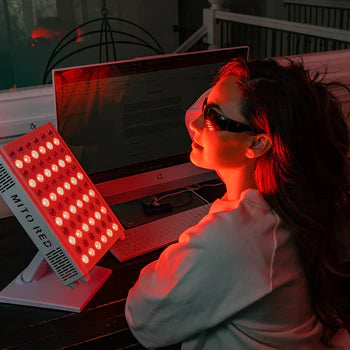
You may want to consider using wearable red light therapy devices during yoga instead of panels depending on your reason for using red light therapy. Devices such as a red light belt can help provide red light therapy to your abdominal area, while a red light helmet may assist in providing better cognitive focus and clarity. These devices may be ideal for some, while others may find them cumbersome during yoga. If you do rely on red light therapy panels, it is important to choose yoga attire that allows maximal exposure of the main muscles you are using to the light source.
One ideal device for yoga enthusiasts is Mito’s Full Body Mat. This mat provides a surface that you can use to do yoga while simultaneously providing you with red light therapy from the ground level.
How to Use Red Light Therapy for Yoga at Home
Integrating red light therapy into your home yoga routine is straightforward. Begin with your usual warm-up. When you are ready to begin your yoga, turn on your red light therapy devices. The light should bathe your body, especially focusing on areas that are the focus of your yoga routine.
-
Duration: Aim for 10–20 minutes of red light therapy during or after your yoga session. Most people will use red light therapy for the entire duration of short yoga sessions or during the most demanding 10–20 minutes of the session for sessions over 30 minutes.
-
Frequency: Consistency is key. Incorporate red light therapy into your regular yoga routine for best results. If you do yoga infrequently, it may be beneficial to consider using red light therapy on its own, ensuring that you get at least 3–5 sessions of combined or standalone red light therapy each week.
-
Safety: Ensure to follow the manufacturer’s guidelines for safe and effective use of the red light therapy device. While they are uncommon, there are some situations that may contraindicate the use of red light therapy.
Mito Red Light for Yoga
Embracing red light therapy for home yoga is not just about adding a new element to your wellness routine; it’s about enhancing your overall quality of life. As you blend the ancient practice of yoga with modern technology, you open the possibility of improved health, better mental clarity, and a more balanced life.
At Mito Red Light, we provide the red light therapy products you’ll want to augment your yoga routine! Our yoga-friendly red light therapy products provide the specific wavelengths of light thought to optimize muscle performance, enhance cognition, and improve your overall yoga experience.
We welcome you to review our selection of high-quality products or to contact one of our representatives at 1-866-861-6486 (MITO).
Frequently Asked Questions About Red Light Therapy and Yoga
Should I use red light therapy before, during, or after yoga?
You can use red light therapy before yoga to warm up tissues, during your practice for ongoing support, or after to aid recovery. Many people find combining it with the most demanding portion of their session works well.
How close should my red light panel be during yoga?
Most full‑body panels are used at roughly 6–18 inches, depending on the device. Choose a distance that provides good coverage of your primary muscle groups while still allowing you to move comfortably through poses.
Can I do red light therapy and yoga every day?
Yes, as long as you follow recommended session times and your body tolerates the routine well. Many users combine daily yoga with 3–5 red light sessions per week for ongoing support.
Which Mito Red Light products are best for yoga?
For yoga, many people prefer the Full Body Mat, wearable options like the Quad Belt, or a combination with overhead or front-facing panels for larger-area coverage.
Do I need to change my yoga clothes when using red light therapy?
Clothing can block or reduce light penetration, so it helps to wear lightweight, minimal, or loose‑fitting attire that exposes the areas you most want to treat during your session.
References
- Karu T. Mitochondrial mechanisms of photobiomodulation in context of new data about cytochrome c oxidase. Photomed Laser Surg. 2010.
- Avci P et al. Low-level laser (light) therapy in skin: stimulating, healing, restoring. Semin Cutan Med Surg. 2013;32(1):41–52.
- Leal Junior EC et al. Effect of phototherapy (low-level laser therapy and light-emitting diode therapy) on exercise performance and recovery. J Photochem Photobiol B. 2010.
- Fang J et al. Photobiomodulation therapy for sleep and fatigue in athletes: a preliminary study. J Athl Train. 2013.
- Field T. Yoga clinical research review. Complement Ther Clin Pract. 2016;24:145–161.
Getting maximum benefit from red light therapy requires matching the right wavelengths, irradiance dose, session duration, and timing to your specific goals. This guide draws on peer-reviewed photobiomodulation dosing research to help you build an effective evidence-based protocol.
This article discusses published scientific research and general educational information about photobiomodulation and red light therapy. It does not constitute medical advice and does not make specific claims about Mito Red Light devices. The research cited reflects independent peer-reviewed studies and does not imply that any Mito Red Light product has been evaluated, approved, or cleared by the FDA or any other regulatory body for the diagnosis, treatment, cure, or prevention of any disease or medical condition. Individual results vary. Consult a qualified healthcare professional before beginning any light therapy protocol, particularly if you have a pre-existing medical condition, are pregnant, or are taking photosensitising medications.
Mito Red Light products are general wellness devices. They are not medical devices and have not been evaluated, cleared, or approved by the FDA or any regulatory body for the diagnosis, treatment, cure, or prevention of any disease or medical condition. Any references to peer-reviewed research or clinical studies on this page describe findings from independent scientific literature and do not imply that Mito Red Light devices have been studied, tested, or proven effective for any specific condition. Always consult a qualified healthcare provider before beginning any new wellness routine, particularly if you have a medical condition or are taking medication.
Related articles
More from the protocols & how to use knowledge cluster