












Panel Series
Photobiomodulation has been studied in veterinary medicine across multiple species, with strong evidence for wound healing, pain management, and post-surgical recovery. This article covers the peer-reviewed research on red light therapy for pets and horses.
Red Light Therapy for Horses: Equine Photobiomodulation
Horses are among the most physically demanding athletes in the animal world — and among the earliest non-human subjects in photobiomodulation research. Equine red light therapy has moved from fringe practice to mainstream veterinary rehabilitation, with a growing evidence base supporting its use for tendon and ligament injuries, wound healing, back pain, and post-surgical recovery.
Why Horses Respond Well to Photobiomodulation
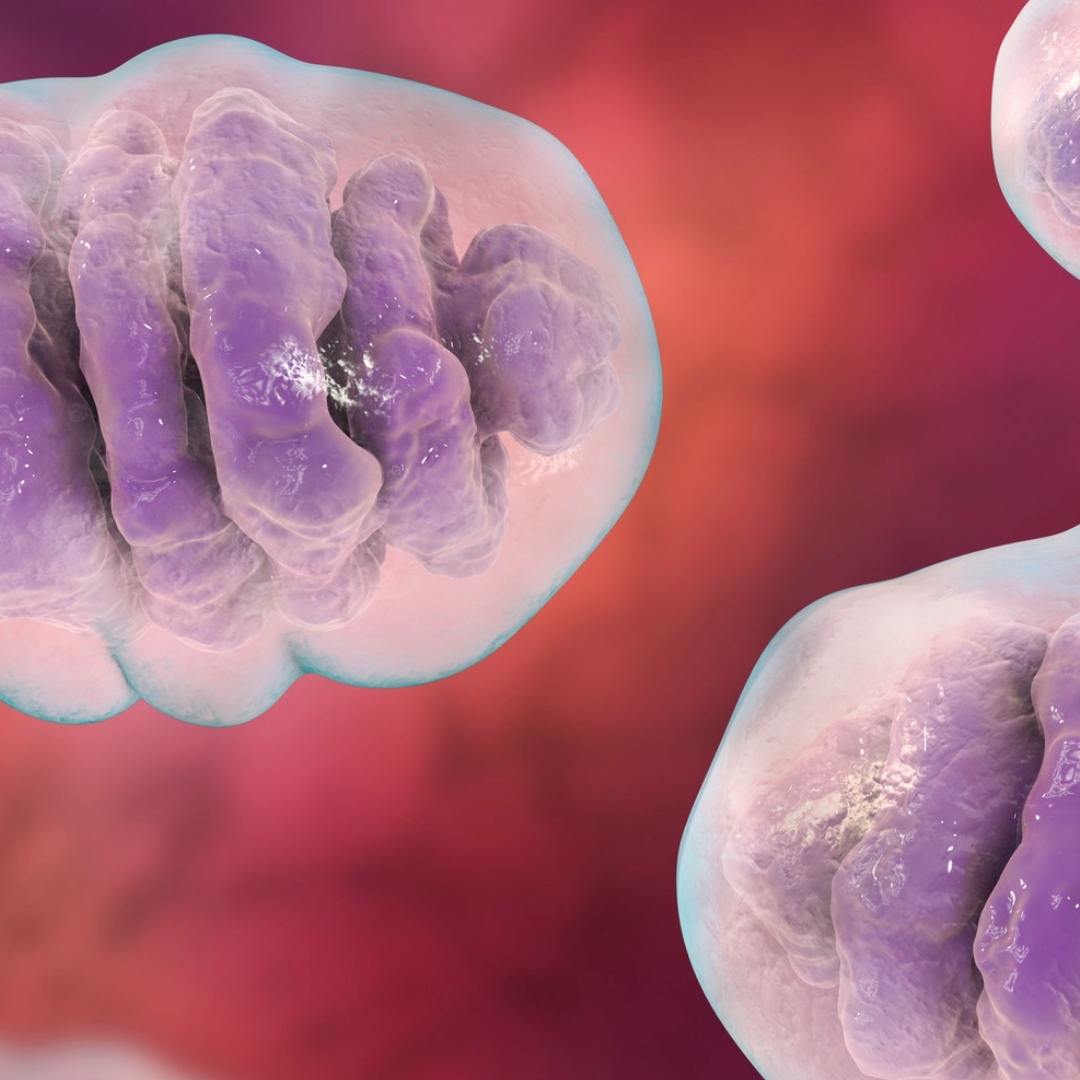
The cellular mechanism of photobiomodulation is identical across mammalian species — photons at 630–850nm are absorbed by cytochrome c oxidase in mitochondria, stimulating ATP production, reducing oxidative stress, and modulating inflammation. Horses have the same photoreceptor biology as humans, and their tissues respond to the same wavelengths.
What makes horses a particularly compelling application is the nature of their most common injuries. Tendons, ligaments, and cartilage have poor intrinsic blood supply and heal slowly. These are precisely the tissue types where photobiomodulation shows the strongest evidence for accelerating repair — by improving microcirculation, stimulating collagen synthesis, and reducing the inflammatory phase that prolongs recovery.
Key Applications in Equine Practice
Tendon and Ligament Injuries
Superficial digital flexor tendon (SDFT) injuries are among the most career-limiting conditions in sport horses, with recovery times of 6–18 months and high re-injury rates. Research into PBM for equine tendon injuries has shown:
- Accelerated collagen fibre organisation in healing tendons, producing stronger scar tissue with more normal architecture
- Reduced inflammatory infiltrate in the acute and sub-acute phases, limiting secondary tissue damage
- Earlier return to training in treated horses compared to controls in several observational studies
A 2004 study in Photomedicine and Laser Surgery examining laser treatment of equine tendon injuries found significantly improved ultrasonographic scores (a measure of tendon organisation) in treated limbs. Similar findings have been reported with LED-based devices delivering equivalent wavelengths and doses.
Wound Healing
Horses are notorious for poor lower limb wound healing — the distal limbs have limited soft tissue coverage, reduced blood supply, and are subject to constant movement and contamination. Proud flesh (exuberant granulation tissue) is a common complication that delays healing and produces cosmetically and functionally poor outcomes.
PBM addresses equine wound healing through multiple pathways: accelerating epithelialisation, stimulating fibroblast activity for collagen production, reducing bacterial load, and modulating the inflammatory response that drives proud flesh formation. Case series in veterinary literature consistently report faster healing times and reduced proud flesh in PBM-treated wounds compared to standard care alone.
Back Pain and Musculoskeletal Pain
Back pain is increasingly recognised as a significant welfare and performance issue in sport horses. Common causes include kissing spines (overriding dorsal spinous processes), sacroiliac dysfunction, and epaxial muscle tension. PBM at 810–850nm penetrates to the depth of the thoracolumbar musculature and adjacent spinal structures, providing anti-inflammatory and analgesic effects without systemic side effects.
Clinical use by equine physiotherapists and veterinarians has documented improvements in back palpation scores, stride length, and ridden performance following PBM treatment courses. Horses with kissing spines, in particular, often show measurable improvements in epaxial muscle tone and pain response.
Post-Surgical Recovery
Following orthopaedic surgery — joint arthroscopy, tendon repair, fracture repair — PBM is increasingly incorporated into equine rehabilitation protocols for its ability to accelerate wound healing, reduce post-operative inflammation, and support tissue repair. Its non-invasive nature and absence of drug interactions make it particularly useful in the immediate post-operative period.
Osteoarthritis
Joint degeneration — particularly in the coffin joint, fetlock, and hock — is a leading cause of retirement in sport horses. PBM at 830nm has demonstrated reductions in synovial inflammatory cytokines and improvements in cartilage metabolism in animal models of osteoarthritis. Clinical application in horses focuses on maintaining joint comfort and slowing degenerative progression as part of a multimodal management plan.
Dosing and Protocol Considerations
Equine PBM protocols differ from human use primarily in the challenge of delivering adequate irradiance through the coat. Dark, thick coats absorb significantly more photons than the light-coloured or clipped areas. For this reason:
- Clipping the treatment area is recommended for conditions requiring deep tissue penetration (tendons, joints, back)
- Higher irradiance devices are typically needed for equine use compared to human protocols
- Contact or near-contact delivery is preferred over distance treatment for musculoskeletal targets
- Session frequency: Acute injuries typically treated daily for 5–7 days, then every other day; chronic conditions 3x/week maintenance
Dosing targets in equine research typically range from 4–20 J/cm² for superficial targets and up to 40 J/cm² for deep structures, consistent with WALT guidelines adapted for veterinary use.
Safety in Horses
PBM has an excellent safety record in equine use. No systemic adverse effects have been reported in the veterinary literature. Local reactions are rare and limited to mild temporary erythema in pink-skinned areas. Standard precautions apply: avoid direct irradiation of the eyes (use shielding), do not treat over cancerous lesions, and exercise caution in horses on photosensitising medications.
Horses generally tolerate PBM treatment well and many appear to actively seek out the treatment area, suggesting a subjectively pleasant or pain-relieving experience — consistent with the analgesic mechanisms documented in research.
Integration with Veterinary Care
Equine PBM works best as part of a comprehensive rehabilitation and management plan, not as a standalone treatment. For tendon injuries, it complements controlled exercise rehabilitation, ultrasound monitoring, and appropriate rest. For back pain, it supports manual therapy, saddle fitting review, and biomechanical assessment. For wound healing, it works alongside appropriate wound management protocols.
Always work with a qualified equine veterinarian when using PBM for injury management, particularly for acute or serious conditions.
Frequently Asked Questions
Is red light therapy safe for horses?
When used with appropriate dosing and under veterinary guidance, photobiomodulation has an excellent safety profile in horses, with no systemic side effects reported in the literature.
Which equine conditions respond best to red light therapy?
PBM is most commonly used for tendon and ligament injuries, lower limb wounds, back pain, osteoarthritis, and post-surgical recovery as part of a broader rehabilitation program.
Do I need a special device for horses?
Equine applications typically require higher-output devices and close or contact application to overcome the barrier of the coat and reach deeper tissues effectively.
How often should a horse be treated with PBM?
Acute injuries are often treated daily for the first week, then tapered; chronic issues are commonly managed with 2–3 sessions per week, based on veterinary recommendations.
Can red light therapy replace conventional veterinary treatment?
No. PBM should complement, not replace, conventional veterinary care such as diagnostics, medication, surgery, or structured rehabilitation.
References
- Hashmi JT et al. Role of low-level laser therapy in neurorehabilitation. PM&R. 2010;2(12 Suppl 2):S292–305.
- Reddy GK. Photobiological basis and clinical role of low-intensity lasers in biology and medicine. J Clin Laser Med Surg. 2004;22(2):141–150.
- Oliveira PC et al. Evaluation of low-level laser therapy of osteochondral defects in rabbits. J Orthop Surg Res. 2012;7:41.
- Pluim M et al. Low level laser therapy in horses: A review. J Equine Vet Sci. 2018;66:1–6.
- Renno AC et al. Effects of 830 nm laser on injured Achilles tendon in rats. Lasers Med Sci. 2007;22(1):55–61.
This article discusses published scientific research and general educational information about photobiomodulation and red light therapy. It does not constitute medical advice and does not make specific claims about Mito Red Light devices. The research cited reflects independent peer-reviewed studies and does not imply that any Mito Red Light product has been evaluated, approved, or cleared by the FDA or any other regulatory body for the diagnosis, treatment, cure, or prevention of any disease or medical condition. Individual results vary. Consult a qualified healthcare professional before beginning any light therapy protocol, particularly if you have a pre-existing medical condition, are pregnant, or are taking photosensitising medications.
Mito Red Light products are general wellness devices. They are not medical devices and have not been evaluated, cleared, or approved by the FDA or any regulatory body for the diagnosis, treatment, cure, or prevention of any disease or medical condition. Any references to peer-reviewed research or clinical studies on this page describe findings from independent scientific literature and do not imply that Mito Red Light devices have been studied, tested, or proven effective for any specific condition. Always consult a qualified healthcare provider before beginning any new wellness routine, particularly if you have a medical condition or are taking medication.
Related articles
More from the pets & animals knowledge cluster