


















Panel Series
Medically Reviewed by | Heidi Wright, BSN, RN, PCCN
We’ll do just about anything to achieve a more youthful appearance. From injecting paralyzing toxins into the muscles of our foreheads to rubbing snail mucin (read: snail mucus) into our skin, our quest to remain “forever young” really doesn’t have many lines we won’t cross.
Before you subject yourself to another incredibly invasive or questionable treatment, consider that some of the most effective treatment options target your skin in a completely different way. Microneedling and red light therapy, for instance, aim to encourage the healthy production of collagen by encouraging skin cells to make more of this essential facial-plumping protein.
When combined, microneedling and red light therapy have produced significant results both in the short term and at the three and six-month mark. Let’s discuss both options, how they work, and how combining them can give you impressive anti-aging benefits, sans snail slime.
What Are the Basics of Skin Aging?
Understanding what causes your skin to age is key to understanding how to treat it and slow the aging process.
Collagen
Collagen is a protein that makes up numerous tissues in your body, and it’s a huge component of your skin. Collagen gives your skin its firmness and youthful plumpness. By age 20, collagen production slows at a rate of 1% per year, leaving us with hollows under the eyes, a loss of resilience that leads to skin sagging, and of course, those tell-tale lines and wrinkles.
Skin Cell Turnover
In addition to less collagen, our skin cells renew at a much slower rate than they did when we were younger. With age, skin cell turnover takes more time, which means your complexion may look dull, have an uneven texture and tone, and even develop more blemishes.
Exfoliating can help remove dead skin from the skin’s surface, but there are ways to stimulate new cells to grow faster.
How To Address Skin Aging
Knowing how the skin ages can help us address the visible signs of aging more effectively. Instead of fighting to cover up or hide lines and wrinkles, we can use methods to stimulate the skin’s own ability to produce more collagen and make new skin cells more quickly. Two popular methods that work are microneedling and red light therapy.
Microneedling
Microneedling is a skin treatment procedure that creates tiny “wounds” on the skin. In response to these wounds, the skin goes into action to heal the wounds, which results in the production of new skin cells and new collagen.
Microneedling can be done at home, but professional-grade microneedling should only be performed by a licensed professional, like a dermatologist or aesthetician. During treatment, your skin will be numbed to keep you comfortable, and a tool will be used to poke tiny holes into the surface of your skin. Downtime lasts a few days, and within several weeks you’ll notice improved skin texture, tone, and overall appearance.
Keep in mind that to see results from microneedling, you will need to allow your skin to heal. Thankfully, red light therapy allows you to fast-track that process.
Red Light Therapy
The use of specific wavelengths of light in medicine is not new. It’s been used for various skin conditions and medical ailments for decades. Red light therapy was developed by NASA as a means of helping to heal wounds sustained by astronauts while in orbit. Today, we can use that same technology to help with wound healing associated with microneedling.
In addition to supporting wound healing, red light therapy also provides anti-aging benefits of its own. By targeting fibroblasts in the skin responsible for creating collagen, red light therapy can help stimulate collagen production and increase skin cell turnover even further.
Combined with microneedling, you can expect some impressive benefits.
3 Potential Benefits of Red Light Therapy After Microneedling
If you want to fast-track your skin rejuvenation goals, adding red light therapy after your microneedling treatments is your new go-to hack. Need more convincing? Let these 3 benefits do the talking.
1. Enhanced Skin Care Product Performance
Your favorite serums and treatments contain ingredients your skin needs, but applying it to skin that has been microneedled can help it penetrate more deeply. In addition, red light therapy can help with product efficacy by increasing blood flow to the skin and supporting skin cell function.
2. Reduced Post-Microneedling Swelling
Because microneedling creates tiny wounds in the skin, it’s natural to experience swelling after your treatment. The body’s immune system is at work sending white blood cells to the wounds to heal them.
One of the greatest benefits of red light therapy is its ability to speed up the recovery process, especially with wound healing. Treating your skin to red light therapy post-microneedling can dramatically reduce the amount of swelling and irritation you experience after your treatment and help you heal faster.
3. Support for Collagen Production and Skin Cell Turnover
Combining these two collagen-supportive treatments can help you see more visible results. Both microneedling and red light therapy may help the skin properly produce collagen. When combined, you get more collagen, firmer skin, and more quantifiable results over time.
In addition, both methods work to stimulate the growth of new skin cells, which can help improve the tone, texture, and radiance of your skin.
Is it Safe To Combine Red Light and Microneedling?
Combining red light therapy and microneedling is completely safe, and should not result in any side effects. In fact, red light therapy alone has no known negative side effects. If you are taking a medication that makes you photosensitive or if you have a sensitivity to light, speak to your healthcare provider before using red light therapy.
Microneedling produces some short-term side effects, like swelling and redness, but using red light therapy after your session may help reduce these side effects and make them more manageable.
Where To Find Red Light Therapy
Red light therapy may be available from the same provider who gives you your microcurrent treatment. Keep in mind that when considering red light therapy, you’ll want a form of red light therapy that includes as many LEDs per square inch as possible, so that you can reap the most benefits.
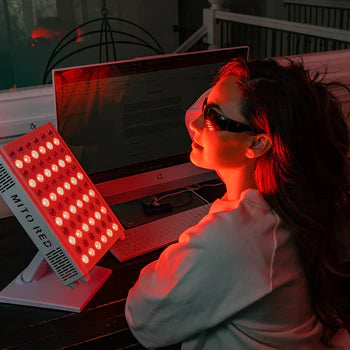
Additionally, it’s possible to use red light therapy at home, with high-quality products from Mito Red Light. Our panels and wearable devices are all third-party tested to ensure the highest level of therapeutic quality, and have the most red and near-infrared diodes per square inch compared to our competitors.
The Fast Track to a Youthful Appearance
There are numerous different ways to approach the aging process in the skin, but using microneedling and red light therapy gives you the ability to target the specific mechanisms that cause the skin to age: collagen loss and skin cell turnover.
By using an at-home red light therapy device, you can continue to stimulate your skin cells post-microneedling treatment, and beyond. In just minutes per day, you can support your skin and take steps to reverse the aging process in a non-invasive, scientifically backed way.
Sources:
Microneedling: Advances and widening horizons | PMC
Low-level laser (light) therapy (LLLT) in skin: stimulating, healing, restoring | PMC
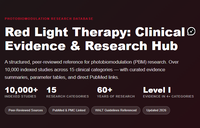
Red light therapy supports skin rejuvenation by stimulating mitochondrial ATP production in dermal cells, promoting collagen synthesis, reducing inflammation, and accelerating tissue repair. The 630–660nm wavelengths in Mito Red Light panels represent the most-studied band for skin photobiomodulation, with 943 peer-reviewed studies at 660nm alone in our research database of 10,000+ studies.
This article discusses published scientific research and general educational information about photobiomodulation and red light therapy. It does not constitute medical advice and does not make specific claims about Mito Red Light devices. The research cited reflects independent peer-reviewed studies and does not imply that any Mito Red Light product has been evaluated, approved, or cleared by the FDA or any other regulatory body for the diagnosis, treatment, cure, or prevention of any disease or medical condition. Individual results vary. Consult a qualified healthcare professional before beginning any light therapy protocol, particularly if you have a pre-existing medical condition, are pregnant, or are taking photosensitising medications.
Mito Red Light products are general wellness devices. They are not medical devices and have not been evaluated, cleared, or approved by the FDA or any regulatory body for the diagnosis, treatment, cure, or prevention of any disease or medical condition. Any references to peer-reviewed research or clinical studies on this page describe findings from independent scientific literature and do not imply that Mito Red Light devices have been studied, tested, or proven effective for any specific condition. Always consult a qualified healthcare provider before beginning any new wellness routine, particularly if you have a medical condition or are taking medication.
Related articles
More from the skin health & anti-aging knowledge cluster